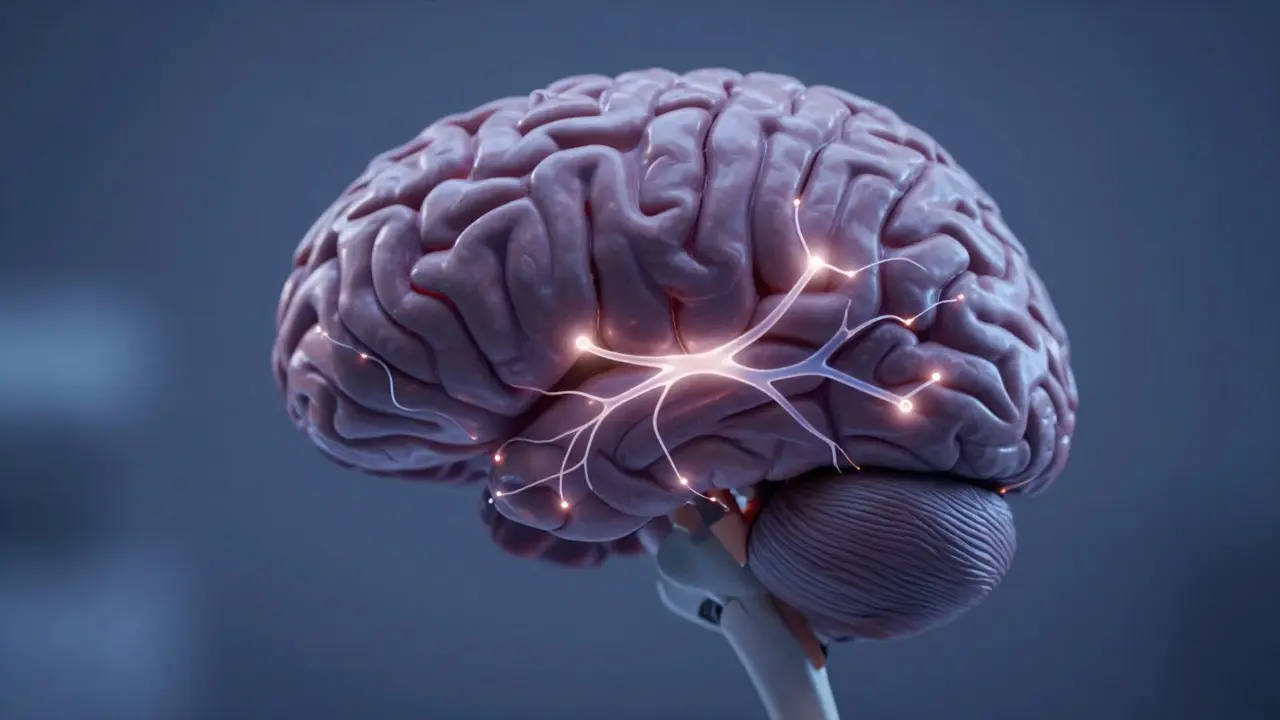
Most people think ADHD medication is just about focusing on a spreadsheet or finishing a homework assignment. But if you look closer at the brain chemistry, you’ll see it’s doing something much deeper. It’s not just fixing symptoms; it’s often treating the root causes of other issues that come along with attention deficits. When we talk about ADHD medication, we are really talking about how stabilizing one part of the brain can calm down the chaos in another.
You might have noticed that your anxiety feels worse when you’re disorganized, or that your mood swings tie directly to your productivity levels. That’s not a coincidence. The same neural pathways involved in attention regulation are deeply connected to emotional processing and executive function. By targeting these underlying mechanisms, stimulant and non-stimulant medications do more than help you pay attention-they address the physiological stress responses that fuel secondary conditions like anxiety, depression, and even sleep disorders.
The Brain Connection: Why ADHD Causes Other Problems
To understand how the treatment works, we first need to look at what goes wrong. ADHD isn’t just a behavioral issue; it’s a neurodevelopmental condition affecting the prefrontal cortex and limbic system. This means the parts of your brain responsible for planning (prefrontal cortex) and feeling (limbic system) don’t always talk to each other smoothly.
When your prefrontal cortex is underactive due to low dopamine and norepinephrine, you struggle with impulse control. But here’s the kicker: those same neurotransmitters regulate your stress response. So, when they are low, your body stays in a state of heightened alertness. This creates a feedback loop where poor focus leads to missed deadlines, which causes stress, which further depletes your ability to focus. Treating the underlying neurotransmitter imbalance breaks this cycle.
- Dopamine: Regulates reward, motivation, and focus. Low levels lead to procrastination and anhedonia (lack of pleasure).
- Norepinephrine: Handles arousal and alertness. Imbalances contribute to anxiety and difficulty sustaining attention.
- Serotonin: While less directly targeted by standard stimulants, it interacts with dopamine systems and plays a role in mood stability.
Treating Anxiety: Calming the Storm
Anxiety is the most common comorbidity with ADHD, affecting up to 50% of adults with the diagnosis. But is it true anxiety, or is it the panic of being overwhelmed? Often, it’s both. Stimulant medications like methylphenidate and amphetamines increase norepinephrine, which sounds counterintuitive for someone with anxiety. However, studies show that by improving executive function, these drugs reduce the *cognitive* load that triggers anxiety.
Think of it this way: if you’re drowning in 50 unfinished tasks, your brain perceives a threat. Once medication helps you prioritize and complete three of those tasks, the perceived threat drops. Your heart rate slows, your breathing steadies, and the physical symptoms of anxiety subside. For many patients, the "jittery" side effect fades within the first few weeks as their body adjusts to the new baseline of efficiency.
| Medication Type | Primary Mechanism | Impact on Anxiety | Impact on Depression | Best For |
|---|---|---|---|---|
| Methylphenidate | Dopamine/Norepinephrine reuptake inhibitor | Reduces cognitive overload-related anxiety | Indirect improvement via increased engagement | Classic inattentive type with high task avoidance |
| Amphetamines | Dopamine release + reuptake inhibition | Can initially increase jitteriness; long-term reduces stress | Significant mood lift in under-motivated individuals | Hyperactive/Impulsive type needing strong focus boost |
| Bupropion (Wellbutrin) | Norepinephrine/Dopamine reuptake inhibitor | Generally neutral or calming | Directly treats depressive symptoms | Patients with co-occurring major depressive disorder |
| Atomoxetine (Strattera) | Selective Norepinephrine reuptake inhibitor | No initial stimulant spike; steady calming effect | Moderate improvement over time | Patient with high baseline anxiety who cannot tolerate stimulants |
Depression and Motivation: Breaking the Cycle
Depression in ADHD patients often looks different than typical clinical depression. Instead of just sadness, it manifests as profound apathy and a sense of failure. You know what you *should* do, but the gap between intention and action feels impossible to bridge. This is known as "executive dysfunction depression."
Standard SSRIs (like Prozac or Zoloft) target serotonin, which helps with mood but doesn't necessarily fix the motivational block. ADHD medications, however, restore the dopamine signal that tells your brain, "This task is worth doing." When you finally finish that project you’ve been avoiding for months, the resulting sense of accomplishment releases natural endorphins. Over time, this rebuilds self-efficacy, which is a core component of treating depression.
For some, doctors prescribe Bupropion, which acts on both dopamine and norepinephrine. It’s unique because it’s an antidepressant that also has off-label efficacy for ADHD. If you struggle with both low mood and lack of drive, this dual-action approach can be a game-changer.

Sleep Disorders and Circadian Rhythms
Let’s talk about the elephant in the room: sleep. Many people assume ADHD meds keep them awake all night. While timing matters, untreated ADHD often causes delayed sleep phase syndrome. You stay up late not because you want to, but because your brain finally quiets down when the house is silent. This disrupts your circadian rhythm, leading to chronic fatigue, which worsens daytime focus.
By providing structure and reducing the mental chatter during the day, medication can help you wind down earlier. Some extended-release formulations are designed to wear off before bedtime, allowing you to fall asleep naturally. Furthermore, better daytime functioning means less cortisol buildup by evening, leading to deeper, more restorative sleep cycles.
Choosing the Right Approach: Stimulants vs. Non-Stimulants
Not everyone reacts the same way. If you have a history of high anxiety or heart palpitations, stimulants might feel too intense at first. In these cases, non-stimulants like Atomoxetine or Guanfacine are often preferred. They work slower-taking 4 to 6 weeks to reach full effect-but they provide a smoother, steadier lift without the peak-and-crash dynamic.
On the other hand, if your primary struggle is severe inattention and you need immediate relief from the fog, stimulants remain the gold standard. They start working within 30 to 60 minutes. The key is finding the balance. Many clinicians start low and go slow, adjusting doses to treat the underlying condition without overwhelming the system.
- Assess Baseline: Track your anxiety, sleep, and mood for two weeks before starting medication.
- Start Conservative: Begin with the lowest effective dose to monitor side effects.
- Monitor Interactions: Watch for changes in appetite, heart rate, and emotional volatility.
- Adjust Timing: Take morning doses early enough to avoid insomnia.
- Re-evaluate Quarterly: As your life circumstances change, your medication needs may shift.

Lifestyle Factors That Enhance Medication
Medication is a tool, not a magic wand. To maximize its benefits on underlying conditions, you need to support your brain biologically. Regular aerobic exercise boosts natural dopamine production, essentially giving your medication a head start. Protein-rich breakfasts stabilize blood sugar, preventing the mid-afternoon crash that can mimic anxiety or irritability.
Also, consider your environment. If your workspace is chaotic, even the best medication will struggle to compensate. Creating external structures-like visual timers or clear to-do lists-works synergistically with the internal clarity provided by the drug. This combination addresses both the biological and environmental triggers of your comorbidities.
Frequently Asked Questions
Does ADHD medication cure anxiety?
It doesn't "cure" it in the traditional sense, but it significantly reduces anxiety caused by executive dysfunction. By improving organization and reducing the stress of unmet expectations, the physiological symptoms of anxiety often decrease substantially. However, generalized anxiety disorder may still require separate therapeutic intervention.
Can I take ADHD medication if I have depression?
Yes, and it is often recommended. Untreated ADHD can worsen depression by causing repeated failures and low self-esteem. Treating the attention deficit allows antidepressants to work more effectively because you can actually engage in the behaviors and therapies required for recovery.
Why does my anxiety get worse when I take stimulants?
This is common in the first few weeks as your body adjusts to higher norepinephrine levels. It usually resolves as tolerance builds. If it persists, your doctor might switch you to a non-stimulant like Atomoxetine or lower the dose. It’s important to distinguish between temporary adjustment discomfort and a genuine adverse reaction.
Do non-stimulants work as well as stimulants for comorbidities?
They are generally considered second-line treatments for pure ADHD, but for patients with significant anxiety or tics, they can be superior. While stimulants offer faster symptom relief, non-stimulants provide a more stable profile that may better suit those sensitive to jitteriness or heart rate changes.
How long until I see improvements in my mood?
Focus improvements happen immediately, but mood and anxiety benefits often take 4 to 8 weeks. This is because your brain needs time to re-establish healthy patterns of reward and stress response. Patience is key; don’t judge the medication based solely on the first week's experience.