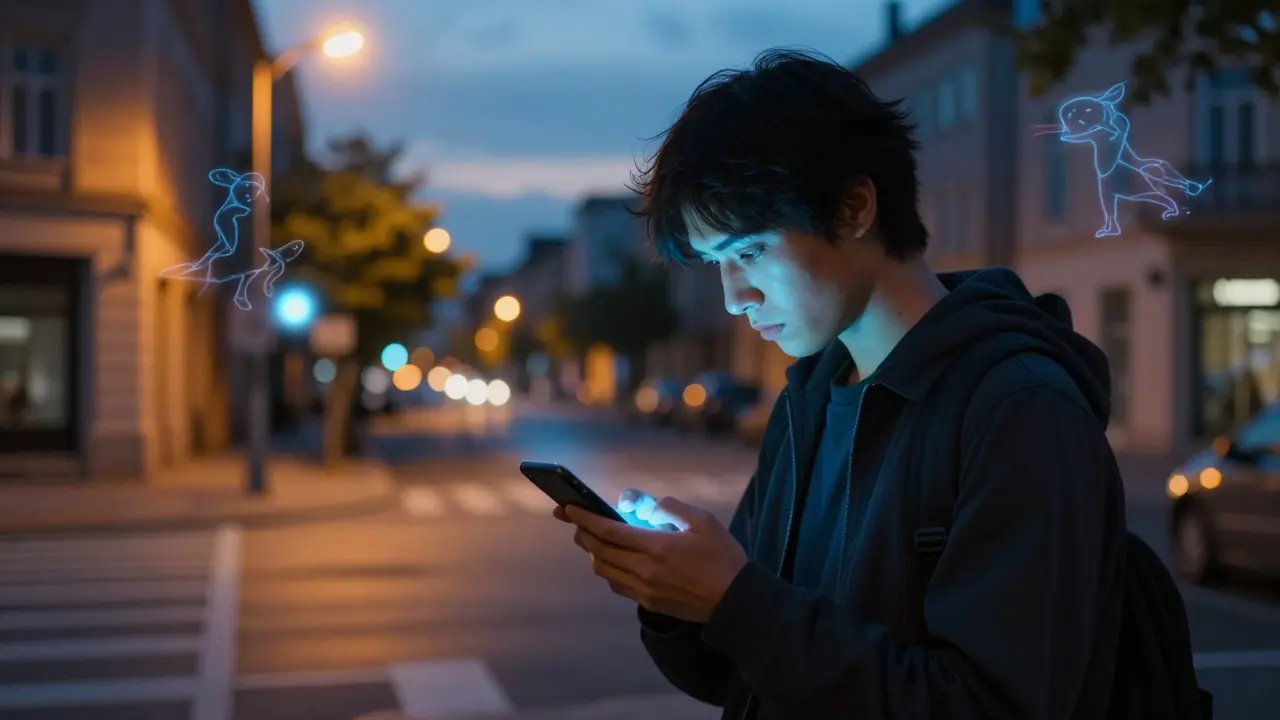
It’s a crisp Tuesday evening in Portland. You’re standing on the corner of Hawthorne and 31st, staring at your phone screen instead of the street. A rare spawn is glowing three blocks away. Your heart rate spikes-not from exercise, but from the dopamine hit of potential capture. This isn’t just fun; it’s a calculated loop designed to keep you moving until the battery dies or the sun goes down. Pokémon GO is a mobile augmented reality game that uses GPS and camera feeds to overlay virtual creatures onto the real world. Launched in 2016 by Niantic, it pioneered the genre of location-based gaming, turning city streets into arenas for digital collection.
The Mechanics of Movement
Why do we walk further than necessary? The answer lies in the design of Augmented Reality (AR) mechanics. Unlike traditional video games where progress is tied to button presses, AR games tie progress to physical displacement. In Ingress, Niantic’s predecessor, players had to physically travel to "portals" to hack them. This established a baseline: distance equals currency. When Pokémon GO released, it refined this by adding "spawns"-randomly appearing creatures that vanish if not caught within minutes. The scarcity creates urgency. The geography creates necessity. Together, they create compulsion.
This dynamic shifts the player's role from observer to participant in their own environment. You don't just look at a park; you scan it for resources. You don't just cross a bridge; you check if there are PokéStops on the other side. The city becomes a map of opportunities, and missing one feels like a financial loss. This psychological framing turns leisure walks into resource-gathering missions, blurring the line between healthy activity and obsessive behavior.
Digital Wellness vs. Digital Dependency
Proponents argue that these games encourage outdoor activity. And they are right-data from health apps shows that Step Counting correlates strongly with AR gameplay hours. However, the quality of that movement matters. Are you walking because you enjoy the scenery, or because you're chasing a shiny variant? The latter often leads to distracted walking, poor posture, and increased risk of tripping. Studies on pedestrian safety have noted a rise in smartphone-related accidents in urban areas since 2016, coinciding with the peak popularity of location-based titles.
The concept of Digital Wellness suggests that technology should enhance life, not consume it. But when a game requires constant notification checks to avoid missing events, it begins to consume attention. The "FOMO" (Fear Of Missing Out) mechanic is central here. Limited-time events, exclusive spawns, and competitive leaderboards all leverage anxiety to drive engagement. If you feel anxious when you leave your phone at home, the game has successfully hooked you.

Comparing the Heavyweights
Not all location-based games operate the same way. While Pokémon GO focuses on collection and casual combat, others lean into strategy or social interaction. Understanding these differences helps identify which risks apply to you.
| Game Title | Primary Mechanic | Compulsion Driver | Risk Profile |
|---|---|---|---|
| Pokémon GO | Catch & Collect | Rarity & Spawns | High (Constant movement) |
| Harry Potter: Wizards Unite | Magic Casting | Quest Chains | Medium (Narrative focus) |
| Geocaching | Physical Hunt | Tangible Reward | Low (Offline capable) |
| The Trail | Story Puzzle | Narrative Urgency | Medium (Time-limited clues) |
Harry Potter: Wizards Unite, though discontinued in 2022, demonstrated how narrative quests can anchor players to specific locations for longer durations. Unlike the random spawns of Pokémon GO, Wizards Unite required solving puzzles to unlock spells, creating a deeper cognitive load. This type of engagement can be more mentally taxing, leading to fatigue rather than physical exhaustion. On the other hand, Geocaching offers a different model entirely. It relies on GPS coordinates to find physical containers hidden by other users. Because the reward is tangible (a small trinket in a logbook), the compulsion is less about digital validation and more about the thrill of discovery. This makes it a safer alternative for those worried about screen addiction, as you can pause the app and still complete the hunt manually.
The Psychology of Variable Rewards
At the core of Behavioral Psychology in gaming lies the variable ratio reinforcement schedule. This is the same mechanism used in slot machines. You don't know when you'll get a jackpot, so you keep pulling the lever. In AR games, the "jackpot" is a rare creature or a high-level item. The "lever" is your step count. Because the reward is unpredictable, the brain releases dopamine in anticipation, not just upon receipt. This keeps players engaged even during dry spells when nothing rare appears.
For many, this is harmless entertainment. But for individuals prone to compulsive behaviors, it can trigger excessive play. Signs include ignoring social cues, playing in unsafe environments (like crossing busy roads while looking at the screen), and spending money on in-game items without budget planning. Recognizing these signs is the first step toward regaining control. Setting hard limits-such as a maximum number of steps per day or a time limit on app usage-can break the cycle of automatic checking.
Safety First: Practical Tips for Players
If you love these games but want to mitigate risks, consider these practical adjustments:
- Use Audio Cues Over Visuals: Many games allow audio notifications for nearby spawns. This lets you keep your eyes on the road.
- Plan Routes, Don't Wander: Instead of reacting to every ping, plan a safe walking route that passes through known high-traffic zones for spawns.
- Set a Battery Limit: Turn off Wi-Fi when not needed to save battery, and set a reminder to stop when the battery hits 20%.
- Play with Others: Group play adds a social accountability layer. Friends can watch out for each other's safety.
- Take Regular Breaks: Every 30 minutes, look up. Check your surroundings. Hydrate. This resets your focus and reduces eye strain.
The Future of Location-Based Play
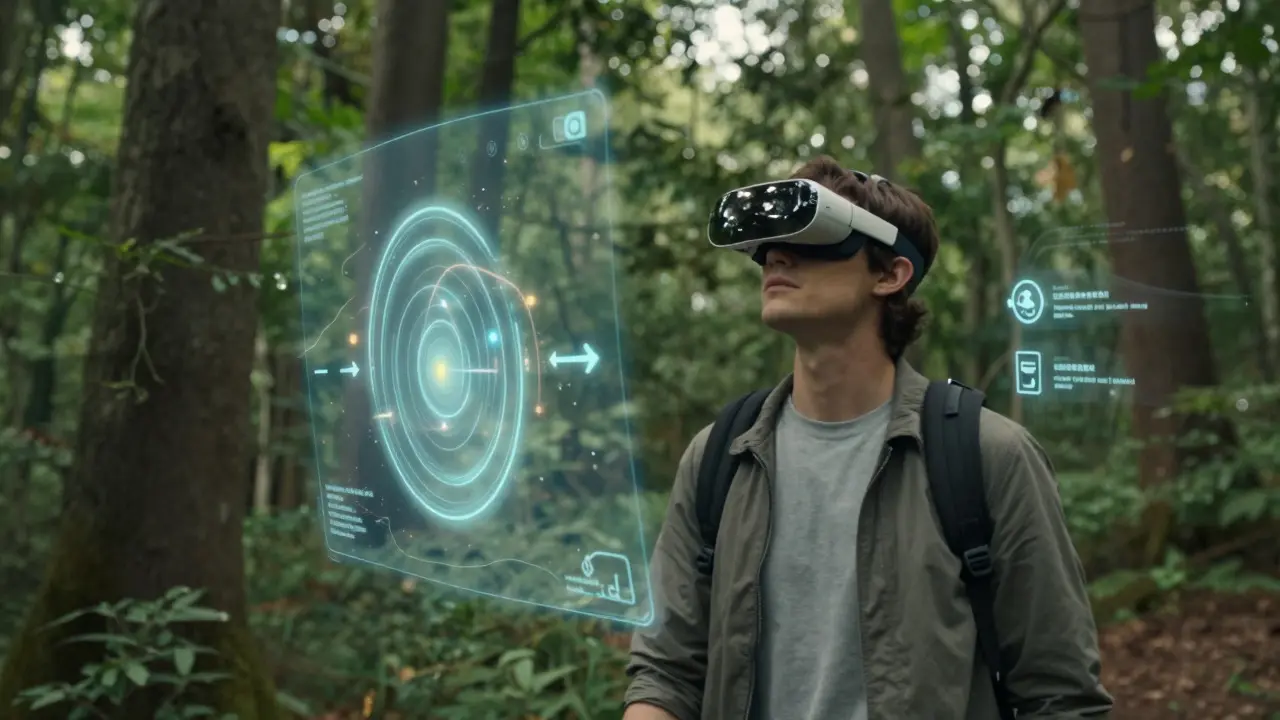
As hardware improves, the line between digital and physical will blur further. With devices like Apple Vision Pro and Meta Quest 3, Spatial Computing promises immersive experiences that could make location-based games even more compelling. Imagine walking through a forest and seeing holographic deer that react to your presence. The immersion will be deeper, and the temptation to stay longer will be stronger. This raises the stakes for digital wellness. Developers must now consider ethical design practices, such as built-in rest reminders and clear visibility indicators for hazards.
Until then, the responsibility falls on the player. We hold the power to decide when the game ends. By understanding the mechanics that hook us, we can choose to play intentionally rather than reactively. The next time you see a rare spawn, ask yourself: Do I want this, or does the game want me to want it? That distinction is the key to enjoying the journey without losing the path.
Are AR games good for mental health?
They can be beneficial by encouraging outdoor activity and social interaction. However, excessive play can lead to distraction, sleep disruption, and compulsive behavior. Balance is key.
What is the safest way to play Pokémon GO?
Walk in well-lit, low-traffic areas. Use audio cues instead of constantly looking at the screen. Play with a friend who can act as a spotter. Avoid playing while crossing streets or in dark alleys.
How do I stop feeling addicted to location-based games?
Set strict time limits using phone settings. Turn off push notifications. Replace some gaming sessions with other hobbies. Remind yourself that the game is optional, not mandatory.
Do all AR games use GPS?
Most location-based AR games rely on GPS for positioning. Some newer titles may use visual markers or Bluetooth beacons, but GPS remains the standard for wide-area navigation.
Is Geocaching better than Pokémon GO for beginners?
Geocaching is often considered safer and less addictive because it doesn't rely on real-time competition or rare digital drops. It's a slower-paced hobby focused on exploration and community, making it a great entry point for location-based activities.