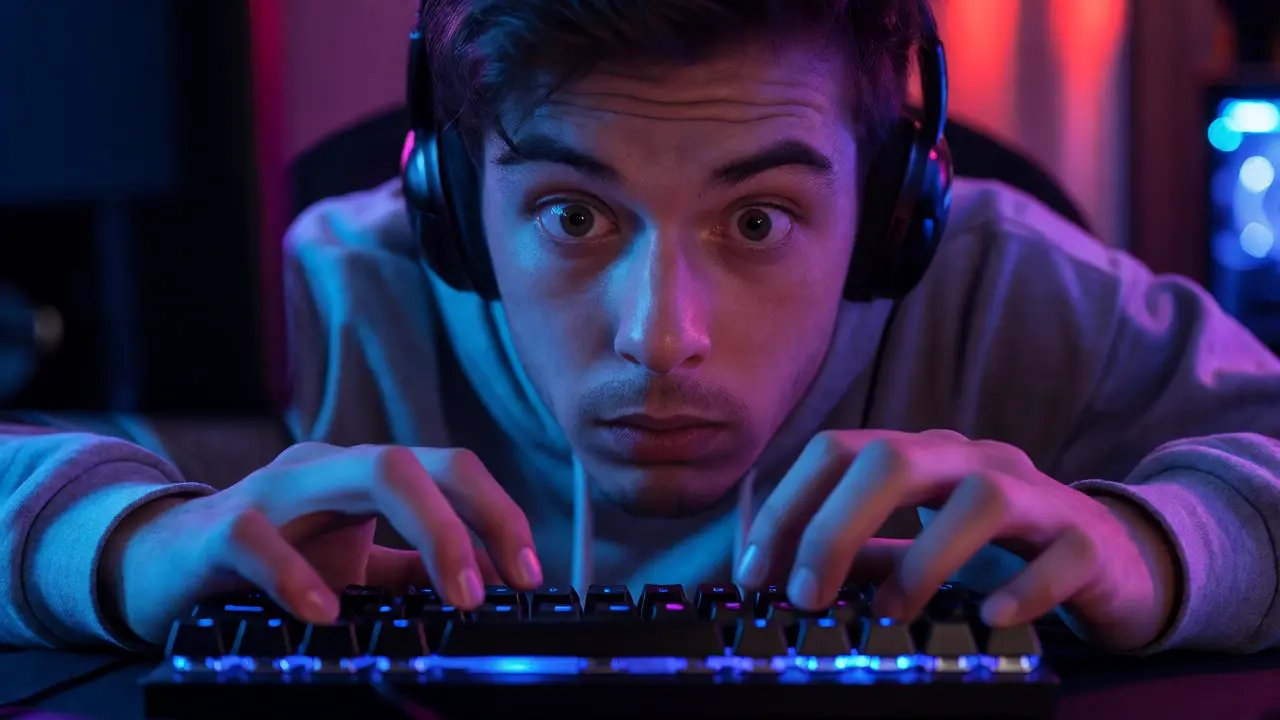
You know that pull. It’s not just boredom; it’s a physical itch behind the eyes when you can’t check your phone or boot up your PC. For millions of people, this isn't just "wanting to play." It's craving, a intense desire or urge to engage in gaming behavior despite negative consequences. If you’re trying to figure out if you or someone you care about has crossed the line from hobbyist to struggling with Gaming Disorder, a pattern of persistent or recurrent gaming behavior characterized by impaired control over gaming, guessing won’t cut it. You need data.
The World Health Organization officially recognized Gaming Disorder in the ICD-11, but they didn’t hand us a single magic test. Instead, clinicians and researchers rely on specific psychometric scales to measure the intensity of cravings. These aren't vague surveys asking, "Do you like games?" They are precise tools designed to capture the frequency, intensity, and interference of those urges. Whether you're a therapist looking for valid instruments or a gamer seeking self-awareness, understanding which questions actually matter is the first step toward clarity.
Why Craving Is the Core Metric
Before we look at the scales, let’s talk about why craving matters more than hours played. Time spent gaming is a poor predictor of disorder. A professional esports player might game 10 hours a day without being disordered because they have control. Conversely, someone playing two hours daily might be suffering if those two hours are consumed by an uncontrollable, desperate need to escape reality.
Craving captures the loss of control. It measures the cognitive preoccupation-the thoughts about gaming when you’re not playing-and the emotional distress when access is restricted. In substance use disorders, craving is a primary diagnostic criterion. The same logic applies here. When you assess craving, you’re measuring the neurological reward system’s hijacking. Your brain starts associating gaming cues (like the sound of a notification or the sight of a controller) with dopamine release. Over time, the cue itself triggers the urge, even before you start playing.
This distinction helps separate high engagement from pathology. High engagement is voluntary and enjoyable. Pathological craving feels mandatory and often leads to relief rather than joy. That subtle shift-from "I want to play" to "I need to play to feel normal"-is what these scales aim to detect.
The Gold Standard: Gaming Craving Scale (GCS)
If there is one instrument you should know, it’s the Gaming Craving Scale (GCS), a multidimensional self-report tool specifically designed to measure the subjective experience of craving in gamers. Developed to address gaps in general addiction scales, the GCS doesn’t just ask how much you want to play. It breaks craving down into three distinct components:
- Relief Craving: Playing to alleviate negative emotions like stress, anxiety, or sadness.
- Anticipatory Craving: Looking forward to the pleasure and excitement of gaming.
- Obsessive Craving: Intrusive thoughts about gaming that interrupt daily life.
Why does this breakdown matter? Because treatment differs based on the type. Someone driven by relief craving might benefit from emotion regulation therapy. Someone with obsessive craving might need cognitive-behavioral strategies to manage intrusive thoughts. The GCS uses a Likert scale (typically 1-5 or 1-7) to rate statements like "I feel restless when I cannot play games" or "I think about gaming even when I am busy."
Research shows the GCS has strong internal consistency and correlates well with other markers of addiction severity, such as withdrawal symptoms and tolerance. It’s brief enough for clinical settings but detailed enough to guide intervention. If you’re looking for a starting point, this is it.
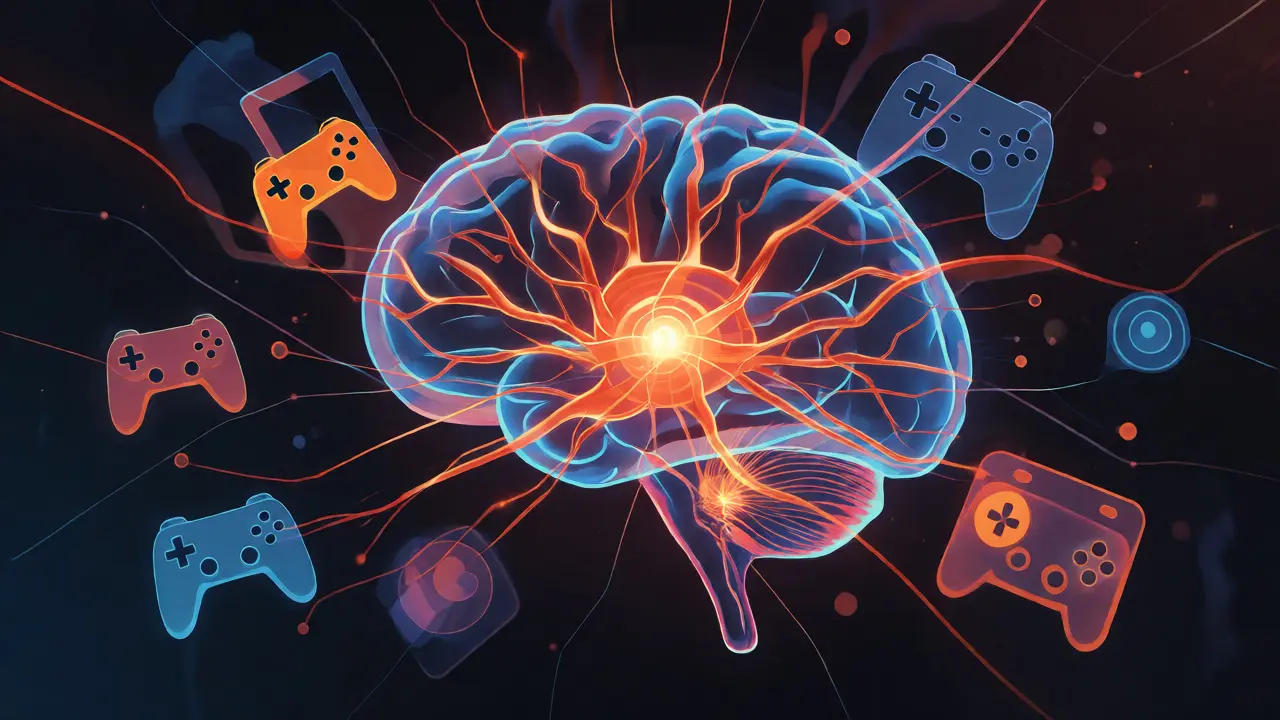
Adapting Substance Use Tools: The QF-Craving
Not every clinic uses gaming-specific tools. Many adapt existing instruments from alcohol and drug research. One common adaptation is the Questionnaire on Frequency of Craving (QF-Craving), an adapted version of standard craving questionnaires tailored for behavioral addictions. This approach leverages decades of validated data on how humans experience urges.
The QF-Craving typically asks about the frequency of craving episodes over the past week or month. It might include items like:
- How often did you think about gaming during the last week?
- How strong was your urge to play when you couldn’t?
- Did you try to resist the urge to play?
The advantage here is comparability. If you’ve treated patients with gambling disorder or internet addiction, using similar metrics makes tracking progress easier across different behavioral issues. However, it lacks the nuanced sub-scales of the GCS. It tells you *how much* craving exists, but less about *why* it exists. For broad screening in large populations, though, its simplicity is a feature, not a bug.
| Scale Name | Primary Focus | Best For | Key Limitation |
|---|---|---|---|
| Gaming Craving Scale (GCS) | Multidimensional (Relief, Anticipatory, Obsessive) | Clinical diagnosis and targeted therapy planning | Newer tool; fewer long-term longitudinal studies |
| QF-Craving (Adapted) | Frequency and Intensity | Broad screening and comparative research | Lacks context on emotional drivers |
| Gaming Addiction Scale (GAS) | General addiction criteria (not craving-specific) | Initial triage for overall disorder presence | Does not isolate craving as a variable |
Distinguishing Craving from Engagement
A major pitfall in assessing gaming disorder is confusing high engagement with pathological craving. The Gaming Addiction Scale (GAS), a widely used instrument based on DSM-5 criteria for substance-related disorders is often used alongside craving scales. While GAS checks for withdrawal, tolerance, and conflict, it doesn’t deeply probe the subjective urge. Using them together provides a fuller picture.
Consider this scenario: Two players both report high scores on the GAS. Player A says, "I get angry if I miss a raid." Player B says, "I feel empty and anxious unless I’m logging in." Both show signs of dependence, but Player B’s language points to deeper craving mechanisms tied to emotional regulation. Without asking specific craving questions, you might treat them identically, missing the root cause for Player B.
Furthermore, context matters. Craving triggered by social isolation is different from craving triggered by achievement loops. Some newer experimental paradigms use cue-reactivity tests-showing participants images of game logos versus neutral objects while monitoring physiological responses like heart rate or skin conductance. While not a standard questionnaire, these methods validate self-reported craving levels. If you’re in a research setting, combining self-report scales like GCS with physiological data yields the most robust assessment.
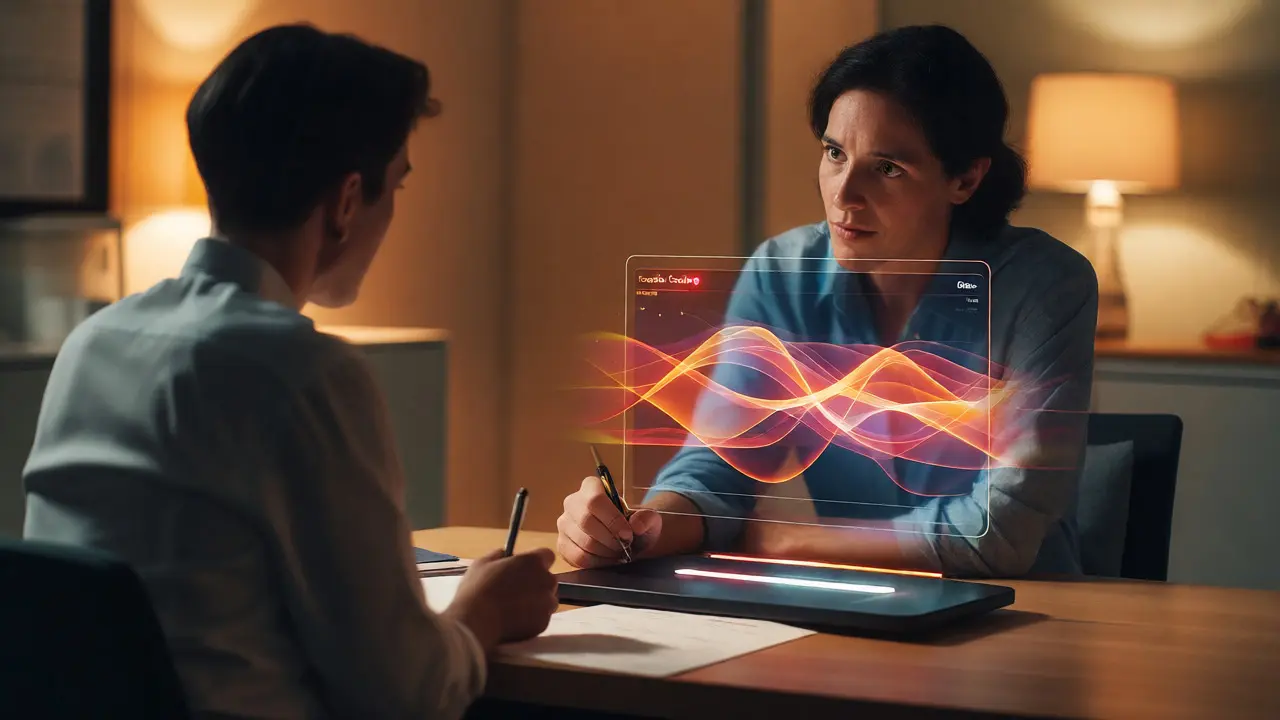
Practical Application: How to Administer These Scales
So, how do you actually use these tools? If you’re a clinician, start with a general screen like the GAS to rule out obvious non-addicts. Then, administer the GCS to those who score above the threshold. Interpret the subscale scores to tailor your conversation. If Relief Craving is high, explore their stressors. If Obsessive Craving dominates, look into attentional biases.
For individuals self-assessing, honesty is critical. These scales rely on introspection. Don’t answer how you think you *should* answer. Answer how you actually feel. Keep a log for a week. Note times when you felt a strong urge to play. Was it after work? During a break? When feeling lonely? Mapping these triggers against your scale results can reveal patterns that a one-time survey misses.
Also, consider the platform. Mobile gaming cravings often differ from PC or console due to accessibility. A mobile gamer might experience more frequent, lower-intensity cravings throughout the day, whereas a console gamer might have fewer, higher-intensity episodes. Some adaptations of craving scales now account for device type, recognizing that the constant availability of smartphones changes the nature of the urge.
Limitations and Future Directions
No scale is perfect. Most current instruments were developed in Western contexts and may not fully capture cultural nuances in gaming habits. For instance, collectivist cultures might express craving differently through social obligation lenses rather than individual escape. Additionally, self-report bias remains a risk. People underreport usage and craving due to stigma.
Emerging technologies offer hope. Wearables can track sleep disruption and heart rate variability, providing objective proxies for withdrawal and craving states. Machine learning models analyzing gameplay logs (time of day, session length, reaction times) are beginning to predict craving episodes before users even realize them. We’re moving from static questionnaires to dynamic, real-time monitoring.
Until then, stick to validated scales. The GCS and adapted QF-Craving provide reliable snapshots. They help quantify the invisible struggle. And quantification is powerful-it turns a vague feeling of "maybe I play too much" into actionable data. If your scores are high, seek professional support. If they’re moderate, experiment with behavioral changes and re-test in a month. The goal isn’t to label yourself, but to understand the mechanics of your own mind.
Is craving always present in Gaming Disorder?
While craving is a core symptom, it isn't always constant. It often fluctuates based on stress levels, environmental cues, and abstinence periods. Some individuals may primarily exhibit loss of control and functional impairment without reporting intense conscious craving, especially in early stages. However, most severe cases involve significant craving.
Can I diagnose myself using online scales?
Online scales like the GCS are useful screening tools but not definitive diagnoses. They indicate likelihood and severity. A formal diagnosis requires a comprehensive evaluation by a mental health professional who considers medical history, co-occurring conditions (like depression or ADHD), and functional impact on daily life.
What is the difference between anticipation and obsession in craving?
Anticipation is the positive expectation of enjoyment from gaming (e.g., "I can't wait to finish this level"). Obsession involves intrusive, unwanted thoughts that interfere with focus (e.g., "I keep thinking about my rank while at work"). High obsession scores are often more strongly linked to clinical disorder than simple anticipation.
Do mobile gamers crave differently than PC gamers?
Yes, potentially. Mobile gaming allows for micro-sessions and constant accessibility, leading to more frequent, shorter-duration cravings triggered by idle moments. PC/console gaming often involves longer preparation and immersion, leading to fewer but more intense craving episodes centered around scheduled sessions or narrative progression.
How accurate are self-reported craving scales?
Self-reports are subject to bias, including social desirability and memory errors. However, validated scales like the GCS have shown good reliability. Combining self-report with objective data (like actual playtime logs or physiological measures) significantly improves accuracy.