
Imagine meeting someone for the first time. You don't see their face, hear their voice, or smell their perfume. You just see a pixelated character and read text bubbles. Yet, after three months of chatting, you feel a deep sense of connection. This is the modern paradox of digital intimacy is a form of emotional bonding formed primarily through digital interfaces rather than physical presence. While it feels real, psychologists are asking if we are falling in love with the person or the avatar is a graphical representation of a user in a virtual environment or online platform.
The Psychology of Digital Projection
When we interact online, our brains fill in the gaps. If your partner’s avatar is cute, kind, or stylish, you project those traits onto them. This is known as parasocial interaction is a one-way relationship where one party develops a psychological bond with a media figure, but in two-way chats, it becomes mutual projection.
Research from Stanford University suggests that people who spend more than four hours daily on visual-heavy platforms like Instagram or TikTok report higher levels of anxiety about their physical appearance compared to those who use text-based apps. The visual nature of the avatar creates a static image. In real life, people move, blink, and change expressions. An avatar stays the same. This consistency can be comforting, leading to a stronger initial attachment because there is no surprise. However, this also means the attachment is based on a curated highlight reel, not the full human experience.
How Avatars Shape First Impressions
Your choice of profile picture or game character sends signals before you say a word. A study by the University of Pennsylvania found that users with symmetrical faces in their photos were perceived as more trustworthy. But what happens when the avatar doesn’t match the reality?
- Curated Perfection: Using filters or idealized avatars sets an expectation that is hard to meet in person.
- Anonymity Bias: When identity is hidden, people often assume the other person shares their own values (the similarity-attraction effect).
- Visual Anchoring: The brain anchors emotional responses to visual cues. If the avatar is 'cool,' you expect the person to be cool.
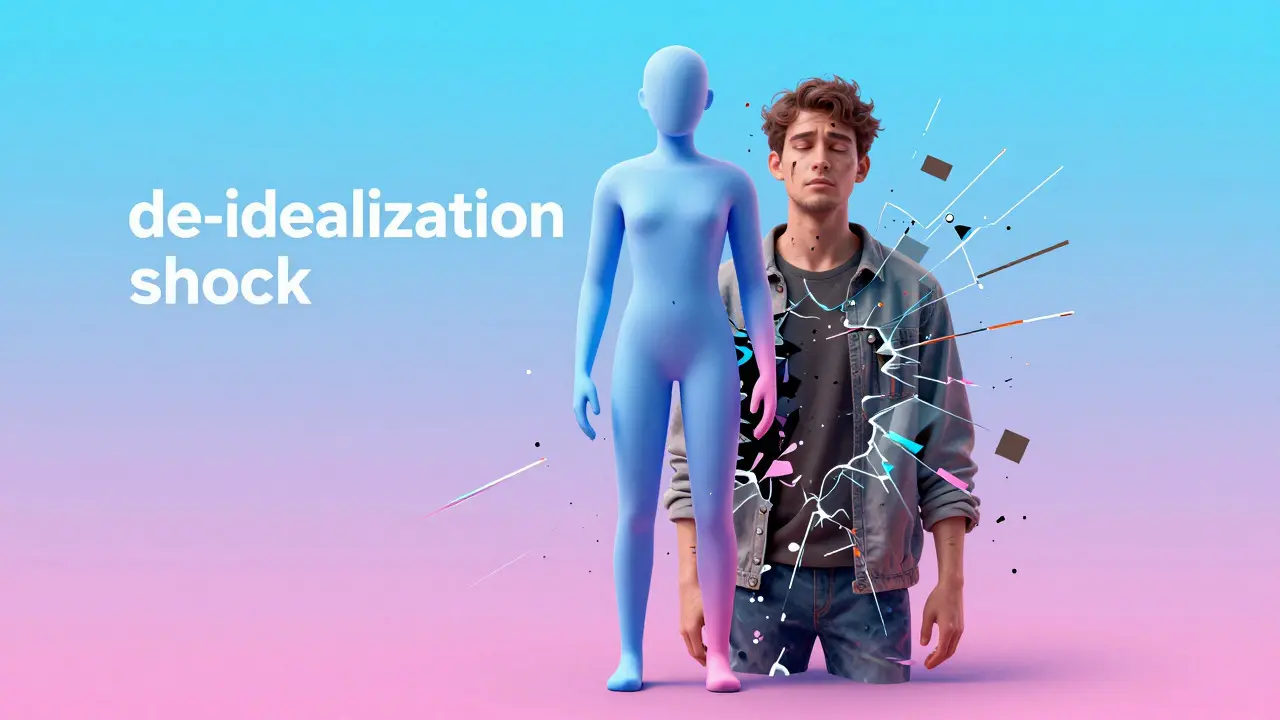
This mismatch can lead to what therapists call 'de-idealization shock.' It’s the moment the real person breaks the fantasy. To avoid this, many couples now do video calls early in the dating process. Seeing the real face reduces the power of the avatar and grounds the attachment in reality.
Attachment Styles in the Digital Age
Attachment theory is a framework describing how humans form emotional bonds, originally developed by John Bowlby still applies online, but the triggers have changed. Securely attached individuals tend to view online communication as a tool for connection. They don’t get anxious if a reply takes two hours.
Anxiously attached individuals, however, may fixate on response times and avatar changes. If a partner changes their profile picture, an anxious partner might worry they are losing interest. This is because the avatar serves as a proxy for availability. In traditional relationships, you know where your partner is. Online, the avatar is the only visible sign of their existence.
| Behavior | Offline Context | Online Context |
|---|---|---|
| Checking Availability | Looking for keys/car | Checking 'last seen' status |
| Rejection Cue | Silent treatment | Unanswered messages |
| Identity Verification | Facial recognition | Profile photo consistency |
| Intimacy Signal | Physical touch | Sharing personal stories |
The Risk of Avatar Dependency
Some people become so attached to their digital persona that they struggle to separate it from their core self. This is particularly common in gaming communities and anonymous forums. If your avatar is a hero in a game, you might start acting like a hero in real life, or conversely, hide behind the avatar to avoid vulnerability.
Dependency on the avatar can lead to social comparison is the process of evaluating oneself against others using social media metrics. You compare your real, messy life to everyone else’s polished digital front. This gap creates dissatisfaction. The key is to remember that the avatar is a costume, not the skin. It’s a tool for expression, not a definition of worth.
Building Healthy Digital Bonds
You don’t need to delete your accounts to save your relationship. Instead, shift the focus from the image to the interaction. Here are practical steps to balance digital and real-world attachment:
- Video Early: Move from text to video within the first two weeks of getting to know someone.
- Discuss Expectations: Talk about how often you’ll check phones and what 'online' means for your availability.
- Limit Visual Triggers: Avoid judging compatibility solely on profile pictures. Focus on conversation depth.
- Regular Offline Dates: Schedule regular face-to-face interactions to ground the relationship in physical reality.
By doing this, you allow the real identity to shine through the digital filter. The goal isn’t to eliminate the avatar, but to ensure it doesn’t eclipse the person behind it.

When to Worry: Signs of Unhealthy Attachment
Not all digital attachment is bad, but some patterns signal trouble. Watch out for these red flags:
- Obsessive Monitoring: Checking your partner’s likes or comments multiple times a day.
- Avatar Anxiety: Feeling insecure every time your partner updates their profile.
- Digital Jealousy: Assuming flirting in DMs is cheating without context.
- Reality Avoidance: Preferring to stay online to avoid awkward in-person moments.
If you find yourself crying over a changed profile picture or feeling angry at a slow reply, it might be time to talk to a therapist. These reactions indicate that the digital layer has become too thick, blocking the real connection.
The Future of Identity in Relationships
As technology evolves, so will our attachments. With the rise of VR headsets and AI companions, the line between avatar and reality will blur further. But human needs remain constant. We crave authenticity, trust, and shared experience. Whether you’re texting on a smartphone or talking in a virtual room, the core of a healthy relationship remains the same: knowing the real person behind the screen.
Is it normal to fall in love with an online avatar?
Yes, it is common. Initial attraction often focuses on visual cues and projected personality traits. The key is to transition quickly to verifying the real identity through video calls and in-person meetings to ensure the attachment is based on the actual person.
How does changing a profile picture affect relationship security?
For individuals with anxious attachment styles, a profile picture change can trigger insecurity because the avatar serves as a primary symbol of the partner's identity and availability. For securely attached individuals, it is usually seen as a minor update with little emotional impact.
What is the best way to reduce digital jealousy?
Establish clear boundaries around digital communication. Agree on what constitutes 'flirting' versus friendly interaction. Regular offline dates help build trust that isn't dependent on monitoring online activity.
Do gamers have different relationship dynamics than non-gamers?
Gamers often develop strong team-based bonds that translate well into cooperative relationship skills. However, they may also prioritize in-game achievements over real-life events, which requires open communication to balance expectations.
Can long-distance relationships suffer from avatar attachment?
Yes, because LDRs rely heavily on digital communication. The risk of idealizing the partner based on limited visual data is higher. Scheduled video calls and sharing mundane daily details help keep the connection grounded in reality.