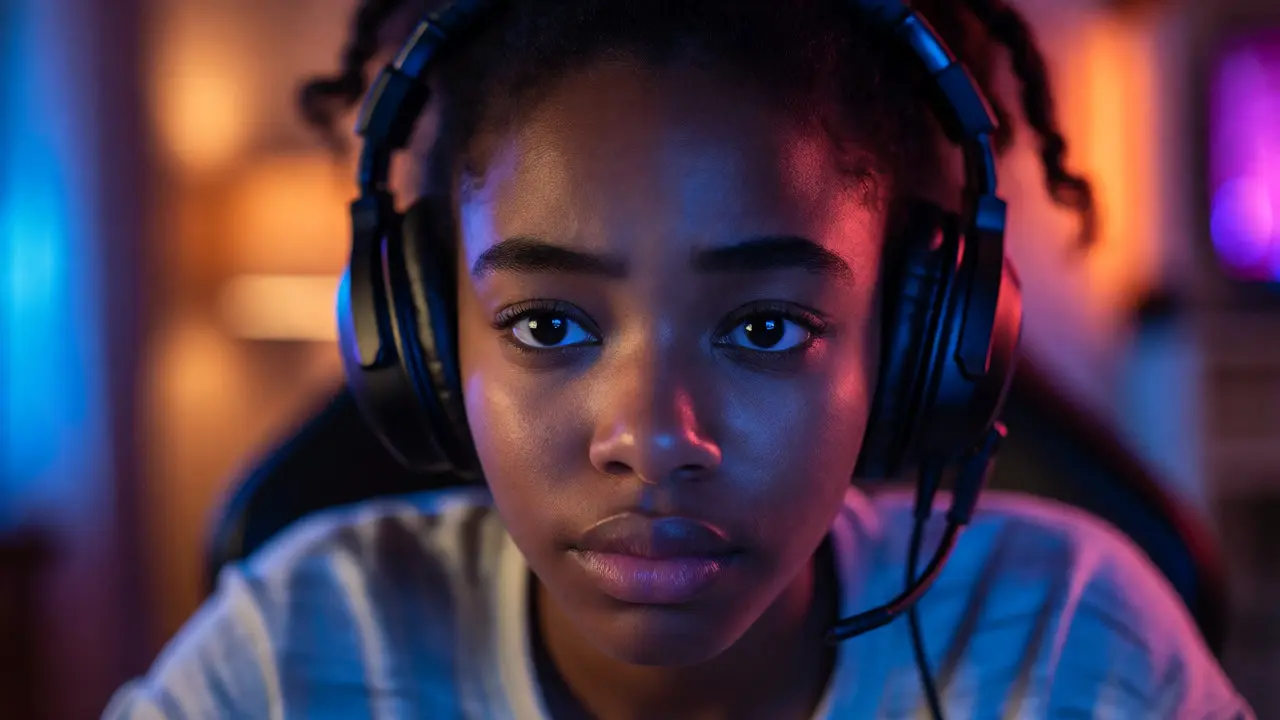
Imagine logging into your favorite MMO after a long week of microaggressions at work. You put on your headset, ready to escape, but instead of finding relief, you’re met with a voice chat full of slurs or the crushing silence of being the only person of color in the raid group. For many BIPOC (Black, Indigenous, and People of Color) gamers, this isn’t just an annoyance-it’s a barrier to using games as a genuine coping mechanism. We often talk about video games as universal escapism, but that universality breaks down when the digital world mirrors the exclusion of the physical one.
If you are a BIPOC gamer struggling with addiction, anxiety, or depression, you might feel like standard recovery advice doesn’t quite fit. Traditional support groups can feel culturally tone-deaf, and mainstream gaming culture sometimes feels hostile. This article explores how representation impacts mental health and what real support looks like for BIPOC players navigating recovery in 2026. We’re not just talking about seeing more diverse characters on screen; we’re talking about building communities where you don’t have to code-switch to survive.
The Double Burden of Digital Spaces
For most people, gaming is a leisure activity. For BIPOC individuals, it can be a site of constant vigilance. Research from organizations like the Entertainment Software Association (ESA) shows that while BIPOC players make up a significant portion of the gaming population, they report higher rates of harassment. When you add the stressors of systemic racism-economic instability, healthcare disparities, and social isolation-to the mix, the stakes get higher.
This creates a unique challenge for recovery. If you use gaming to manage stress, but gaming itself causes stress due to toxicity, you’re stuck in a loop. Many BIPOC gamers report feeling "imposter syndrome" in both their professional lives and their gaming guilds. You might wonder if you belong in the game because you’ve been told all your life you don’t belong in certain spaces. This psychological weight makes it harder to find the joy and flow state that gaming is supposed to provide. Instead of healing, the hobby becomes another place where you have to prove your worth.
Why Representation Matters More Than Tokenism
We’ve seen progress in character diversity. Games like Overwatch and Valorant feature diverse rosters. But does playing as a Black woman in Valorant actually help a Black woman process trauma? Not necessarily. True representation isn’t just about skin color or name tags; it’s about narrative agency and community safety.
Tokenistic representation can actually hurt recovery efforts. It gives companies a badge of "inclusivity" without changing the underlying culture. A player might see a BIPOC protagonist in a single-player RPG and feel seen, but then enter a multiplayer lobby and face immediate racial profiling. This disconnect leads to cognitive dissonance: "The game says I matter, but the players say I don’t." For someone in recovery, this inconsistency can trigger feelings of invalidation. Real support means acknowledging that your experience of the game is different because your lived experience is different.
| Environment Type | Common Stressors | Recovery Impact | Better Alternative |
|---|---|---|---|
| Public Lobbies (e.g., Apex Legends) | Racial slurs, assumption of skill level based on accent/name | High anxiety, avoidance behavior, increased cortisol | Private Discord servers with strict moderation |
| Mainstream Guilds | Cultural erasure, lack of understanding of specific struggles | Feelings of isolation, need to mask identity | Identity-affirming guilds (e.g., BIPOC-specific clans) |
| Single-Player Narrative | Limited social interaction, potential stereotype reinforcement | Mixed; good for decompression, bad for loneliness | Co-op games with trusted friends |
Building Culturally Competent Support Systems
Traditional 12-step programs or therapy models were largely designed by and for white, middle-class men. While effective for many, they don’t always address the racial trauma that compounds addiction. For BIPOC gamers, recovery needs to be intersectional. This means looking for therapists who understand gaming culture and, crucially, who understand race.
Look for providers who practice cultural humility. They shouldn’t assume that your gaming habit is just "avoidance." For some BIPOC individuals, gaming is one of the few places where they can control their environment. A skilled therapist will explore why the virtual world feels safer than the real one. Is it the anonymity? The meritocracy of skill? Understanding these drivers helps tailor recovery plans that respect your autonomy rather than pathologizing your coping mechanisms.
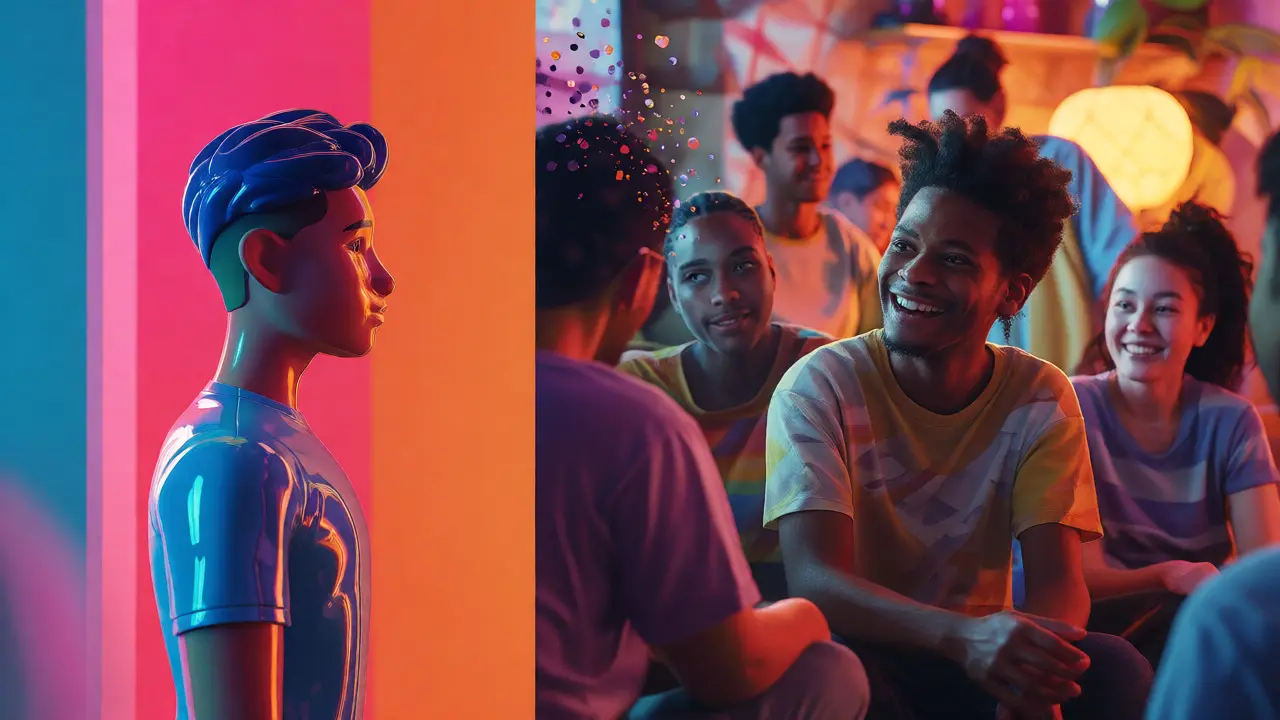
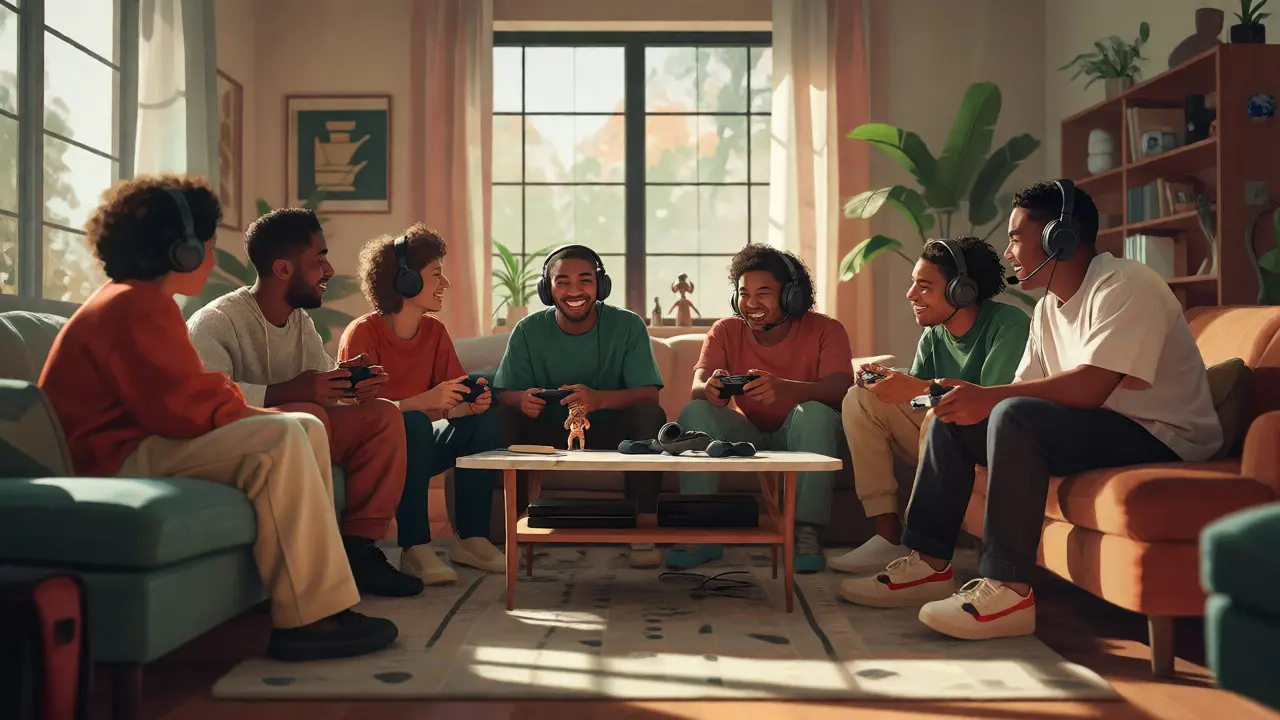
Community-based solutions are also rising. Organizations like Black Girl Gamers and Indigenous Game Developers Alliance aren’t just networking groups; they are safe havens. Joining a server specifically for BIPOC players allows you to drop the mask. You don’t have to explain why a certain joke hurts. You don’t have to defend your right to play. This reduction in social friction frees up mental energy that can be redirected toward healing.
Practical Strategies for Safer Gaming
You don’t have to quit gaming to recover. In fact, quitting might remove your primary source of joy. Instead, curate your experience. Here are concrete steps to make gaming a healthier part of your recovery journey:
- Audit Your Servers: Move away from open public chats. Use tools like Discord to create private channels with friends who share your background or values. Set clear rules against hate speech and enforce them.
- Practice "Intentional Play": Before launching a game, ask yourself: "Am I playing to connect, to compete, or to numb?" If the answer is numb, set a timer. Awareness breaks the autopilot cycle of addictive behaviors.
- Find Identity-Affirming Content: Follow streamers and content creators who look like you. Seeing successful, happy BIPOC gamers validates your presence in the space. Channels featuring creators like HasanAbi or TeePik can offer a sense of belonging even if you’re just watching.
- Set Boundaries with Toxicity: Learn to mute aggressively. You do not owe anyone an explanation for leaving a lobby. Protecting your peace is a recovery skill.
The Role of Industry Accountability
While individual strategies help, systemic change is needed. Game developers must move beyond performative diversity. This means hiring BIPOC writers, designers, and community managers who can shape authentic narratives. It also means better reporting tools for harassment. Current systems often require victims to relive the trauma by recording clips or writing detailed reports. Automated AI moderation that understands context and cultural nuance is improving, but human oversight remains critical.
As consumers, we have power. Supporting studios that prioritize inclusive design sends a market signal. When a game features robust accessibility options and anti-harassment protocols, it becomes a viable tool for mental wellness. Conversely, ignoring toxic communities pushes players out of the ecosystem entirely. The industry has a responsibility to ensure that "gaming for everyone" isn’t just a slogan, but a structural reality.
Looking Forward: A Holistic Approach
Recovery for BIPOC gamers isn’t about choosing between your identity and your hobby. It’s about integrating them. It’s about recognizing that your resilience in the face of online toxicity is a strength, not a flaw. By seeking out supportive communities, engaging with culturally competent care, and holding platforms accountable, you can reclaim gaming as a source of empowerment.
The landscape is shifting. More BIPOC-led guilds are forming. More therapists are specializing in digital wellness. The conversation is moving from "Is gaming bad for you?" to "How can gaming be better for you?" That shift is everything. It puts the power back in your hands. You get to decide what healthy looks like for you, within a framework that respects your whole self.
Does playing video games worsen racial trauma?
It depends on the environment. Unmoderated public lobbies can exacerbate racial trauma through harassment and stereotyping. However, curated spaces with supportive peers can mitigate these effects and provide a sense of belonging. The key is controlling the social input during gameplay.
Are there specific support groups for BIPOC gamers?
Yes. Organizations like Black Girl Gamers, Latinx in Gaming, and various local meetups offer dedicated spaces. Additionally, many modern therapy practices now offer specialized groups for gamers dealing with addiction or anxiety, which can be filtered for cultural competence.
How can I find a therapist who understands gaming?
Look for keywords like "digital wellness," "gaming addiction," or "online community" in therapist profiles. During initial consultations, explicitly ask if they have experience treating clients whose primary interest or coping mechanism is gaming. A good therapist will not dismiss the medium but explore its role in your life.
What is tokenism in gaming representation?
Tokenism occurs when diverse characters are included superficially without meaningful development or when marketing highlights diversity while the actual player community remains hostile. It provides the appearance of inclusion without the substance of equity, which can lead to frustration for BIPOC players.
Can gaming be a valid form of self-care?
Absolutely. When done intentionally, gaming can reduce stress, foster social connection, and provide a sense of achievement. For BIPOC individuals, it can also serve as a space for identity exploration free from real-world prejudices, provided the environment is safe and moderated.