Quick Takeaways
- Game design now uses specific neurobiological triggers to maximize player retention.
- Dopamine loops and variable rewards can lead to compulsive behaviors similar to gambling.
- The ethical debate centers on player autonomy versus developer profit.
- Cognitive load management is being used to keep players in a state of 'flow' for hours.
The Mechanics of Brain Hacking in Games
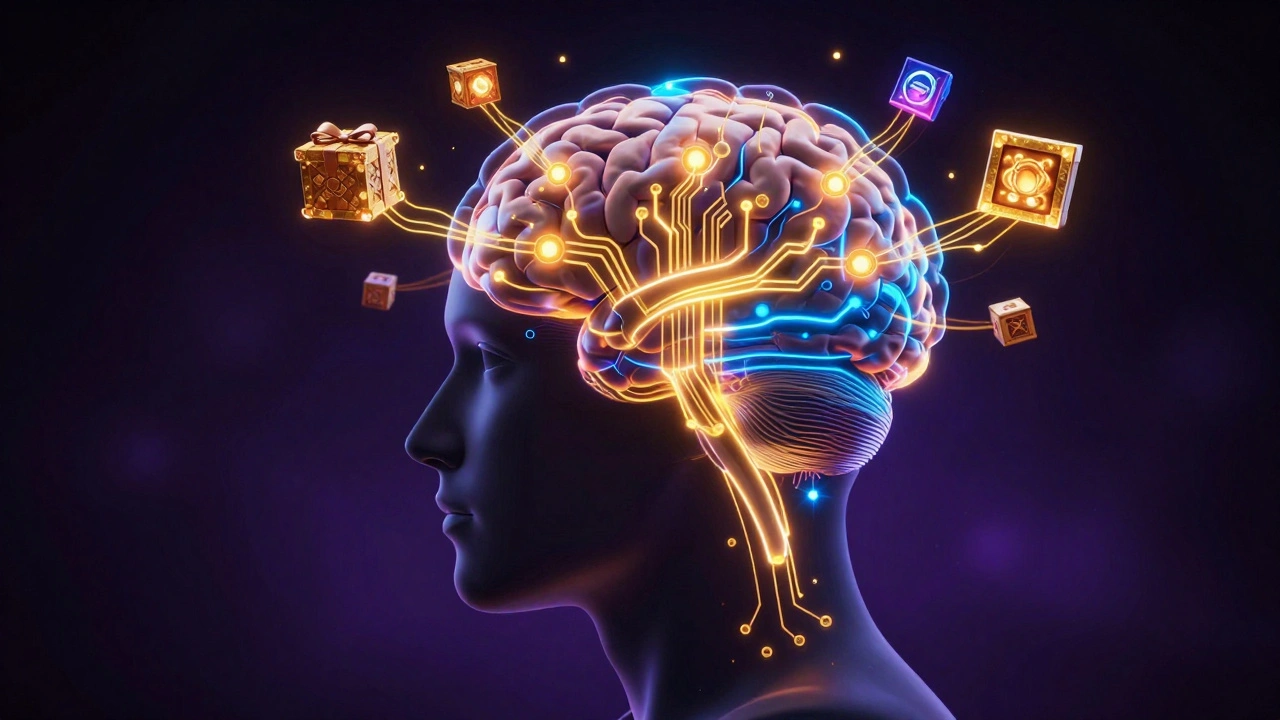
When we talk about brain hacking is the practice of using external stimuli-in this case, game mechanics-to manipulate the brain's neurochemistry and cognitive processes, we are usually talking about the reward system. Most modern games are built around the Dopamine system. This neurotransmitter isn't actually about pleasure; it's about anticipation. When you see a "loot box" or a shimmering rare item, your brain releases dopamine, driving you to take action to get the reward.
Developers use a technique called a "variable ratio schedule." This is the same logic used in slot machines. If you knew exactly when the reward was coming, you'd get bored. But when the reward is unpredictable, the brain stays locked in. You've probably felt this in a game like Genshin Impact or Diablo, where you keep grinding for that one specific item. Your brain is being hacked to value the pursuit more than the actual prize.
This isn't just about loot. It's about the Prefrontal Cortex, the part of your brain responsible for decision-making and impulse control. By overloading a player with flashing lights, urgent sounds, and rapid-fire rewards, games can effectively "quiet" the prefrontal cortex, making it harder for you to decide to put the controller down and go to sleep.
The Flow State: Engagement or Entrapment?
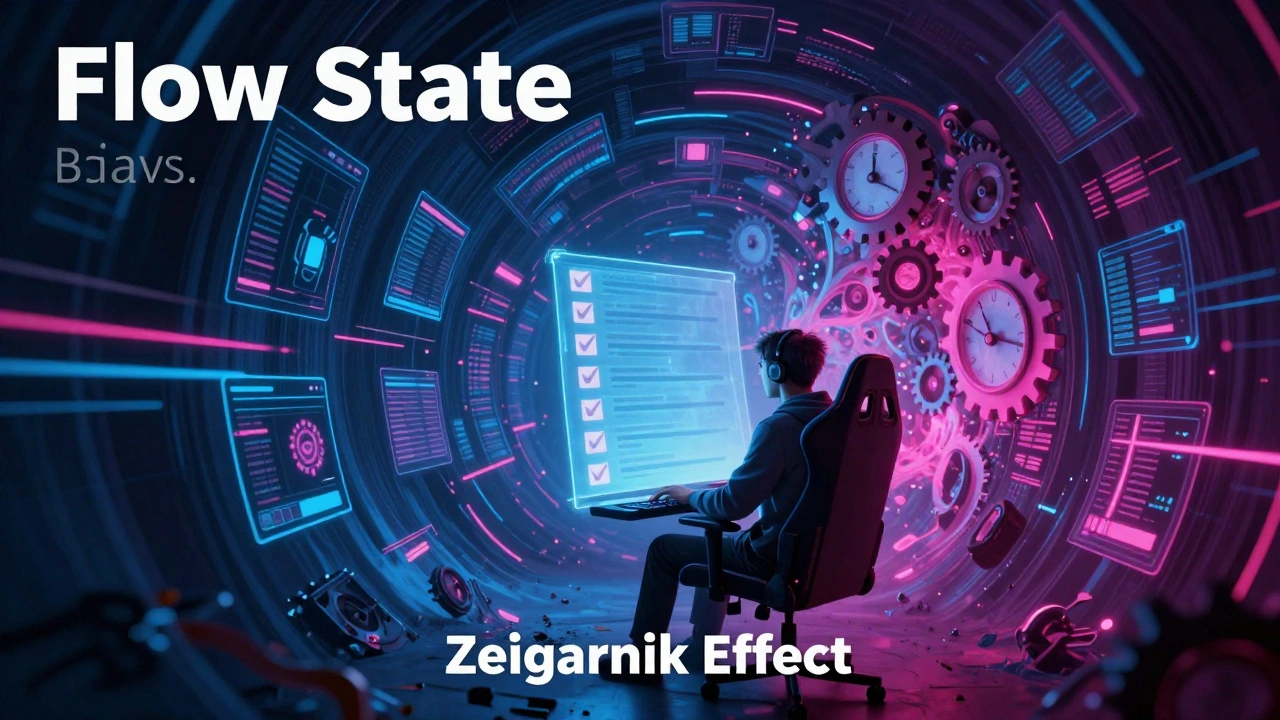
Ever looked at the clock and realized four hours disappeared while you were playing? You were likely in a Flow State, a psychological phenomenon where a person is fully immersed in an activity. In game design, this is achieved by balancing the challenge of the task with the skill of the player. If it's too easy, you're bored; too hard, and you're frustrated.
While flow feels great, the neuroethical problem arises when designers use it to create "dark patterns." These are design choices that trick users into doing things they didn't intend to do. For example, using a Daily Quest system creates a psychological obligation. It transforms a hobby into a chore, utilizing the "Zeigarnik Effect"-the tendency to remember uncompleted tasks better than completed ones. Your brain literally feels a tension until that daily checklist is cleared.
When we combine flow with these obligation-based mechanics, we aren't just making a game; we are creating a behavioral loop that is incredibly hard to break. This is where the hacking moves from "engaging" to "manipulative."
The Neuroethics of Player Autonomy
The core of Neuroethics is the study of the ethical implications of neuroscience and the manipulation of the brain. In gaming, the biggest question is: do players still have autonomy when the game is designed to bypass their conscious will?
Consider the use of "near-misses." In many gambling-style game mechanics, the game will show you that you *almost* won the jackpot. Neurobiologically, a near-miss is processed similarly to a win. It triggers a massive surge of dopamine and a desire to try again immediately. If the game is intentionally simulating a near-miss to keep you spending money, is that fair play or is it a violation of cognitive liberty?
There is a significant power imbalance here. On one side, you have a player. On the other, you have a team of data scientists and behavioral psychologists using Big Data to track every single click, pause, and failure in real-time. They can A/B test which color of a button makes a player more likely to spend $0.99. When a system knows your neural triggers better than you do, your "choice" to keep playing is no longer a free one.
Comparing Brain Hacking Techniques
| Technique | Target Neural Process | Desired Outcome | Ethical Risk |
|---|---|---|---|
| Loot Boxes | Dopamine / Reward System | Compulsive Engagement | Gambling Addiction |
| Daily Streaks | Zeigarnik Effect / Loss Aversion | Consistent Daily Login | Obligatory Play / Burnout |
| Dynamic Difficulty | Flow State (Prefrontal Cortex) | Prolonged Play Session | Loss of Time Awareness |
| Near-Misses | Dopamine / Anticipation | Increased Spending/Retries | Cognitive Manipulation |

The Role of the Limbic System in Monetization
Most of the "hacking" happens in the Limbic System, the part of the brain that handles emotion and survival instincts. Monetization strategies often trigger "Fear of Missing Out" (FOMO). Limited-time offers or seasonal skins create a sense of urgency. This triggers a stress response in the amygdala, which overrides the logical reasoning of the prefrontal cortex.
When you see a timer counting down on a special offer, your brain switches from "Do I actually want this?" to "I can't let this opportunity slip away!" This is a textbook example of bypassing the rational mind to trigger an emotional purchase. When these tactics are baked into the core loop of a game, the game stops being a piece of art and starts becoming a delivery system for behavioral modification.
This is especially concerning when targeting younger audiences. The adolescent brain is still developing its impulse control mechanisms. By exposing teenagers to these high-frequency reward loops, developers may be inadvertently shaping their reward processing systems for the long term, potentially making them more susceptible to addiction in other areas of life.
Pathways Toward Ethical Game Design
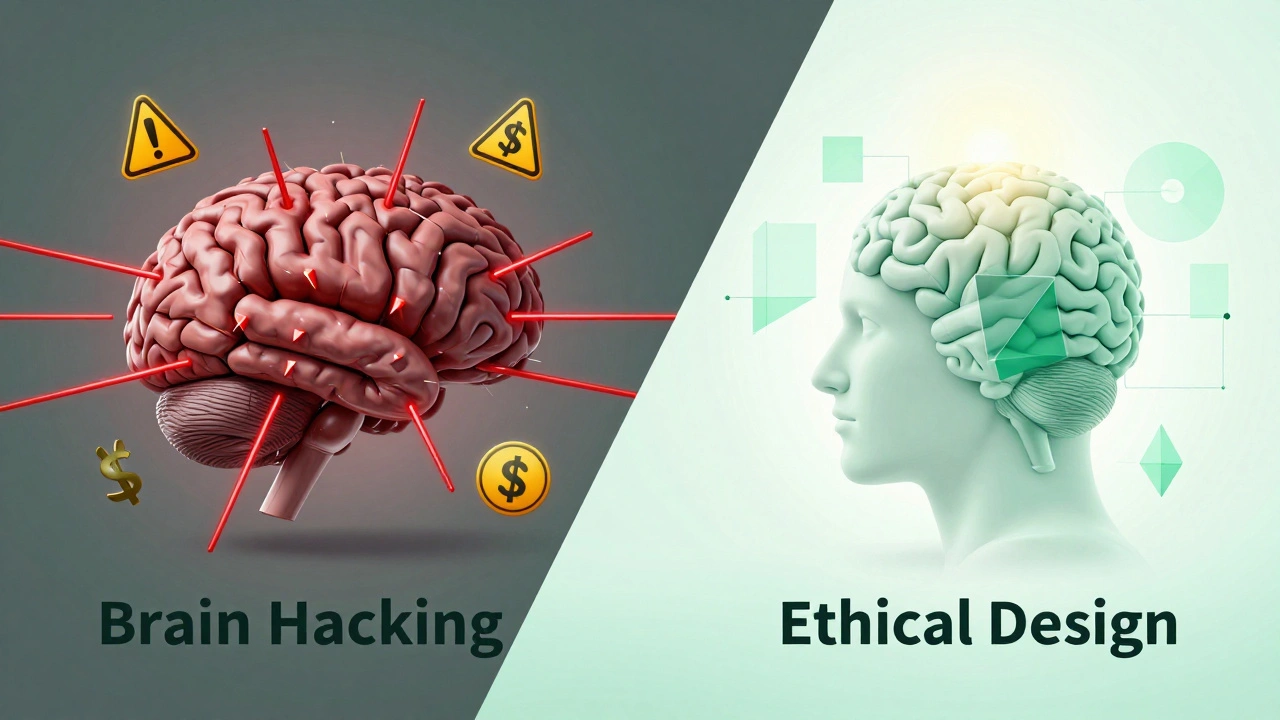
So, how do we fix this without making games boring? The answer lies in "Transparent Design." Instead of hiding the odds of a loot box or using deceptive timers, developers can be honest about the mechanics. Ethical design means respecting the player's time and cognitive health over maximizing "Average Revenue Per User" (ARPU).
Some studios are starting to implement "well-being" features, such as mandatory break reminders or spending caps. However, these are often superficial fixes. A truly ethical approach would involve moving away from the Skinner Box model-where a subject is rewarded for repetitive behavior-and returning to goal-oriented, skill-based progression.
We need a new standard for gaming ethics that treats the human brain as a protected entity. Just as there are regulations on how pharmaceutical companies market drugs, we may need regulations on how behavioral psychologists are used to design digital experiences. The goal should be to enhance the human experience, not to harvest human attention for profit.
What exactly is brain hacking in the context of games?
Brain hacking in games refers to the use of specific psychological and neurobiological triggers-like unpredictable reward schedules, FOMO, and flow-state manipulation-to influence a player's behavior and keep them engaged for longer than they originally intended, often bypassing their conscious decision-making process.
Is the "Flow State" actually harmful?
Flow itself is a positive, productive state of mind. It becomes an ethical issue when designers use it to create "time sinks" or combine it with addictive mechanics, effectively trapping the player in a loop where they lose track of time and neglect real-world responsibilities.
Why are loot boxes compared to gambling?
Loot boxes use a variable ratio reinforcement schedule, which is the same mechanism used in slot machines. The uncertainty of the reward triggers more dopamine release than a guaranteed reward, creating a compulsive loop that mimics the neural patterns seen in gambling addictions.
Can brain hacking lead to long-term changes in the brain?
While one game won't permanently change your brain, prolonged exposure to high-dopamine, low-effort reward loops can desensitize the brain's reward system. This can make real-world achievements-which take more effort and time-feel less satisfying by comparison.
How can players protect themselves from these tactics?
The best defense is awareness. Recognizing when a game is using a "near-miss" or a "daily streak" to manipulate you allows you to engage your prefrontal cortex and make a conscious decision about whether to continue playing. Setting strict time limits and avoiding games with predatory monetization are also effective strategies.