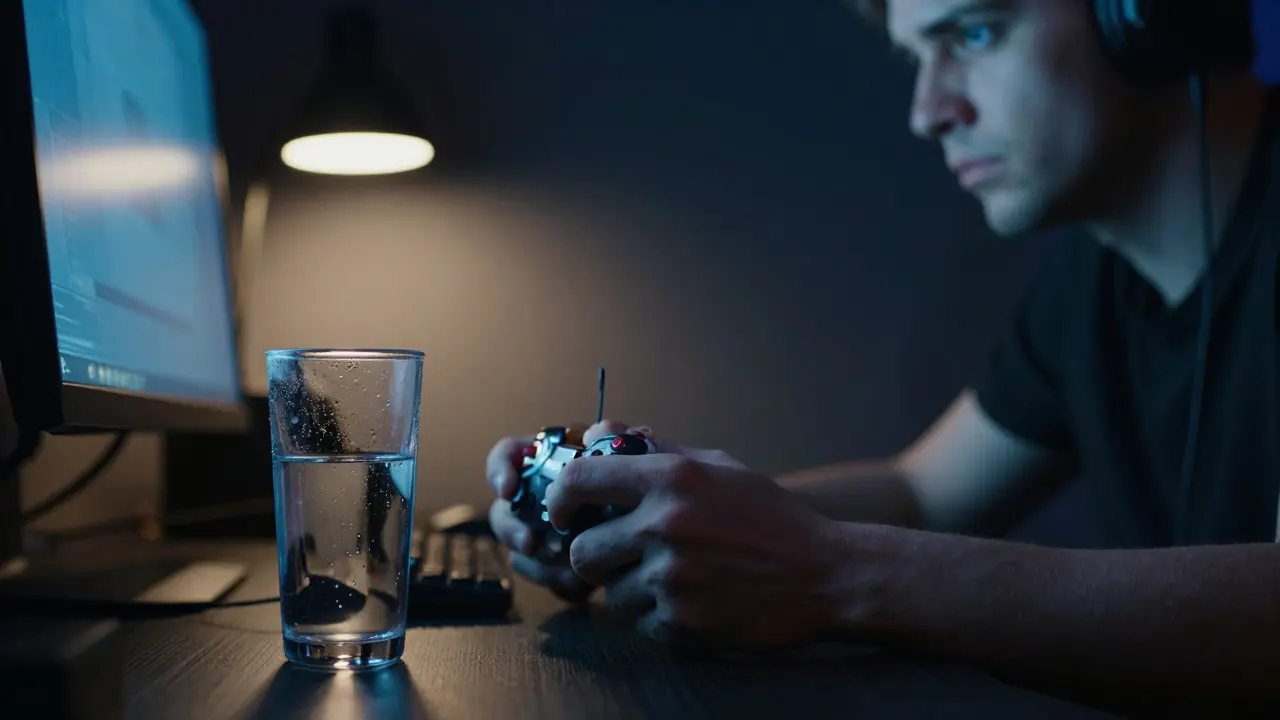
It’s 2:00 AM. Your eyes are burning, but the next round is just starting. You reach for that cold can of energy drinka beverage containing high levels of caffeine and sugar designed to boost alertness, hoping it will keep you sharp until sunrise. For many gamers, this is a nightly ritual. But while caffeine feels like fuel, too much of it at the wrong time turns into a biological tax on your body. The problem isn’t just feeling tired the next day; it’s how chronic caffeine misuse disrupts your nervous system, cardiovascular health, and long-term cognitive performance.
The Biological Clock vs. The Caffeine Spike
Your body runs on a circadian rhythm, a 24-hour internal clock that regulates sleep-wake cycles. This system relies on two main drivers: light exposure and the buildup of adenosine, a chemical that makes you feel sleepy as the day goes on. Caffeine works by blocking adenosine receptors in your brain, effectively hiding the signal that says "you're tired." However, when you consume high doses of caffeine late at night, you aren't just staying awake; you're forcing your brain to ignore its natural maintenance schedule.
The issue arises because caffeine has a half-life of roughly five to six hours in most adults. If you drink a strong coffee or an energy drink at 10 PM, half of that caffeine is still active in your bloodstream at 3 AM. By the time you finally fall asleep, your body hasn't cleared the stimulant, leading to fragmented sleep. You might think you slept eight hours, but if your deep sleep stages were interrupted by residual caffeine, your brain didn't get the restorative work done. This creates a cycle where you need more caffeine the next day to fight the accumulated fatigue, known as sleep debt.
Cardiovascular Strain During Intense Sessions
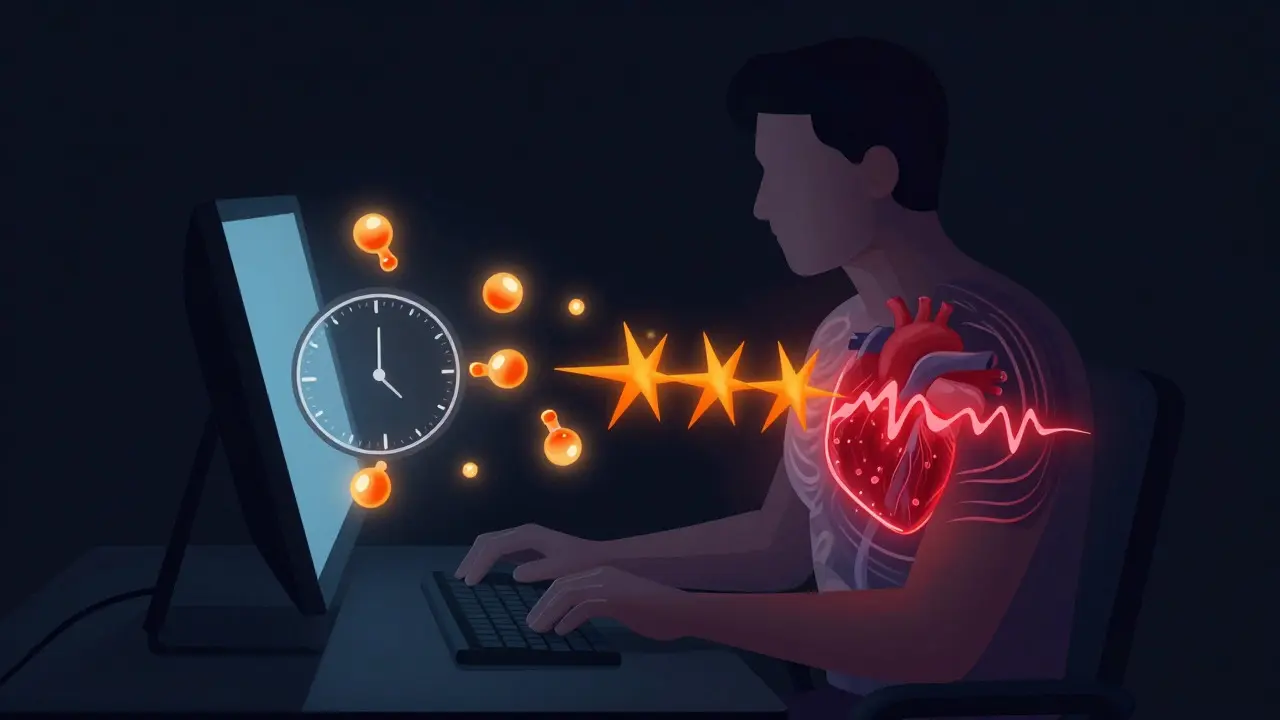
Gaming often involves intense focus and rapid reactions, which naturally elevate your heart rate and blood pressure. Add caffeine to the mix, and you create a compounding effect on your cardiovascular system. Caffeine stimulates the release of adrenaline, a hormone that prepares your body for "fight or flight." While useful in short bursts, sustained elevation due to late-night caffeine intake keeps your heart working harder than necessary during periods of relative physical inactivity (sitting).
For some players, this manifests as palpitations or anxiety spikes during clutch moments. In severe cases, excessive caffeine combined with stress hormones can lead to irregular heart rhythms. It’s not just about feeling jittery; it’s about the cumulative wear and tear on your arteries and heart muscle. If you notice your resting heart rate creeping up higher than usual in the morning, even after sleeping, that’s a sign your cardiovascular system is under strain from poor timing of stimulant intake.
Cognitive Decline: The Paradox of Staying Awake
You play games to sharpen your reflexes and decision-making skills, right? Chronic caffeine overuse does the opposite. While caffeine provides a temporary boost in attention, relying on it to stay awake past your natural bedtime impairs executive function. Studies on sleep deprivation show that after 24 hours without proper rest, your reaction times slow down significantly, comparable to having a blood alcohol concentration of 0.10%. Caffeine masks this impairment, making you *feel* alert while your processing speed actually drops.
This leads to what we call "micro-sleeps"-brief lapses in attention that last only a second or two. In a fast-paced shooter or competitive MOBA, one micro-sleep can mean missing a crucial shot or failing to rotate in time. Furthermore, lack of deep sleep impairs memory consolidation. Skills you practice during these all-nighters don’t stick as well as they would if you had rested properly. So, you’re spending hours grinding, but your brain is retaining less of the improvement than you think.
Digestive Discomfort and Dehydration
Let’s talk about the gut. Caffeine stimulates gastric acid production and increases motility in the colon. When you combine this with late-night snacking-often salty chips or sugary snacks common in gaming sessions-you set the stage for digestive issues. Many gamers report bloating, acid reflux, or urgent bathroom needs in the middle of a ranked match. This isn’t just uncomfortable; it breaks your flow state.
Additionally, caffeine is a mild diuretic, meaning it increases urine output. While you don’t necessarily become clinically dehydrated from a few cups of coffee, the combination of reduced fluid retention and sitting for hours without moving can lead to headaches and dry mouth. Keeping a bottle of water nearby and alternating sips of water with your caffeinated beverages helps mitigate this, but it requires conscious effort that is easy to forget when you’re locked into a game.
Comparing Sources: Coffee vs. Energy Drinks
Not all caffeine sources are created equal, especially regarding their impact on late-night gaming. Here is how common options stack up:
| Source | Average Caffeine Content | Additional Ingredients | Sleep Impact Risk |
|---|---|---|---|
| Espresso Shot | 63 mg | None significant | Moderate (if consumed late) |
| Brewed Coffee (8 oz) | 95 mg | Antioxidants | Moderate-High |
| Energy Drink (12 oz) | 80-160 mg | Sugar, Taurine, B-Vitamins | High (due to sugar crash + high dose) |
| Pre-Workout Powder | 150-300 mg | Beta-alanine, Citrulline | Very High (designed for peak intensity) |
Note that pre-workout supplements are particularly risky for late-night use because they contain compounds like beta-alanine, which can cause tingling sensations (paresthesia) that distract from gameplay. Energy drinks often contain added sugars that spike your blood glucose followed by a crash, leaving you feeling groggy hours later, exactly when you want to be winding down.
Strategies for Safer Late-Night Play
If you must game late, here are practical steps to reduce the health risks associated with caffeine overuse:
- Set a Caffeine Curfew: Stop consuming caffeine at least 6-8 hours before your target bedtime. If you want to sleep at 2 AM, cut off caffeine by 6 PM.
- Switch to Decaf After Midnight: If you need a warm drink for comfort, switch to decaf herbal tea or hot chocolate. The ritual matters, but the stimulant doesn’t.
- Hydrate Aggressively: Drink one glass of water for every cup of coffee or energy drink. Keep the water bottle within arm's reach.
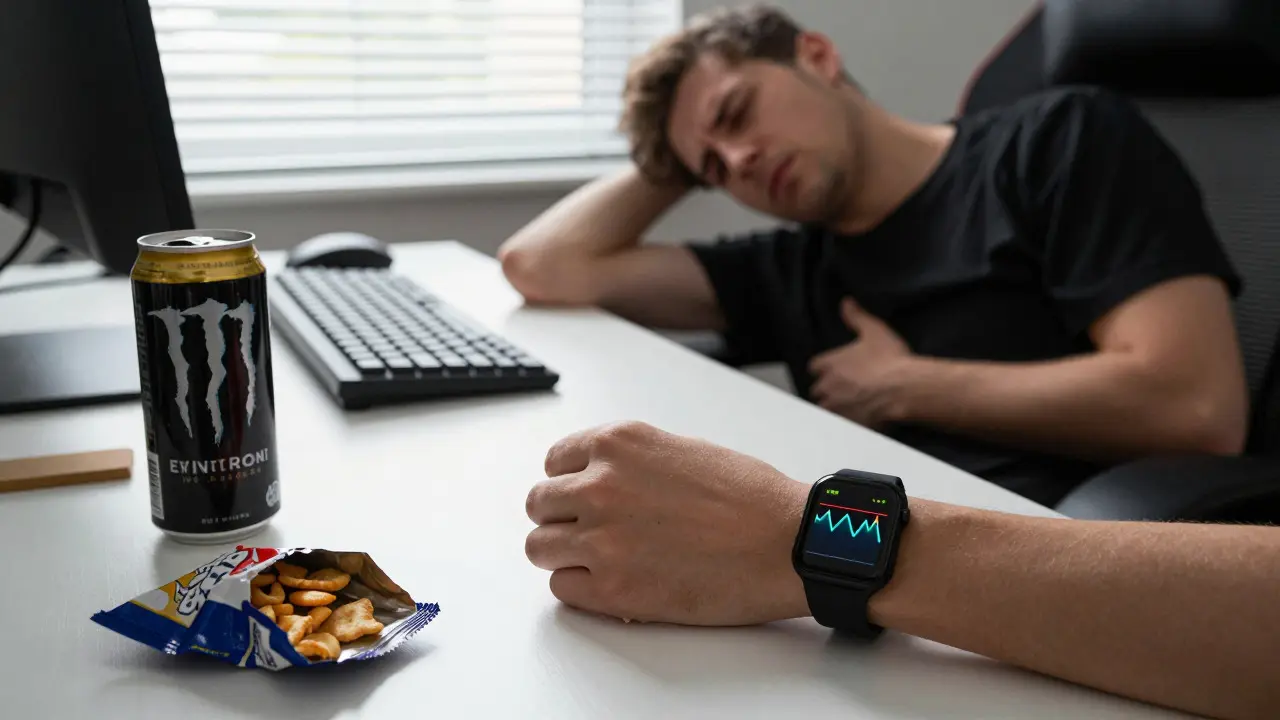
- Monitor Heart Rate: Use a smartwatch or fitness tracker to monitor your resting heart rate. If it’s consistently elevated in the morning, reduce your evening caffeine intake.
- Limit Session Length: Take a 10-minute break every hour. Stand up, stretch, and look away from the screen. This resets your focus without needing chemical stimulants.
Frequently Asked Questions
Is it safe to drink energy drinks every night?
Drinking energy drinks every night is generally not recommended due to the high sugar content and variable caffeine dosages. While occasional use is fine, daily consumption can lead to tolerance, meaning you need more to get the same effect, which increases the risk of cardiovascular strain and sleep disruption. It is better to limit them to special occasions or tournaments rather than making them a nightly habit.
How much caffeine is too much for a gamer?
The FDA suggests that up to 400 mg of caffeine per day is safe for most healthy adults. However, for late-night gamers, the timing matters more than the total amount. Consuming more than 200 mg within 6 hours of bedtime significantly increases the likelihood of sleep fragmentation. Individual sensitivity varies, so pay attention to how your heart rate and sleep quality change based on your intake.
Does caffeine actually improve gaming performance?
Caffeine can improve short-term alertness and reaction time, but only if you are not already sleep-deprived. If you are well-rested, caffeine offers a modest boost. However, if you are running on 4 hours of sleep, caffeine masks the fatigue without restoring cognitive function. In fact, studies show that sleep-deprived individuals perform worse on complex tasks despite caffeine intake compared to those who are rested and unmedicated.
What are the signs of caffeine dependence?
Signs include headaches, irritability, and extreme fatigue when you skip your usual morning dose. You may also find that your baseline level of alertness has dropped, requiring caffeine just to feel "normal." If you feel physically unable to start your day without a cup of coffee or energy drink, you may have developed a physiological dependence that impacts your overall health.
Can I quit caffeine cold turkey?
You can, but it is often difficult due to withdrawal symptoms like headaches and brain fog that last 2-9 days. A gradual taper is usually more effective. Reduce your daily intake by 25% every few days until you reach zero. This allows your adenosine receptors to reset slowly, minimizing discomfort while helping you regain natural energy levels.