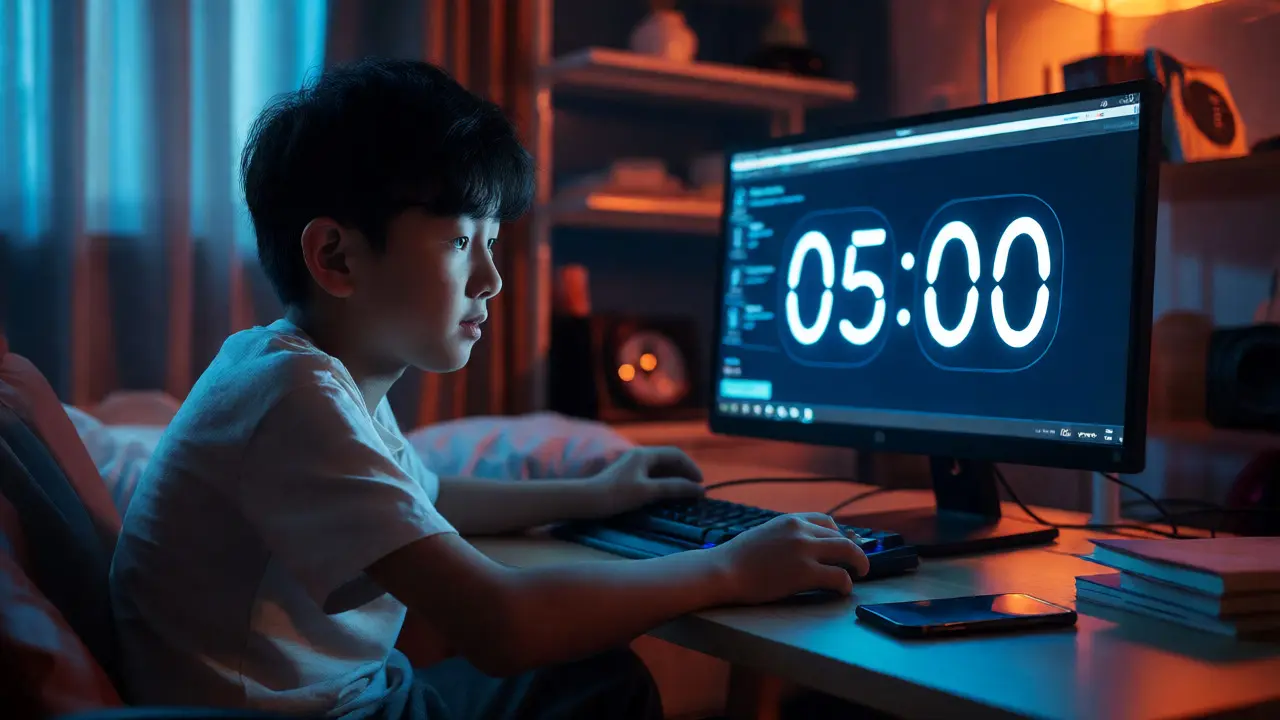
Imagine logging into your favorite online shooter only to find a countdown timer ticking away your remaining minutes. This isn't a hypothetical scenario for millions of young people in China; it is their daily reality. The country has implemented what many experts consider the most aggressive government intervention in the history of interactive entertainment. If you are a parent worried about screen time, a developer eyeing the Asian market, or just curious about how far a state can go to curb digital habits, understanding these rules is crucial.
The core issue driving these policies is gaming addiction, which Chinese health authorities officially recognized as a clinical condition in 2019. Unlike Western approaches that often focus on parental controls or industry self-regulation, Beijing took a top-down legislative approach. The goal was clear: reduce the negative impact of excessive play on physical health, academic performance, and social development among minors. But did it work? And more importantly, how do these strict restrictions compare to other countries?
Who Is Affected by the Rules?
The regulations primarily target users under the age of 18. While adults face fewer direct legal constraints, the cultural pressure and platform-level changes affect everyone. The National Press and Publication Administration (NPPA) is the regulatory body responsible for enforcing these laws. They don't just suggest guidelines; they issue binding orders that tech giants like Tencent and NetEase must follow or risk losing their operating licenses.
It’s not just about playing games at home. The rules extend to internet cafes and mobile devices. If you’re a minor trying to log in during school hours, the system will block you. If you’re a teenager trying to spend money on loot boxes, there are hard caps on how much you can charge to a payment method per month. This creates a complex web of compliance for developers who have to integrate real-name verification systems into every title.
The Specific Time and Spending Limits
Let’s look at the numbers, because they are surprisingly specific. In August 2021, the NPPA issued a notice that tightened previous restrictions significantly. Here is what the current framework looks like for minors:
- Time Windows: Minors can only play online games on Fridays, Saturdays, Sundays, and public holidays from 8 PM to 9 PM. That’s one hour a day, three days a week.
- Total Weekly Cap: This amounts to roughly three hours of gameplay per week for students.
- Spending Caps: For children aged 8-16, monthly spending is capped at 200 RMB (approximately $28 USD). For those aged 16-18, the cap rises to 400 RMB (approximately $56 USD).
- Under 8s: Children under eight years old are generally prohibited from making any in-game purchases without explicit parental consent mechanisms, though many platforms simply block transactions entirely for this demographic.
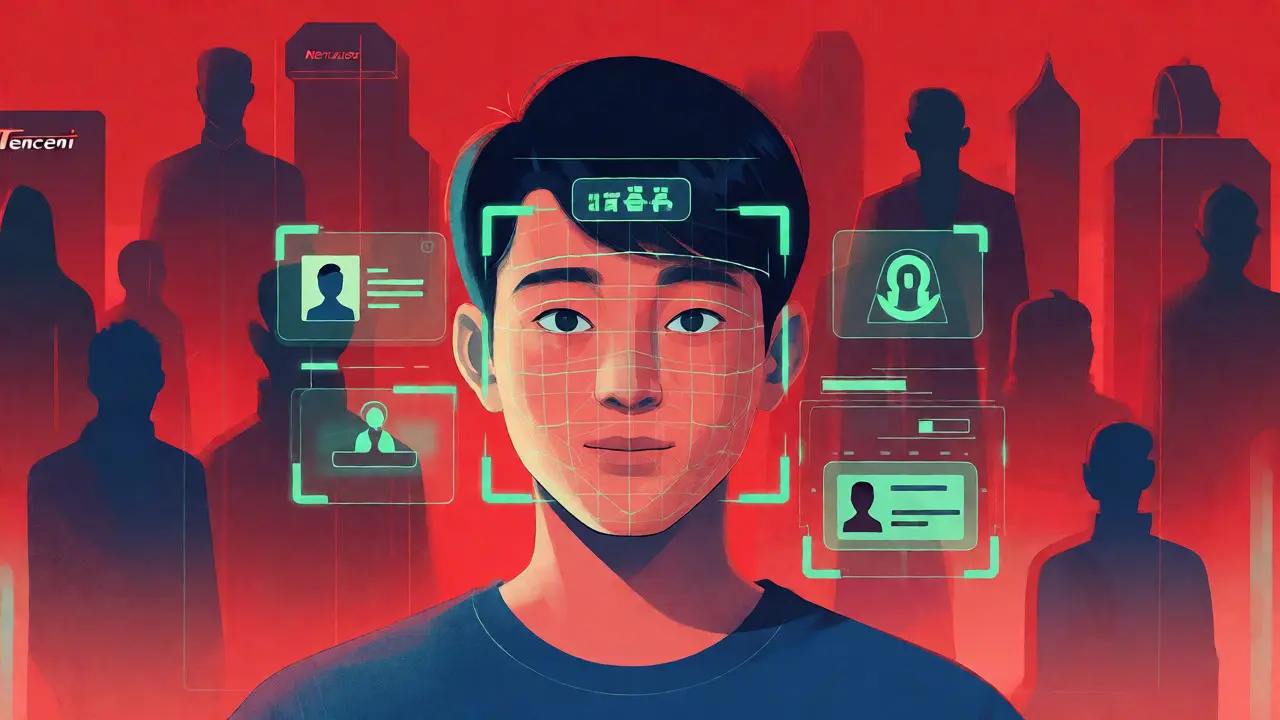
These limits apply across all platforms-PC, console, and mobile. There are no loopholes for "educational" games unless they are specifically certified by the Ministry of Education, which is a rare designation. The enforcement relies heavily on facial recognition technology and ID card verification. When you log in, the app checks your identity against national databases. If the face doesn’t match the ID, or if the user is identified as a minor outside allowed hours, access is denied immediately.
Comparison with Other Countries
How does China stack up against the rest of the world? Many assume Europe or South Korea might be stricter, but the data tells a different story. Most democratic nations rely on rating boards like the ESRB in the US or PEGI in Europe. These organizations classify content by age but rarely restrict *when* or *how long* a person can play.
| Country/Region | Primary Approach | Time Limits | Enforcement Method |
|---|---|---|---|
| China | State-mandated hard caps | 3 hours/week (minors) | NPPA regulations, facial recognition, ID verification |
| South Korea | Shutdown Law (repealed/modified), now soft power | No mandatory national cap; local ordinances vary | Cultural norms, parental controls, industry incentives |
| United States | Self-regulation & Parental Controls | None federally mandated | ESRB ratings, COPPA (data privacy), family settings |
| European Union | GDPR & Digital Services Act | Focus on data protection and advertising | Regulatory fines for non-compliance, age verification tools |
Notice the difference? The US and EU focus on protecting privacy and ensuring transparent advertising. China focuses on limiting consumption. South Korea, once a pioneer with its "Cinderella Law" that banned minors from playing between midnight and 6 AM, actually repealed the mandatory aspect in favor of allowing parents to choose. China went the opposite direction, doubling down on state control.
The Impact on the Gaming Industry
You might think such strict rules would kill the industry. Surprisingly, the Chinese gaming market remains massive, valued at over $40 billion annually. However, the shape of the market has changed. Developers can no longer rely solely on "whales"-big spenders-to drive revenue. With spending caps in place, monetization strategies have shifted toward volume and engagement within the allowed time windows.
This has led to a few interesting trends. First, game design has adapted. Developers are creating shorter, more intense gameplay loops that fit into a single hour session. Second, there has been a surge in offline or single-player experiences, although even these require registration. Third, companies are investing heavily in AI-driven monitoring to ensure compliance. If a child tries to borrow a parent's account, algorithms analyze mouse movements and typing patterns to detect anomalies.
For international publishers, entering China is now a high-stakes gamble. You need a local partner, a government-approved license, and a product that fits the cultural and regulatory mold. Games with violent themes or ambiguous moral messages often face delays or rejection. It’s a reminder that in global gaming, culture and law matter as much as graphics and gameplay.
Did It Reduce Addiction?
This is the million-dollar question. Did the restrictions actually solve the problem of gaming addiction? Reports from the National Health Commission suggest mixed results. On one hand, average daily playtime for minors dropped significantly after the 2021 crackdown. Students reported having more time for homework and sleep. Academic performance metrics showed slight improvements in some districts.
On the other hand, critics argue that addiction didn't disappear; it migrated. Some teens switched to short-video apps like Douyin (the Chinese version of TikTok) or moved to unregulated private servers where enforcement is looser. Others found ways to bypass restrictions using adult relatives' IDs. So, while the raw number of hours played decreased, the underlying behavioral issues may persist. The policy succeeded in changing behavior patterns but hasn't necessarily cured the psychological dependency.
Moreover, the definition of "addiction" itself is debated. The World Health Organization includes "Gaming Disorder" in the ICD-11, but many psychologists argue that labeling normal hobbyist behavior as pathological can lead to over-medicalization. China’s approach treats it as a public health crisis akin to smoking or alcoholism, requiring regulatory intervention rather than just therapy.
What This Means for Parents and Gamers Elsewhere
If you live outside China, why should you care? Because these regulations serve as a massive experiment in digital wellbeing. We are watching in real-time whether government mandates can effectively manage technology use. Early signals suggest that hard limits work better than voluntary ones for consistency, but they can feel punitive to kids who see their friends playing elsewhere.
For parents, the takeaway isn't necessarily to copy the Chinese model exactly. Instead, consider the principles behind it: consistent boundaries, clear expectations, and active monitoring. Tools like Apple Screen Time or Android Family Link offer similar functionality but lack the teeth of state enforcement. Perhaps combining technical limits with open communication about *why* limits exist yields better results than either alone.
For gamers, the lesson is about sustainability. The burnout rates in competitive esports scenes globally mirror the concerns that drove China’s laws. Playing four hours a day might seem fun until it impacts your sleep, grades, or relationships. China’s extreme case highlights the importance of balance, reminding us that games are meant to enhance life, not replace it.
Can minors in China still play PC games?
Yes, but only during specific hours. From 8 PM to 9 PM on Fridays, Saturdays, Sundays, and public holidays. Outside these windows, servers typically block login attempts for accounts registered under a minor's ID.
Do these rules apply to adults?
No, adults over 18 do not face mandatory time limits or spending caps imposed by the NPPA. However, they must still undergo real-name verification to play online games, which helps prevent minors from using adult accounts.
How is identity verified for gaming accounts?
Platforms use a combination of national ID card numbers and biometric data, such as facial recognition scans. Some advanced systems also monitor behavioral biometrics, like typing speed and mouse movement, to detect if an adult is lending their account to a child.
Are single-player games affected?
Generally, yes. Even offline games distributed through major digital storefronts like WeGame require registration and adherence to age ratings. While you might not get kicked out mid-session in an offline mode, the initial purchase and download process is regulated, and updates often require online authentication.
Has the gaming market shrunk due to these regulations?
Not significantly. While growth slowed compared to pre-regulation years, the market remains huge. Companies have adapted by focusing on high-quality titles, overseas expansion, and optimizing monetization for the restricted user base. The total revenue continues to grow, driven largely by adult players and international markets.