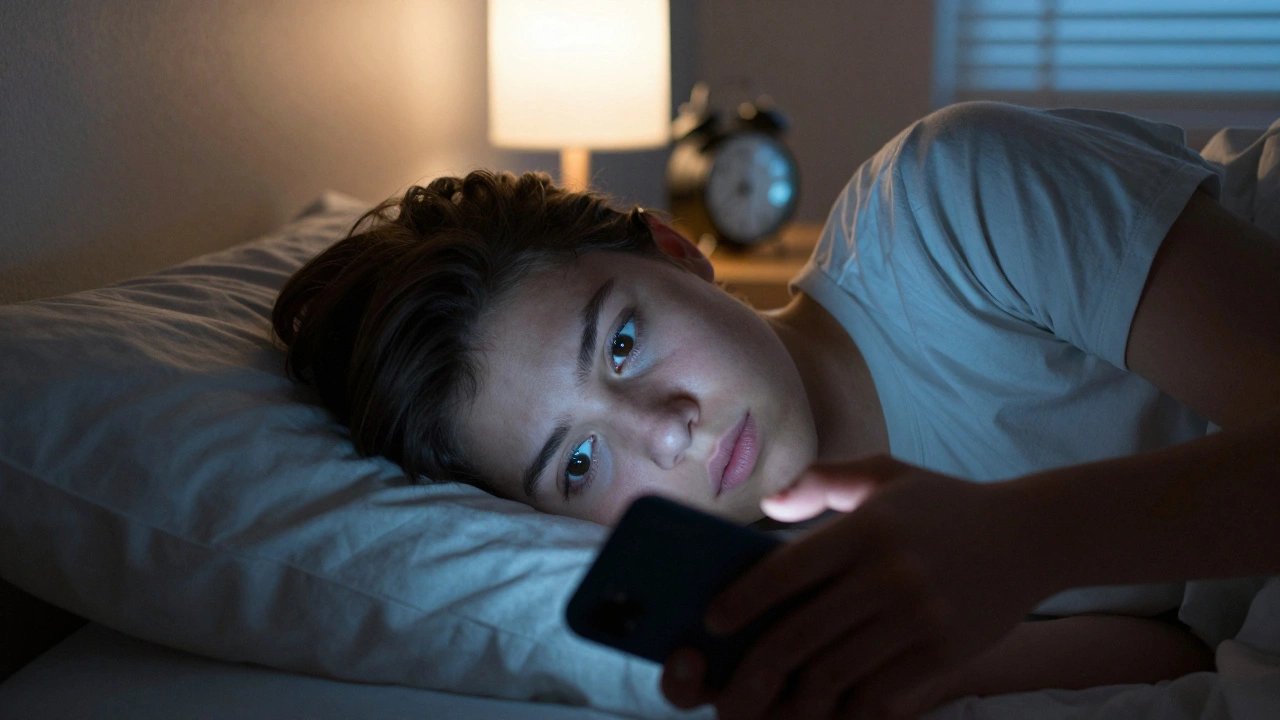
It’s 7:30 AM. The alarm screams. Your eyes snap open, but your hand doesn’t reach for the snooze button-it reaches for your phone. Or maybe your console is already humming in the corner. You have a math test today. A big one. But last night, you were deep into a ranked match, or grinding through a raid, or just lost in an open-world map that promised just "one more hour." That hour turned into three. Now, staring at the ceiling, you feel that familiar knot in your stomach. Not because you’re worried about failing the test, but because you’re terrified of missing the daily login bonus.
This isn’t just a bad morning. It’s a symptom of a growing crisis. Class absenteeism driven by gaming is no longer a fringe issue reserved for extreme cases. It’s happening in high schools and colleges across the country, quietly eroding academic performance and social development. We need to talk about why this is happening, what it looks like in real life, and how we can fix it before another semester slips away.
The Psychology Behind the Screen
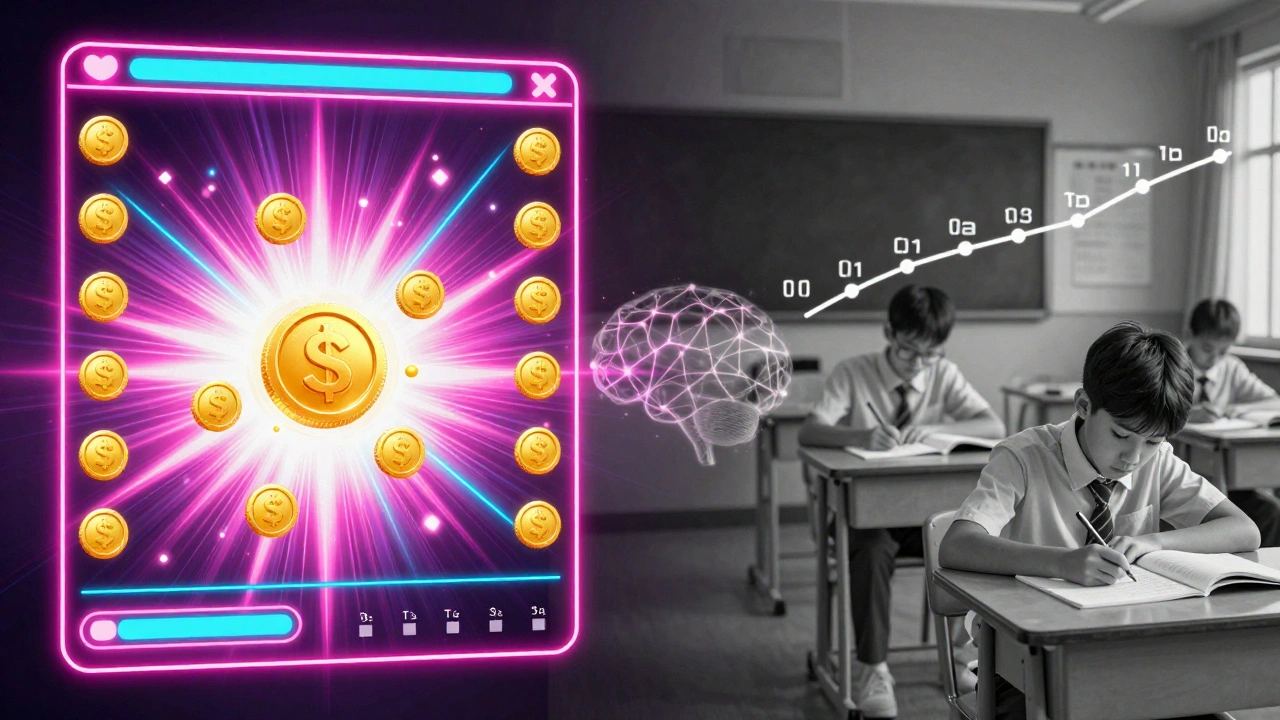
To understand why students choose games over classrooms, we have to look at how modern video games are designed. They aren’t just entertainment; they are sophisticated psychological engines built on Operant Conditioning, a behavioral psychology concept where actions are reinforced by rewards.
Think about the feedback loop in a typical mobile RPG or competitive shooter. You complete a task (kill a monster, win a match), and you get immediate, tangible feedback (gold, experience points, a rank up). This triggers a release of Dopamine, a neurotransmitter associated with pleasure and reward. In contrast, school offers delayed gratification. You study for weeks, take a test, and maybe get a good grade months later. For a brain wired by constant digital stimulation, the classroom feels painfully slow and unrewarding.
Furthermore, many students face anxiety or depression. The virtual world offers control. In a game, you know the rules. You know how to win. In school, social dynamics are confusing, teachers can be intimidating, and failure feels public and humiliating. Gaming becomes a safe haven. When that haven becomes addictive, skipping class stops being a choice and starts feeling like a necessity.
Recognizing the Signs: Beyond Just "Playing Too Much"
It’s easy to dismiss a teenager who plays games as just having a hobby. But there’s a line between passion and pathology. If you’re a parent, teacher, or even a student yourself, look for these specific red flags that indicate gaming is interfering with education:
- Chronic Lateness or Absences: It starts with being late for first period. Then, it’s missing the whole day. The excuses change from "I was sick" to "My internet was down," but the pattern remains.
- Grade Decline: A sudden drop in GPA, particularly in subjects that require consistent attendance like lab sciences or foreign languages.
- Social Withdrawal: The student stops seeing friends in person. Their social circle exists entirely within Discord servers or in-game guilds.
- Sleep Deprivation: Eyes are red, posture is slumped, and they’re constantly yawning. This is often due to staying up until 4 AM to play.
- Lying About Time Spent: "I only played for two hours" when the screen time report shows six. Deception is a hallmark of addictive behavior.
If you see three or more of these signs, this isn’t just a distraction. It’s a behavioral issue that needs addressing.
The Academic Cost of Virtual Worlds
Let’s talk numbers. Missing school has compounding effects. According to data from the National Center for Education Statistics, students who miss five or more days of school per year are significantly more likely to fail a grade. But gaming-related absenteeism is unique because it’s often voluntary and hidden.
When a student skips school to game, they aren’t just missing lectures. They’re missing the subtle learning that happens in the margins-the quick question asked after class, the group project discussion, the teacher’s clarification on a tricky concept. These gaps widen quickly. By the time the student tries to catch up, they’re overwhelmed. This leads to a vicious cycle: the more they fall behind, the more anxious they become about school, and the more they retreat into the safety of their games.
| Metric | Occasional Absence (1-2 days/month) | Chronic Gaming Absenteeism (5+ days/month) |
|---|---|---|
| GPA Impact | Minimal, recoverable | Significant drop (0.5 - 1.0 points) |
| Social Development | Normal peer interaction | Isolation, reduced face-to-face skills |
| Mental Health | Stress relief via gaming | Increased anxiety, depression risk |
| Future Opportunities | No impact | College admission risks, scholarship loss |
Why Traditional Punishments Fail
Here’s the hard truth: taking away the console or banning the internet rarely works. In fact, it often makes things worse. Why? Because it treats the symptom (gaming) rather than the cause (anxiety, lack of motivation, or underlying mental health issues).
When you confiscate a device, you create a power struggle. The student feels controlled and resentful. They might find ways around it (borrowing phones, sneaking out), or they might shut down completely. Instead of punishment, we need connection and structure.
Consider the role of Cognitive Behavioral Therapy (CBT), a type of psychotherapy that helps people manage problems by changing the way they think and behave. CBT has been shown to be effective in treating gaming disorder. It helps students identify the triggers that make them want to escape into games and develop healthier coping mechanisms. But therapy requires access, which isn’t always available.
Practical Strategies for Parents and Educators
If you’re dealing with this right now, here are actionable steps that actually work. These aren’t about controlling every minute of your child’s day; they’re about rebuilding balance.
- Establish Tech-Free Zones and Times: No devices in the bedroom overnight. Charge phones in the kitchen. Set a hard stop for gaming at 9 PM on school nights. Consistency is key.
- Replace, Don’t Remove: If you take away gaming, you must offer an alternative. Is it sports? Art? Volunteering? Help them find a real-world activity that provides similar dopamine hits-achievement, social connection, and mastery.
- Open Dialogue, Not Interrogation: Ask questions like, "What do you enjoy most about that game?" instead of "Why are you wasting your life?" Understanding their emotional attachment helps you address the root cause.
- Use Screen Time Tools: Use built-in features on iOS, Android, or Windows to set limits. Make these limits a family rule, not just a punishment for the gamer. Everyone follows the same rules.
- Seek Professional Help Early: If the behavior is severe, don’t wait. Consult a psychologist or counselor who specializes in adolescent behavioral health. Early intervention prevents long-term academic damage.

The Role of Schools in Prevention
Schools also have a part to play. Many educators are still viewing gaming as a moral failing rather than a complex behavioral issue. Schools should integrate Digital Literacy, which includes understanding online behaviors and healthy technology use, into their curriculum. This isn’t just about cyberbullying; it’s about self-regulation.
Additionally, schools can offer more engaging, interactive learning methods. Gamification in education-using game design elements in non-game contexts-can help bridge the gap. When students feel engaged and successful in the classroom, they’re less likely to seek validation elsewhere.
Rebuilding Trust and Routine
Recovery from gaming-related absenteeism takes time. It’s not a switch you flip. There will be relapses. The student might skip a day again. The goal isn’t perfection; it’s progress.
Focus on small wins. Did they attend all classes this week? Celebrate that. Did they log off at the agreed-upon time? Acknowledge it. Rebuild their confidence in the real world. Show them that they can achieve things outside the screen. Whether it’s cooking a meal, fixing a bike, or finishing a book, real-world achievements matter.
Remember, the student isn’t lazy. They’re stuck. With patience, empathy, and the right strategies, they can break free from the virtual trap and re-engage with their education and life.
Is gaming addiction a recognized medical condition?
Yes. The World Health Organization (WHO) included "Gaming Disorder" in the International Classification of Diseases (ICD-11) in 2018. It is characterized by impaired control over gaming, increasing priority given to gaming over other activities, and continuation or escalation of gaming despite negative consequences.
How many hours of gaming per day is considered too much for a student?
There is no universal number, as it depends on age and individual circumstances. However, the American Academy of Pediatrics suggests limiting screen-based entertainment to 1-2 hours per day for older children and teens, ensuring it does not interfere with sleep, physical activity, or schoolwork. If gaming causes missed classes, it is too much regardless of the hour count.
Can online learning increase gaming-related absenteeism?
Yes. Remote learning blurs the lines between home and school. Without the physical structure of a classroom, students may find it easier to multitask, playing games while appearing to be in a virtual lesson. This lack of supervision can exacerbate existing tendencies toward avoidance and disengagement.
What are the best apps to monitor and limit screen time?
Built-in tools like Apple's Screen Time and Google's Digital Wellbeing are effective starting points. Third-party apps like Qustodio, Bark, or Freedom offer more granular controls, including blocking specific apps during school hours and sending reports to parents. Transparency with the student about monitoring is crucial to maintain trust.
How can I help my child if they are already failing school due to gaming?
First, approach the situation with empathy, not anger. Schedule a meeting with school counselors to create an academic recovery plan. Simultaneously, seek professional mental health support to address the underlying behavioral issues. Consider a temporary reduction in academic load to reduce stress while focusing on re-establishing healthy routines.