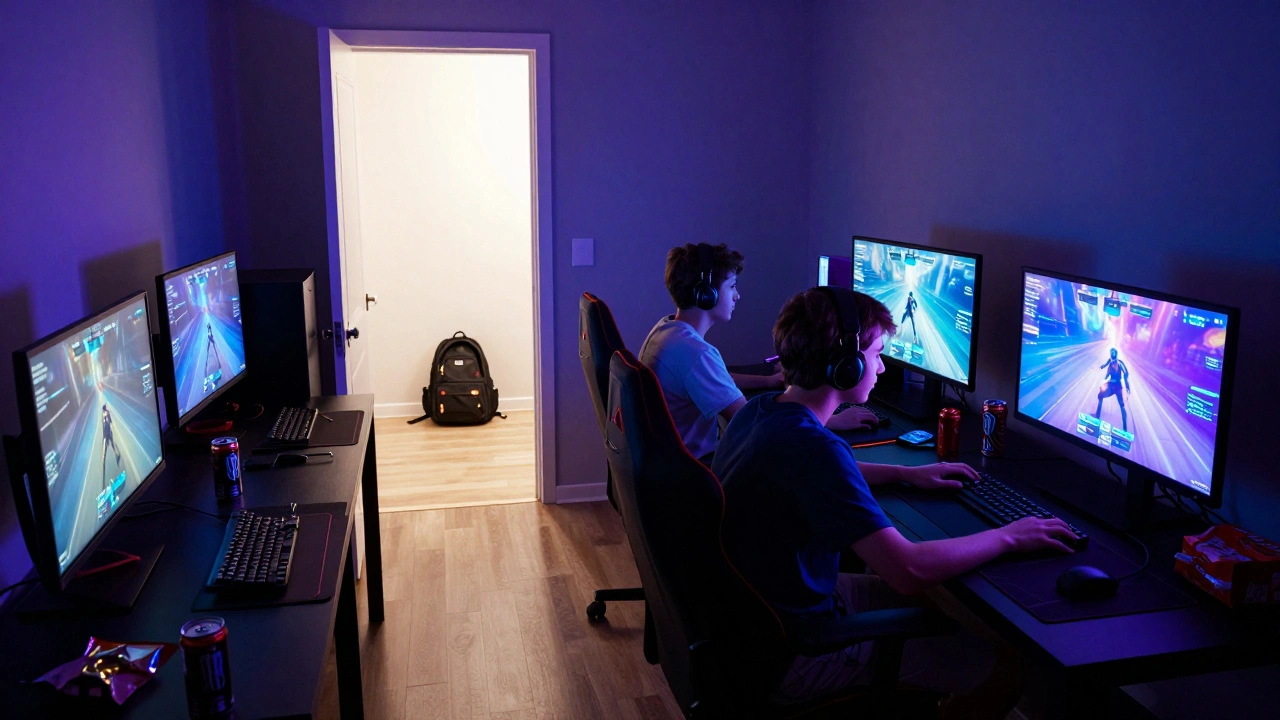
Have you ever walked into a classroom and noticed that same empty desk? It’s not just one kid. Across high schools and colleges, attendance numbers are slipping, and for many students, the reason isn’t illness or family emergencies. It’s the glowing screen on their bedroom floor. The phenomenon of class absenteeism driven by excessive engagement with digital games is no longer an isolated incident. It has become a structural issue in modern education.
In 2025, the average American teenager spent nearly seven hours a day on screens for entertainment purposes. When you factor in the immersive nature of modern online multiplayer gamessuch as Fortnite, Valorant, and Minecraft, which offer continuous social interaction and reward loops, it becomes clear why school feels like an interruption rather than a priority. This isn't about kids being lazy. It's about understanding how game design hijacks attention spans and displaces traditional responsibilities.
The Psychology Behind the Login
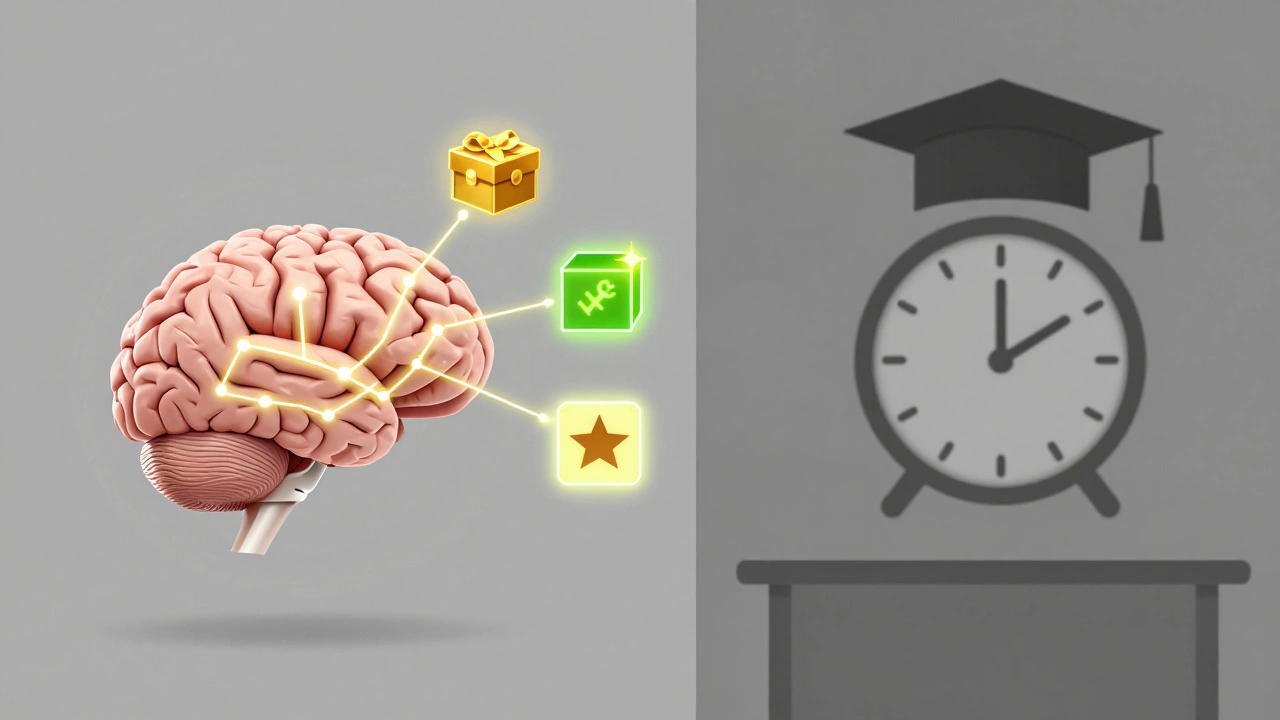
To understand why a student would skip algebra to play a video game, we have to look at behavioral psychologythe study of how external stimuli influence human actions. Game developers employ specific techniques to keep players engaged. These aren't accidents; they are engineered experiences.
First, there is the concept of variable ratio reinforcementa schedule of reinforcement where rewards are given after an unpredictable number of responses. In slot machines, this keeps people pulling the lever. In games, it’s the loot box or the random drop of a rare item. You never know when the next big reward is coming, so you keep playing. School, by contrast, offers delayed gratification. You study today to get a good grade months later. The brain prefers the immediate dopamine hit from the game.
Second, consider social presence theorythe idea that online interactions can feel as real and impactful as face-to-face ones. For many teens, their primary social circle exists within Discord servers or in-game guilds. Missing a raid night or a competitive match means letting down friends. The fear of missing out (FOMO) is powerful. If your team needs you at 8 AM for a tournament, school suddenly seems irrelevant. The social stakes in the virtual world often feel higher than those in the physical classroom.
Signs That Gaming Has Crossed the Line
Not every gamer is skipping class. Millions of students balance homework and hobbies without issue. However, when gaming begins to displace essential life functions, it shifts from a hobby to a problem. Parents and educators need to recognize the warning signs early.
- Chronic fatigue: Students arrive at school exhausted because they played until 3 AM.
- Declining grades: A sudden drop in performance across multiple subjects indicates a shift in priorities.
- Social withdrawal: Avoiding offline friends and family while remaining highly active online.
- Lying about attendance: Creating fake excuses to stay home and play.
- Irritability when disconnected: Anger or anxiety when internet access is restricted or devices are taken away.
If you see three or more of these signs consistently over a month, it’s likely that gaming is interfering with academic obligations. This isn't about moral failure; it's about behavioral displacement. The energy required for school is being diverted to the screen.
The Impact on Academic Performance
The consequences of chronic absenteeism extend far beyond a missing assignment. Education relies on cumulative learning. When students miss foundational concepts, they struggle to grasp advanced material. This creates a cycle of frustration and avoidance.
Research from the National Center for Education Statistics shows that students who miss more than 10% of school days are significantly more likely to fail math and reading tests. But the damage isn't just academic. It affects executive function skills like time management, self-regulation, and goal setting. When a student learns that they can bypass rules by staying home, they lose practice in navigating authority and structure. These are soft skills that employers value just as much as technical knowledge.
Furthermore, the isolation associated with excessive gaming can lead to increased rates of anxiety and depression. While games provide temporary escape, they do not solve underlying stressors. Instead, they create a feedback loop where reality feels overwhelming, so the student retreats further into the game.
Strategies for Rebalancing Life and Play
Fixing this issue doesn't require banning games entirely. That approach usually backfires, leading to secrecy and resentment. Instead, focus on creating structure and restoring balance. Here are practical steps for parents, educators, and students.
- Set clear boundaries: Establish specific times for gaming and non-negotiable times for schoolwork. Use parental controls if necessary, but explain the reasoning behind them.
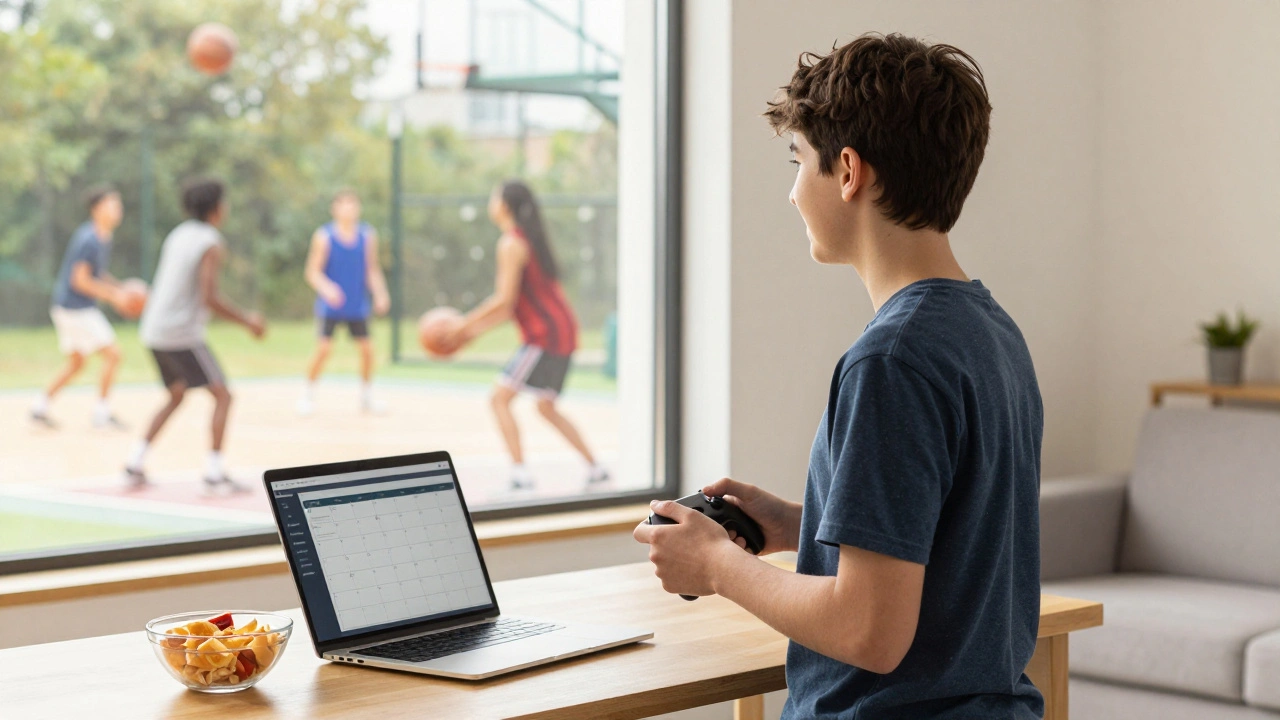
- Promote offline activities: Encourage participation in sports, clubs, or volunteer work. These activities provide social connection and physical movement, counteracting the sedentary nature of gaming.
- Improve sleep hygiene: Keep devices out of the bedroom at night. Poor sleep exacerbates impulsivity and makes it harder to resist gaming urges.
- Communicate openly: Talk to the student about their gaming habits without judgment. Ask what they enjoy about the games. Understanding their motivation helps you find healthier alternatives that meet the same needs.
- Seek professional help: If gaming addiction is severe, consult a therapist specializing in behavioral addictions. Cognitive-behavioral therapy (CBT) has been shown to be effective in treating problematic gaming behaviors.
For educators, building engagement in the classroom is crucial. If school feels boring or irrelevant, students will seek stimulation elsewhere. Incorporating interactive elements, project-based learning, and technology into lessons can make school more competitive with the entertainment value of games.
Comparison: Healthy vs. Problematic Gaming Habits
| Aspect | Healthy Gaming | Problematic Gaming |
|---|---|---|
| Time Spent | 1-2 hours daily, balanced with other activities | 4+ hours daily, neglecting school and chores |
| Social Interaction | Mix of online and offline friends | Exclusive reliance on online relationships |
| Emotional Regulation | Calmly stops playing when needed | Irritable or angry when forced to stop |
| Academic Impact | No significant change in grades | Declining grades and frequent absences |
| Sleep Quality | Consistent 8-9 hours of sleep | Irregular sleep patterns, often熬夜 (staying up late) |
The Role of Schools and Communities
Schools cannot fix this issue alone. They need support from families and community organizations. Many districts now offer counseling services specifically for digital wellness. Teachers should be trained to recognize signs of gaming-related absenteeism and respond with empathy rather than punishment.
Community centers and libraries can host events that bridge the gap between digital and physical worlds. Esports leagues, for example, can teach teamwork and strategy in a structured environment. By validating gaming as a legitimate interest while imposing limits, we help students develop self-discipline.
Ultimately, the goal is not to eliminate gaming but to ensure it coexists with other important aspects of life. With the right strategies, students can enjoy their favorite games without sacrificing their education or future opportunities.
Is gaming addiction a recognized medical condition?
Yes. The World Health Organization (WHO) included "Gaming Disorder" in the International Classification of Diseases (ICD-11) in 2019. It is defined by impaired control over gaming, increasing priority given to gaming over other activities, and continuation or escalation of gaming despite negative consequences.
How can parents monitor their child's gaming without invading privacy?
Focus on open communication rather than surveillance. Discuss expectations together and use built-in parental controls on consoles and routers to set time limits. Explain that these tools are for safety and balance, not punishment. Regular check-ins about their gaming experience build trust.
What are the best ways to help a student catch up after missing school due to gaming?
Start by addressing the root cause of the absenteeism. Then, work with teachers to create a manageable catch-up plan. Break large assignments into smaller tasks. Consider tutoring or peer support groups. Prioritize core subjects first to rebuild confidence and momentum.
Can video games have any positive effects on students?
Absolutely. Games can improve problem-solving skills, hand-eye coordination, and strategic thinking. Multiplayer games foster teamwork and communication. Educational games can reinforce math, science, and language skills. The key is moderation and choosing age-appropriate content.
At what point should I seek professional help for my child's gaming habits?
Seek help if gaming interferes with daily functioning, such as attending school, maintaining hygiene, or interacting with family. If your child exhibits anger, depression, or anxiety when unable to play, or if they lie extensively about their gaming time, a mental health professional can provide assessment and treatment options.