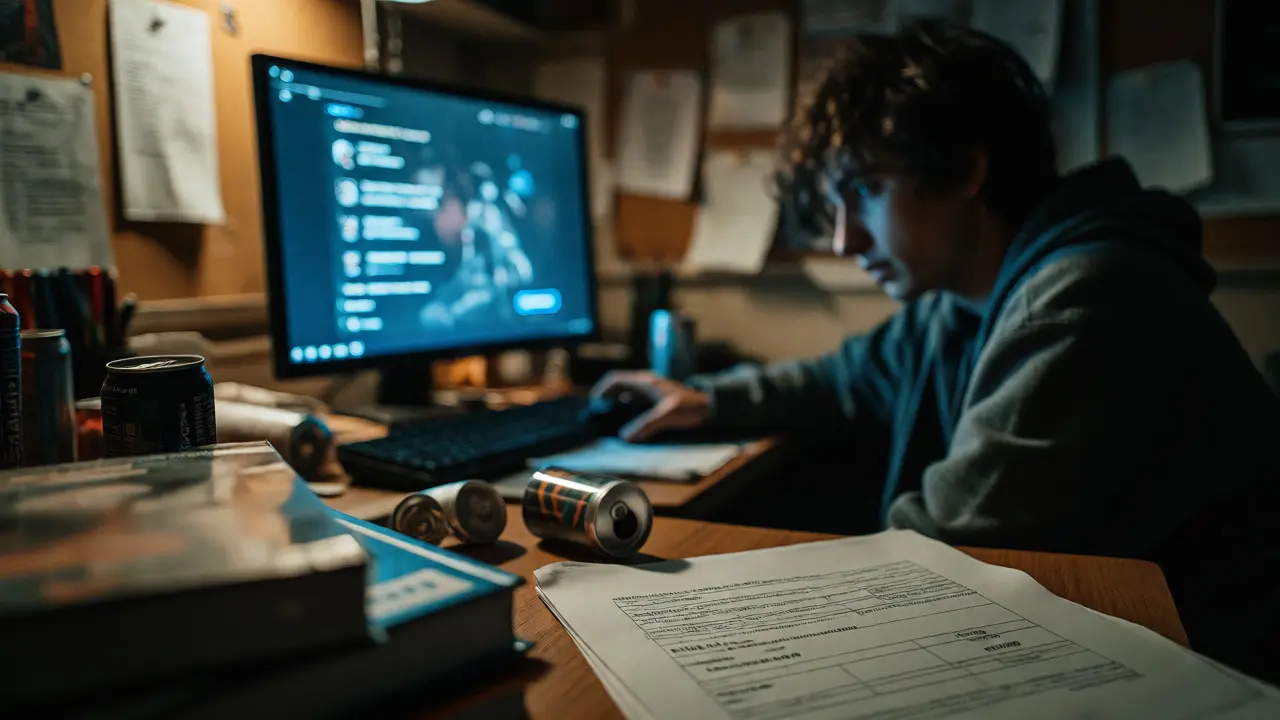
You hit snooze three times. You skipped the lecture because a ranked match was about to start. Your GPA dropped from a solid 3.2 to a shaky 2.1 in two semesters. Sound familiar? For thousands of college students, gaming addiction isn't just a hobby gone too far; it's a silent disruptor that derails degrees and delays careers. But here is the good news: your brain is plastic, and your degree isn't dead yet. Recovering academically after stepping away from the controller requires more than just willpower. It demands a structured academic comeback plan.
This guide breaks down how to handle college remediation specifically for former gamers. We aren't talking about vague advice like "study harder." We are talking about specific tactics to rebuild focus, manage withdrawal symptoms, and navigate university bureaucracy without losing your mind.
Understanding the Cognitive Gap
Before you open a textbook, you need to understand what happened to your brain. High-intensity gaming floods the reward system with dopamine. When you quit cold turkey, your baseline drops. This creates a state often mistaken for laziness or lack of interest, but it is actually neurochemical adjustment. You might find reading a chapter on macroeconomics feels physically painful compared to the instant feedback loop of a shooter game.
This phenomenon is known as dopamine deficit state. During this phase, your attention span shrinks. A typical 50-minute lecture might feel impossible to sit through. Recognizing this helps you stop blaming yourself for being "broken." You are recalibrating. The first step in any successful remediation strategy is accepting that your cognitive stamina needs rebuilding, not just retraining.
Auditing Your Academic Damage
You cannot fix what you do not measure. Grab your transcript. Look at every incomplete, failed, or withdrawn course. Categorize them into three buckets:
- Recoverable: Courses where you passed but barely (D- or C-) that impact prerequisites.
- Critical Failures: Core requirements you failed outright (F grades).
- Time Losses: Semesters where you took fewer credits than allowed due to burnout.
Calculate your current credit deficit. If you are behind by 12+ credits, you likely need to attend summer sessions or overload a semester. Check your university’s grade replacement policy. Some schools allow you to retake a class and have the new grade replace the old one in your GPA calculation. Others average them. This distinction changes your entire strategy. If averaging applies, you might need to take easier electives alongside retakes to boost the numerator without risking another failure.
The Digital Detox Protocol
Telling a recovering gamer to "just stop playing" is like telling an alcoholic to "just don't drink." It ignores environmental triggers. You need a protocol, not just a promise. Start with a strict digital hygiene routine.
- Physical Separation: Move your PC or console out of your bedroom. If you live in a dorm, consider using a library computer for non-gaming tasks.
- App Blockers: Use tools like Cold Turkey or Freedom to block Steam, Discord, or Epic Games Store during study hours.
- The 24-Hour Rule: If you crave a game, wait 24 hours before buying or launching it. Most urges fade within that window.
Expect irritability in week one. This is normal. Replace the gaming slot with high-engagement, low-dopamine activities like exercise or social sports. Passive scrolling on TikTok can be just as damaging to focus as gaming. Keep your phone in grayscale mode if necessary to reduce its visual appeal.

Rebuilding Study Habits for Short Attention Spans
Your brain is used to 15-second clips and instant rewards. Traditional studying fails because the payoff is delayed. Hack this by gamifying your own work. Use the Pomodoro Technique, but modify it. Start with 25 minutes of work and 5 minutes of break. Do not use your break for gaming. Use it for stretching, water, or a quick walk.
Break large assignments into micro-tasks. Instead of "Write Essay," list "Outline Thesis," "Find Three Sources," "Draft Intro." Check these off physically. That small tick marks provides a tiny dopamine hit, mimicking the achievement notification in games. Over time, extend your work blocks to 45 or 50 minutes. Consistency beats intensity. Studying for one hour every day is infinitely better than cramming for ten hours on Sunday while resenting every minute.
Navigating University Support Systems
Most students underutilize campus resources. As someone dealing with behavioral health challenges, you qualify for specific accommodations. Visit your university’s Disability Services office. In many cases, gaming disorder or associated ADHD-like symptoms can qualify you for extended test time or quiet testing environments. Documentation from a counselor or psychologist strengthens your case.
Also, meet with an academic advisor immediately. Do not try to map out your remaining four years alone. Advisors know which professors offer extra credit, which courses have flexible deadlines, and when registration opens for high-demand classes. They can help you build a degree audit that prioritizes graduation speed over perfection. Sometimes, taking a slightly irrelevant elective that you enjoy can prevent burnout better than forcing a difficult major requirement.

Managing Social Dynamics and Triggers
Gaming is often social. Quitting can feel isolating if your friend group revolves around raids or tournaments. You do not need to cut off friends, but you must set boundaries. Communicate clearly: "I am focusing on my degree right now. I will join you for coffee, but not for late-night matches."
If you live with roommates who game heavily, negotiate noise levels during study hours. Wear noise-canceling headphones. Find a third place-a library nook, a quiet café, or a gym-where you spend time outside your dorm. Physical distance from the gaming environment reduces temptation significantly. Remember, your goal is academic recovery, not permanent asceticism. Balance is key, but discipline comes first.
| Strategy | Effort Level | Speed of Results | Sustainability |
|---|---|---|---|
| Cold Turkey Detox | High | Fast (Weeks) | Moderate (Risk of rebound) |
| Gradual Reduction | Low | Slow (Months) | High |
| Therapy + Coaching | Medium | Medium | Very High |
| Academic Probation Plan | High | Immediate | Dependent on Compliance |
Long-Term Maintenance and Career Prep
Once your GPA stabilizes above a 2.5, shift focus to career readiness. Employers care less about a single bad semester and more about your upward trend. Highlight your comeback story in interviews. Frame it as resilience: "I faced a distraction challenge, implemented a disciplined system, and improved my grades by 0.8 points in two semesters."
Start building professional habits early. Attend one networking event per month. Update your LinkedIn profile to reflect your current skills, not just your degree status. Volunteer for a project that uses skills relevant to your major. This keeps you engaged with your field without the pressure of graded performance. Your academic comeback is not complete until you graduate, but the psychological victory happens the moment you choose the book over the battle royale.
Will gaming addiction affect my financial aid?
Yes, potentially. Many scholarships and federal aid require Satisfactory Academic Progress (SAP). If your GPA falls below 2.0 or you fail too many credits, you may lose eligibility. Check your school's SAP policy immediately. You can often appeal by explaining the behavioral health issue and showing a plan for improvement.
How long does it take to recover GPA?
It depends on your current GPA and total credits earned. Generally, raising a GPA by 0.5 points takes one full-time semester of straight A/B work. If you have fewer total credits, it moves faster. Retaking failed classes with grade replacement policies can accelerate this process significantly.
Should I drop all my classes and take a gap year?
Not necessarily. Dropping out often leads to loss of momentum and increased anxiety. Unless you are facing severe mental health crises, it is usually better to reduce your course load (e.g., from 15 to 9 credits) rather than stopping entirely. This allows you to succeed in fewer classes while rebuilding confidence.
Is online learning better for recovering gamers?
Online learning can be risky because it removes external structure. Without physical attendance checks, procrastination spikes. Hybrid models often work best, providing some face-to-face accountability while allowing flexibility. If you choose fully online, ensure you have a dedicated workspace separate from your gaming setup.
What if I relapse and play games again?
Relapse is part of recovery. Do not spiral into shame. Analyze what triggered it-stress, boredom, social pressure-and adjust your boundaries. Return to your study schedule immediately. One weekend of gaming does not erase months of progress if you get back on track Monday morning.