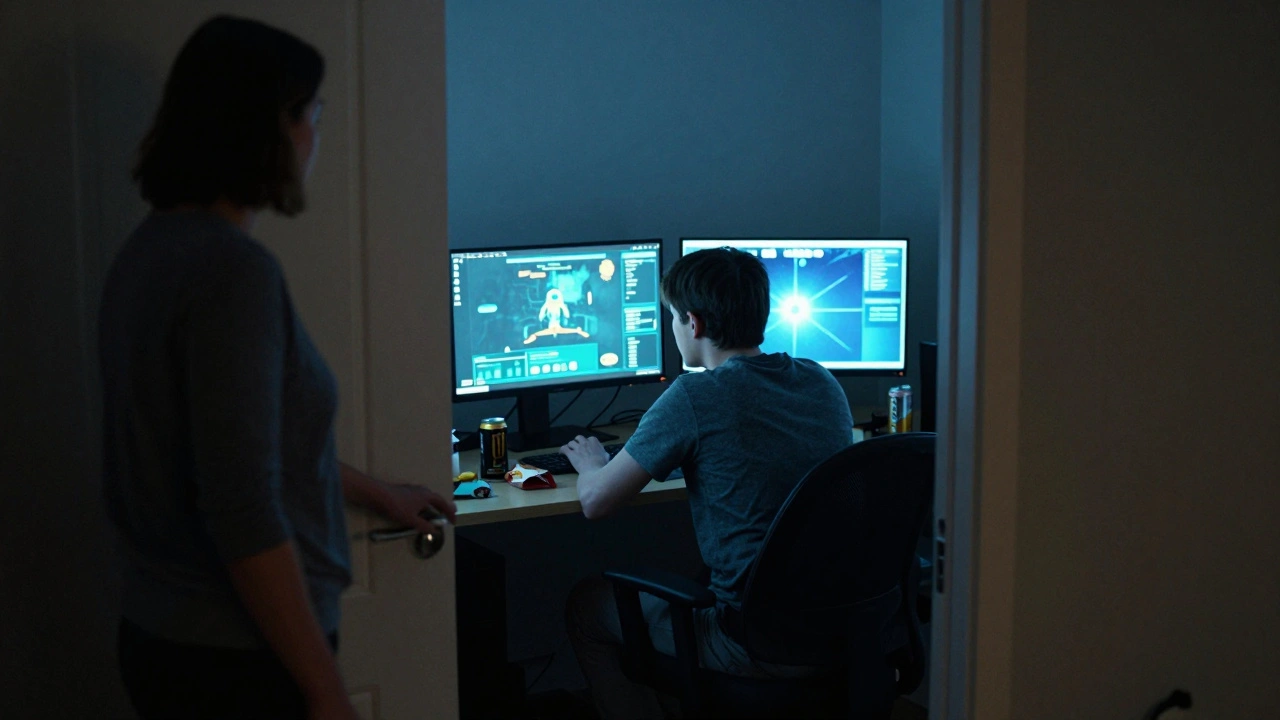
Watching someone you love lose themselves to a screen is terrifying. It’s not just about the hours spent playing; it’s about the silence that follows, the missed responsibilities, and the emotional distance that grows between family members. If you are reading this because your household is in turmoil due to gaming addiction, you are likely feeling isolated, frustrated, and unsure of where to turn. You are not alone. This is a recognized health crisis affecting thousands of families, and there are concrete steps you can take to regain stability.
Gaming addiction, clinically referred to as Internet Gaming Disorder (IGD), is a behavioral condition characterized by impaired control over gaming, increasing priority given to gaming over other activities, and continuation despite negative consequences. The World Health Organization included IGD in the International Classification of Diseases (ICD-11) in 2019, validating what many families have long suspected: this is more than a bad habit. It is a complex interplay of psychological, social, and neurological factors that requires professional intervention and structured family support.
Recognizing the Signs of Crisis
Before seeking help, it is crucial to distinguish between high engagement and clinical addiction. Many people play games for enjoyment without their lives falling apart. However, a crisis emerges when gaming begins to replace essential life functions. Look for these specific red flags:
- Loss of Control: Repeated failed attempts to cut down or stop playing.
- Social Withdrawal: Isolation from friends, family, and previously enjoyed hobbies.
- Deception: Lying about the amount of time spent gaming or hiding gameplay from parents or partners.
- Physical Neglect: Poor hygiene, irregular eating patterns, and significant sleep disruption.
- Emotional Volatility: Intense irritability, anger, or anxiety when gaming is interrupted or restricted.
If you see three or more of these signs persisting for at least six months, you are likely dealing with a clinical issue rather than mere enthusiasm. The key indicator is impairment: does gaming negatively impact their work, school, relationships, or health? If yes, immediate action is required.
Immediate Steps for Family Stabilization
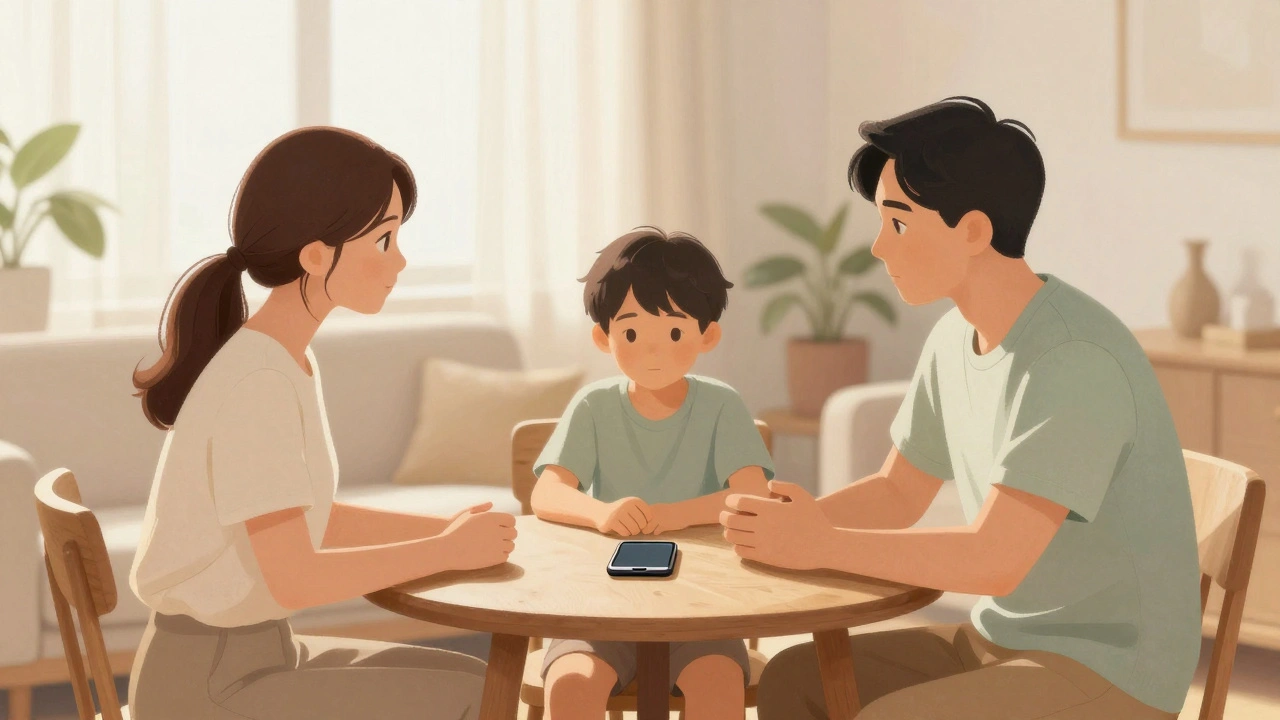
When the situation feels explosive, panic often leads to counterproductive actions like unplugging the router or confiscating devices. While these measures might provide temporary relief, they often escalate conflict and drive the behavior underground. Instead, focus on stabilization and communication.
- Pause the Conflict: Stop arguing about gaming during peak frustration times. Choose a neutral time to discuss concerns when everyone is calm.
- Express Concern, Not Judgment: Use "I" statements. Say, "I feel worried when you miss dinner," instead of "You are obsessed with that game." This reduces defensiveness.
- Establish Basic Boundaries: Agree on non-negotiables such as meal times, sleep schedules, and hygiene. These are health issues, not gaming issues.
- Seek Professional Evaluation: Contact a mental health provider specializing in behavioral addictions. General therapists may lack specific training in IGD.
The goal here is not to force an immediate cessation of gaming, which can lead to severe withdrawal symptoms including depression and agitation. The goal is to create a safe environment where treatment can begin.
Understanding the Underlying Causes
Gaming addiction rarely exists in a vacuum. It is often a symptom of deeper underlying issues. Understanding these root causes helps families approach the problem with empathy rather than blame. Common co-occurring conditions include:
- Anxiety and Depression: Games offer a predictable world where effort equals reward, unlike real life.
- ADHD: The fast-paced stimulation of video games can provide the dopamine regulation that individuals with ADHD crave.
- Social Anxiety: Online multiplayer games allow social interaction without the pressure of face-to-face cues.
- Trauma: For some, gaming serves as a dissociative mechanism to escape painful memories or current stressors.
Effective treatment must address these underlying conditions. Simply removing access to games without treating the anxiety or depression often leads to the individual finding another maladaptive coping mechanism, such as substance abuse or gambling.
Professional Treatment Options
There is no single pill for gaming addiction. Treatment is typically multimodal, involving therapy, family counseling, and sometimes medication for co-occurring disorders. Here are the most effective approaches:
| Treatment Type | Description | Best For |
|---|---|---|
| Cognitive Behavioral Therapy (CBT) | Identifies and changes negative thought patterns and behaviors associated with gaming. | Individuals needing practical tools to manage urges and develop healthier habits. |
| Family Therapy | Involves the whole family system to improve communication and set healthy boundaries. | Families experiencing high conflict, enabling behaviors, or poor communication. |
| Motivational Interviewing | A collaborative conversation style that strengthens personal motivation for change. | Individuals who are ambivalent about quitting or resistant to authority. |
| Residential Programs | Intensive, live-in treatment centers focusing on detoxification and holistic recovery. | Severe cases where home environment is unstable or unsupportive. |
When searching for a provider, look for credentials such as Licensed Clinical Social Worker (LCSW), Psychologist (PhD/PsyD), or Psychiatrist (MD) with specific experience in behavioral addictions. Organizations like the American Society of Addiction Medicine (ASAM) provide directories of qualified professionals.
The Role of the Family System
Recovery is a family affair. Often, family dynamics inadvertently enable the addiction. For example, paying bills for an unemployed gamer or shielding them from natural consequences allows the behavior to continue. Conversely, constant nagging creates a hostile environment that pushes the individual further into isolation.
Healthy family support involves:
- Unified Front: All caregivers must agree on boundaries and consequences. Mixed messages undermine progress.
- Self-Care: Parents and partners must prioritize their own mental health. Support groups like Gam-Anon can provide community and coping strategies.
- Positive Reinforcement: Celebrate small victories, such as attending a therapy session or completing a chore, rather than focusing solely on abstinence.
- Rebuilding Connection: Engage in non-gaming activities together. Rebuild trust through shared experiences that do not involve screens.
It is important to remember that relapse is part of the recovery process. Setbacks do not mean failure; they indicate the need to adjust the treatment plan. Maintain patience and consistency.
Navigating Digital Boundaries
Setting technical limits can be helpful but should never replace therapeutic work. Tools exist to manage screen time, but using them punitively can damage trust. Instead, use technology as a collaborative aid.
- Screen Time Apps: Use built-in features on iOS or Android to set daily limits and downtime periods. Involve the individual in setting these limits to foster autonomy.
- Parental Controls: For minors, software like Qustodio or Bark can monitor usage and block inappropriate content. Ensure transparency about monitoring to maintain ethical standards.
- Device-Free Zones: Establish areas in the home, such as the dining room or bedrooms, where no devices are allowed. This promotes face-to-face interaction and better sleep hygiene.
The objective is to reintegrate technology as a tool, not a master. Gradual reduction is often more sustainable than cold turkey approaches, especially for long-term addicts.
Long-Term Recovery and Relapse Prevention
Recovery from gaming addiction is a marathon, not a sprint. Long-term success depends on building a fulfilling life outside of virtual worlds. This includes:
- Developing New Hobbies: Encourage participation in sports, arts, or volunteer work that provides similar rewards (competence, autonomy, relatedness) as gaming.
- Social Skills Training: For those who have lost social confidence, group therapy or social clubs can help rebuild interpersonal skills.
- Career or Educational Planning: Assist in setting realistic goals for employment or schooling to restore purpose and structure.
- Ongoing Therapy: Continue regular check-ins with a therapist even after initial improvement to prevent relapse.
Relapse prevention plans should identify triggers (stress, boredom, loneliness) and outline specific coping strategies for each. Having a clear plan reduces the likelihood of returning to old habits during difficult times.
Is gaming addiction officially recognized as a medical diagnosis?
Yes. The World Health Organization (WHO) included "Gaming Disorder" in the ICD-11 in 2019. The American Psychiatric Association lists "Internet Gaming Disorder" in Section III of the DSM-5, indicating it is a condition for further study but widely accepted in clinical practice.
How long does treatment for gaming addiction typically take?
Treatment duration varies significantly based on severity and co-occurring conditions. Outpatient therapy may last several months to a year, while intensive residential programs can range from 30 days to six months. Long-term maintenance often continues for years.
Can medication help with gaming addiction?
There is no FDA-approved medication specifically for gaming addiction. However, medications may be prescribed to treat underlying conditions such as depression, anxiety, or ADHD, which can reduce the urge to game as a coping mechanism.
What should I do if my family member refuses to seek help?
Focus on your own well-being and join a support group for families. You cannot force someone to recover, but you can change your response to the behavior. Setting firm boundaries and refusing to enable the addiction may eventually motivate them to seek help. Consider consulting a therapist for guidance on motivational interviewing techniques.
Are there support groups specifically for families affected by gaming addiction?
Yes. Organizations like Gam-Anon and SMART Recovery offer support groups for families and friends of individuals with behavioral addictions. These groups provide a safe space to share experiences, learn coping strategies, and find community understanding.
Recovering from gaming addiction is challenging, but it is possible. By approaching the issue with empathy, seeking professional help, and rebuilding family connections, you can guide your loved one toward a balanced and fulfilling life. Remember, healing is a journey that requires patience, persistence, and collective effort.