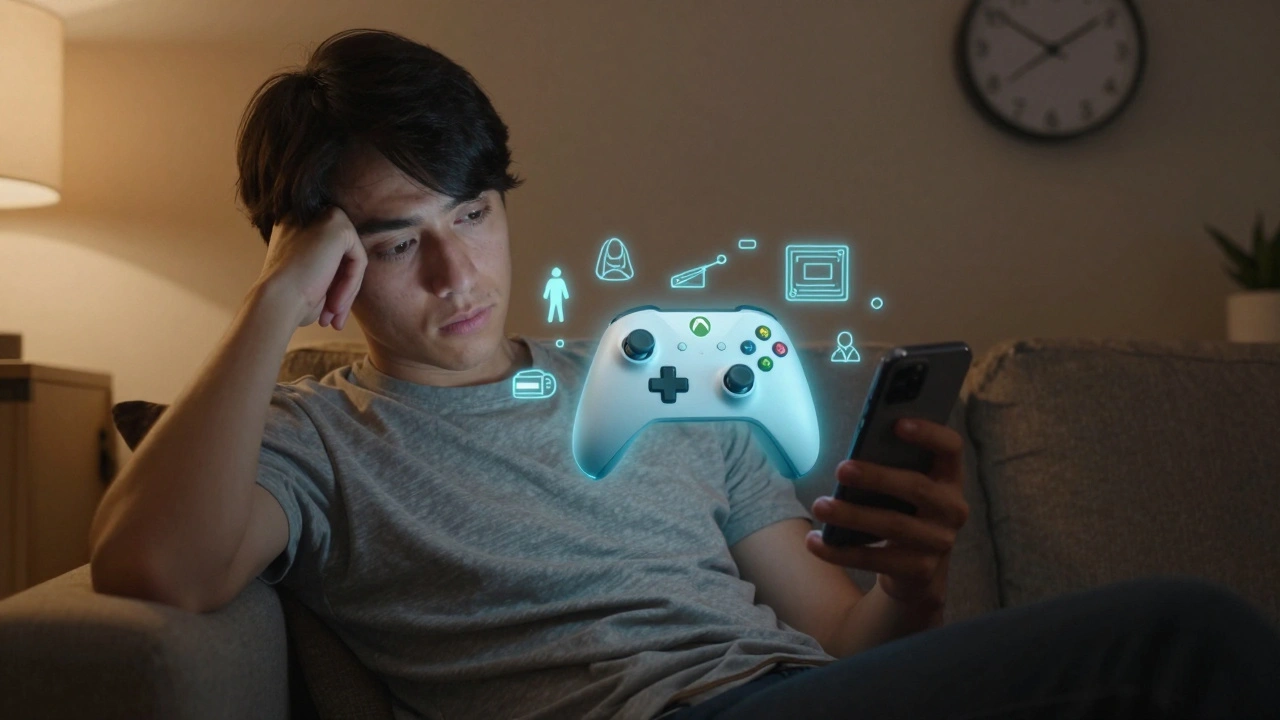
When you pick up your phone to play a quick match of Fortnite at lunch, then switch to your Xbox at home to keep going - that’s cross-platform play in action. It sounds harmless, even convenient. But behind the seamless transition between devices lies a design pattern that’s reshaping how we engage with games - and in many cases, how we lose control of our time.
What Cross-Platform Play Really Means
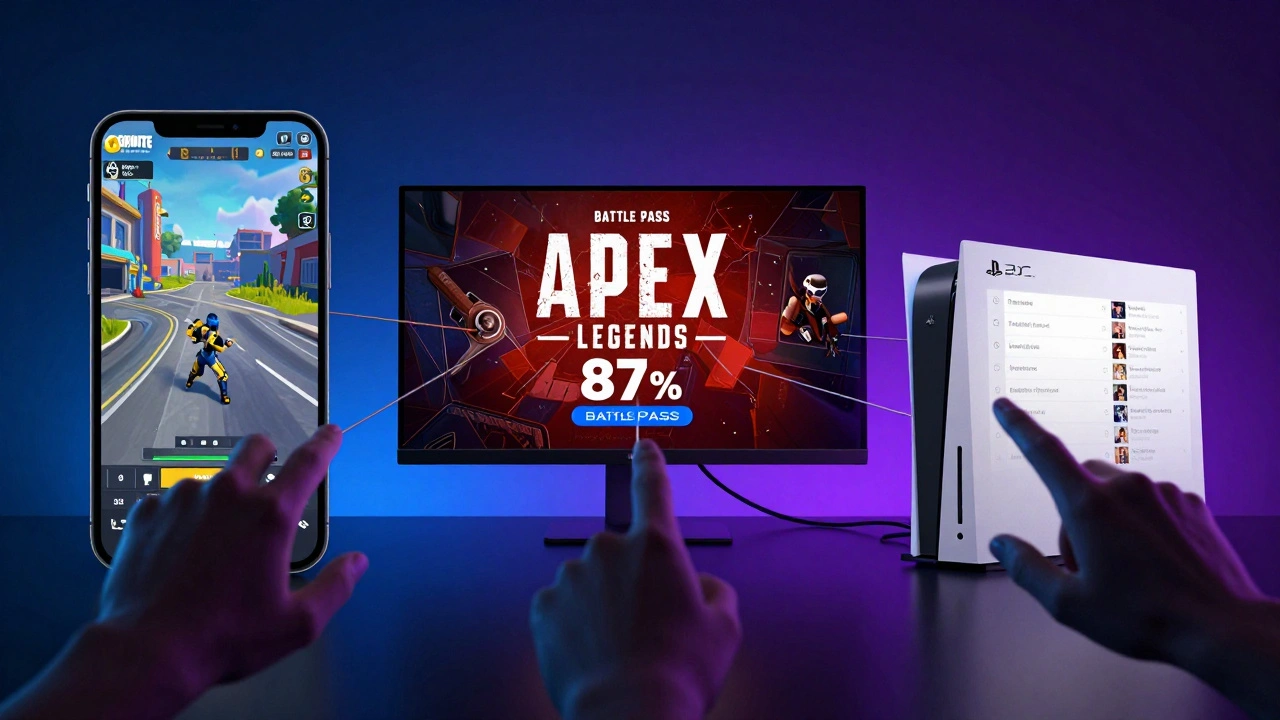
Cross-platform play lets gamers use different devices - phones, consoles, PCs - and still play together in the same game world. You don’t need to own the same hardware. A player on a PlayStation 5 can team up with someone on an Android phone or a Steam PC. It’s not new. Games like Minecraft, Call of Duty: Warzone, and Apex Legends have made it standard since 2018. But what changed after 2022 was the shift from optional feature to mandatory requirement.
Today, if a game doesn’t support cross-play, it’s often seen as outdated. Developers now build games with cloud saves, unified accounts, and real-time syncing as core features. Your progress, cosmetics, and even your friend list follow you across every device you touch. This isn’t just convenience. It’s a trap wrapped in a promise: “You can play anytime, anywhere.”
The Always-Online Trap
Every time you log in, the game checks your connection. No offline mode. No single-player campaign without an internet ping. Why? Because the business model depends on it.
Games like Apex Legends or Roblox make money from microtransactions - skins, battle passes, virtual currency. But they can’t sell you anything if you’re not logged in. So they make sure you’re always connected. They push notifications. They lock progression behind daily login bonuses. They create events that only last 72 hours. You start checking your phone not because you want to, but because you fear falling behind.
A 2024 study from the University of Toronto tracked 1,200 players of cross-platform titles. Those who played across three or more devices were 2.3 times more likely to report playing over 5 hours a day. Why? Because the game never really ends. It’s always waiting. Your character is always level 32. Your battle pass is always 87% complete. Your squad is always online. You’re not playing to win. You’re playing to not lose.
How Addiction Builds
Addiction doesn’t happen because games are violent or flashy. It happens because they’re perfectly tuned to your brain’s reward system. Every kill, every win streak, every daily login - they all trigger dopamine. But cross-platform play multiplies the triggers.
Think about it: when you’re on your phone, you play for 15 minutes. On your tablet, you play for 30. On your PC, you play for two hours. The game doesn’t care which device you’re on. It only cares that you’re connected. And because your progress is synced, you can’t quit one session and say, “I’ll stop here.” You have to finish what you started - even if you’re tired, even if you have work in the morning.
There’s no natural stopping point. In older games, you’d finish a level, turn off the console, and walk away. Now, your character is still waiting. Your inventory is still upgrading. Your friends are still online. The game is always there, always asking for more.
The Social Engine
The biggest driver isn’t the gameplay. It’s the people.
When your best friend logs in from their Switch, you feel pressure to join. When your coworkers talk about the new event in Call of Duty, you don’t want to be left out. Cross-platform play doesn’t just connect devices - it connects social circles. And social pressure is harder to ignore than any in-game reward.
Studies show that players who have friends across multiple platforms are 40% more likely to play daily. Not because they love the game. Because they love the group. And when you’re part of a group that plays every day, quitting feels like abandoning them.
It’s not just multiplayer. It’s social dependency. You’re not addicted to the game. You’re addicted to the connection it provides.
Who’s Most at Risk?
It’s not just teens. It’s college students juggling classes and part-time jobs. It’s remote workers who use gaming to decompress. It’s parents who play with their kids - and end up playing longer than they meant to.
One 2025 survey of 5,000 adults found that 31% of those who played cross-platform games daily reported losing sleep, skipping meals, or missing deadlines because of gameplay. The highest rates? Among people aged 18-25. But the fastest-growing group? Adults over 40. Why? Because they’re less familiar with gaming culture. They don’t realize how the system is designed to keep them hooked.
These aren’t “gamers.” They’re regular people. People who thought they were just having fun. Until they realized they couldn’t stop.
What You Can Do
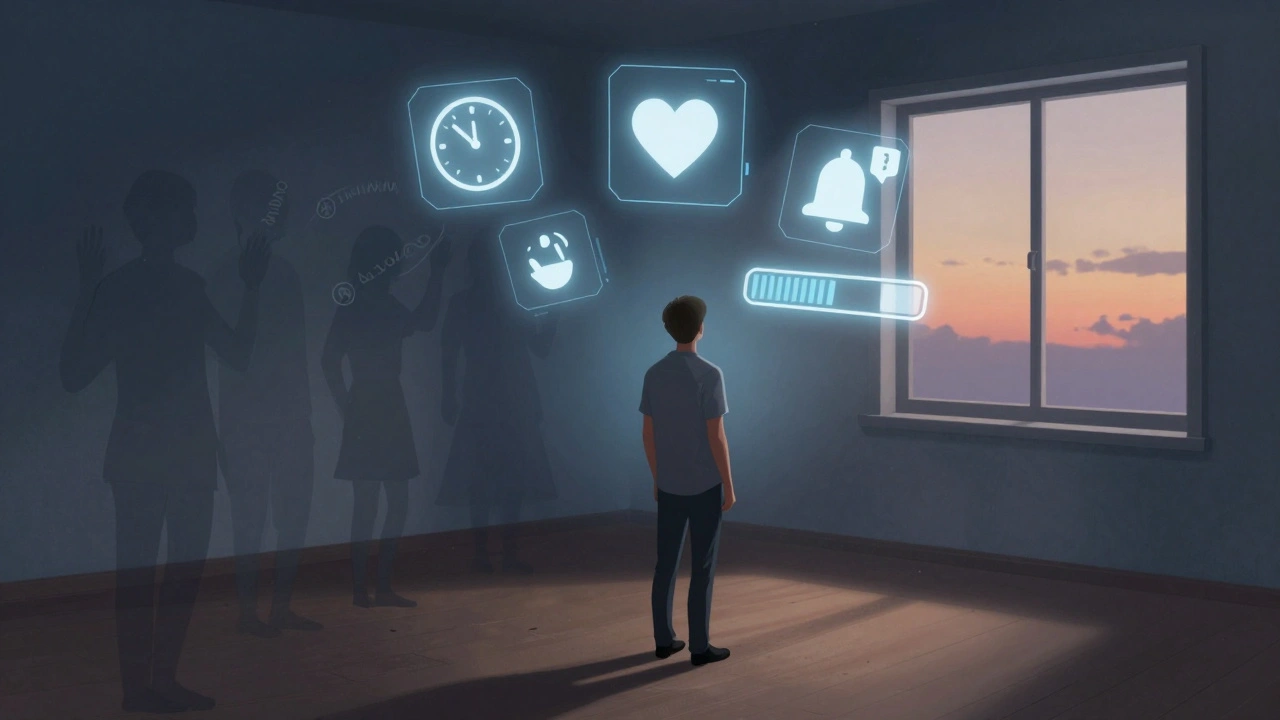
It’s not about quitting games. It’s about reclaiming control.
- Turn off push notifications for games. Let them wait until you choose to open them.
- Set daily time limits using built-in tools (iOS Screen Time, Android Digital Wellbeing, or console parental controls).
- Play one device at a time. Don’t switch between phone, tablet, and PC in the same day.
- Ask yourself: “Am I playing because I want to, or because I’m afraid of falling behind?”
- If you have friends who play with you, talk to them. Make a pact to log off together. Accountability helps.
There’s nothing wrong with enjoying cross-platform games. But when they start dictating your schedule, your mood, or your relationships - that’s when you’ve crossed the line.
The Future Is Already Here
Game companies aren’t hiding this. They’re proud of it. EA calls it “Seamless Engagement.” Activision says it’s “Player Continuity.” These aren’t bugs - they’re features. And they’re working.
The next generation of games will integrate with smart home systems. Your fridge might remind you to log in. Your TV will auto-launch your game when you sit down. The line between game and life is vanishing.
But you still get to choose where the line is drawn. Not the company. Not the algorithm. You.