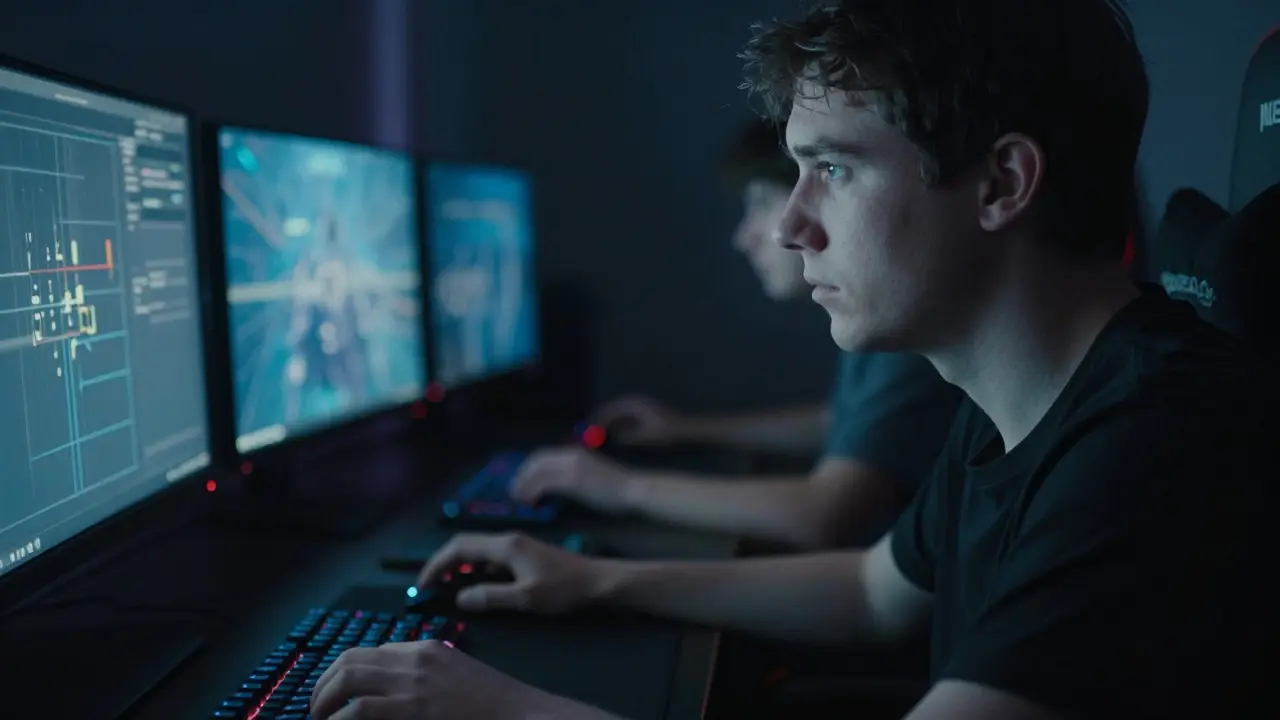
Ever felt like the world lost its color after a particularly intense gaming session? For some players, this isn't just fatigue. It’s a state known as emotional numbing, a psychological response where feelings become dull, distant, or entirely absent. While it might seem like a superpower for staying calm under pressure, in the context of problem gaming, it often signals a deeper issue with how your brain processes rewards and stress.
This phenomenon, clinically referred to as blunted affect, is becoming increasingly recognized among individuals who spend excessive hours in digital environments. It’s not just about playing too much; it’s about how that play changes your emotional baseline. You stop feeling the highs as high, and the lows don’t hit quite as hard. But does that mean you’re safe from burnout? Not necessarily. In fact, this flatline can be a precursor to more significant mood disorders if left unchecked.
What Is Emotional Numbing in Gaming?
Emotional Numbing is a psychological state characterized by a reduction in the intensity of emotional responses to external stimuli. In the gaming world, this often manifests as a lack of excitement when winning, indifference to losing, or a general sense of detachment from real-life events. Unlike depression, which involves persistent sadness, emotional numbing feels more like being behind glass. You see the emotions, but they don’t touch you.
For problem gamers, this state usually develops over time. The brain adapts to the constant dopamine hits provided by game mechanics-loot boxes, level-ups, and competitive victories. Over time, the same amount of stimulation requires less effort to trigger a response, or eventually, no response at all. This is similar to how tolerance works with caffeine or medication. Your nervous system gets used to the input, so the output (the feeling) drops.
The Science Behind Blunted Affect
To understand why this happens, we have to look at the brain’s reward system. The key player here is the prefrontal cortex, which helps regulate emotions and decision-making, and the limbic system, which handles feelings. When you game excessively, the balance between these areas shifts.
- Dopamine Desensitization: Repeated spikes in dopamine lead to fewer receptors available to catch future signals. This results in a lower baseline mood.
- Amygdala Suppression: The amygdala, responsible for processing fear and anxiety, may become less reactive due to the controlled, predictable environment of games compared to the chaos of real life.
- Cortisol Regulation: Chronic gaming can alter how the body manages stress hormones, leading to a state where stress doesn’t feel urgent, hence, numbed.
Research suggests that individuals with high levels of gaming engagement show reduced activity in brain regions associated with empathy and social connection. This doesn’t mean they are cold-hearted people; it means their brains are prioritizing digital feedback over human interaction.
Signs You Might Be Experiencing Blunted Affect
How do you know if you’re crossing the line from casual disinterest to clinical numbing? Here are common indicators that suggest your emotional range is shrinking:
- Indifference to Wins and Losses: Winning a major tournament or losing a crucial match produces little to no emotional reaction.
- Social Withdrawal: Friends and family interactions feel tedious or draining rather than energizing.
- Lack of Enjoyment in Hobbies: Activities you once loved, like reading or hiking, now feel pointless.
- Flat Tone in Conversation: People close to you mention that you sound monotone or uninterested.
- Reliance on High-Stimulation Games: You find simple games boring and need increasingly complex or violent titles to feel anything.
If you recognize three or more of these signs, it’s worth paying attention. This isn’t about judging your hobby; it’s about noticing how it’s reshaping your daily experience.
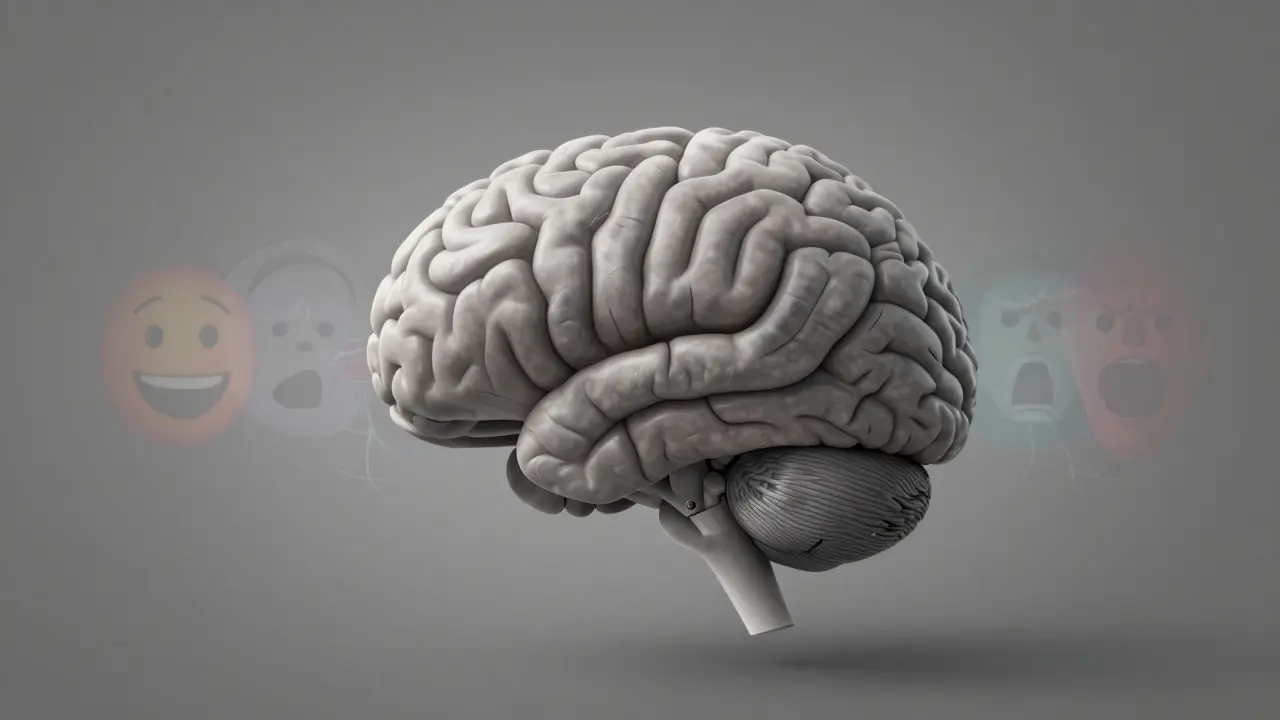
Comparing Emotional States: Normal vs. Numb
It’s easy to confuse normal mood fluctuations with blunted affect. To help clarify, let’s compare typical emotional responses with those seen in problem gamers experiencing numbing.
| Scenario | Casual Gamer Response | Problem Gamer (Blunted Affect) |
|---|---|---|
| Winning a Match | Feelings of pride, joy, or relief lasting several minutes | Mild satisfaction or immediate shift to next objective |
| Losing a Match | Frustration or anger, followed by recovery | Indifference or automatic blame without emotional weight |
| Real-Life Conflict | Anxiety or sadness, prompting communication | Detachment, desire to escape into game |
| Rest Day | Feeling refreshed and ready for new activities | Feeling empty, bored, or irritable without screen time |
Why Does the Brain Choose Numbing?
You might wonder why your brain would do this to you. The answer lies in survival. Emotions are energy-intensive. Processing grief, joy, or fear requires significant cognitive resources. For a gamer whose primary environment is digital, the brain optimizes for efficiency. By dampening emotional responses, it conserves energy for the task at hand: playing.
However, this optimization comes at a cost. Real life is unpredictable. When you face unexpected challenges-a job loss, a relationship issue, or health scare-your brain lacks the practiced pathways to handle them effectively. Instead of adapting, you default to the only strategy that has worked recently: withdrawal and distraction. This creates a cycle where numbing becomes a coping mechanism, which in turn deepens the numbing.
Breaking the Cycle: Practical Steps
Reversing emotional numbing doesn’t happen overnight, but it is possible. The goal isn’t to quit gaming forever, but to restore balance. Here are actionable steps to start regaining your emotional range:
1. Introduce Low-Stimulation Breaks
Instead of jumping from one high-intensity game to another, schedule periods of low-stimulation activity. Go for a walk without headphones. Cook a meal. Sit in silence for ten minutes. These moments allow your brain to reset its dopamine baseline.
2. Practice Mindful Engagement
When you do game, try to notice your emotional state. Are you excited? Bored? Angry? Labeling these feelings without judgment helps reconnect the experience to your awareness. Apps like Headspace offer short guided meditations that can be done before or after sessions.
3. Reconnect with Human Interaction
Blunted affect often isolates you. Make an effort to engage in face-to-face conversations. Join a local club, attend a community event, or simply call a friend. Human interaction provides complex emotional feedback that screens rarely replicate.
4. Monitor Screen Time
Use built-in tools on your devices to track usage. Set limits not as punishments, but as boundaries. If you play four hours, take a mandatory one-hour break. This prevents the continuous loop that leads to desensitization.
When to Seek Professional Help
Sometimes, self-regulation isn’t enough. If emotional numbing interferes with your work, relationships, or daily hygiene, consider speaking with a mental health professional. Therapists specializing in behavioral addictions can provide Cognitive Behavioral Therapy (CBT), which helps reframe thought patterns and rebuild emotional responsiveness. They can also assess whether underlying conditions like anxiety or depression are contributing to the issue.
Remember, seeking help isn’t a sign of weakness. It’s a strategic move to reclaim your emotional toolkit. Just as you’d fix a glitch in a game, fixing your emotional regulation is a skill you can learn and master.
Is emotional numbing the same as depression?
Not exactly. Depression typically involves persistent sadness, hopelessness, and a loss of interest in most activities. Emotional numbing is a specific reduction in emotional intensity, often linked to overstimulation. However, long-term numbing can evolve into depressive symptoms if not addressed.
Can I reverse blunted affect without quitting gaming?
Yes. The key is moderation and balance. By incorporating regular breaks, engaging in offline hobbies, and practicing mindfulness, you can restore your emotional sensitivity while still enjoying gaming as a leisure activity.
How long does it take to feel emotions again?
It varies by individual, but many people report noticeable improvements within two to four weeks of consistent lifestyle changes. Full recovery may take longer depending on the severity of the numbing and other underlying factors.
Do all problem gamers experience emotional numbing?
No. Some problem gamers experience heightened anxiety or irritability instead. Numbing is one common presentation, but not universal. Individual brain chemistry and personality traits play a significant role in how addiction manifests.
What types of games contribute most to blunted affect?
Games with high-frequency reward loops, such as mobile gacha games, loot-box RPGs, and fast-paced competitive shooters, tend to accelerate dopamine desensitization. Slower-paced narrative games may have a lower risk, but any excessive duration can lead to numbing.