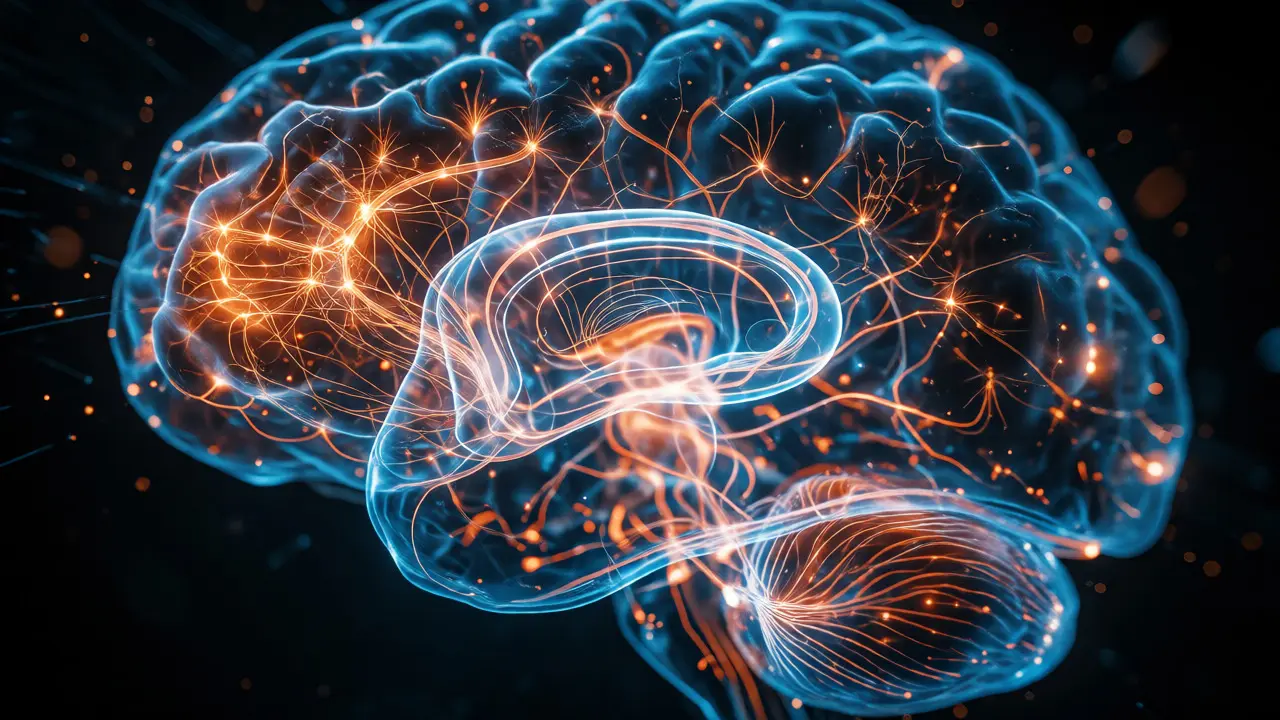
You probably heard the old warning: "Video games will rot your brain." It was a staple of every parent's lecture in the 1990s. But if you actually look at what happens inside your head when you pick up a controller, that advice looks pretty outdated. In fact, recent data suggests the opposite might be true. Video games are not just passive entertainment; they act as active cognitive trainers that can enhance memory, sharpen attention, and improve processing speed.
Think about it. When you play a fast-paced shooter or solve a complex puzzle, your brain isn't idling. It is working hard to track multiple moving objects, remember map layouts, and make split-second decisions under pressure. This mental workout has real-world consequences. Studies from institutions like the University of California, San Francisco, have shown that older adults who played specialized video games for just twelve hours saw their cognitive performance match that of much younger players. The key isn't just playing; it's understanding which types of games help which parts of your brain.
The Science Behind Gaming and Brain Plasticity
Your brain is plastic. That means it changes shape and function based on what you do repeatedly. If you spend ten years playing piano, your motor cortex expands. If you spend ten years playing Tetris, a tile-matching puzzle game that improves spatial reasoning and cortical thickness, your brain develops better visual-spatial skills. This concept, known as neuroplasticity, is the foundation of why gaming can boost mental health.
When you engage with challenging digital environments, your brain releases dopamine and norepinephrine. These neurotransmitters aren't just for feeling good; they are critical for learning and focus. They tell your brain, "Pay attention, this matters, let's store this information." Over time, this reinforces neural pathways associated with problem-solving and memory retention. It’s not magic; it’s biology. The more you challenge your prefrontal cortex-the part of the brain responsible for decision-making and planning-the stronger those connections become.
How Action Games Sharpen Attention
Not all games are created equal. If you want to boost your attention span, action-oriented games are your best bet. Research published in journals like *Nature* indicates that players of first-person shooters (FPS) demonstrate superior selective attention. This is the ability to filter out distractions and focus on relevant stimuli.
Imagine driving in heavy traffic. You need to ignore billboards, listen to the radio, and watch for pedestrians simultaneously. An FPS player practices this exact skill thousands of times per session. They must track enemies, monitor ammo counts, and navigate terrain while ignoring irrelevant background noise. A study by Daphne Bavelier at the University of Rochester found that these gamers could identify more objects in a cluttered scene than non-gamers. Their brains process visual information faster and more accurately.
- Improved Contrast Sensitivity: Gamers often see subtle differences in shades of gray better than non-gamers, which helps in low-light conditions.
- Faster Reaction Times: Regular practice reduces the lag between seeing a stimulus and reacting to it.
- Better Multitasking: Contrary to popular belief, moderate gaming can improve the ability to switch tasks quickly without losing focus.
Puzzle Games and Strategic Thinking for Memory
If action games train your reflexes, strategy and puzzle games train your memory. Titles like Civilization VI or strategy games requiring long-term planning and resource management force you to hold vast amounts of information in your working memory. You have to remember where you placed units three turns ago, what resources you need next, and how your opponent is likely to react.
This type of mental load strengthens episodic memory-the ability to recall specific events and contexts. A study involving older adults showed that playing Super Mario 64 for thirty minutes a day increased gray matter in the hippocampus, the brain region crucial for memory formation and spatial navigation. This suggests that even casual gaming can have protective effects against age-related cognitive decline.
Consider the difference between watching a movie and playing a mystery adventure game. In a movie, you passively absorb the plot. In a game like The Legend of Zelda, you actively explore, find clues, and piece together the narrative yourself. This active engagement creates deeper memory traces. You remember the solution because you worked for it, not because it was handed to you.

Comparing Game Genres and Cognitive Benefits
To maximize benefits, you need to choose the right tool for the job. Here is a breakdown of how different genres impact specific cognitive functions.
| Game Genre | Primary Cognitive Benefit | Key Brain Areas Activated | Real-World Application |
|---|---|---|---|
| Action/FPS | Attention & Processing Speed | Visual Cortex, Prefrontal Cortex | Driving, Sports, Emergency Response |
| Puzzle/Logic | Spatial Reasoning & Problem Solving | Parietal Lobe, Hippocampus | Engineering, Architecture, Navigation |
| Strategy/RTS | Working Memory & Planning | Frontal Lobes | Project Management, Logistics, Finance |
| RPG/Simulation | Emotional Regulation & Empathy | Limbic System, Temporal Lobe | Teamwork, Leadership, Social Dynamics |
Practical Tips for Using Gaming as Brain Training
You don’t need to become a professional esports athlete to reap these rewards. Consistency matters more than intensity. Here is how to structure your gaming habits for maximum cognitive gain.
- Limit Session Length: Aim for 30-60 minute sessions. Fatigue reduces cognitive benefits and can lead to eye strain. Short, frequent bursts are better than one marathon weekend session.
- Choose Challenging Content: If a game feels too easy, your brain stops adapting. Increase difficulty levels or try new genres to keep the novelty factor high.
- Mix Genres: Don’t stick to only shooters. Alternate between action games for attention and puzzles for memory. This provides a balanced cognitive workout.
- Play Offline When Possible: While online multiplayer is fun, single-player campaigns often require deeper strategic thinking and less social distraction, allowing for better focus training.
Also, pay attention to sleep. Your brain consolidates memories during REM sleep. If you stay up until 3 AM grinding levels, you might undo the benefits of the day’s gaming. Protect your sleep hygiene to ensure those new neural pathways solidify.
Common Myths About Gaming and Mental Health
Despite the evidence, skepticism remains. Let’s address the big ones.
Myth 1: All screen time is bad. Not necessarily. Passive scrolling through social media is linked to higher anxiety and lower attention spans. Active gaming, which requires input and decision-making, engages the brain differently. It is the difference between watching TV and solving a crossword puzzle.
Myth 2: Gaming causes addiction, which ruins focus. Internet Gaming Disorder is real, but it affects a small percentage of players (estimated at 1-3% by the WHO). For the majority, moderate gaming does not lead to addiction. Instead, it can serve as a healthy stress reliever, lowering cortisol levels and improving mood, which indirectly boosts cognitive performance.
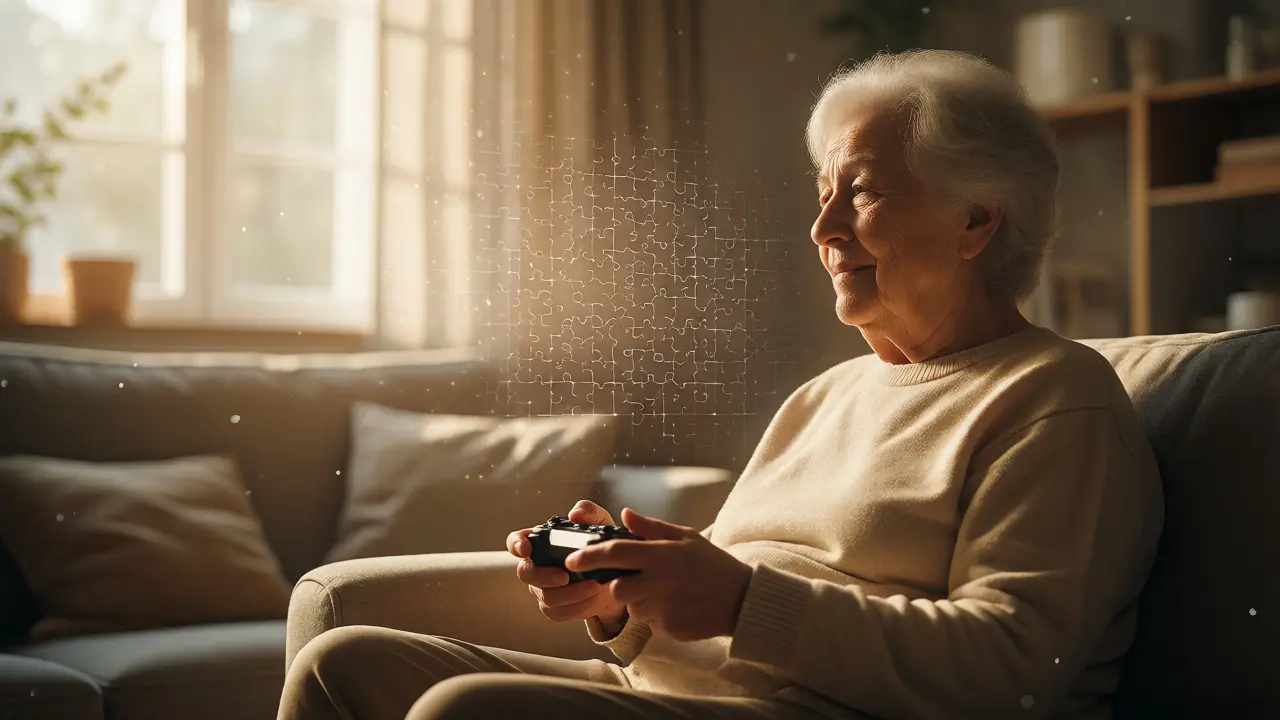
Myth 3: Only young people benefit. Older adults often see the most dramatic improvements. Because aging naturally reduces neuroplasticity, targeted cognitive exercises like gaming can slow down decline. Some studies suggest that regular gamers maintain better executive function into their 70s and 80s compared to non-gamers.
Next Steps: Integrating Gaming into Your Routine
If you’re ready to use gaming as a cognitive tool, start small. Pick one game that challenges you mentally. Commit to playing it for twenty minutes a day for two weeks. Track how you feel afterward. Do you feel sharper? More relaxed? Use that feedback to adjust.
Remember, the goal isn’t to escape reality, but to enhance your ability to handle it. By treating your brain like a muscle and using games as resistance training, you can build a mind that is quicker, sharper, and more resilient.
Do mobile games provide the same benefits as console or PC games?
Yes, but with caveats. Mobile games like Candy Crush or Monument Valley can improve pattern recognition and short-term memory. However, they often lack the depth and complexity of PC or console titles, which may limit long-term gains in executive function and strategic planning. For significant cognitive improvement, more complex games are generally recommended.
How much gaming is considered "moderate" for health benefits?
Most research suggests that 1 to 2 hours per day is the sweet spot. Playing less than an hour may not provide enough stimulation for noticeable changes, while playing more than 3 hours daily can lead to diminishing returns, sedentary behavior risks, and potential interference with sleep or social activities.
Can gaming help with ADHD symptoms?
Some studies indicate that video games can help individuals with ADHD improve focus and impulse control. The immediate feedback loop in games provides the dopamine hits that ADHD brains often crave, helping users sustain attention. However, this should complement, not replace, professional treatment. Consult a healthcare provider before using gaming as a therapeutic tool.
Is there a risk of becoming addicted to gaming?
Yes, but it is relatively rare. The World Health Organization recognizes "Gaming Disorder," characterized by impaired control over gaming and negative consequences in personal, family, or social areas. If gaming starts affecting your work, relationships, or sleep negatively, it may be time to cut back. For most people, however, gaming is a safe hobby.
Which specific games are best for improving memory?
Games that require tracking multiple variables and recalling past actions are best. Examples include Portal 2 for spatial reasoning, StarCraft II for multitasking and memory, and Brain Age series for targeted drills. Complex RPGs like The Witcher 3 also help by forcing players to remember quest details and character interactions.