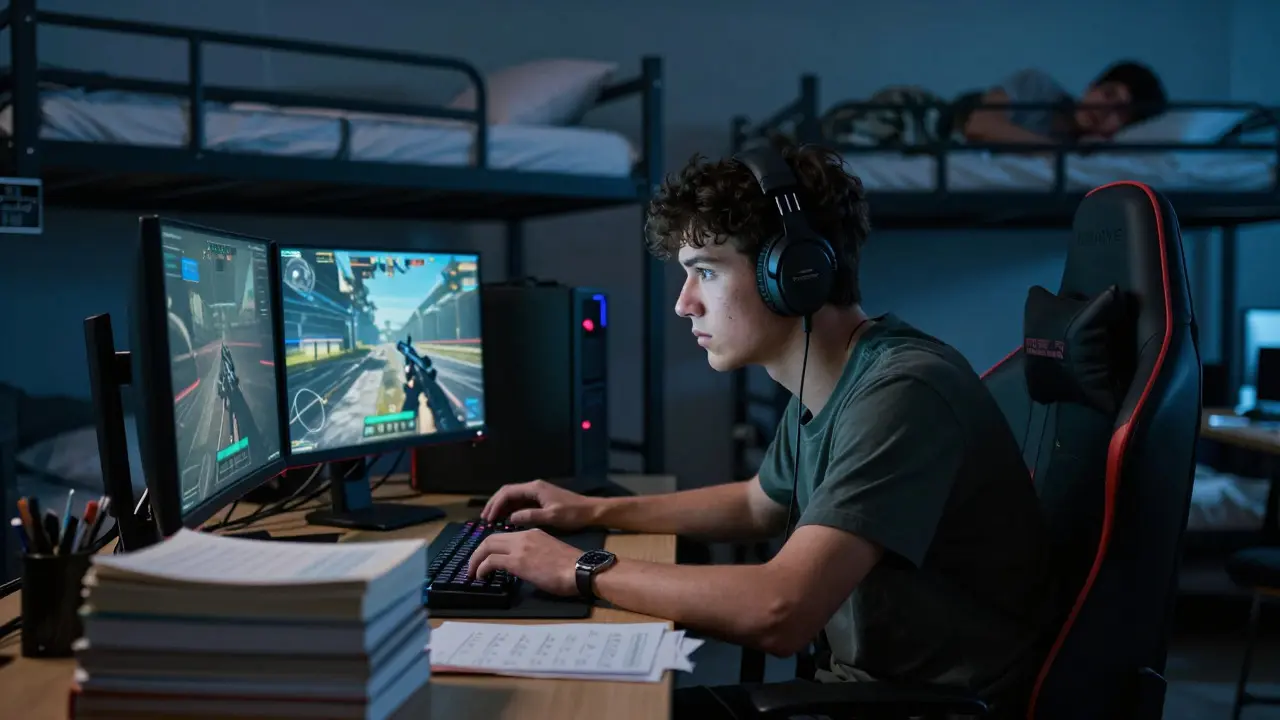
Imagine it’s 11 PM on a Tuesday. Your roommate is asleep, but you’re still in the dorm room, staring at a screen with your team chat buzzing. You have a calculus exam in six hours, but your varsity esports competitive video game league that requires rigorous practice schedules similar to traditional athletics coach just sent a reminder about tomorrow’s scrim. This isn’t a hypothetical; it’s the daily reality for thousands of students across the United States who chose an esports major or joined a varsity team.
The rise of collegiate esports has been explosive. What started as casual club activities in the early 2010s has evolved into a formalized academic and athletic ecosystem. Universities now offer specific degrees in game design, sports management, and media production tied directly to the industry. But this growth brings a unique tension: how do you maintain a 3.5 GPA while competing in a high-stakes tournament circuit? The answer lies not in choosing one over the other, but in understanding the structural differences between esports and traditional sports, and managing the cognitive load that comes with both.
The Demographics of the Modern Esports Student
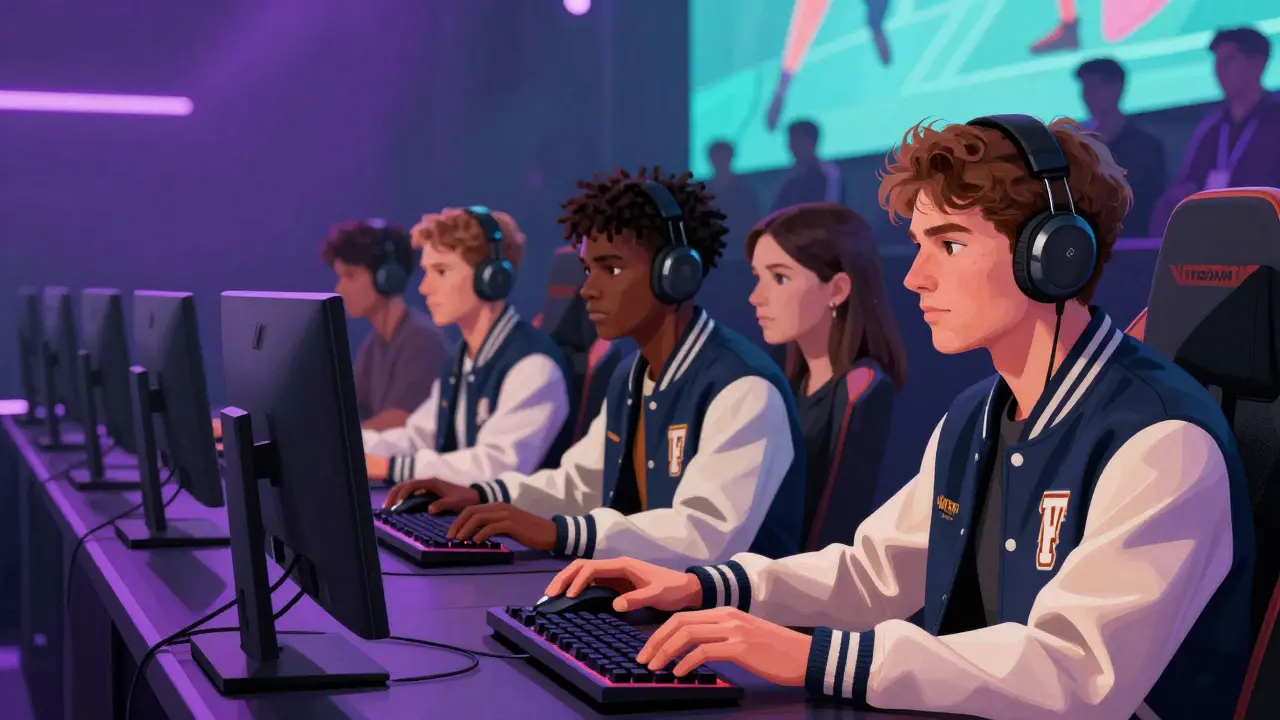
To understand the pressure, we first need to look at who these students are. The demographic profile of a typical esports major differs significantly from that of a traditional football player or basketball athlete. According to data from the National Association of Collegiate Esports (NACE), the average age of a varsity esports player is 20.4 years old, slightly older than the average freshman. More importantly, gender representation is shifting. While historically male-dominated, women now make up approximately 38% of competitive rosters in titles like League of Legends a popular multiplayer online battle arena game widely used in collegiate competitions and Valorant a tactical first-person shooter known for its precision mechanics and strategic depth.
Ethnic diversity is also higher in esports than in many traditional sports. Roughly 45% of collegiate esports players identify as non-white, compared to lower percentages in NCAA Division I football. This diversity stems partly from the accessibility of gaming hardware versus the physical requirements of contact sports. However, socioeconomic status remains a barrier. High-end PCs and fast internet connections are prerequisites, which can exclude students from lower-income backgrounds unless the university provides full equipment support.
Academic Structure vs. Practice Schedules
The core conflict for these students is time management. Traditional sports often require 10-15 hours of practice per week, usually in the afternoon. Esports practices are different. They are mentally intense, shorter in duration but more frequent, and often scheduled during evening hours when students might otherwise be studying or socializing.
A standard week for a varsity esports player looks like this:
- Monday-Wednesday: Two 2-hour practice sessions (usually 6 PM - 8 PM). These involve scrims against rival schools and review of VODs (video on demand recordings).
- Thursday: One 3-hour strategy session focusing on meta-game analysis and patch notes.
- Friday-Saturday: Tournament weekends. Travel, setup, and matches can consume entire days.
- Sunday: Rest day, but often includes self-directed study or light solo queue play.
This schedule leaves little margin for error. If a student misses a class because of a late-night practice, they fall behind. Unlike football, where a missed practice might mean missing some drills, a missed esports practice means falling out of sync with the team’s current strategy. The cognitive fatigue from two hours of intense focus in a game like Counter-Strike 2 a tactical shooter emphasizing gunplay and map control can leave a student too drained to tackle a dense history textbook immediately after.
Cognitive Load and Study Habits
One of the biggest misconceptions is that gaming is "passive" entertainment. For competitive players, it is highly active cognitive work. Studies on reaction times and decision-making show that top-tier gamers operate with split-second processing speeds. However, this intensity creates a phenomenon known as "cognitive depletion."
Students who practice until 9 PM often report difficulty concentrating on complex academic tasks until the next morning. To combat this, successful esports majors adopt specific study habits:
- Morning Deep Work: Using the first three hours of the day for difficult subjects like math or coding before any gaming occurs.
- Spaced Repetition: Breaking study sessions into 25-minute blocks (Pomodoro technique) to prevent burnout during long days.
- Active Recall During Commutes: Using travel time to tournaments to review flashcards instead of watching replays.
Professors in STEM fields have noticed a trend: esports majors often excel in computer science and engineering courses. The problem-solving skills required to adapt to new game patches translate well to debugging code or optimizing algorithms. This crossover benefit is a key argument for integrating esports into the curriculum rather than treating it as an extracurricular hobby.
Financial Aid and Scholarship Realities
Money matters. While traditional sports offer full-ride scholarships, esports scholarships are smaller but growing. The average annual esports scholarship value is around $2,500 to $5,000, compared to $10,000+ for football. However, these scholarships often come with strict GPA requirements, typically a minimum of 3.0.
Here is a comparison of the financial and time commitments:
| Factor | Traditional Varsity Sport | Collegiate Esports |
|---|---|---|
| Average Weekly Hours | 15-20 hours | 10-15 hours |
| Physical Demand | High (injury risk) | Low (sedentary, eye strain) |
| Avg. Scholarship Value | $10,000+ | $2,500 - $5,000 |
| Primary Skill Focus | Physical athleticism | Cognitive speed & strategy |
| Travel Frequency | Weekends | Weekends + Mid-week events |
For students relying on these scholarships, the pressure to maintain grades is immense. A drop in GPA can mean losing funding mid-year, forcing them to either quit the team or take on part-time jobs that further reduce study time. This creates a vicious cycle that administrators are working to break by offering dedicated esports tutors and flexible grading policies for tournament weeks.
Building a Sustainable Routine
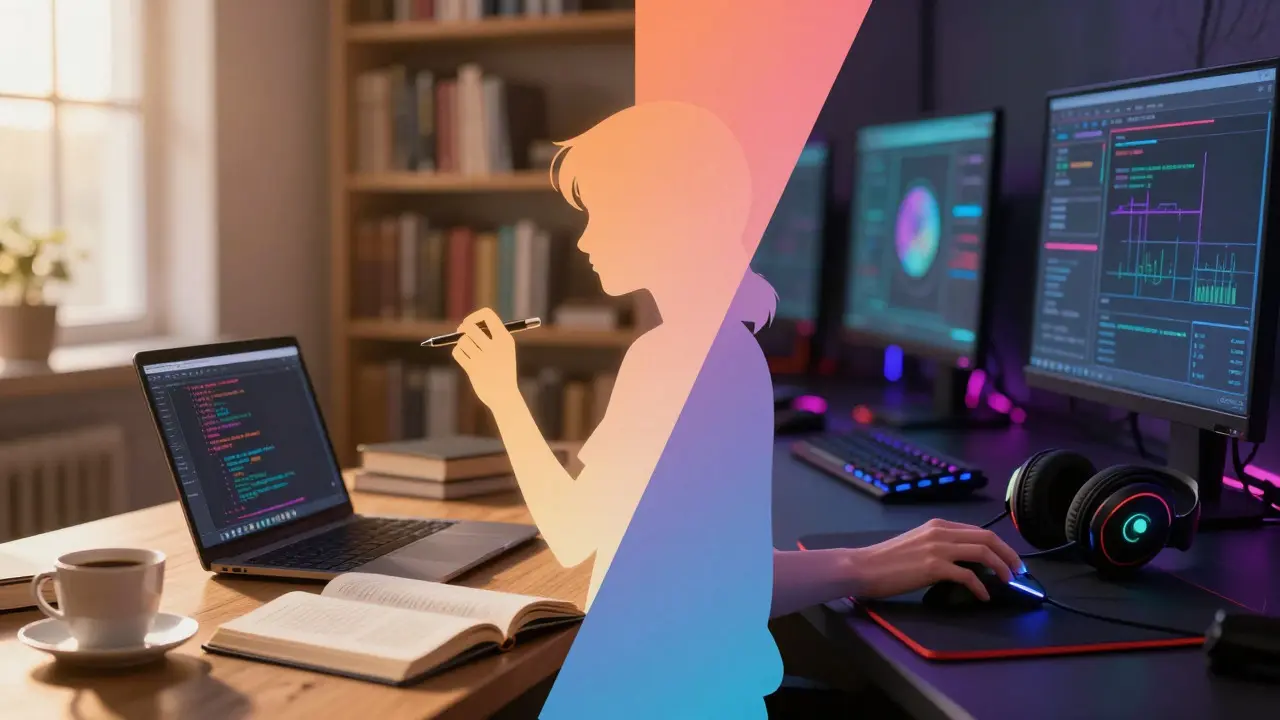
So, how do you actually make it work? It starts with setting boundaries. Many students find that separating their "player brain" from their "student brain" is crucial. This doesn’t mean stopping gaming entirely, but rather scheduling it deliberately.
Consider this rule of thumb: No competitive gaming within 4 hours of a major exam. Use that time for light reading or walking. Also, leverage technology. Apps that track screen time can help identify if you’re spending too much time in solo queue instead of practicing with your team. Efficient practice is better than long, unfocused play.
Finally, don’t underestimate the power of sleep. Esports players often sacrifice sleep for extra practice. Research suggests that memory consolidation happens during REM sleep. If you’re learning new strategies or studying for finals, pulling an all-nighter to play ranked games will hurt your performance in both arenas. Aim for 7-8 hours of quality sleep, no matter how tempting the lobby is.
Frequently Asked Questions
Is an esports major worth it academically?
Yes, provided you choose a program that integrates technical skills like coding, design, or business management. Purely theoretical programs may lack practical application, so look for curricula that include hands-on project work and industry partnerships.
How many hours a week do varsity esports players practice?
On average, varsity players spend 10 to 15 hours per week on structured team practices and scrims. This does not include individual solo play, which varies greatly by player.
Do esports players get scholarships?
Yes, but they are generally smaller than those for traditional sports. Most range from $1,000 to $5,000 annually. Some universities offer partial tuition waivers or gear stipends instead of cash awards.
What are the biggest health risks for esports students?
The primary risks are sedentary lifestyle issues, such as poor posture and eye strain. Carpal tunnel syndrome is also common due to repetitive mouse movements. Regular stretching breaks and ergonomic setups are essential mitigations.
Can I join an esports team without being a major in the field?
Absolutely. Most university esports teams are open to any enrolled student regardless of their major. Recruitment focuses on skill level and commitment rather than academic background, though maintaining eligibility (GPA) is required.