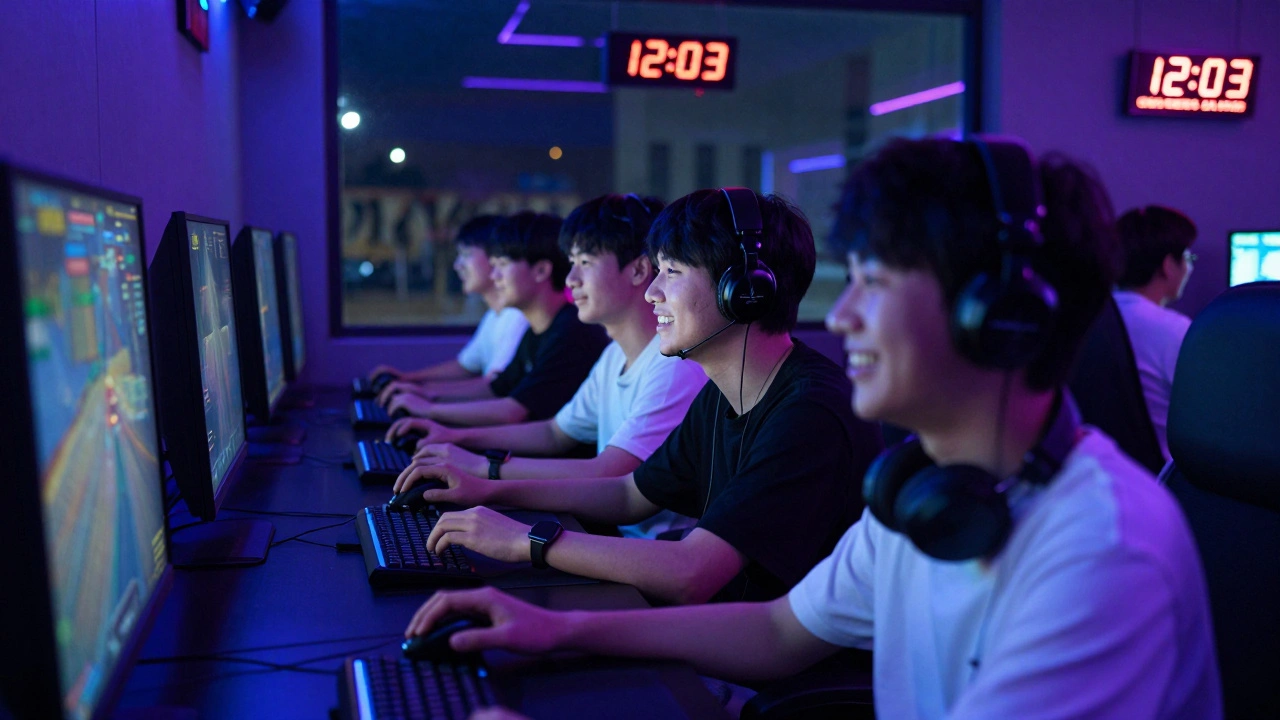
When you think of gaming addiction, you might picture someone playing late into the night, ignoring meals or sleep. But not everyone experiences gaming the same way. Research shows that gaming addiction doesn’t spread evenly across cultures or ethnic groups. Some communities see higher rates of problematic play, while others show strong protective behaviors-even when access to games is similar. Why does this happen? It’s not about how many hours someone plays. It’s about what gaming means in their life, how their family responds, and what other outlets they have for stress, connection, or escape.
How Culture Shapes Gaming Habits
In South Korea, gaming has long been part of daily life. Internet cafes called PC bangs are social hubs, not just places to play. Young people go there to hang out, compete, and unwind. But this normalization didn’t lead to universal addiction. Instead, the government stepped in early. By 2011, they passed the “Cinderella Law,” which banned children under 16 from playing online games between midnight and 6 a.m. That policy didn’t come out of nowhere-it reflected a cultural fear of gaming disrupting education and family time. The result? A measurable drop in severe gaming disorder cases among teens, even as game usage stayed high.
In contrast, in parts of the United States, gaming is often seen as a solitary, individual hobby. Parents might worry about their child’s screen time, but they rarely see gaming as a social threat. This difference in perception affects how addiction is recognized. In one 2023 study of 12,000 gamers across 18 countries, East Asian participants were 40% more likely to report symptoms like neglecting personal hygiene or skipping meals due to gaming. But when researchers dug deeper, they found something surprising: these same individuals were also more likely to feel guilt or shame about their play, not because they played more, but because their culture framed gaming as irresponsible.
Family Structures and Social Pressure
Family dynamics play a huge role. In collectivist cultures-like those in China, Japan, and many Southeast Asian countries-individual behavior is often judged by how it affects the family unit. A teenager who spends 8 hours a day gaming isn’t just being lazy; they’re seen as failing their parents, their school, and their future. This pressure can backfire. Some kids double down on gaming as an escape from criticism. Others become hyper-aware and self-regulate. The difference? How open families are to talking about it.
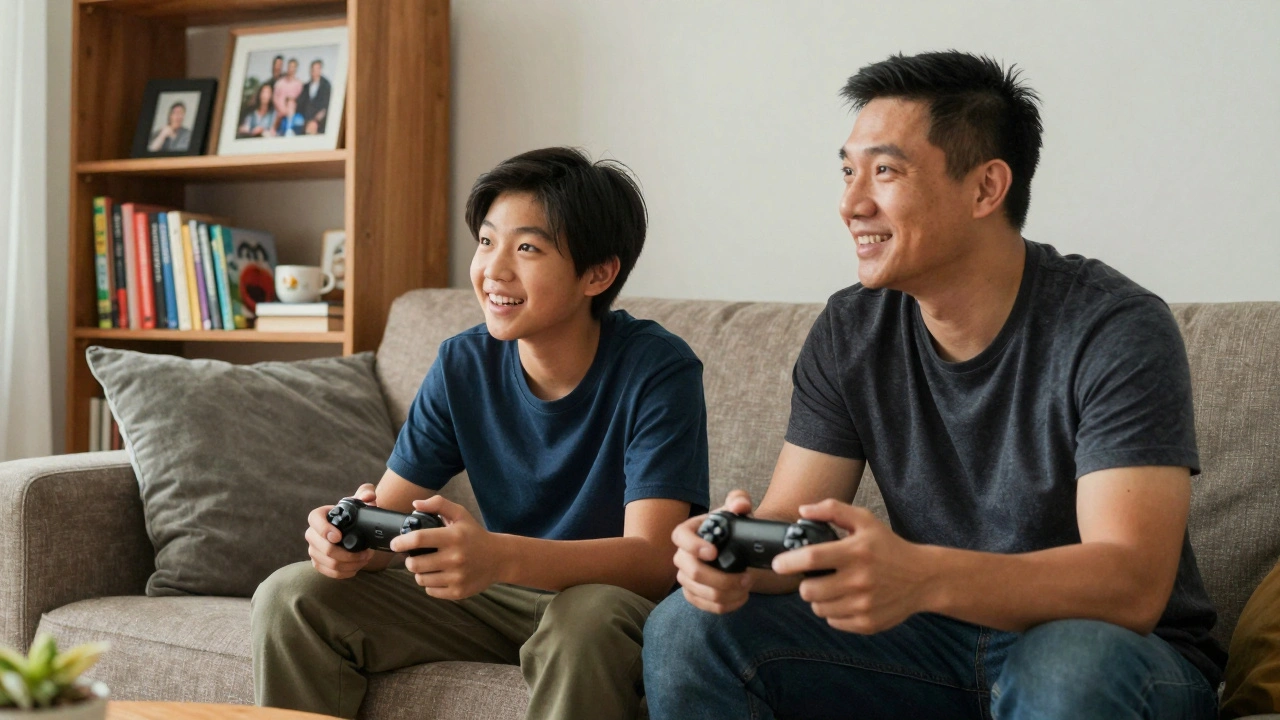
In Western countries, especially the U.S. and Canada, parenting styles tend to be more permissive. Parents might set screen time limits, but they rarely link gaming to moral failure. This can lead to lower levels of guilt, but also less urgency to intervene. A 2024 longitudinal study from the University of British Columbia tracked 3,000 teens over three years. Teens in families that talked openly about gaming habits-without judgment-were 50% less likely to develop compulsive patterns. The key wasn’t the rule. It was the conversation.
Access, Economics, and Social Isolation
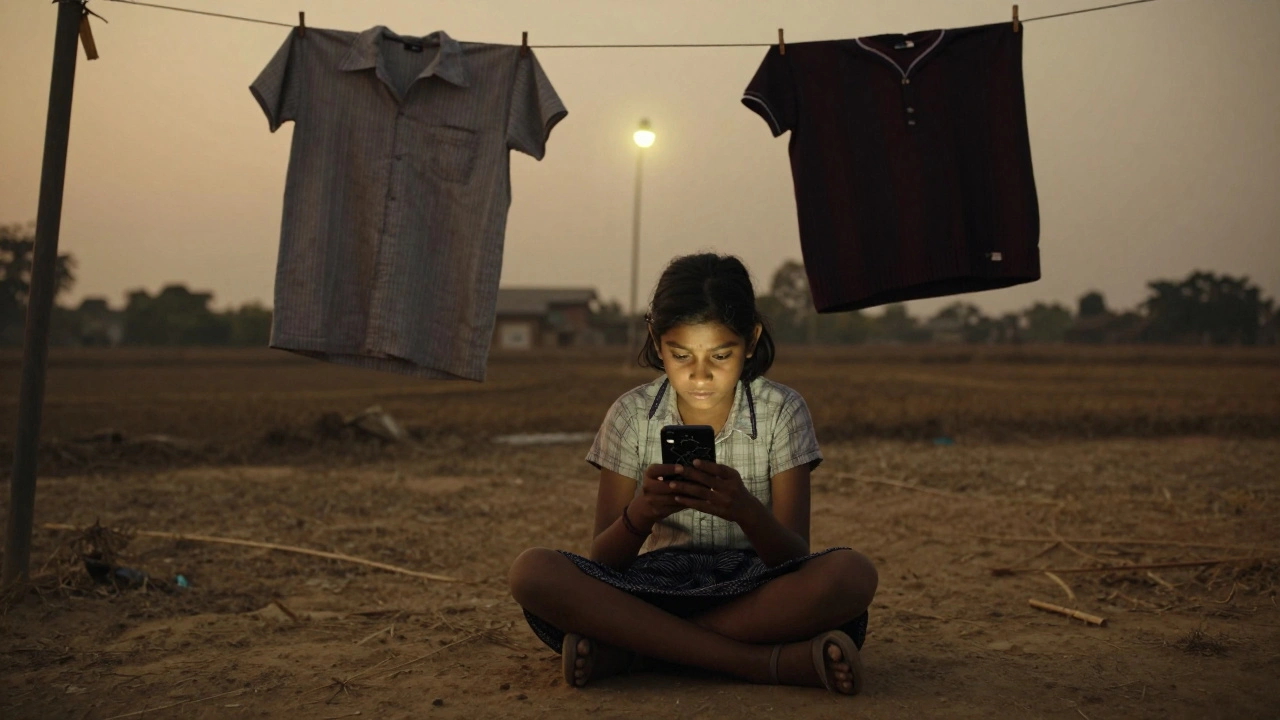
It’s easy to assume that more access equals more addiction. But that’s not true. In rural India, where internet speeds are slow and data plans are expensive, gaming is often limited to weekends or public Wi-Fi spots. Yet, among the youth who do play, rates of problematic use are rising faster than in urban areas. Why? Because gaming is one of the few affordable, accessible escapes from poverty, isolation, or lack of opportunity. For a teenager in a small village with no after-school programs or sports teams, a mobile game might be their only connection to peers, achievement, or excitement.
In contrast, in countries like Germany or the Netherlands, where public recreation is well-funded and social support systems are strong, gaming addiction rates stay low-even among heavy users. The difference? Alternatives. People have places to go, things to do, and communities to belong to outside of screens.
Stigma and Reporting Bias
Here’s a hidden factor: how we measure addiction. Most global studies rely on self-reported surveys. But in cultures where mental health is stigmatized, people hide their struggles. In Japan, for example, gaming disorder is rarely discussed openly. A 2025 survey by Tokyo University found that 18% of young adults met clinical criteria for gaming disorder-but only 3% admitted to having a problem. The rest feared being labeled as weak, lazy, or unproductive.
Meanwhile, in the U.S., where mental health awareness is higher, more people report symptoms. But they’re often misdiagnosed. Many clinicians still equate “lots of gaming” with “addiction,” even when the person has stable jobs, relationships, and sleep. This leads to overdiagnosis in some places and underdiagnosis in others. The real issue isn’t the number of hours played-it’s whether gaming is causing harm to someone’s life.
What Works: Culturally Tailored Interventions
One-size-fits-all solutions don’t work. In China, government-backed programs focus on family therapy and school reintegration. Parents are trained to recognize early signs and rebuild trust. In Brazil, community centers run after-school gaming clubs with mentors who teach balance-not restriction. In Sweden, schools use game design as a teaching tool, helping students understand their own habits through coding and psychology projects.
The most effective programs share one thing: they don’t shame. They listen. They adapt. A 2026 meta-analysis of 42 intervention studies found that culturally adapted programs were 2.3 times more effective than generic ones. For example, in immigrant communities in Canada, programs that included elders and native language support saw 70% higher engagement than English-only versions.
The Bigger Picture
Gaming addiction isn’t a universal disease. It’s a response to environment, expectation, and emotion. The same game that helps a lonely teen in rural Kenya connect with friends might push another teen in Seoul into isolation because of family pressure. We can’t fix this by banning games or blaming players. We need to understand the cultural soil where these behaviors grow.
What works in one country fails in another. What’s seen as a vice in one culture is a social lifeline in another. The path forward isn’t more control-it’s more empathy. Better data. Local voices. And the willingness to stop treating gaming addiction like a tech problem, and start treating it like a human one.