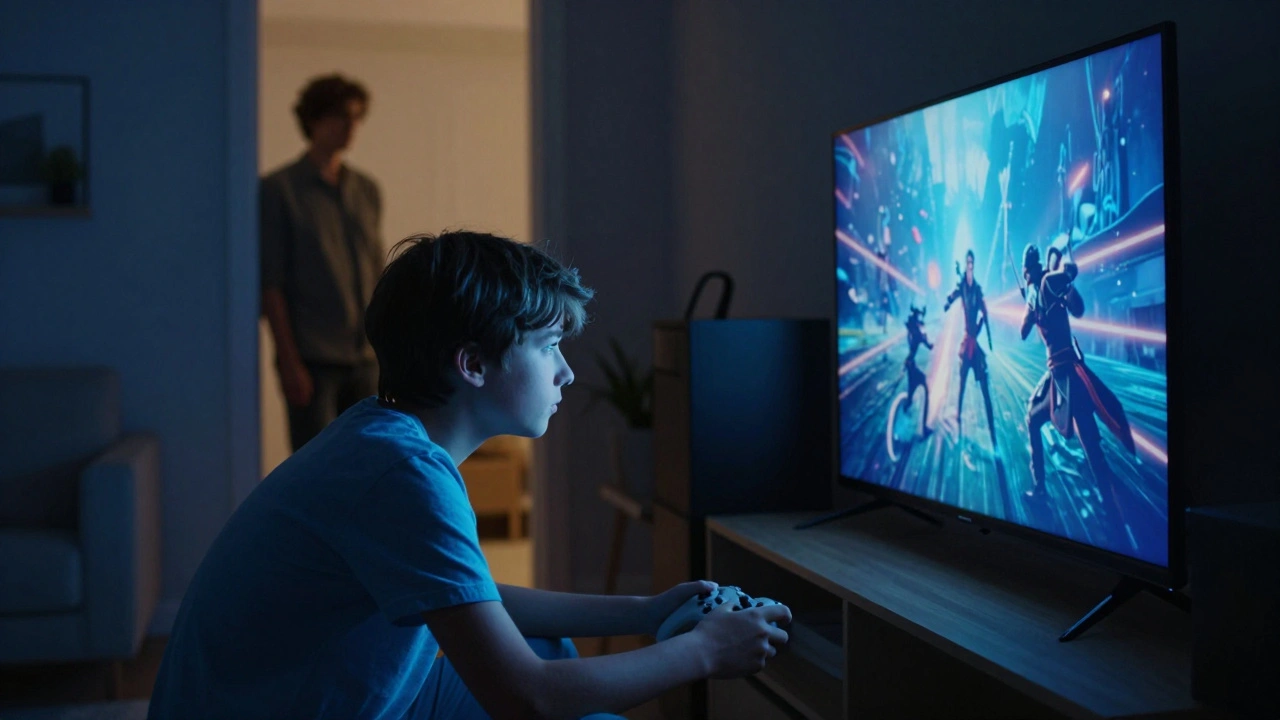
It starts with a closed door. Then comes the silence during dinner. Finally, it erupts into shouting matches over an Xbox controller or a smartphone screen. If you recognize this pattern, you are not alone. The intersection of gaming addiction is a behavioral disorder characterized by excessive and compulsive use of video games that interferes with daily life and family life has become one of the most common sources of tension in modern households. This isn't just about "too much screen time." It is about a fundamental shift in how children connect, communicate, and prioritize their relationships.
In 2026, we are seeing a clear evolution from casual play to immersive, always-on digital ecosystems. Games like Elden Ring is an action role-playing game known for its high difficulty and deep lore or social platforms like Roblox is an online gaming platform and game creation system developed by Roblox Corporation offer rewards, status, and community that the real world often fails to provide. When a child finds more validation in a virtual achievement than in a conversation with their parents, the relationship fractures. Understanding why this happens-and how to fix it-is crucial for any parent trying to bridge the digital divide.
The Psychology Behind the Screen
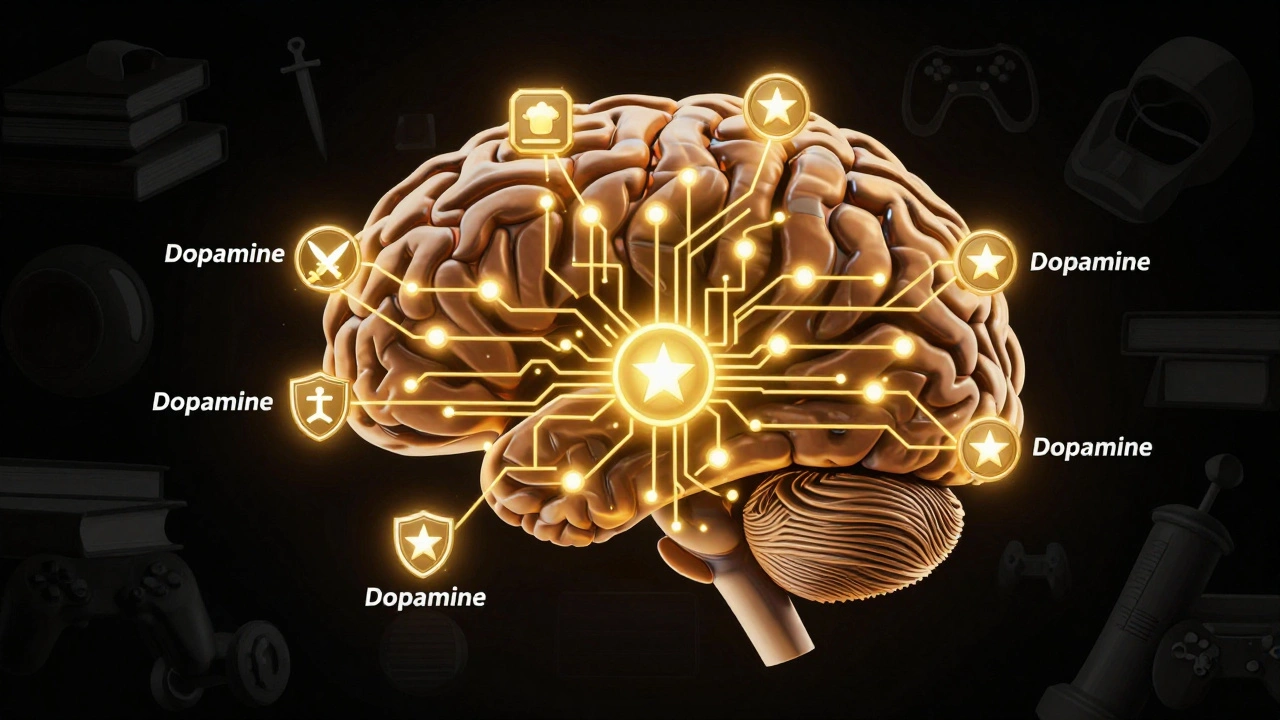
To address the conflict, we first need to understand what the child is actually experiencing. It is easy to label it as laziness or rebellion, but the reality is rooted in neuroscience. Video games are designed to trigger the release of dopamine is a neurotransmitter associated with pleasure, reward, and motivation in the brain. Every level completed, every enemy defeated, and every loot box opened provides a micro-dose of satisfaction. For a teenager facing academic pressure, social anxiety, or identity confusion, the game offers a predictable source of competence and control.
When you take the device away, you are not just removing entertainment; you are removing their primary coping mechanism. This triggers a stress response similar to withdrawal. The anger, irritability, and defensiveness you see are physiological reactions. Recognizing this helps shift your perspective from "my child is being difficult" to "my child is struggling with regulation." This empathy does not mean you accept the behavior, but it changes how you approach the conversation. Instead of attacking the habit, you address the underlying need for connection and achievement.
How Gaming Disrupts Family Dynamics
The strain on the parent-child relationship manifests in several specific ways. First, there is the erosion of shared time. Dinner tables used to be places of storytelling and debate. Now, they are often silent zones where everyone stares at a different screen. This lack of interaction reduces the emotional bandwidth available for resolving conflicts. When a problem arises, there is no reservoir of goodwill built through daily connection.
Second, gaming creates a parallel social structure. In many multiplayer games, guilds and clans operate with strict hierarchies and expectations. A child may feel immense pressure to log in at specific times to support their team. To them, missing a raid is a betrayal of their friends. To you, it is missing a family movie night. These competing loyalties create direct conflict. The child feels misunderstood because you do not grasp the social stakes of the virtual world, while you feel displaced by a hobby that seems isolating.
| Aspect | Traditional Interaction | Gaming-Dominated Interaction |
|---|---|---|
| Communication Style | Face-to-face, nuanced body language | Text-based, abbreviated, emoji-reliant |
| Reward System | Delayed gratification (grades, sports) | Immediate feedback (loot, levels) |
| Social Pressure | Local peer group, school dynamics | Global clan/guild obligations |
| Conflict Resolution | Negotiation, compromise | Avoidance, shutdown, rage-quitting |
The Cycle of Control and Rebellion
Most conflicts escalate due to poor boundary setting. Parents often react to gaming addiction with extreme measures: confiscating devices, cutting internet access, or installing restrictive software. While these actions might stop the playing temporarily, they rarely solve the root cause. In fact, they often fuel resentment. The child views the parent as an authoritarian figure rather than a supportive guide. This leads to deception-hiding usage stats, using secret accounts, or playing on mobile devices when unsupervised. The trust erodes further, creating a cycle of surveillance and evasion that damages the relationship long-term.
Recognizing the Signs of Problematic Use
Not all heavy gaming is addiction. Many kids play extensively without negative consequences. However, certain behaviors signal that gaming is becoming harmful to family relations. Look for these red flags:
- Loss of Interest: Hobbies, sports, or activities they once loved are abandoned entirely.
- Mood Swings: Extreme irritability or aggression when asked to stop playing.
- Lying: Denying how long they have been playing or hiding the nature of the games.
- Physical Neglect: Skipping meals, poor hygiene, or disrupted sleep patterns.
- Academic Decline: Grades dropping because homework is ignored in favor of gameplay.
If you notice three or more of these signs consistently over a few weeks, it is likely more than a phase. It is a behavioral issue that requires intervention. The key is to document these observations objectively. Instead of saying "You are addicted," say "I've noticed you haven't eaten dinner in three days because you were playing. I am worried about your health." This factual approach reduces defensiveness.
Strategies for Rebuilding Connection
Recovering the relationship requires patience and a shift in strategy. You cannot force your child to care about the real world if the virtual world is offering better rewards. Instead, you must make the real world more engaging and connected.
- Establish Clear, Collaborative Boundaries: Do not impose rules unilaterally. Sit down together and create a "Family Media Plan." Agree on specific times when devices are off-limits, such as during meals or one hour before bed. Let the child have input on when they can play. Ownership of the rules increases compliance.
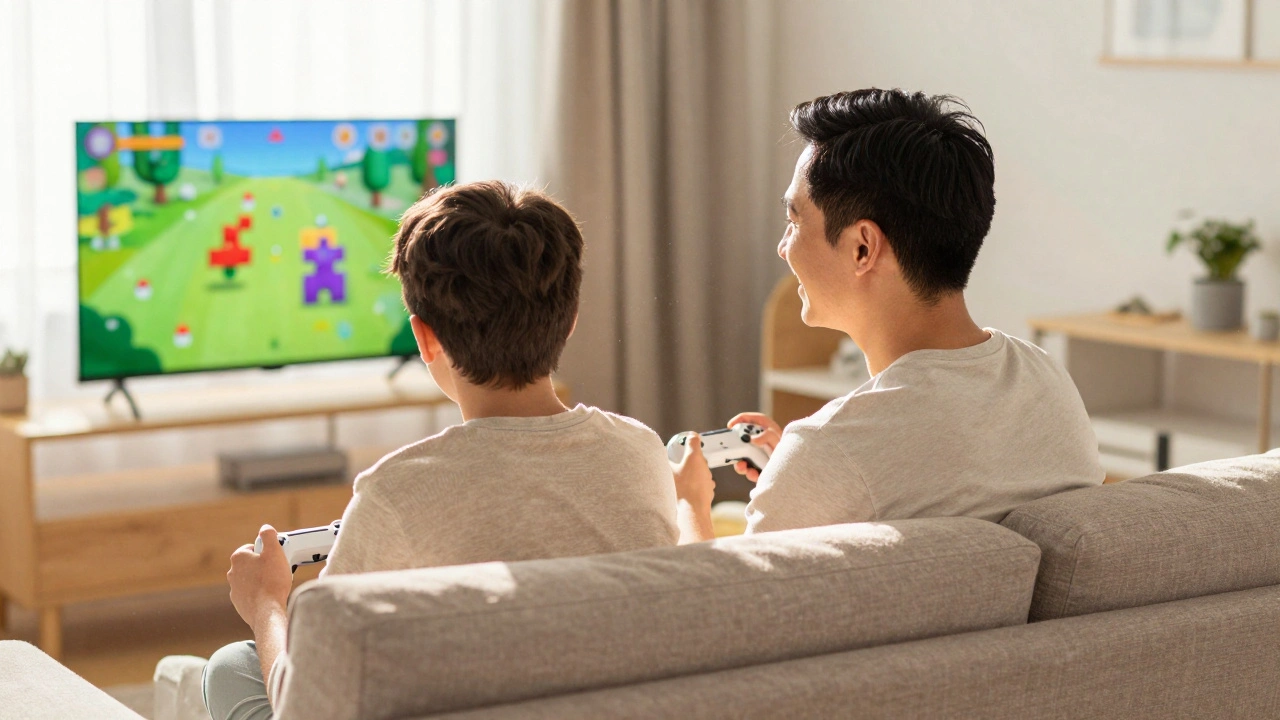
- Find Common Ground: Ask your child to teach you about their game. Show genuine interest in the mechanics, the story, or the characters. Playing together, even if you are bad at it, builds bridges. It shows you respect their passion and want to participate in their world.
- Replace, Don't Just Remove: Taking away the game leaves a void. Fill it with alternative activities that provide similar dopamine hits or social connections. Enroll them in a sport, a coding club, or a board game night. The goal is to diversify their sources of joy.
- Practice Active Listening: When conflicts arise, listen to understand, not to reply. Validate their feelings. "I can see you're frustrated because you lost the match." Validation calms the nervous system and opens the door for rational discussion.
The Role of Technology in Solutions
Technology can also be part of the solution. Use parental controls not as a spy tool, but as a training wheel. Apps like Qustodio is a parental control software that monitors and manages children's online activity or built-in features on consoles can set automatic shut-off times. Frame this as helping them manage their time, not punishing them. Transparency is key-let them know what is being tracked and why.
When to Seek Professional Help
Sometimes, the strain is too great for families to handle alone. If gaming addiction is accompanied by depression, anxiety, or self-harm, professional intervention is necessary. Therapists specializing in Cognitive Behavioral Therapy (CBT) is a type of psychotherapy that focuses on changing negative thought patterns and behaviors can help children develop healthier coping mechanisms. Family therapy can also repair the communication breakdowns that have occurred. Remember, seeking help is a sign of strength, not failure. It demonstrates a commitment to healing the relationship.
Long-Term Maintenance
Recovery is not a one-time event. It is an ongoing process. As your child grows, their needs will change. What works for a 12-year-old may not work for a 16-year-old. Keep the dialogue open. Regularly check in on how the boundaries are working. Be willing to adjust them as trust is rebuilt. Celebrate small victories-a week without conflict, a good grade, a shared meal enjoyed without screens. These moments reinforce the value of real-world connection.
Ultimately, the goal is not to eliminate gaming from your child's life. It is to ensure that gaming remains a hobby, not a master. By understanding the psychological drivers, setting healthy boundaries, and prioritizing connection, you can transform the conflict into an opportunity for deeper understanding. The path back to each other is paved with empathy, consistency, and the willingness to meet your child halfway-in both the digital and physical worlds.
Is gaming addiction officially recognized as a mental disorder?
Yes. In 2019, the World Health Organization (WHO) included "Gaming Disorder" in the International Classification of Diseases (ICD-11). It is defined by impaired control over gaming, increasing priority given to gaming over other activities, and continuation or escalation of gaming despite negative consequences.
What age group is most susceptible to gaming addiction?
Adolescents, particularly those between the ages of 12 and 18, are most at risk. This is due to developmental factors such as heightened sensitivity to rewards, peer pressure, and the search for identity. However, younger children and adults can also develop problematic gaming habits.
Can taking away the console permanently solve the problem?
No. Abruptly removing the device without addressing the underlying emotional needs often leads to increased anxiety, depression, and rebellion. It treats the symptom, not the cause. A gradual reduction in screen time combined with alternative activities and therapy is more effective.
How can parents balance allowing fun gaming with preventing addiction?
Balance is achieved through consistent boundaries and open communication. Set clear time limits, encourage diverse hobbies, and monitor content. Engage with your child's gaming interests to understand what appeals to them. Regular check-ins help identify early warning signs of problematic use.
Are there specific types of games that are more addictive?
Games with variable reward schedules, such as loot boxes in RPGs or battle royale modes, tend to be more addictive. These mechanics mimic gambling, triggering dopamine releases unpredictably. Social multiplayer games that require team coordination can also create strong social pressures to play regularly.