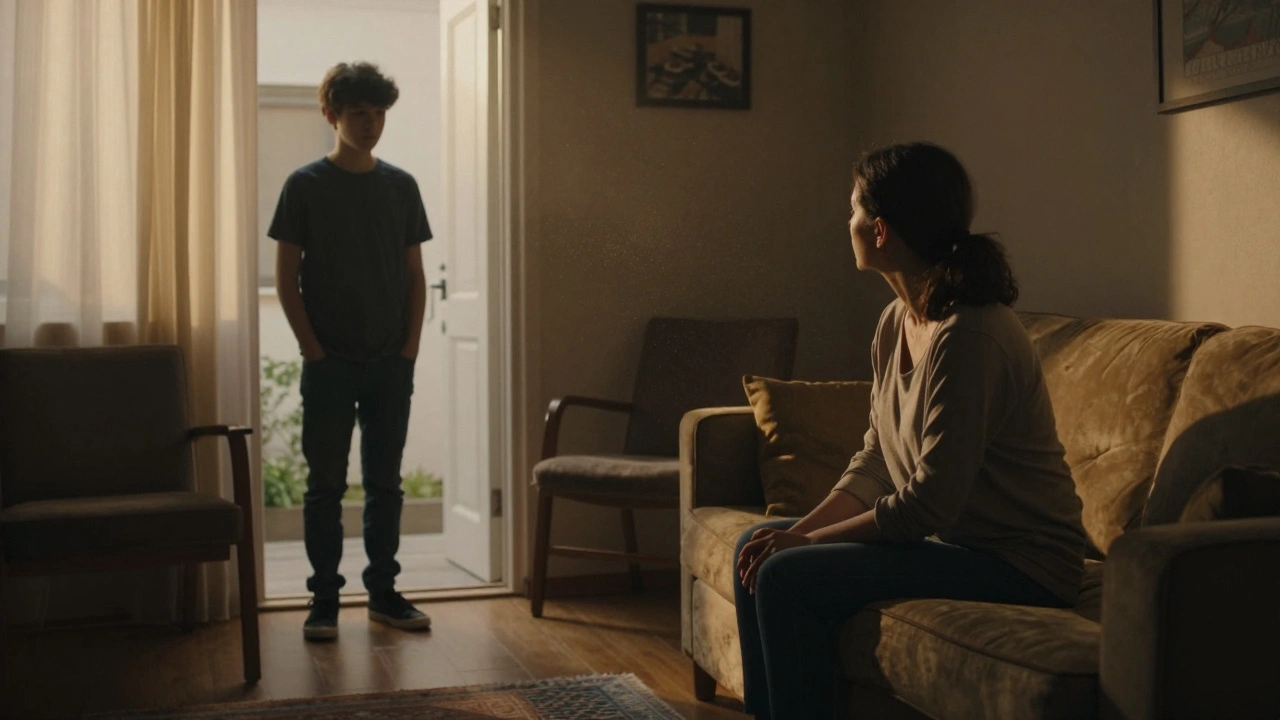
When someone in your family struggles with addiction, it doesn’t just affect them-it fractures everything around them. Trust breaks. Conversations turn into arguments. Silence replaces laughter. You might look at your parent, sibling, or child and wonder if the person you loved is still there. And when they finally start to recover, the real work begins: not just staying sober, but rebuilding the family.
Recovery Isn’t Just About Quitting
Many families think once the person stops using drugs or alcohol, healing is automatic. It’s not. Sobriety is the first step, not the finish line. The damage done over months or years doesn’t vanish with the last drink or hit. Resentments fester. Promises were broken too many times. Children learned to expect disappointment. Partners learned to guard their hearts.
One mother in Portland told me her son got clean after three relapses. She was thrilled-until he came home and acted like nothing had happened. He didn’t apologize. Didn’t ask how she was doing. He just wanted his old room back. That’s when she realized: recovery isn’t just about stopping the behavior. It’s about changing the person behind it.
The First Step: Acknowledge the Hurt
Before you can rebuild, you have to name what was lost. That’s hard. For the person in recovery, admitting how much they hurt others feels like failure. For family members, speaking up feels like reopening wounds.
But silence keeps the pain alive. Healthy healing starts with honest, simple statements:
- “I didn’t feel safe when you came home drunk.”
- “I stopped believing you when you promised to call and never did.”
- “I missed your graduation because I was too scared to show up.”
These aren’t accusations. They’re truths. And they need to be spoken-preferably in a calm setting, with space for listening, not defending. A therapist trained in family systems can help guide this conversation. It’s not about blame. It’s about making space for grief.
Trust Is Built in Small Doses
You can’t force trust. You can’t demand it. You can’t buy it with gifts or grand gestures. Trust is built slowly, through consistent actions over time.
Think of it like a bank account. Every lie, every broken promise, every missed dinner was a withdrawal. Now, every small act of honesty is a deposit.
Here’s what that looks like in real life:
- Showing up on time-every time.
- Asking for permission before making plans that involve the family.
- Volunteering to help with chores without being asked.
- Admitting when they slip, even if it’s small.
- Attending family therapy sessions-even when they don’t want to.
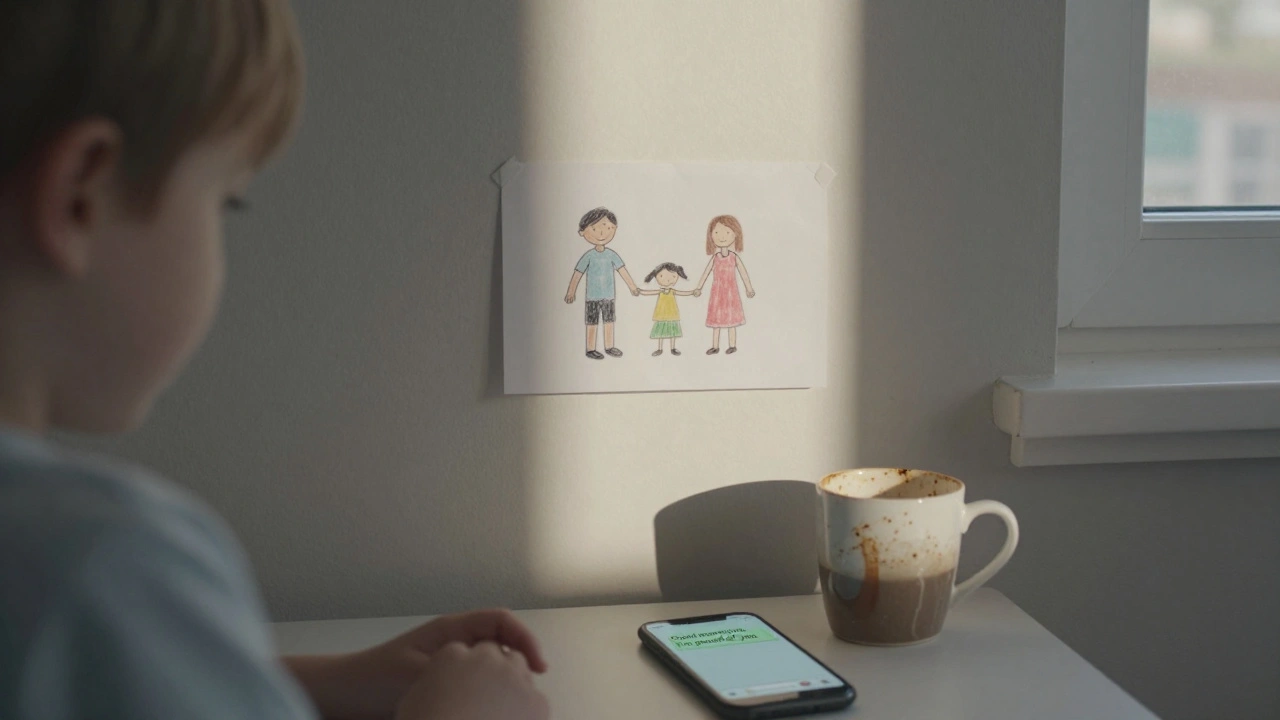
One father I spoke with started texting his daughter every morning: “Good morning. I’m proud of you.” No pressure. No expectations. Just presence. After six months, she started replying. Not with words. Just a heart emoji. That was her way of saying, “I see you trying.”

Children Need Special Care
Kids don’t understand addiction. They don’t know the difference between the disease and the person. They think if you left, it was because you didn’t love them. If you yelled, it was because you hated them. If you disappeared, you chose drugs over them.
Rebuilding with children requires patience, repetition, and structure. They need to know:
- “This isn’t your fault.”
- “You didn’t cause it.”
- “You can’t fix it.”
- “I’m working on being better.”
Play therapy, family art sessions, or even just reading stories together can open doors words can’t. One teen told her counselor, “I drew a picture of us before Dad got sick. It was the only time I felt like I had a dad.” That drawing became the first thing she hung on her wall.
Boundaries Are Love, Not Punishment
Many families fall into the trap of thinking love means forgiving everything. That’s not true. Love means protecting your peace. Healthy boundaries aren’t about shutting someone out-they’re about saying, “I care too much to let this keep hurting us.”
Examples of healthy boundaries:
- “I won’t drive you to the store if you’ve been drinking.”
- “I won’t lend you money unless it’s for therapy.”
- “I need two weeks of sobriety before we spend holidays together.”
These aren’t cruel. They’re clear. And they give the person in recovery a real chance to prove they’ve changed. Without boundaries, the old patterns come back. And when they do, the whole family collapses again.
Healing Takes Time-And It’s Not Linear
There will be setbacks. The person in recovery might have a slip. A family member might say something harsh in anger. A child might pull away again. That doesn’t mean it’s over. It means it’s human.
Healing isn’t a straight line. It’s a spiral. You circle back to the same emotions, but you’re higher each time. You understand more. You respond differently. You’re stronger.
One couple I met had been through six years of recovery. They still argued about money. They still flinched when the phone rang late at night. But now, they talked about it. They didn’t hide it. And that made all the difference.
You Don’t Have to Do It Alone
Families don’t heal in isolation. Support groups like Al-Anon, Nar-Anon, or Family Systems Therapy offer more than advice-they offer proof that you’re not broken. You’re not the only one who’s been lied to, abandoned, or terrified.
These groups don’t fix your family. But they give you tools. They give you community. They remind you that healing isn’t about perfection. It’s about showing up, again and again, even when it hurts.
And sometimes, that’s enough.
When to Seek Professional Help
Not every family can heal on their own. If you’re seeing any of these signs, it’s time to call a therapist:
- One person is still using, but the family pretends they’re not.
- Children are acting out-school problems, self-harm, withdrawal.
- There’s constant anger, silence, or fear in the home.
- One person is trying to heal, but the others refuse to change.
Family therapy isn’t about fixing one person. It’s about changing the system. A trained therapist can help you break cycles, communicate without blame, and rebuild connection without codependency.
It’s Never Too Late
Some families wait years to start healing. They think the damage is too deep. The trust is gone. The time is lost.
But I’ve seen it happen: a mother and son reconnecting after 12 years apart. A brother and sister sharing a coffee for the first time since their dad died. A teenager writing a letter to their parent: “I didn’t know how to say I missed you.”
Recovery isn’t about erasing the past. It’s about building something new on top of it. Something stronger. Something real.
You don’t have to forget what happened. But you can choose to let it become part of your story-not the whole thing.
Can a family really heal after addiction?
Yes, but it takes time, honesty, and consistent effort. Healing doesn’t mean pretending nothing happened. It means facing what happened, learning from it, and choosing to build something new. Many families do heal-sometimes after years of work. The key is not waiting for perfection, but showing up with patience and accountability.
How long does it take to rebuild trust after addiction?
There’s no set timeline. Trust is rebuilt through repeated, reliable actions-not grand gestures. Some families see small shifts in three to six months. Deeper healing often takes one to three years. The speed depends on how long the addiction lasted, how much damage was done, and how committed everyone is to change.
Should children be involved in family therapy?
Yes, if they’re old enough to understand. Children absorb the emotional climate of the home. Even if they don’t talk about it, they feel it. Family therapy gives them a safe space to express their fears, confusion, or anger. Therapists use age-appropriate methods-art, play, storytelling-to help kids process what happened without pressure.
What if one family member refuses to participate?
You can still heal individually. One person’s change can shift the whole family dynamic. If you attend therapy, set boundaries, and model healthy behavior, others often follow-even if slowly. You don’t need everyone to be ready to begin. You just need to be ready yourself.
Is it possible to heal without professional help?
Some families do heal without therapy, especially if the addiction was short-term and damage was limited. But for long-term or severe cases, professional help is essential. Addiction rewires relationships. A trained therapist knows how to untangle those patterns without retraumatizing anyone. It’s not a sign of weakness to ask for help-it’s the bravest thing you can do.