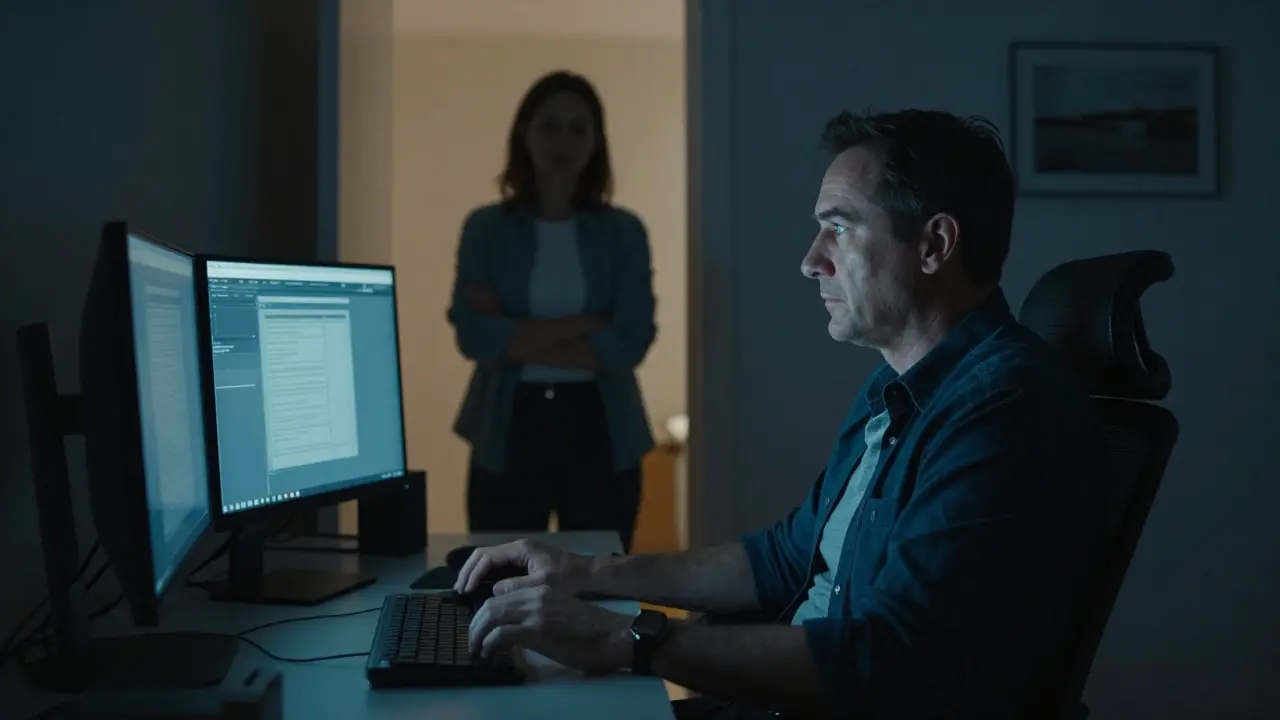
It’s 9:00 PM on a Tuesday. The house is quiet except for the hum of a computer fan and the rapid clicking of a mouse. A father sits in his home office, eyes fixed on a glowing monitor, while his partner stands in the doorway, arms crossed, waiting for a conversation that hasn't happened yet. This isn't just about video games; it's about presence. For many fathers, Gaming has become a primary mode of relaxation, socialization, and even identity. But when the line between hobby and habit blurs, family role conflicts can emerge, creating tension that affects not just the couple, but the children watching from the hallway.
The Shift in Fatherhood and Leisure
To understand why gaming causes friction, we first have to look at how leisure has changed for men. In previous generations, a father's downtime might have involved reading a newspaper or fixing something in the garage-activities that were often solitary but visible. Today, Digital Entertainment offers immersive experiences that can feel like disappearing into another world. For some dads, this is an escape from high-stress jobs. For others, it's a way to bond with their kids over shared interests. However, when the immersion becomes total, the physical presence remains, but the emotional availability vanishes.
This shift creates a specific type of conflict known as Role Ambiguity. When a parent is physically present but mentally absent, children and partners struggle to categorize the behavior. Is he working? Is he resting? Or is he ignoring us? Without clear boundaries, the default assumption often becomes neglect, even if that wasn't the intent.
Why Fathers Turn to Games
It’s easy to judge gaming as a lack of discipline, but the motivations are usually deeper. Many fathers report that gaming provides a rare sense of agency. In professional settings, outcomes are often out of our control. In a game, effort directly correlates with reward. This psychological safety net is appealing after long days of uncertainty.
- Social Connection: Multiplayer games allow fathers to maintain friendships without the logistical burden of meeting up in person.
- Mental Decompression: Fast-paced action games require focus, which forces the brain to stop ruminating on work problems.
- Competence Restoration: Mastering a difficult level or winning a match restores a sense of skill and achievement that may be lacking elsewhere.
However, when these benefits start to outweigh family obligations, the dynamic shifts. The key indicator isn't the number of hours played, but whether the gaming session feels like a choice or a compulsion. If a father finds it hard to stop when asked, or feels irritable when interrupted, the hobby may be tipping into overuse.

The Impact on Spousal Relationships
The most immediate victim of gaming overuse is often the partnership. Partners frequently describe feeling like they are competing against a virtual opponent for attention. This isn't just about who gets to watch TV; it's about emotional bandwidth. When one partner is deeply engaged in a digital narrative, the other may feel invisible.
Research in family systems theory suggests that unbalanced leisure time can erode Relational Satisfaction. If one partner consistently prioritizes gaming over shared activities, the other may interpret this as a preference for the game over the relationship. This interpretation leads to resentment, which then makes the gaming sessions feel more necessary as a stress relief mechanism-a vicious cycle.
| Trigger | Perceived Meaning by Partner | Actual Intent (Often) |
|---|---|---|
| Playing during dinner prep | Lack of respect for household labor | Need for mental break before cooking |
| Ignoring questions | Indifference or hiding something | Deep focus/concentration state |
| Extended late-night sessions | Prioritizing fun over rest/family | Only available free time |
How Children Perceive the "Absent" Parent
Children are incredibly observant. They don't need verbal explanations to understand hierarchy. If Dad is always at the computer, kids learn that the screen is more important than them. This can manifest in different ways depending on age. Younger children might act out to get attention, while teenagers might withdraw, assuming that no amount of effort will compete with the game.
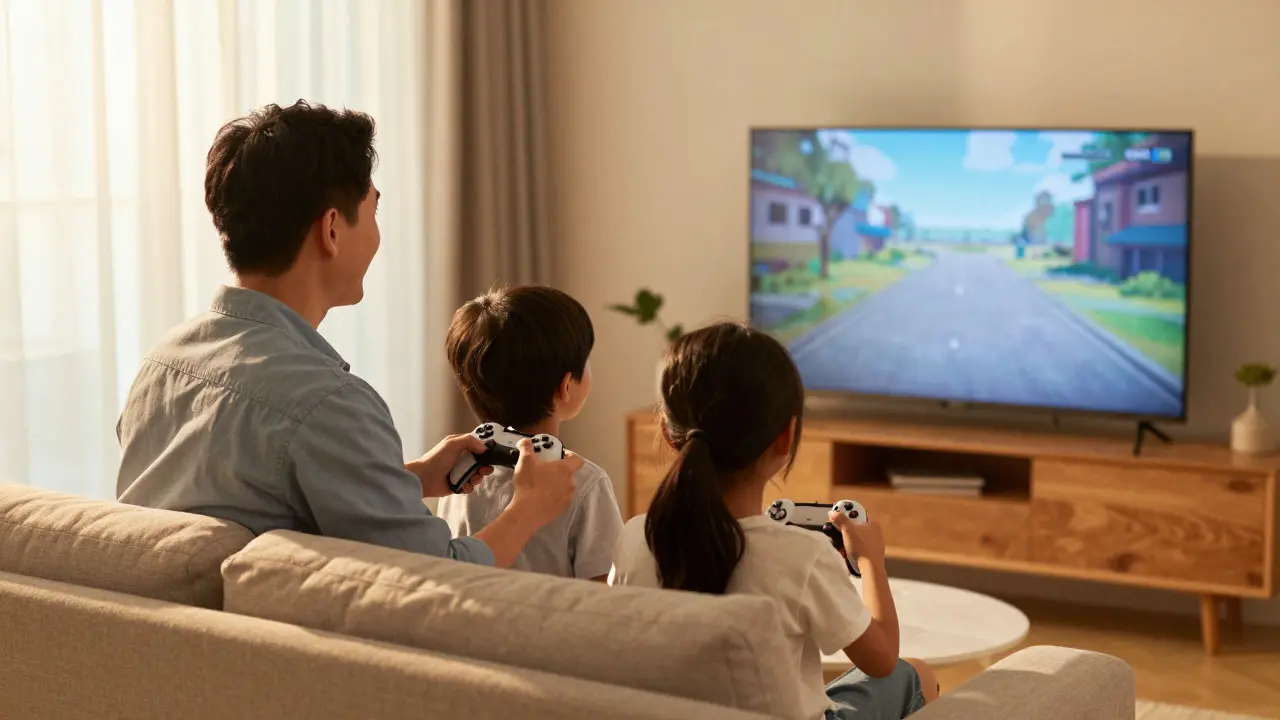
There is also the issue of modeling. Parents are the primary teachers of self-regulation. If a father struggles to put down the controller when it's bedtime, he inadvertently teaches his children that commitments are flexible. This impacts their own future ability to manage screens. Conversely, when fathers engage in gaming *with* their children, setting clear rules together, the activity becomes a bonding tool rather than a barrier.
Setting Boundaries Without Killing the Hobby
The goal isn't to banish gaming, but to integrate it healthily. Here are practical strategies that work in real households:
- The "Phone Down" Rule: No screens (including gaming) during the first hour after work until personal hygiene and family check-in are complete.
- Designated Game Zones: Keep the gaming setup in a separate room or corner, not in the center of the living space where family interaction happens.
- Time-Boxed Sessions: Agree on a specific window for gaming (e.g., 8:00 PM - 10:00 PM). Use a timer. When it goes off, the game pauses. This builds trust.
- Shared Gaming Nights: Once a week, make gaming a family event. Play cooperative games that require teamwork. This reframes gaming as a shared language rather than a solitary escape.
Communication is critical here. Instead of saying "You play too much," try "I feel disconnected when I can't talk to you after work. Can we find 30 minutes to just chat before you start your game?" Specifics reduce defensiveness.
When It Becomes a Problem
Not all excessive gaming is addiction, but there is a spectrum. Signs that gaming overuse is becoming a clinical issue include lying about playtime, missing work or school responsibilities, and significant mood changes when not playing. If these signs appear, it may be worth consulting a therapist specializing in behavioral health. Often, gaming is a symptom of underlying anxiety or depression, not the root cause itself.
Is it normal for fathers to spend several hours gaming daily?
Yes, provided it doesn't interfere with responsibilities. Several hours can be healthy if it serves as genuine relaxation and the father remains emotionally available during non-gaming times. The issue arises when the time displaces essential family interactions or work duties.
How do I tell my husband to stop gaming without starting a fight?
Use "I" statements and focus on connection rather than criticism. Say, "I miss talking to you," instead of "You're always on the computer." Approach him when he is already offline or taking a break, not mid-game, to avoid triggering defensive reactions.
Does gaming affect children's academic performance?
Indirectly, yes. If parental gaming reduces supervision or support for homework, grades may suffer. However, if parents model good time management and use gaming as a shared activity, it can actually enhance cognitive skills related to problem-solving and strategy.
What is the difference between gaming hobby and gaming addiction?
A hobby is controlled; you choose to stop when needed. Addiction is compulsive; you feel unable to stop despite negative consequences. Key indicators of addiction include withdrawal symptoms (irritability/anxiety) when not playing and loss of interest in other activities.
Can gaming help father-child relationships?
Absolutely. Co-playing allows fathers to enter their children's world. It provides a low-pressure environment for communication and shared success. Just ensure the power dynamic remains balanced so the child doesn't feel like a spectator.