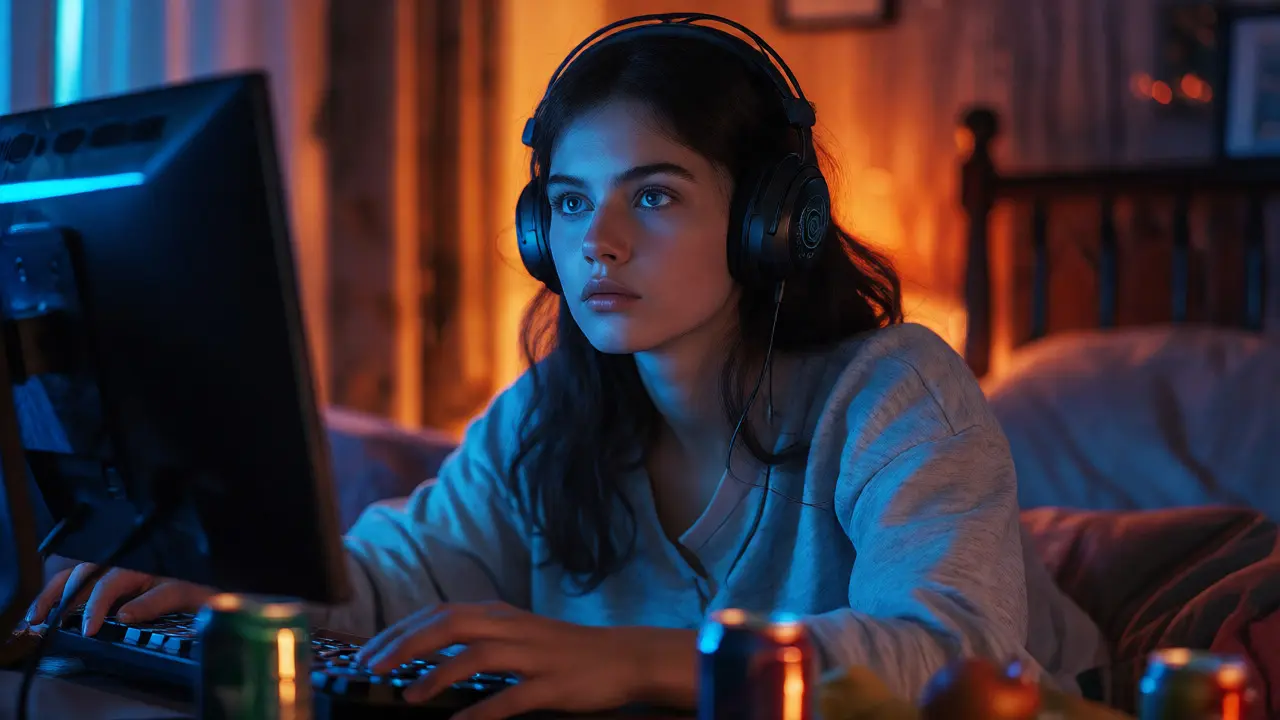
Imagine spending eight hours a day in front of a screen, not because you have to, but because stopping feels physically painful. For many women gamers, this isn't just a bad habit-it's a complex psychological trap that blends social isolation, dopamine chasing, and identity crisis. While the stereotype often paints the addicted gamer as a young man in a basement, research suggests that female gaming addiction is rising fast, yet it remains misunderstood and under-treated.
If you are reading this, you might be wondering if your hobby has crossed the line into something darker. Or maybe you know someone who does. The struggle for female gamers is unique. It’s rarely about just "playing too much." It’s about escaping real-world pressures, finding community in spaces where they feel judged less, and dealing with the specific shame that comes from being a woman who prioritizes pixels over traditional expectations.
Why Female Gaming Addiction Looks Different
Gaming addiction, clinically referred to as Gaming Disorder by the World Health Organization, doesn't discriminate by gender. However, the *drivers* often do. For men, addiction frequently correlates with competition, status, and dominance mechanics. For women, the hook is often deeper and more relational.
Consider the rise of Massively Multiplayer Online Role-Playing Games (MMORPGs) like World of Warcraft or Final Fantasy XIV. These games offer persistent communities. For a woman struggling with anxiety, depression, or loneliness, these virtual worlds provide a safe harbor. You can log in, be whoever you want, and be accepted without judgment. That emotional safety net is powerful. But when the real world starts feeling too harsh compared to the curated comfort of Azeroth, the escape becomes a cage.
There is also the factor of "co-op" culture. Many women enter gaming through relationships-boyfriends, husbands, or close friends. Initially, it’s bonding time. But if the partner is the primary gamer, the dynamic shifts. She might play to keep up, to share interests, or to avoid conflict. Over time, what started as connection turns into obligation, then compulsion. The fear of missing out on guild events or raid nights creates a social pressure that keeps her logging in, even when she wants to stop.
The Hidden Toll on Mental and Physical Health
You might think, "It's just a game, I'm having fun." But chronic excessive gaming takes a tangible toll. Physically, the sedentary lifestyle leads to issues that are often ignored until they become severe. Carpal tunnel syndrome, chronic back pain, and eye strain are common. But the mental health impact is far more insidious.
| Impact Area | Symptom/Consequence | Why It Hits Harder |
|---|---|---|
| Mental Health | Increased Anxiety & Depression | Escapism prevents processing real-life stressors, creating a feedback loop. |
| Social Life | Isolation from Non-Gamer Friends | Virtual friendships replace physical ones, reducing support networks. |
| Physical Body | Sleep Disruption | Blue light exposure and late-night raids disrupt circadian rhythms. |
| Self-Esteem | Identity Confusion | Self-worth becomes tied to in-game achievements rather than real-life progress. |
One of the biggest traps is the "just one more quest" mentality. Video games are designed by behavioral psychologists to exploit variable reward schedules. You never know exactly when you’ll get the loot drop or level up, so you keep pulling the lever. For women who may already struggle with perfectionism or people-pleasing tendencies, the clear, achievable goals in games can feel more rewarding than the ambiguous, messy nature of real life. In the game, if you try hard enough, you win. In reality, effort doesn't always equal success. This discrepancy makes quitting the game feel like losing control.
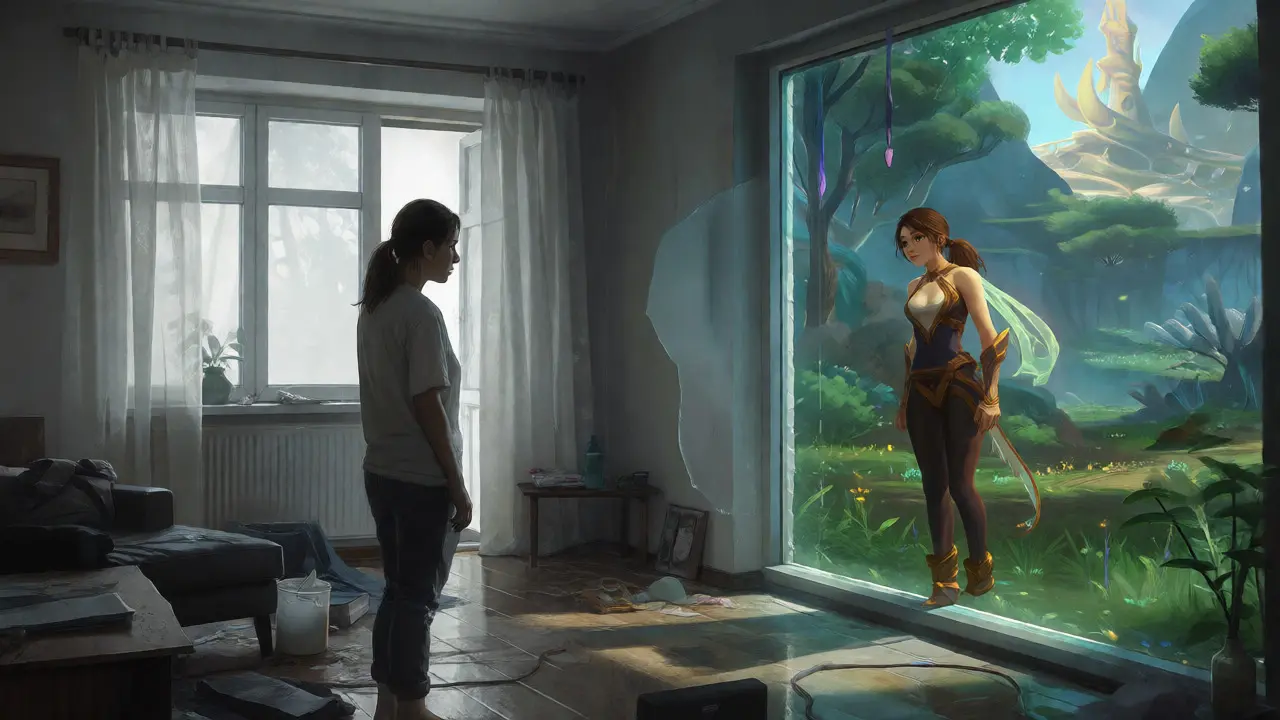
Breaking the Cycle: Practical Steps for Recovery
Overcoming gaming addiction isn't about throwing your console in the trash and never looking back. It’s about reclaiming agency. If you’re ready to make a change, here is a realistic roadmap that respects your love for gaming while addressing the dependency.
- Audit Your Play Time Honestly: Use built-in screen time trackers on your PC or console. Don’t guess. See the raw numbers. Is it two hours? Five? Ten? Knowing the extent of the problem removes the denial barrier.
- Identify Your Triggers: When do you reach for the controller? Is it after work? After an argument? When you feel lonely? Understanding the *why* behind the urge is crucial. Are you bored? Anxious? Avoiding chores?
- Create Physical Barriers: Willpower is finite. Make it harder to start playing. Unplug the console and put it in a closet. Log out of your accounts. If you have to spend ten minutes setting up, you give yourself time to reconsider the impulse.
- Replace, Don’t Just Remove: If you take away five hours of gaming, you need five hours of something else. Boredom is the enemy of recovery. Pick activities that engage your brain differently-reading, hiking, cooking, or learning a new skill. The key is to find things that offer a sense of accomplishment similar to leveling up.
- Reconnect Offline: Reach out to a friend for coffee. Join a local club. Force yourself to exist in physical spaces. Virtual validation is great, but human touch releases oxytocin in ways a chat window cannot.
For many women, the hardest part is guilt. You might feel guilty for neglecting responsibilities, or guilty for wanting to quit a community you love. Acknowledge that guilt without letting it paralyze you. Progress is non-linear. You will have days where you slip back into old habits. That’s okay. The goal is balance, not abstinence.
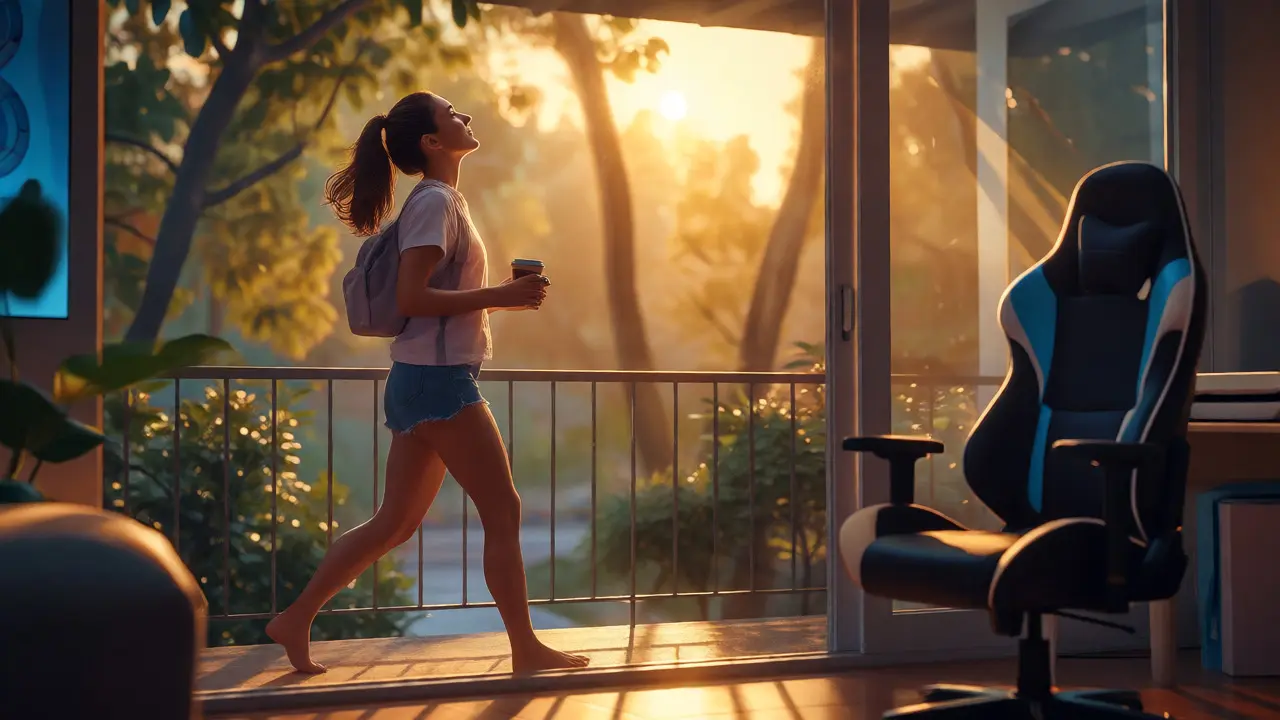
Navigating Relationships and Social Dynamics
If your gaming habit affected your relationships, expect some friction during recovery. Your partner might be confused if you suddenly stop playing their favorite MMO. Your guild mates might feel abandoned. Communicate openly. Explain that you aren’t leaving them; you’re taking care of yourself.
Set boundaries. If you decide to limit gaming to weekends only, stick to it. Tell your online friends ahead of time. "Hey, I’m taking a break from raids for a bit to focus on some personal goals." Most reasonable players will respect that. Those who don’t might reveal themselves as enablers rather than true friends.
Also, consider the role of toxic gaming environments. Female gamers often face harassment, gatekeeping, or unwanted attention. Sometimes, addiction is partly a coping mechanism for this hostility. If you’re quitting because the environment itself is draining, remember that you don’t owe anyone your presence. Your peace of mind is worth more than any rank or achievement.
When to Seek Professional Help
Sometimes, self-help isn’t enough. If gaming interferes with your job, your health, or your basic daily functioning, consider speaking with a therapist who specializes in behavioral addictions. Cognitive Behavioral Therapy (CBT) has shown strong results in treating gaming disorder. It helps reframe the thoughts that drive compulsive behavior.
Look for therapists who understand gaming culture. You don’t want to explain what a "raid" is for twenty minutes. Finding a provider who gets the nuance of digital communities can make therapy much more effective. Support groups, both online and offline, can also help. Connecting with others who understand the specific pull of virtual worlds reduces the stigma and provides practical tips.
Remember, overcoming addiction is a journey of rediscovery. Who are you outside the avatar? What did you enjoy before games filled the void? Reconnecting with those parts of yourself is the ultimate win condition.
Is gaming addiction recognized as a medical condition?
Yes. The World Health Organization included "Gaming Disorder" in the International Classification of Diseases (ICD-11) in 2019. It is characterized by impaired control over gaming, increasing priority given to gaming over other activities, and continuation of gaming despite negative consequences.
Why are women less likely to report gaming addiction?
Women often mask their usage better due to societal expectations. They may hide their playtime or frame it as "socializing" rather than "gaming." Additionally, the stigma around being a female gamer can lead to shame, causing women to downplay their struggles to avoid judgment.
Can I still play games casually after overcoming addiction?
Absolutely. The goal is healthy moderation, not total abstinence. Many recovered gamers return to casual titles or set strict time limits. The difference is that they now choose to play for enjoyment, rather than feeling compelled to play to escape reality.
How does mobile gaming contribute to addiction?
Mobile games use microtransactions and energy systems that encourage frequent, short sessions throughout the day. This constant accessibility makes it easier to slip into habitual checking and playing, which can cumulatively add up to significant lost time without feeling like a single long binge.
What is the best way to tell family I have a gaming problem?
Be honest and direct. Explain how it affects your mood, sleep, or responsibilities. Use "I" statements, such as "I feel overwhelmed when I play too much," rather than blaming the game. This approach invites support rather than defensiveness.