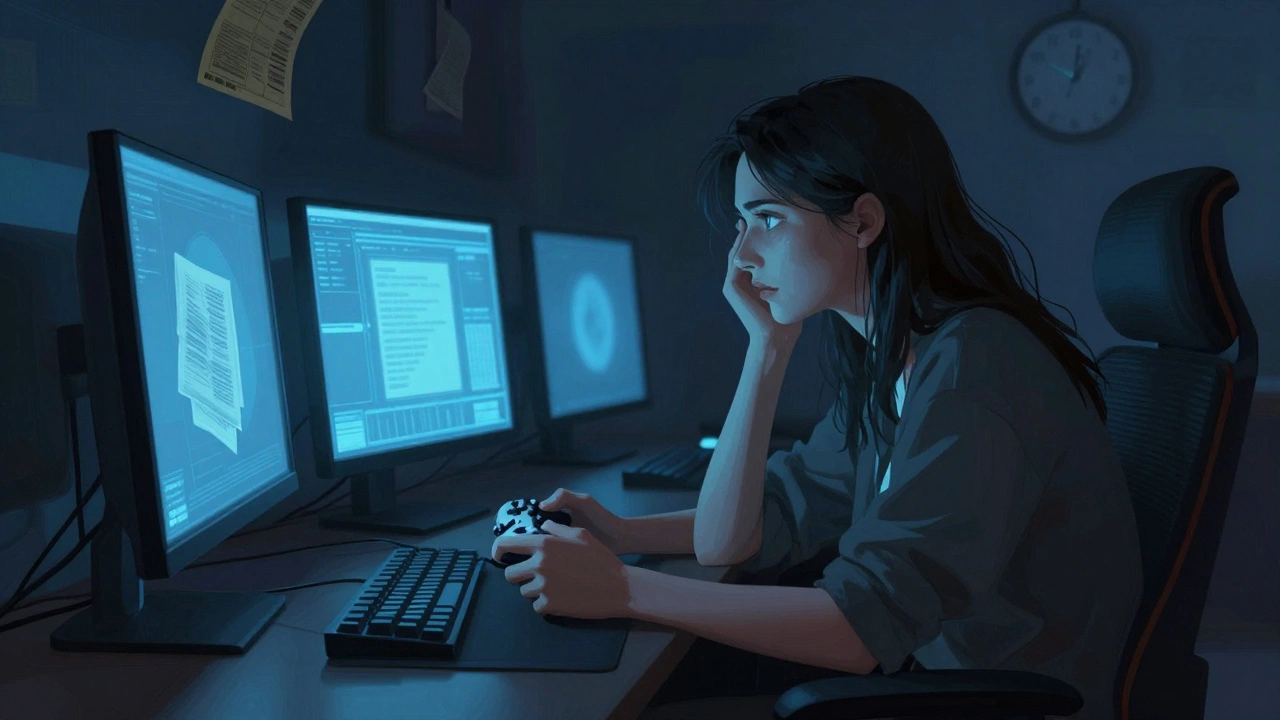
When we talk about gaming addiction is a behavioral pattern where excessive gaming interferes with daily life, work, and relationships, the image that usually comes to mind is a young man glued to his console in a dark room. But the reality is shifting. More women are playing video games than ever before, yet they face a very different set of risks when it comes to dependency. For many women, the line between social connection and compulsive play is blurrier, and the stigma around seeking help is often higher.
This isn't just about playing too many hours. It’s about how societal expectations, online harassment, and unique psychological stressors create a perfect storm for female gamers. If you’re noticing that your gaming habits are affecting your sleep, your job, or your self-esteem, you aren’t alone-and understanding these specific challenges is the first step toward taking control.
The Hidden Pressure of "Perfect" Play
Women in gaming often deal with what psychologists call "imposter syndrome" on steroids. You might feel like you have to prove you belong every time you log on. This constant need to validate your skill level can lead to longer sessions as you try to reach a certain rank or master a mechanic. Unlike male counterparts who might game purely for relaxation, many women report gaming to escape real-world pressures related to caregiving, workplace bias, or domestic responsibilities.
This creates a cycle known as escapism-driven gaming is using virtual worlds to avoid dealing with real-life stressors, leading to increased dependency. When the game becomes your only safe space, quitting feels impossible because there’s nowhere else to go. The pressure to be "good enough" combined with the relief of escaping makes the habit sticky. You stay logged in not just because you love the game, but because the outside world feels heavier than the digital one.
Toxicity and the Need for Safety
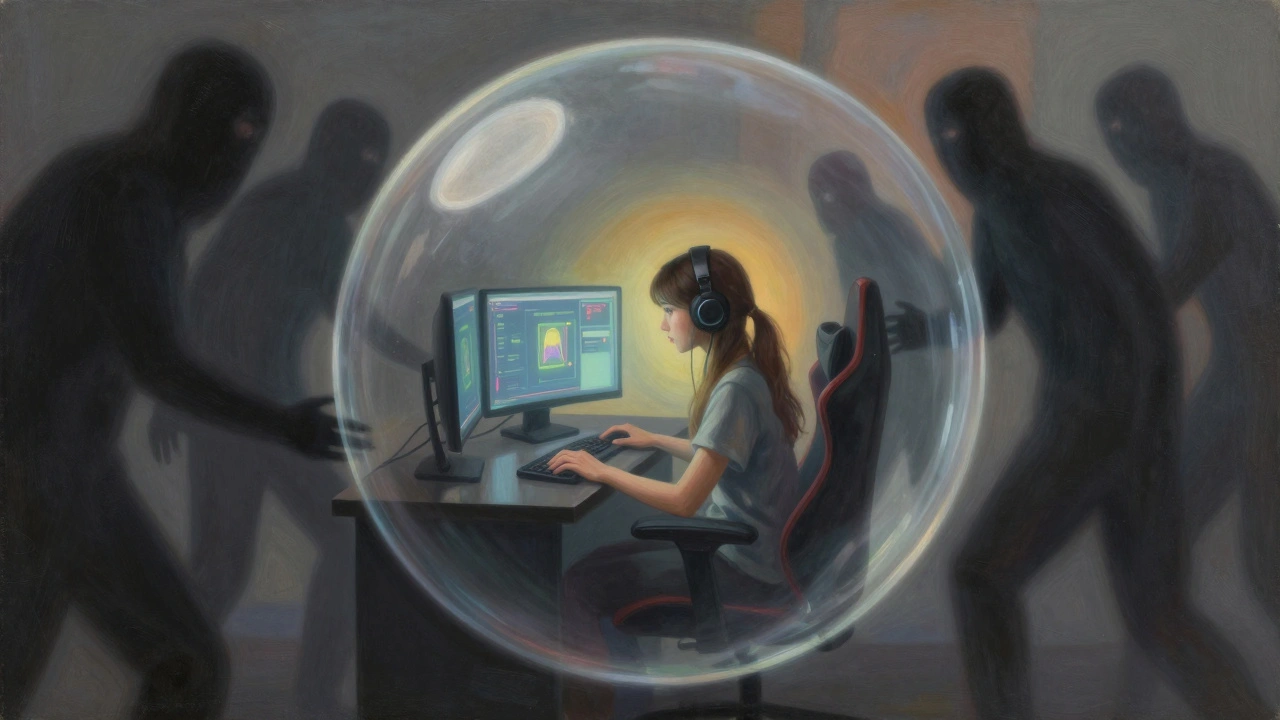
Let’s be honest: online spaces can be hostile. Female gamers frequently encounter sexism, harassment, and voice chat abuse. To cope, many women develop coping mechanisms that inadvertently fuel addiction. Some mute all communication and play solo for hours, isolating themselves further. Others join tight-knit, exclusive clans where the fear of letting the team down keeps them playing even when exhausted.
This dynamic is linked to social anxiety in gaming is fear of negative judgment or harassment in multiplayer environments that drives compulsive behavior. The irony is that while gaming started as a way to connect, the toxicity pushes women into protective shells. You might find yourself grinding through repetitive tasks (like farming resources in an RPG) just to avoid interacting with random teammates. This avoidance behavior is a classic sign of problematic use, distinct from casual enjoyment.
Social Media and the Comparison Trap
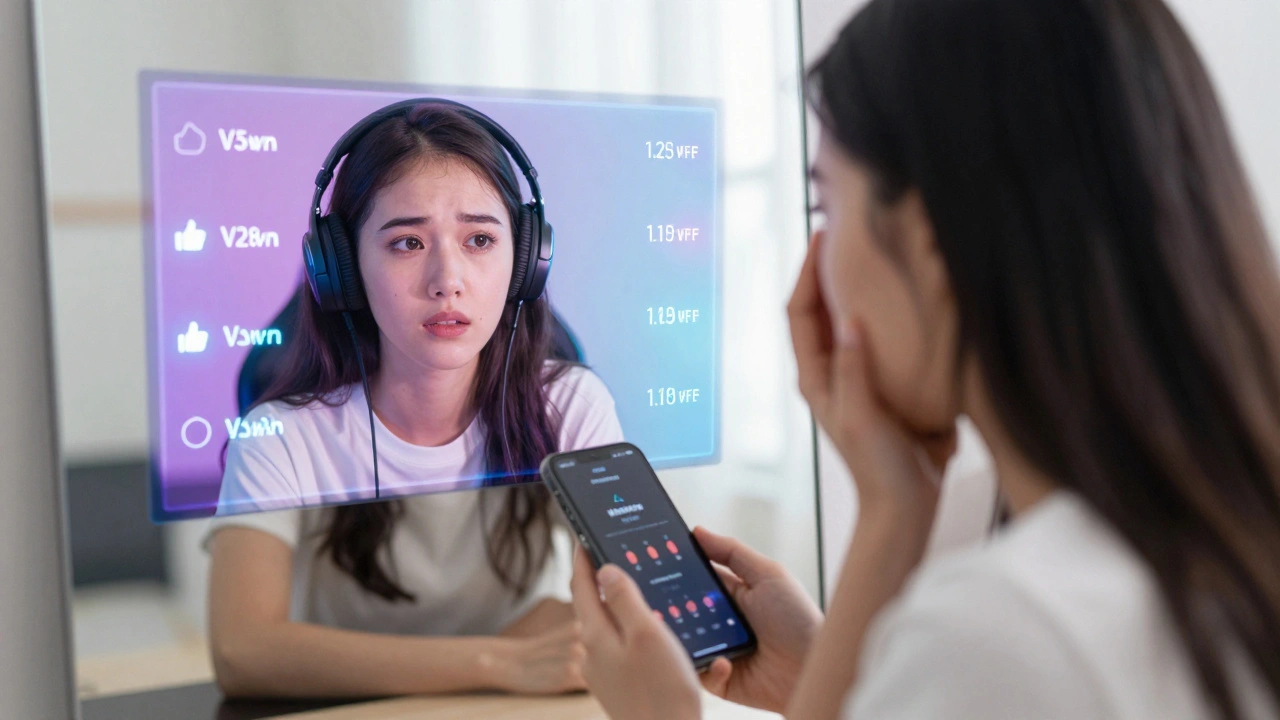
If you stream or post clips of your gameplay, you’re entering another layer of risk. Platforms like Twitch and TikTok reward consistency and engagement. For female streamers, the pressure to maintain a certain aesthetic or personality can be exhausting. The algorithm demands daily content, which translates to daily gaming, regardless of fatigue.
This phenomenon is often tied to performance-based validation is relying on likes, views, and follower counts for self-worth, leading to compulsive content creation. You check your stats more than your health. A drop in viewership can trigger anxiety, prompting you to play longer to "get back on track." This isn’t passion; it’s compulsion driven by external metrics. Many women struggle to separate their identity from their online persona, making it hard to step away without feeling like they’re disappearing entirely.
Signs That It’s More Than Just a Hobby
How do you know if you’ve crossed the line? Casual gaming brings joy; addictive gaming brings guilt. Here are specific signs that warrant attention:
- Neglecting basic needs: Skipping meals, ignoring hygiene, or sleeping less than six hours regularly because you “just want to finish this match.”
- Lying about time spent: Telling friends or family you played for two hours when it was actually eight.
- Irritability when offline: Feeling angry or anxious when you can’t access your device, rather than feeling relieved to rest.
- Loss of interest in other hobbies: Dropping reading, exercise, or in-person socializing because nothing else feels as rewarding as the game.
- Gaming to numb emotions: Using games specifically to stop thinking about sadness, anger, or stress, rather than for fun.
If you recognize three or more of these patterns, it’s time to pause and assess. These behaviors align with the diagnostic criteria for Internet Gaming Disorder is a condition recognized by the WHO characterized by impaired control over gaming and prioritization of gaming over other activities, which applies regardless of gender but manifests differently in women due to social conditioning.
Why Traditional Advice Falls Short
Most advice for quitting gaming focuses on willpower: “Just turn off the console.” This ignores the underlying emotional drivers. For women, the drive to game is often tied to relationship dynamics, perfectionism, or trauma responses. Simply removing the device doesn’t address why you needed the escape in the first place.
Effective recovery requires addressing the root cause. This might involve therapy focused on cognitive behavioral therapy (CBT) is a treatment method that helps identify and change negative thought patterns driving compulsive behaviors. CBT helps you reframe the belief that you must be perfect to be worthy. It also teaches healthier coping mechanisms for stress, so gaming isn’t your only tool. Group therapy with other women who share similar experiences can also reduce the shame and isolation that often accompany addiction.
Building a Balanced Digital Life
You don’t have to quit cold turkey to heal. In fact, abrupt cessation can lead to rebound bingeing. Instead, try structured moderation. Set clear boundaries, such as no gaming during work hours or after 10 PM. Use app blockers to enforce these limits. Replace gaming time with activities that provide similar rewards-social connection, achievement, or relaxation-but in a healthier format.
Consider joining non-gaming communities that foster belonging. Book clubs, hiking groups, or art classes can fulfill the same social needs without the toxicity. Remember, balance isn’t about eliminating joy; it’s about ensuring gaming serves you, not controls you. By acknowledging the unique pressures women face, you can build a sustainable relationship with technology that supports your well-being.
Is gaming addiction officially recognized in women?
Yes. The World Health Organization recognizes Internet Gaming Disorder as a medical condition. While research has historically focused on men, recent studies confirm that women experience similar symptoms, though often triggered by different social and psychological factors.
Can online harassment contribute to gaming dependency?
Absolutely. Harassment can drive women to isolate themselves in-game or seek validation through high performance, both of which can escalate into compulsive usage. The fear of negative interaction makes the controlled environment of a single-player mode more appealing, reducing healthy social breaks.
What is the best type of therapy for female gamers struggling with addiction?
Cognitive Behavioral Therapy (CBT) is highly effective. It addresses the underlying thought patterns, such as perfectionism or low self-esteem, that drive compulsive gaming. Group therapy with other women can also help combat feelings of isolation and shame.
Should I delete all my games to recover?
Not necessarily. Cold turkey approaches can lead to relapse. Structured moderation, using tools like screen-time limits and scheduled gaming windows, is often more sustainable. The goal is to regain control, not eliminate a source of joy entirely.
How does streaming affect the risk of addiction for women?
Streaming adds performance pressure and financial incentives to keep playing. The need to maintain viewer engagement and personal brand consistency can blur the lines between hobby and compulsion, making it harder to take necessary breaks.