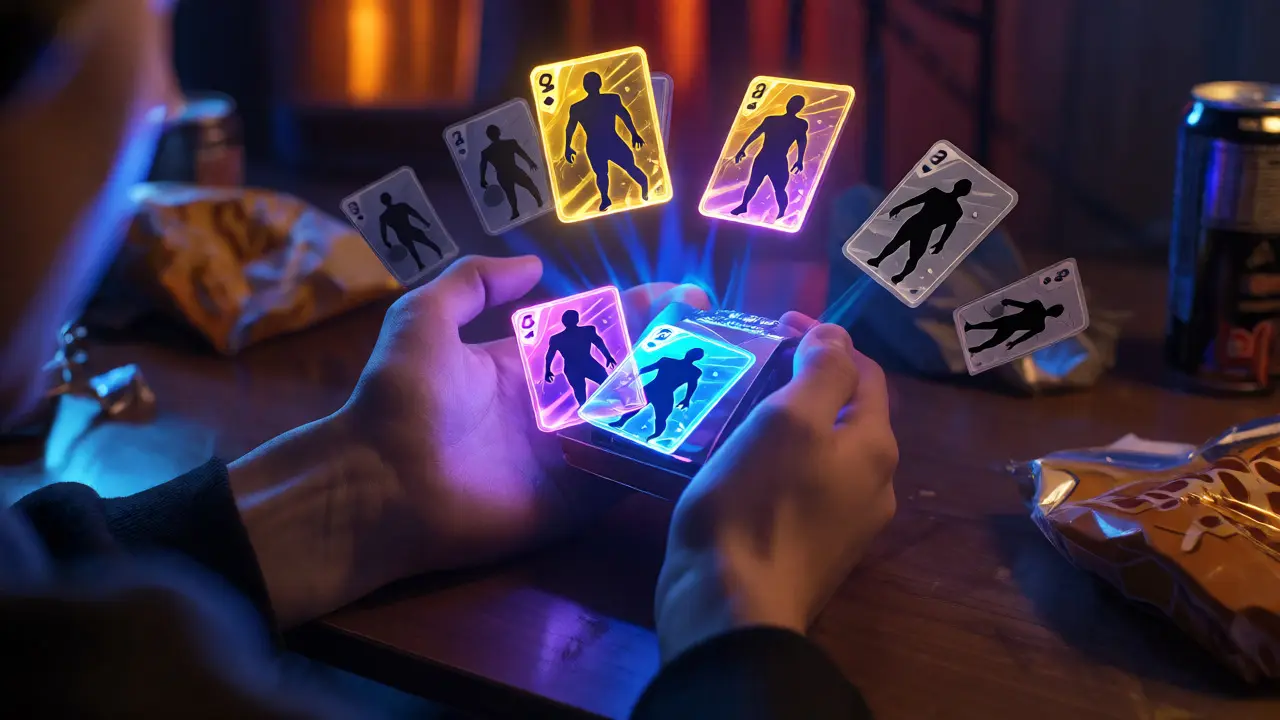
Imagine spending $50 on a video game, not for the game itself, but for a digital pack of cards that might contain one useful player or five useless ones. You open it, see nothing valuable, and immediately buy another pack. This isn't just frustration; for millions of FIFA Ultimate Team players, this loop mirrors the psychological triggers found in slot machines. The debate over whether loot boxes are a form of gambling has raged since the mid-2010s, with FIFA Ultimate Team (FUT) serving as the primary battleground.
The Mechanics of Uncertainty
To understand why FUT feels like gambling, you have to look at the core mechanic: the pack opening. In traditional gaming, you pay money and get a known product-a sword, a level, a character. In FUT, you pay real-world currency (or in-game coins earned through time) for a randomized set of items. The probability distribution is rarely transparent to the casual player. While regulations in some regions now require odds disclosure, the emotional impact remains unchanged.
This system relies on variable ratio reinforcement schedules, a concept well-documented in behavioral psychology. When you pull a high-rated "Icon" or "Hero" card from a pack, your brain releases dopamine. If you don't, you try again. The unpredictability is key. If every pack gave you exactly what you wanted, the thrill would vanish. But because the outcome is uncertain, the act of opening becomes the reward itself, regardless of the utility of the items inside.
EA Sports and the Business Model
EA Sports generates billions annually from microtransactions within the Ultimate Team mode. Unlike other sports titles where gameplay is the primary focus, FUT drives revenue by creating artificial scarcity. Players want specific stars like Erling Haaland or Kylian Mbappé early in the season to gain a competitive edge. Since these players aren't always available in the transfer market at reasonable prices, many turn to packs.
The company’s strategy involves rotating special events-Team of the Week, Future Stars, Heroes-that feature exclusive cards. These limited-time offers create urgency. You can’t wait until next month because the best version of a player might be gone forever. This fear of missing out (FOMO) is a powerful marketing tool that pushes users toward spending rather than playing.
| Feature | Traditional Purchase | Loot Box / Pack Opening |
|---|---|---|
| Cost Certainty | High (Fixed price) | Low (Variable outcomes) |
| Psychological Trigger | Completionism | Dopamine/Reward Loop |
| Player Agency | Direct choice | Chance-based acquisition |
| Revenue Potential | One-time sale | Recurring microtransactions |
Legal and Ethical Debates
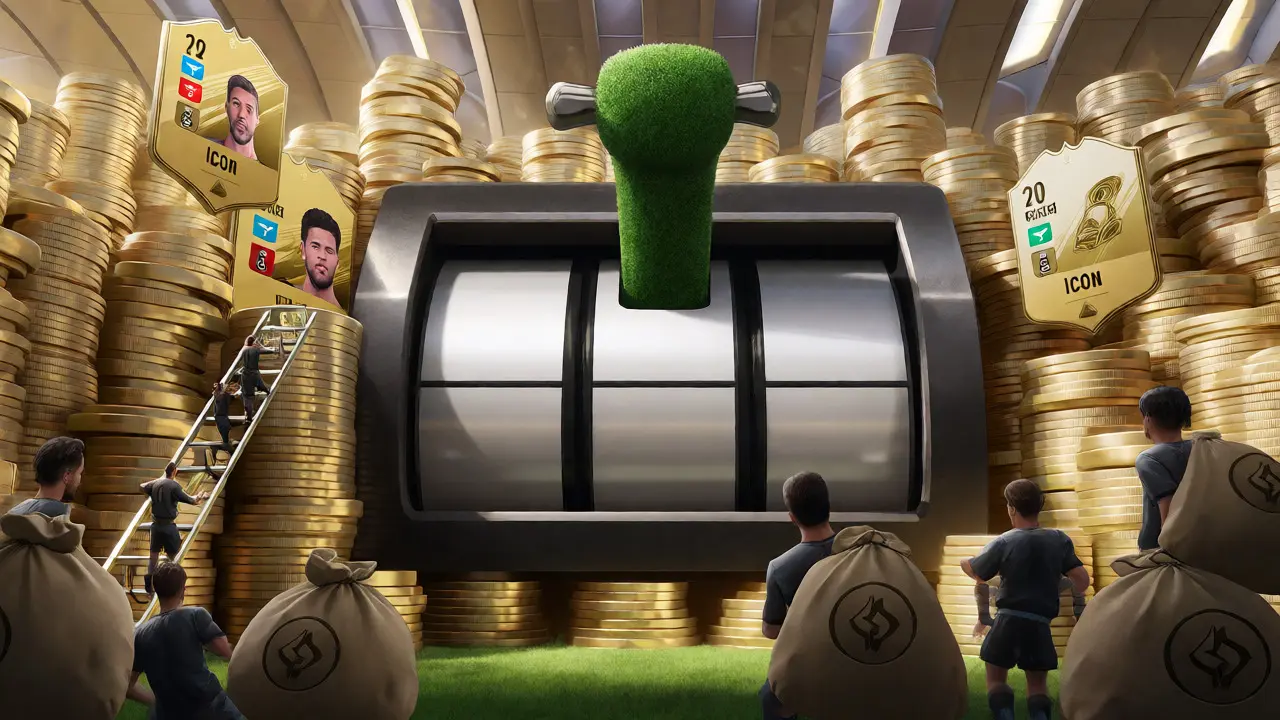
Governments worldwide have struggled to classify loot boxes. Is it gambling? In Belgium and the Netherlands, regulators decided yes. They banned paid loot boxes, forcing EA to remove them from FIFA games in those countries. In Australia, the classification shifted recently, acknowledging that while loot boxes share similarities with gambling, they often fall into a regulatory gray area unless cash-out options exist.
Critics argue that because you cannot exchange FUT items back for real money, it’s not true gambling. However, a robust third-party market exists where players sell accounts or trade items for cash, effectively bypassing this restriction. This loophole suggests that the economic reality differs from the legal definition. For the average player, the feeling of losing money on a bad pack is indistinguishable from losing a bet at a casino.

Impact on Player Experience
The shift toward monetization-heavy models has changed how people play sports games. Instead of focusing on tactics or skill development, many players grind hours solely to earn coins for packs. This "grind culture" can lead to burnout. Some studies suggest that excessive spending correlates with higher rates of anxiety and lower satisfaction among younger gamers. The community often divides between "pack addicts" who spend hundreds monthly and "free-to-play" grinders who feel left behind.
Moreover, the disparity between paying and non-paying players affects match outcomes. A team built entirely from packs may have significantly higher stats than one built through careful market trading and gameplay rewards. This pay-to-win element undermines the competitive integrity of online matches, leading to frustration and eventual churn.
Alternatives and Industry Shifts
Not all games follow EA’s model. Titles like Rocket League offer cosmetic-only loot boxes, ensuring that spending doesn’t affect gameplay balance. Others, like Fortnite, use battle passes which provide predictable rewards for consistent play. These alternatives attempt to satisfy the desire for customization without the gambling-like uncertainty.
As regulation tightens, we might see more transparency requirements globally. Mandatory odds disclosures are already becoming standard in Europe. If implemented widely, this could change consumer behavior, making players more aware of their actual chances and potentially reducing impulse purchases.
Are loot boxes considered gambling?
It depends on jurisdiction. Countries like Belgium and the Netherlands classify paid loot boxes as gambling and have banned them. Other regions view them as a form of entertainment purchase, though debates continue regarding their psychological impact and potential for addiction.
Why do players buy so many FIFA packs?
Players buy packs due to the allure of rare, high-rated players that offer a competitive advantage. The randomized nature creates a dopamine-driven feedback loop, encouraging repeated purchases in hopes of pulling a valuable item. Limited-time events also create urgency.
Can you convert FIFA points back to real money?
Officially, no. EA does not allow direct conversion of in-game items or points back into real currency. However, a secondary market exists where players sell entire accounts or trade items informally, allowing for indirect cash extraction.
How did EA respond to loot box criticism?
EA introduced features like "Pickups" and guaranteed rare items in certain packs to mitigate frustration. They also increased transparency around drop rates in response to regulatory pressure. Additionally, they removed paid loot boxes from FIFA titles in countries where they were legally classified as gambling.
What is the difference between coins and FIFA Points?
Coins are earned through gameplay and selling items on the transfer market. FIFA Points are purchased with real money. Coins can be used for most transactions, but FIFA Points are often required for premium packs or exclusive content, driving direct revenue.