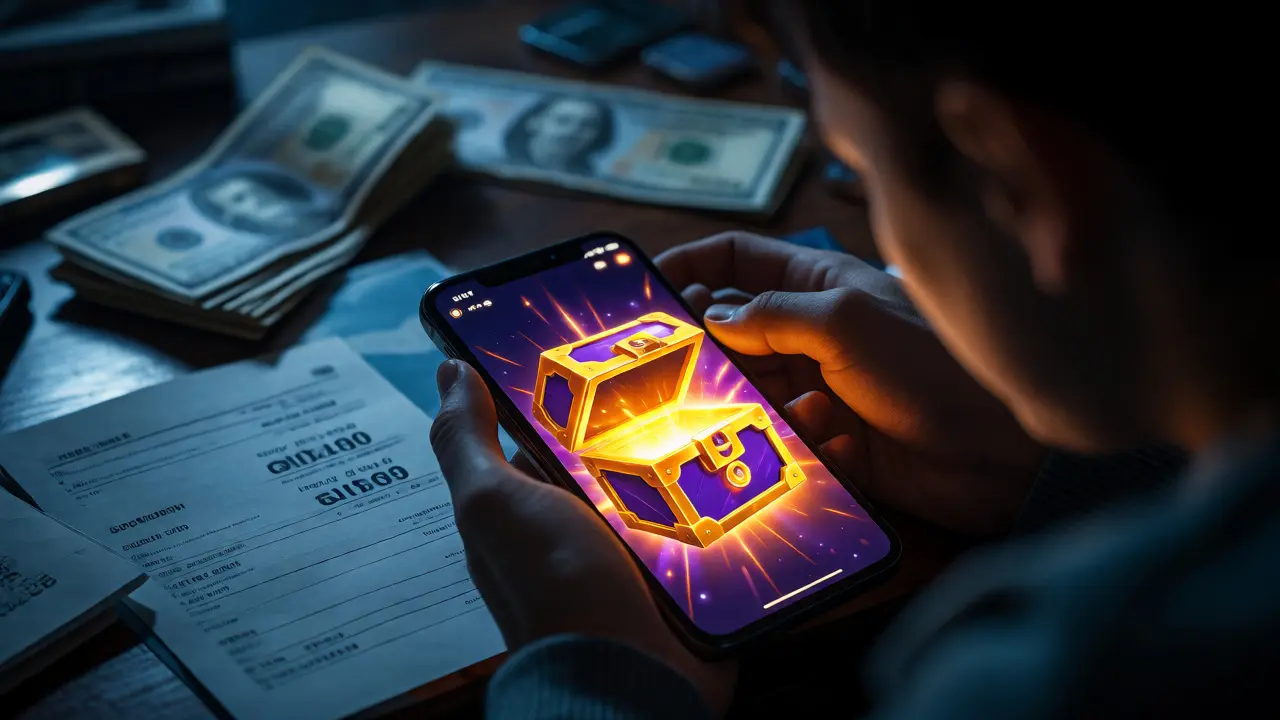
Imagine waking up to a bank alert that you’ve spent $2,400 in a single weekend. You didn’t buy a new car or go on vacation. You bought digital pixels. For many gamers, this isn’t a hypothetical nightmare; it’s a Tuesday. The phenomenon of loot boxes has quietly transformed from a fun bonus feature into a financial trap for millions. It feels like shopping, but the dopamine hit is engineered like a slot machine.
The Psychology Behind the Pull
Why do we keep pulling? It’s not just about wanting the skin or the weapon. It’s about variable ratio reinforcement. This psychological term describes a schedule where rewards are given after an unpredictable number of responses. Think of it like fishing. Sometimes you catch nothing. Sometimes you catch a boot. But occasionally, you reel in a legendary fish. That uncertainty keeps you casting the line.
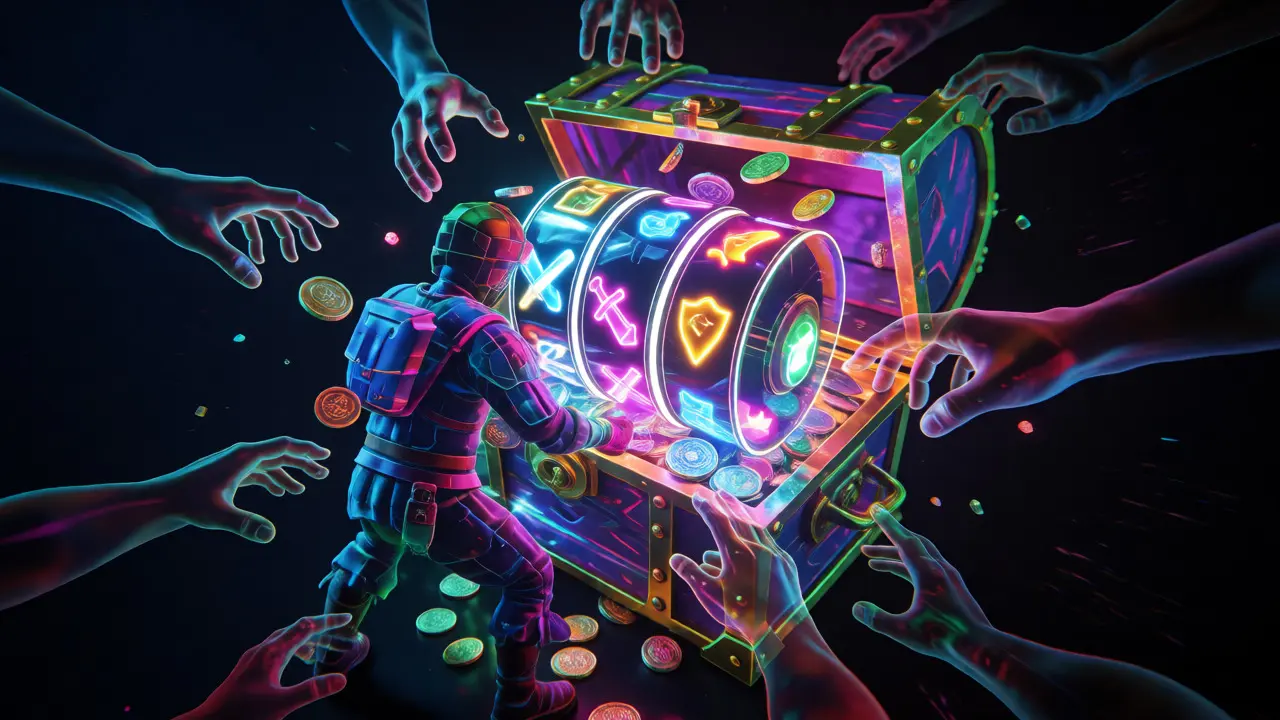
Loot boxes exploit this exact mechanism. When you spend real money for a chance at a rare item, your brain releases dopamine in anticipation, not just upon receipt. If you get a common item, you feel close to winning. If you get a rare one, you feel invincible. Both outcomes encourage another pull. The game designers know this. They design the odds to be frustratingly close enough to make quitting feel like a waste of previous effort.
| Feature | Traditional Slot Machine | Video Game Loot Box |
|---|---|---|
| Cost per Play | $1 - $5 (fixed) | $2 - $10 (variable bundles) |
| Visual Feedback | Spinning reels, flashing lights | Chest opening animations, sound cues |
| Social Pressure | Low (individual play) | High (peer comparison, streaming culture) |
| Regulation | Strict age and payout laws | Often unregulated or self-regulated |
When Fun Becomes Debt
The slide into financial trouble rarely happens overnight. It starts small. You buy one box for $5 because there’s a sale. Then you see a friend with a cool character skin, and you want one too. Before you know it, you’re buying "bundles" to save money, which actually encourages spending more. A $20 bundle sounds cheaper than ten $2 boxes, but you’re committing $20 instead of risking $2. For some, this escalates quickly. Consider the story of Marcus, a 28-year-old accountant who spent over $15,000 on FIFA Ultimate Team packs in two years. He wasn’t trying to gamble. He wanted to build a competitive team. But when he lost matches against players with better stats, he felt compelled to buy more packs to "keep up." His credit card balance became a source of daily anxiety. He stopped going out with friends because he couldn’t afford dinner, yet he still opened digital chests every night. This pattern mirrors classic gambling addiction markers: chasing losses, hiding the behavior, and prioritizing the next win over basic needs. The difference? Loot boxes don’t have cash registers. The transaction is invisible until the statement arrives. This frictionless spending removes the pain of parting with money, making it easier to overspend.
The Illusion of Progress
Game developers often argue that loot boxes add excitement to progression. Without them, grinding for hours might feel tedious. With them, every hour played has a potential jackpot attached. But this creates a dangerous illusion of progress. You aren’t necessarily getting better at the game; you’re just paying for shortcuts. In games like FIFA or Overwatch, skill matters, but gear matters more. If you can’t compete because your opponent paid $500 for their roster, the game stops being a test of skill and becomes a test of wallet size. This pressure drives players to spend even when they know the odds are stacked against them. The average drop rate for a top-tier item is often less than 1%. That means you might need to open 100 boxes to get one good result. At $2 per box, that’s $200 for one item.
Recognizing the Warning Signs
How do you know if your spending is out of control? It’s not just about the total amount. It’s about how the spending makes you feel. Here are concrete signs that you’re crossing the line from enthusiast to addict:
- Budget Breaches: You routinely exceed your entertainment budget without noticing until the bill arrives.
- Emotional Volatility: Your mood swings drastically based on whether you got a rare item or not.
- Secretive Behavior: You hide your purchases from partners or family members because you’re ashamed of the amounts.
- Neglect of Responsibilities: You delay paying bills or skipping meals to fund your next pack purchase.
- Chasing Losses: After a bad run of common items, you immediately buy more packs to "fix" the situation, rather than stopping.
Taking Back Control
So, how do you stop? Quitting cold turkey works for some, but for others, it’s about managing the trigger. First, disable auto-pay features for in-game stores. Make yourself enter your password or use biometrics for every transaction. This adds friction. Second, set a hard weekly limit. If you allow yourself $20 a week, stick to it. Once it’s gone, it’s gone. No exceptions for "special sales."
Another effective strategy is to track your cost-per-item. Calculate how much you spent divided by the value of the items you kept. Often, you’ll find you’re paying $50 for a skin worth $5. Seeing this data can break the spell. Finally, consider taking a complete break. Step away from the game for two weeks. Notice how you feel. Do you miss the gameplay, or just the thrill of the open? If it’s the latter, you’re gambling, not gaming.

The Industry Shift
Governments are starting to notice. Belgium and the Netherlands have banned loot boxes under gambling laws. In the UK and US, regulators are investigating whether loot boxes constitute gambling for minors. Companies like EA Sports and Blizzard have faced lawsuits and public backlash. Some have started disclosing odds more clearly, but transparency hasn’t stopped the spending.
The future likely holds stricter regulations. Until then, the burden falls on us. We need to treat loot boxes with the same caution we’d give a casino table. The house always wins, and in video games, the house is a billion-dollar corporation with teams of psychologists optimizing your spending habits.
Frequently Asked Questions
Are loot boxes legally considered gambling?
It depends on where you live. In countries like Belgium and the Netherlands, loot boxes are classified as gambling and are heavily regulated or banned. In the US and UK, they are generally not classified as gambling under current federal laws, though regulatory bodies are actively reviewing this stance due to similarities with slot machines.
Why do I feel compelled to buy more after losing?
This is known as the "sunk cost fallacy" combined with variable ratio reinforcement. You feel that since you’ve already spent money without getting a good reward, you are "due" for a win. Buying more feels like a way to recover your investment, even though each pull is an independent event with the same low odds.
Can I get my money back from loot box purchases?
Generally, no. Most game publishers state that all digital content purchases are final. However, if you are a minor, parents can sometimes request refunds through platform holders like Steam, PlayStation, or Xbox, especially if the spending was excessive and unauthorized. Policies vary significantly by platform and region.
Do loot boxes affect children differently than adults?
Yes. Children and adolescents have developing prefrontal cortexes, which regulate impulse control. They are more susceptible to the dopamine hits of variable rewards and may not fully grasp the long-term financial implications of repeated microtransactions. This makes them particularly vulnerable to rapid accumulation of debt.
What is a healthy amount to spend on loot boxes?
There is no universal number, but a good rule of thumb is that your total monthly gaming spend should not exceed 5% of your disposable income. More importantly, you should never spend money you cannot afford to lose entirely, as the value received is often far less than the cash spent.