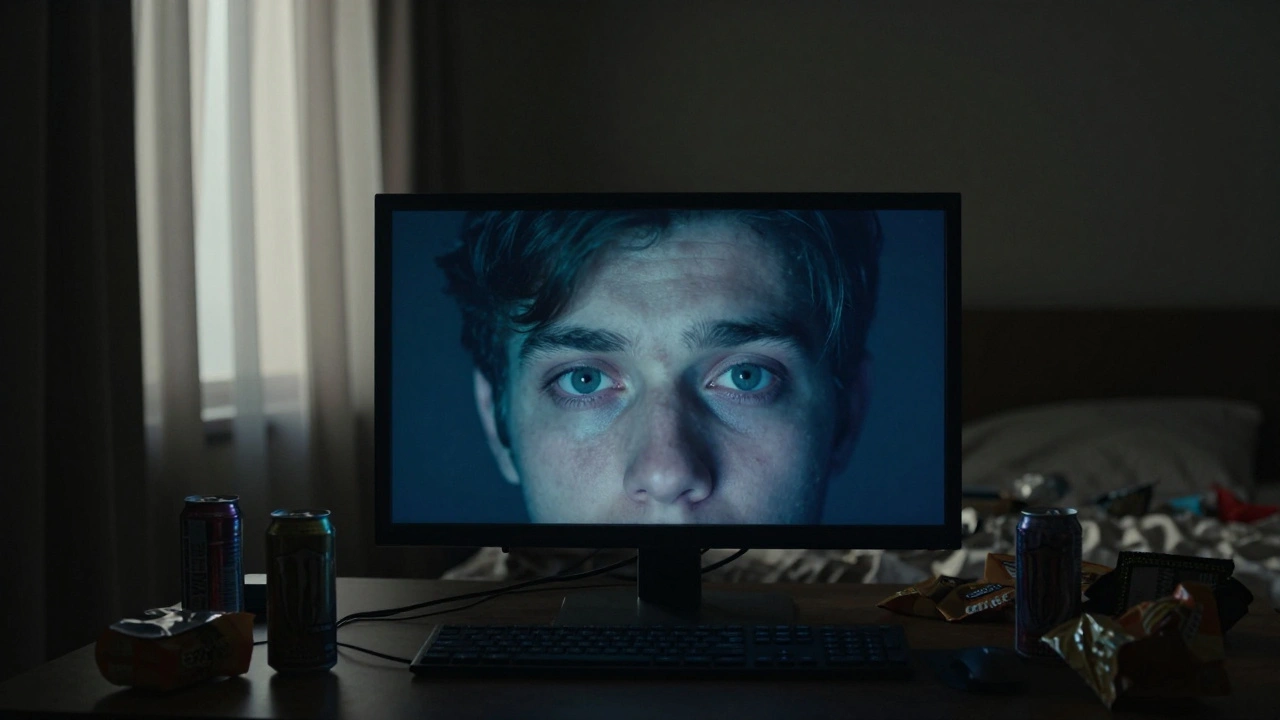
Quick Takeaways for Finding Help
- Peer-led forums are great for immediate venting and shared experiences.
- Structured programs like 12-step groups provide a roadmap for long-term sobriety.
- Moderated communities are safer for those struggling with severe depression or intrusive thoughts.
- Hybrid approaches combining online groups with professional therapy often yield the fastest results.
Understanding the Digital Struggle
Before jumping into a group, it helps to know what you're fighting. Gaming Disorder is a recognized condition characterized by impaired control over gaming, where the activity takes precedence over other life interests. It's not just about 'playing too much'; it's about the inability to stop even when the consequences are devastating. When you're in the thick of it, your brain's reward system is essentially hijacked. This is why gaming addiction recovery feels so physically and mentally draining-you're literally rewiring your brain to find pleasure in real-world activities again.
The shift from a virtual world to a physical one is jarring. You might find that the social connections you built in a guild or a clan feel more real than your actual family. That's why online communities are such a powerful tool. They bridge the gap, offering a safe space where you don't have to explain why a loot box feels like a gambling win or why a rank-down feels like a personal failure.
Types of Online Recovery Spaces
Not every forum is created equal. Depending on where you are in your journey, you might need a different kind of environment. Some people need a place to scream into the void, while others need a strict set of rules to follow.
First, there are the open-access forums. These are often found on platforms like Reddit is a massive social news aggregation site where niche sub-communities, or subreddits, form around specific topics like gaming addiction. Groups here are usually informal. They're fantastic for realizing you aren't the only one who lost a semester of college to an MMO, but they can sometimes become 'echo chambers' of misery if they aren't well-moderated.
Then you have the structured support groups. These often mirror the philosophy of Game Quitters is one of the most prominent global communities specifically dedicated to helping people quit gaming through a combination of peer support and expert guidance. These spaces focus on 'sobriety'-the total absence of gaming-and provide tracking tools to count the days since your last session. They treat the habit more like a chemical dependency, which helps many people take the problem seriously.
| Community Type | Primary Goal | Structure | Best For... |
|---|---|---|---|
| Informal Forums | Shared Experience | Low/Unstructured | Initial realization & venting |
| Recovery Programs | Total Abstinence | High/Guided | Long-term behavioral change |
| Therapeutic Groups | Clinical Healing | Professional | Co-occurring mental health issues |

How to Choose the Right Group for You
Walking into a new community can be intimidating. You might fear judgment or, worse, find a group that actually triggers you to play more. To avoid this, look for a few specific green flags. A good recovery community should have clear rules against 'gaming talk' (discussing new releases or game mechanics) because that's a fast track to a relapse.
Ask yourself: Do I need a mentor or just a listener? If you're looking for a mentor, seek out groups that have a 'sponsor' or 'buddy' system. Having someone who is six months sober check in on you during a weekend when you're tempted to download a game is a game-changer. If you just need to feel less alone, a large, active forum where you can browse hundreds of stories is your best bet.
Be wary of groups that promote 'moderate gaming' too early. While some people can balance a few hours a week, for a true addict, moderation is often a trap. If a group encourages you to 'just play a little bit,' it might not be the right environment for someone struggling with a deep-seated Dopamine Loop is a neurological feedback loop where a behavior is reinforced by the release of dopamine, creating a craving to repeat the action. For many, any amount of gaming restarts that loop, making the urge to binge return with a vengeance.
The Danger of the 'Digital Void'
One of the hardest parts of recovering from gaming addiction is the sudden silence. For years, your brain has been stimulated by flashing lights, constant chat notifications, and high-stakes competition. When you quit, the real world feels gray and boring. This is called anhedonia-the inability to feel pleasure from normal activities.
Online communities help fill this void, but there's a risk. Some people simply replace their gaming addiction with a 'recovery addiction,' spending 10 hours a day talking about how much they hate gaming. If you find yourself spending more time in recovery forums than you do interacting with people in your actual city, you're just swapping one screen for another.
The goal of any online group should be to act as a launchpad, not a destination. Use the community to get the tools you need, then apply those tools to real-life hobbies. Whether it's joining a local hiking group, picking up a musical instrument, or volunteering, the transition must eventually move from the keyboard to the physical world.

Integrating Professional Help
While peer support is gold, it isn't a replacement for clinical treatment. Many people find that their gaming is actually a symptom of something else, like ADHD is Attention Deficit Hyperactivity Disorder, a neurodevelopmental disorder that often makes the high-stimulation environment of gaming incredibly appealing. Or perhaps it's social anxiety or clinical depression. A peer group can't diagnose these, but a therapist can.
Look for professionals who specialize in Cognitive Behavioral Therapy (CBT) is a psycho-social intervention that aims to improve mental health by challenging and changing cognitive distortions. CBT is particularly effective for gaming because it helps you identify the 'trigger' thoughts-like 'I can't handle stress at work, so I need to escape into the game'-and replace them with healthier coping mechanisms.
A hybrid approach is usually the most successful. You use the online community for daily accountability and emotional support, and you use the therapist for the deep structural work of healing your psyche. This dual-layer support system ensures that if you have a bad day at therapy, you have a community to lean on, and if the community feels too chaotic, you have a professional to keep you grounded.
Are online support groups enough to cure gaming addiction?
For some, peer support provides the necessary accountability to quit. However, because gaming addiction often masks underlying issues like depression, anxiety, or ADHD, most people benefit from combining online groups with professional therapy to achieve long-term stability.
What should I look for in a 'healthy' recovery community?
Look for communities with strict moderation that forbid 'triggering' content, such as game reviews or news. A healthy group focuses on the psychology of addiction and the process of rebuilding a real-life identity rather than obsessing over the games themselves.
How do I handle the boredom after quitting gaming?
Boredom is a sign that your brain is resetting its dopamine baseline. The best way to handle it is through 'dopamine fasting' and gradually introducing low-stimulation activities like reading, walking, or journaling. Online communities can provide a temporary social bridge during this transition.
Can I still play games occasionally in recovery?
This depends on the individual, but most recovery experts suggest a period of total abstinence (usually 90 days to a year) to break the neurological patterns. Attempting 'moderate gaming' too early often leads to a total relapse because the addiction triggers remain active.
How do I tell my family I need help with gaming?
Be honest about the loss of control. Instead of saying 'I play too much,' say 'I feel like I've lost the ability to stop, and it's affecting my mental health.' Asking for their help in holding you accountable-such as limiting your access to hardware-can make them allies in your recovery.
Next Steps for Your Recovery
If you're reading this and feeling overwhelmed, start small. You don't have to delete every account and throw your PC in the trash today. Start by spending one hour a day completely away from all screens. During that hour, join one of the communities mentioned above and just read. You don't even have to post.
If you find yourself relapsing, don't beat yourself up. A relapse is just a data point-it tells you what your triggers are. Maybe you played because you were lonely, or maybe you played because you were stressed about a deadline. Write those triggers down and share them with your online group. The more you analyze the 'why' behind the urge, the easier it becomes to dismantle the habit.