
Stopping gaming feels impossible because modern games are engineered to keep you glued to the screen. You pull up the controller, intending to play for fifteen minutes, and suddenly three hours have vanished. This cycle drains your energy, disrupts your sleep, and isolates you from real life. The Respawn Framework is designed to break this loop without relying solely on willpower. Unlike typical advice that focuses on cold turkey abstinence, this method prioritizes understanding your brain chemistry and rebuilding your lifestyle around sustainable habits.
Understanding the Grip of Gaming Addiction
Before you can walk away from the console, you need to understand Gaming Disorder is a pattern of behavior involving impaired control over gaming leading to priority being given to gaming over other interests and activities. Modern titles utilize Variable Reward Schedules, similar to slot machines. Every time you open a chest or complete a match, your brain anticipates a reward that may or may not happen. This uncertainty creates a chemical dependency on dopamine.
This isn't a lack of discipline; it is a physiological response. When you try to stop, you face withdrawal symptoms. These include irritability, anxiety, insomnia, and intense cravings. Ignoring these signals leads to failure. Acknowledging them allows you to treat the recovery as a medical rehabilitation rather than a moral failing. Your goal is not necessarily to never touch a game again, but to restore balance so gaming no longer controls you.
The Five Steps of the Respawn Framework
The core of this recovery strategy relies on five distinct phases. Each phase addresses a different aspect of the dependency, moving from immediate cessation to long-term maintenance.
| Step | Primary Goal | Duration |
|---|---|---|
| Audit | Identify triggers and usage patterns | Days 1-3 |
| Frayction | Increase difficulty of access | Days 4-7 |
| Reset | Dopamine normalization period | Weeks 2-3 |
| Replace | Find alternative rewards | Week 4+ |
| Reintegrate | Restore social connections | Ongoing |
Step 1: The Audit
You cannot change what you do not measure. For the first three days, do not ban yourself yet. Instead, track every instance of logging in. Note the time of day, your emotional state, and the specific game. Are you logging in out of boredom? Are you checking in to avoid a work task? Are you seeking the high from winning?
Many players discover they play passively, leaving accounts running in the background while working or eating. This passive engagement reinforces the neural pathway without providing fulfillment. By documenting these moments, you expose the trigger points. If you see a spike in late-night sessions, you realize sleep hygiene is compromised. If you see post-work spikes, you realize gaming is used as a stress relief valve. Identification turns vague guilt into actionable data.
Step 2: Creating Friction
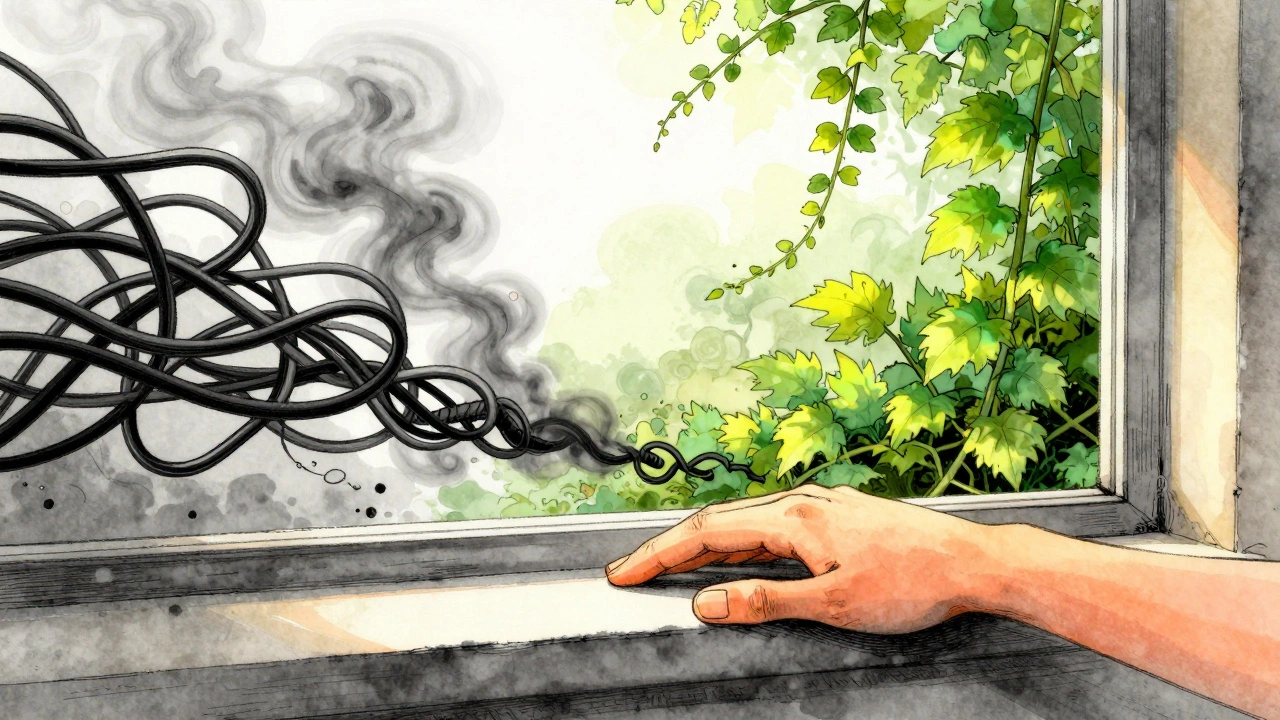
Willpower is a finite resource. Once you identify the triggers, you must remove the ease of access. Uninstalling the game is often insufficient. Console manufacturers make re-downloading apps incredibly easy. You need to engineer obstacles. Log out of your Steam or Epic Games account every single time. Store the password in a locked document or give it to a trusted friend.
If possible, relocate the hardware. A console in the living room is always available. Moving it to a guest closet or a drawer adds physical steps between impulse and action. This delay provides a window where your prefrontal cortex-the rational part of your brain-can catch up with your limbic system, which wants the instant gratification. Even thirty seconds of extra effort reduces impulsive behavior significantly.
Step 3: The Dopamine Reset
This phase is the most difficult. You might feel bored, restless, or physically uncomfortable. This is Dopamine Desensitization refers to the reduction in sensitivity of receptors due to chronic overstimulation. When you stop the high-intensity stimulation of gameplay, everyday life feels dull by comparison.
Do not fill this void with another screen. Avoid excessive social media scrolling or binging TV shows. Instead, engage in low-stimulation activities. Go for a walk without headphones. Sit in a park. Read a physical book. Spend time sitting with your discomfort. Over seven to ten days, your baseline dopamine levels will begin to stabilize. Simple pleasures like good food or conversation will eventually start to taste normal again.

Step 4: Strategic Replacement
Removing a habit leaves a vacuum that must be filled. Humans crave structure and achievement. Video games provide frequent feedback loops: quests completed, levels gained, skills mastered. Your replacement activity must offer similar feedback mechanisms. Join a local hiking group, start training for a run, or learn an instrument.
Look for hobbies that provide tangible progress. Cooking a meal offers a visual result. Cleaning your apartment provides immediate order. Working on a vehicle or carpentry project gives you something physical to hold at the end of the day. These activities compete for the same psychological needs as gaming but ground you in the physical world. They rebuild confidence outside of virtual metrics.
Step 5: Social Reintegration
Gaming often serves as a primary source of socialization. Friends invite you to raid; you chat on Discord during breaks. Cutting this off can lead to profound isolation. You must actively communicate your boundaries to your circle. Tell friends you are taking a break for health reasons. Be honest that you are stepping back from in-game interaction.
Invite friends to do things offline. Invite them for coffee, a movie, or a meal. This maintains the relationship without the addictive mechanism attached. It also helps you see that people like you for who you are, not just for your utility as a teammate in a virtual squad. Rebuilding this web of support creates a safety net against relapse.
Managing Withdrawal Symptoms
Your body will react to the sudden cessation of high-stimulation activities. You may experience headaches, sweating, and mood swings during the first week. Hydration and sleep are critical. Avoid caffeine, as it mimics some of the jittery feelings of gaming fatigue. Prioritize eight hours of rest per night.
If thoughts become intrusive, use grounding techniques. The 5-4-3-2-1 method works well. Identify five things you see, four you feel, three you hear, two you smell, and one you taste. This snaps your attention to the present moment and away from the craving loop.
What if I relapse after starting the Respawn Framework?
Relapse does not mean failure. Analyze the trigger. Did you drink alcohol before playing? Were you overly stressed? Adjust your environment for next time. Get back on the framework immediately without waiting for a "fresh start."
Can I still play games occasionally?
Long-term abstinence is not required. The goal is control. Once your baseline is stable, you may reintroduce gaming in limited, scheduled windows. Treat it like medicine-measured doses-not a constant stream.
How long does the Reset phase actually take?
Most neurochemistry studies suggest roughly nine days for initial dopamine receptor downregulation. However, subjective comfort with boredom usually takes closer to three weeks. Be patient with the timeline.
Does this framework apply to mobile games?
Yes. Mobile games often rely more heavily on variable rewards and microtransactions. The friction steps are even more important here because the device is always in your pocket.
Who created the Respawn Framework?
This methodology combines principles from Cognitive Behavioral Therapy, Habit Formation theory, and addiction recovery protocols tailored specifically for digital dependency behaviors.