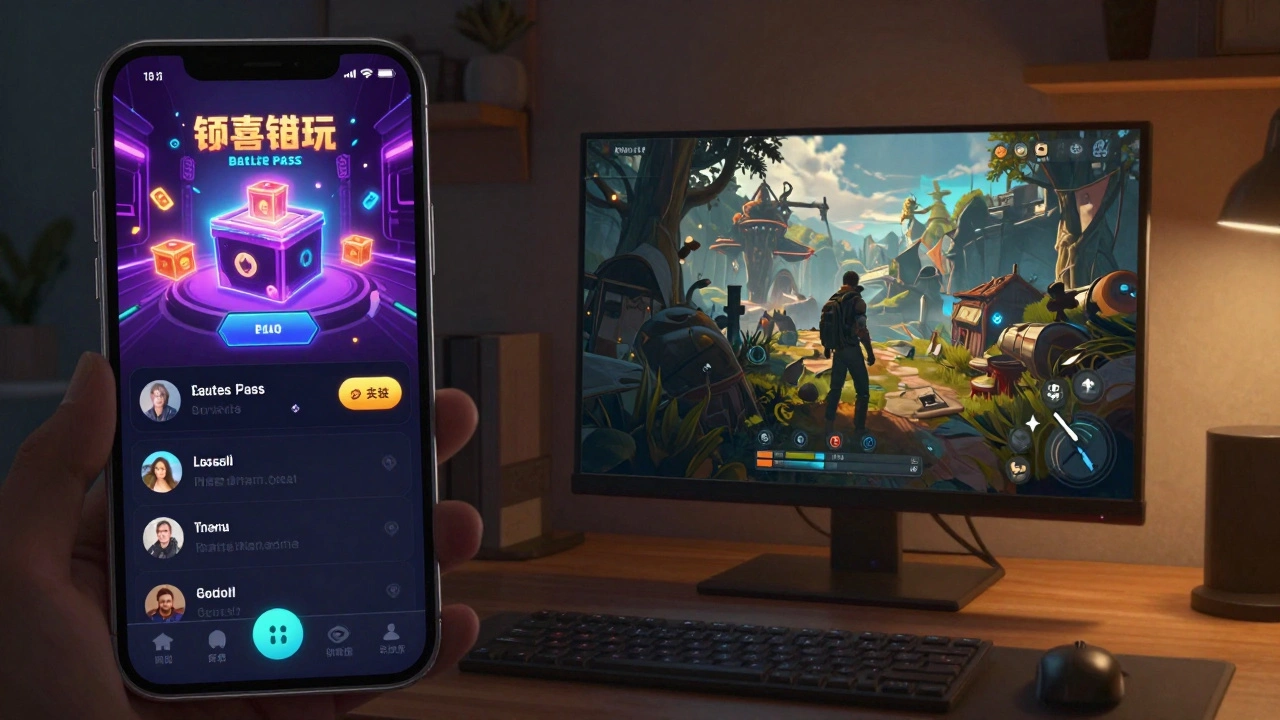
Ever wonder why some games cost $70 upfront while others are free to download but still make billions? It’s not magic. It’s monetization. And the difference between free-to-play and pay-to-play isn’t just about price-it’s about how your time, your habits, and your wallet get used in ways you might not even notice.
What Free-to-Play Actually Means
Free-to-play (F2P) games don’t ask you to pay before you start. You download, install, and jump right in. Titles like Fortnite, Genshin Impact, and Apex Legends built empires on this model. But here’s the catch: they’re not free because they’re cheap. They’re free because they’re designed to make money later.
These games rely on microtransactions. Cosmetic skins, battle passes, loot boxes, speed boosts, exclusive characters-all of it adds up. In 2025, Genshin Impact made over $2.2 billion in revenue, mostly from players spending $10-$50 at a time on gacha pulls. That’s not a bug; it’s the business model. You’re not paying for the game. You’re paying for progression, rarity, or status.
The trick? F2P games are engineered to keep you hooked. Daily login rewards, limited-time events, and social pressure from friends playing the same game create a loop. You don’t feel like you’re spending money-you feel like you’re just keeping up.
Pay-to-Play: The Old School Model That Still Works
Pay-to-play (P2P) is simpler: you pay once, you own it. Games like Halo Infinite, Red Dead Redemption 2, and God of War Ragnarök follow this. You hand over $60-$70, and the game is yours to play without extra fees. No paywalls. No timers. No "unlock this for $15."
This model works best when the game delivers a complete, polished experience. Developers focus on storytelling, world design, and depth because they know you won’t come back unless the game earns its price. That’s why P2P games often have longer development cycles and higher production values.
But it’s not foolproof. If you buy a game and it’s buggy, unfinished, or lacks content, you feel cheated. And you’re right to. The P2P model depends on trust. Once broken, it’s hard to rebuild.
How Revenue Streams Differ
Let’s compare how money flows in each model.
| Revenue Source | Free-to-Play | Pay-to-Play |
|---|---|---|
| Upfront Purchase | None | Primary source |
| Microtransactions | Core revenue driver | Optional (e.g., DLCs) |
| Subscription Fees | Rare | Common for MMOs |
| Advertising | Common (e.g., branded skins) | Very rare |
| Player Spending Patterns | Small, frequent purchases | Large, one-time payment |
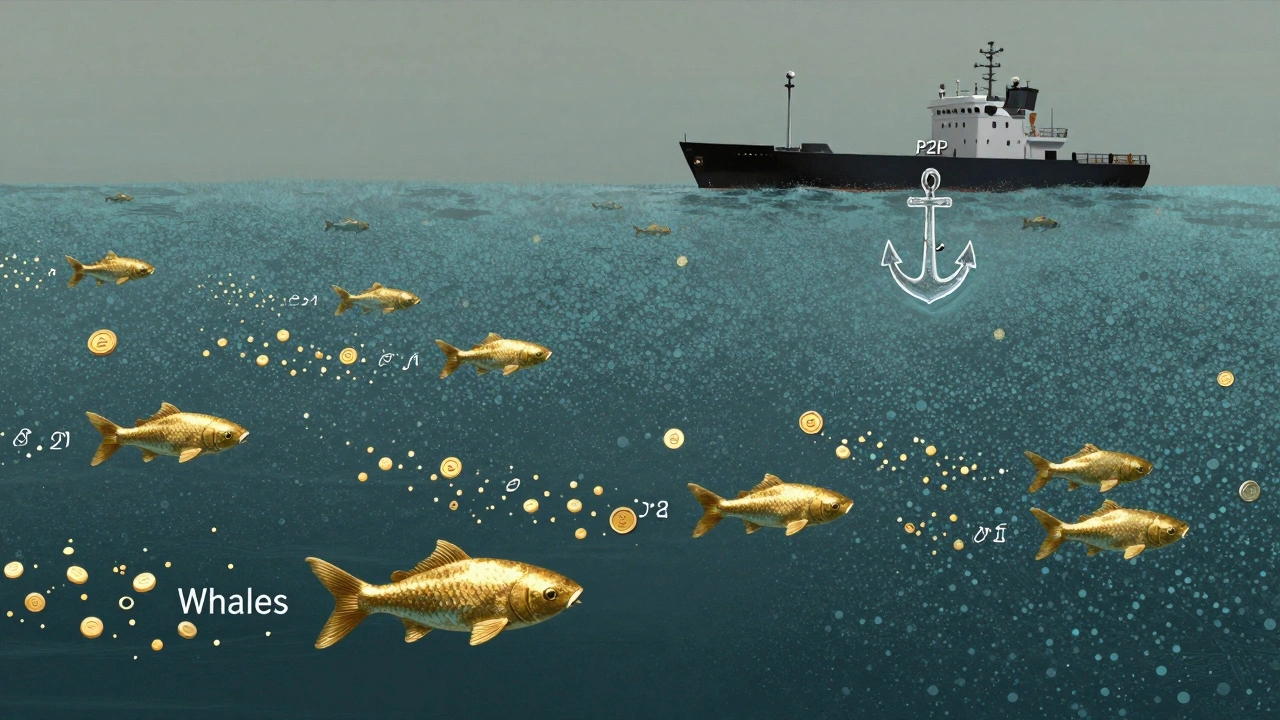
Free-to-play games make money from a small percentage of players-often less than 5%-who spend heavily. These are called "whales." The rest play for free, but they keep the servers running and the community alive. Pay-to-play games, on the other hand, rely on volume. If 1 million people buy a $60 game, that’s $60 million. No need to manipulate behavior. Just deliver a great product.
Which Model Favors the Player?
It depends on what you value.
If you hate feeling pressured to spend, P2P wins. You pay once, and that’s it. No pop-ups. No daily login streaks. No "limited-time offer" banners. You own the game, and you play it how you want.
If you’re on a tight budget or just want to try something new, F2P gives you zero risk. You can play hundreds of hours without spending a dime. But here’s the dark side: F2P games are designed to exploit psychological triggers. Variable rewards (like loot boxes), sunk cost fallacy ("I’ve already invested 200 hours-why stop now?"), and social comparison (everyone else has the skin) are all tools used to keep you engaged-and spending.
Some F2P games blur the line between fun and manipulation. A 2024 study by the University of Oregon found that players in F2P games were 3x more likely to experience "spending regret" than those in P2P games. Why? Because the spending feels invisible until it’s too late.
What’s Changing in 2026?
The lines are getting blurry.
Some P2P games now add battle passes-like Call of Duty: Modern Warfare III-making them hybrid models. Meanwhile, F2P games like Marvel’s Midnight Suns are offering full expansions for one-time fees, mimicking P2P.
Regulation is catching up, too. The EU now requires all loot box odds to be clearly displayed. The U.S. FTC is investigating F2P games targeting minors. And players are getting smarter. TikTok reviews, Reddit threads, and YouTube deep dives are exposing shady monetization faster than ever.
There’s also a rising trend: "pay once, play forever." Games like Stardew Valley and Portal 2 prove you don’t need constant monetization to build loyalty. Players remember when a game respects them.
Which Should You Choose?
Here’s a quick guide:
- Choose free-to-play if you want to test a genre, play casually, or enjoy multiplayer with friends without upfront cost.
- Choose pay-to-play if you value complete, uninterrupted experiences and hate being nudged to spend.
- Avoid F2P if you’re prone to impulse spending or feel guilt after small purchases.
- Don’t avoid P2P just because of the price tag-if it’s well-reviewed and you’ve seen gameplay, it’s often worth it.
There’s no "better" model. Just better fits for different players. The key is knowing how each one works-and whether you’re playing the game, or the game is playing you.