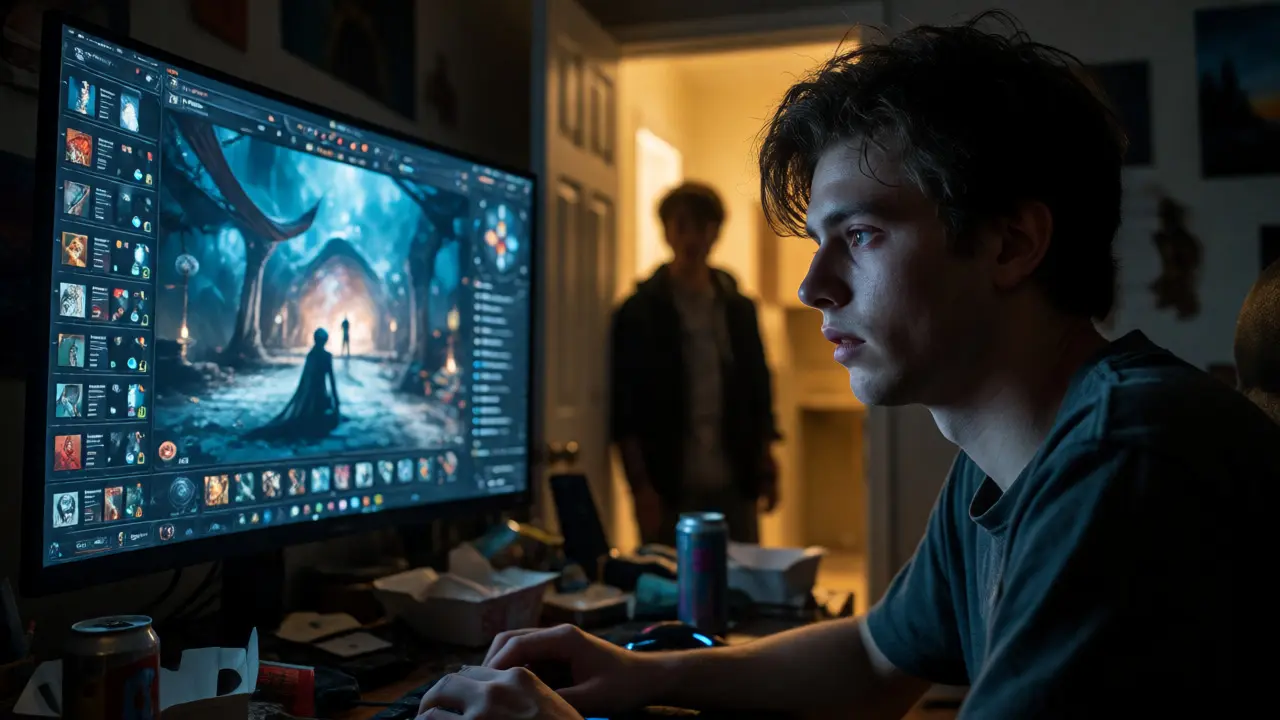
You notice your buddy hasn’t left the house in three days. His eyes are red-rimmed, his rent is late, and he’s snapping at everyone because a raid failed. You want to help, but you’re terrified of sounding like his nagging mother or triggering a defensive explosion. This is the tightrope walk of friend interventions for problem gamers. It’s not about banning their console; it’s about reconnecting them with the world outside the screen.
Most people think addiction looks like hitting rock bottom. But in gaming, it often looks like high-functioning avoidance. The player might still hold down a job, but their relationships are eroding. Before you sit them down, you need to understand what you’re dealing with. Is this a hobby gone too far, or is it Internet Gaming Disorder (IGD), recognized by the World Health Organization as a pattern of impaired control over gaming? The difference matters because it changes your approach from "let's go hiking" to "we need professional support."
Spotting the Signs Before You Speak Up
You can’t intervene if you don’t know what you’re intervening against. Look beyond the hours logged. Watch for withdrawal symptoms when they aren’t playing-irritability, anxiety, or flat affect. Notice if they’ve stopped engaging in activities they once loved, like sports or social gatherings. Are they lying about how much they play? Do they prioritize virtual achievements over real-life responsibilities?
Here’s a quick reality check. If your friend is missing work deadlines, skipping meals, or ignoring hygiene to grind for loot, that’s a red flag. According to the American Psychiatric Association, significant impairment in personal, family, educational, or occupational functioning is key to diagnosing problematic use. You aren’t just being nosy; you’re observing tangible life impacts. Write these down before you talk. Specific examples beat vague accusations every time.
The Art of the Non-Judgmental Conversation
Timing is everything. Never start this talk while they are mid-match or right after a loss. Their dopamine levels are crashed, and their patience is non-existent. Pick a neutral moment, maybe over coffee or during a walk. Start with empathy, not accusation. Use "I" statements instead of "You" statements. Say, "I’ve noticed you seem stressed lately," rather than "You’re addicted to that game."
Listen more than you speak. Ask open-ended questions like, "What do you get out of gaming that you feel is missing right now?" Often, gaming fills a void-loneliness, lack of achievement, or boredom. Understanding the root cause helps you offer better solutions. If they’re gaming to escape social anxiety, dragging them to a loud party won’t help. They might need smaller, low-stakes social interactions first.

Setting Boundaries Without Burning Bridges
Help doesn’t mean enabling. If you constantly cover for their missed plans or lend them money they spend on microtransactions, you’re part of the problem. You need to set clear boundaries. Decide what you will and won’t tolerate. Maybe you’ll stop inviting them to events where they have to leave early to log on. Maybe you’ll decline hanging out if they haven’t showered or eaten properly.
Communicate these boundaries calmly. "I love hanging out with you, but I can’t plan dinners if you’re going to be distracted by notifications. Let’s try one hour without phones." Stick to it. Consistency is harder than intensity. One big lecture fades; consistent small boundaries reshape behavior over time. Remember, you can’t control their actions, only your reaction to them.
Practical Strategies for Reconnection
Once the initial conversation happens, you need actionable steps. Cold turkey rarely works for adults who use gaming as a coping mechanism. Instead, aim for balance. Suggest alternatives that provide similar rewards. If they love strategy games, try board games or chess clubs. If they crave social interaction, look into local sports leagues or volunteer groups where teamwork is required but the stakes are lower.
Consider a "tech-free" zone in shared spaces. If you live together or hang out at their place, agree that no screens are allowed during meals. Small environmental cues help break the habit loop. Also, encourage physical activity. Even a short walk releases endorphins that compete with the dopamine hit from gaming. Make it fun, not a chore. Invite them to join you, not to "fix" them.
| Approach | Best For | Risk Factor | Actionable Tip |
|---|---|---|---|
| Casual Check-in | Mild excessive play | Being ignored | Ask about their day, not their rank. |
| Structured Boundary | Disrupted routines | Resistance/Conflict | Agree on specific screen-free times. |
| Professional Referral | Severe impairment | Denial of problem | Offer to help find a therapist. |
| Shared Activity | Social isolation | Lack of interest | Pick an activity they used to enjoy. |

When to Push for Professional Help
Sometimes, friendship isn’t enough. If your friend shows signs of severe depression, anxiety, or substance abuse alongside gaming, suggest therapy. Cognitive Behavioral Therapy (CBT) has shown strong results in treating gaming disorder by addressing the underlying thoughts and behaviors. You can frame it positively: "A therapist could help you manage stress so you don’t have to escape into the game all the time."
Be prepared for resistance. Denial is common. Don’t force it. Plant the seed and let it grow. Offer to research therapists with them. Sometimes, hearing it from a stranger carries more weight than hearing it from a friend. If they refuse help, protect your own mental health. You can’t pour from an empty cup.
Taking Care of Yourself
Supporting someone with a behavioral issue is exhausting. You might feel frustrated, guilty, or helpless. That’s normal. Set limits on your own emotional investment. You are their friend, not their parent or doctor. Step back when you feel overwhelmed. Maintain your own hobbies and social circles. A healthy you is a better support system for them.
Remember, recovery isn’t linear. There will be setbacks. Celebrate small wins, like a night out without checking their phone or finishing a project they’d been putting off. Patience pays off. Your goal isn’t to eliminate gaming entirely, but to ensure it doesn’t eliminate their life.
How do I know if my friend has a gaming addiction?
Look for patterns of impaired control, prioritization of gaming over other interests, and continuation despite negative consequences. Key signs include neglecting hygiene, sleep, work, or relationships, and experiencing irritability or anxiety when unable to play.
Should I take away their console or PC?
Generally, no. Unless you live with them and have agreed upon rules, removing hardware often causes resentment and conflict. Adult autonomy is important. Focus on encouraging voluntary reduction and setting mutual boundaries for social interactions instead.
What if they deny they have a problem?
Avoid arguing facts. Share your observations using "I" statements and express concern for their well-being rather than criticizing their habits. Give them space to process. Continued denial may require professional intervention or waiting until natural consequences motivate change.
Can gaming ever be healthy?
Yes. Moderate gaming can improve hand-eye coordination, problem-solving skills, and social connectivity. It becomes problematic only when it interferes with daily functioning, mental health, or physical well-being. Balance is the key metric, not total hours played.
What resources are available for help?
The World Health Organization and American Psychiatric Association provide diagnostic criteria. Organizations like Game Quitters offer community support and education. Therapists specializing in CBT or addiction counseling are effective for deeper issues. Local support groups can also reduce feelings of isolation.