
You know that feeling. It’s 2 AM, your eyes are burning, and you’re staring at a glowing chest on your screen. You just spent $40 on virtual currency. Again. The item pops out-it’s gray. Useless. You click "Buy More" before your brain even registers the loss. For many gamers, this isn’t just a bad night; it’s a financial spiral that starts with a few dollars and ends with payday loans.
This story isn't about being bad at math. It's about how game design exploits human psychology. If you’ve ever wondered how you went from buying one skin to owing three figures in credit card debt, you aren’t alone. This guide breaks down the mechanics of loot box spending, why it feels like gambling, and exactly how I stopped the bleeding without deleting my favorite games.
The Psychology Behind the Spin
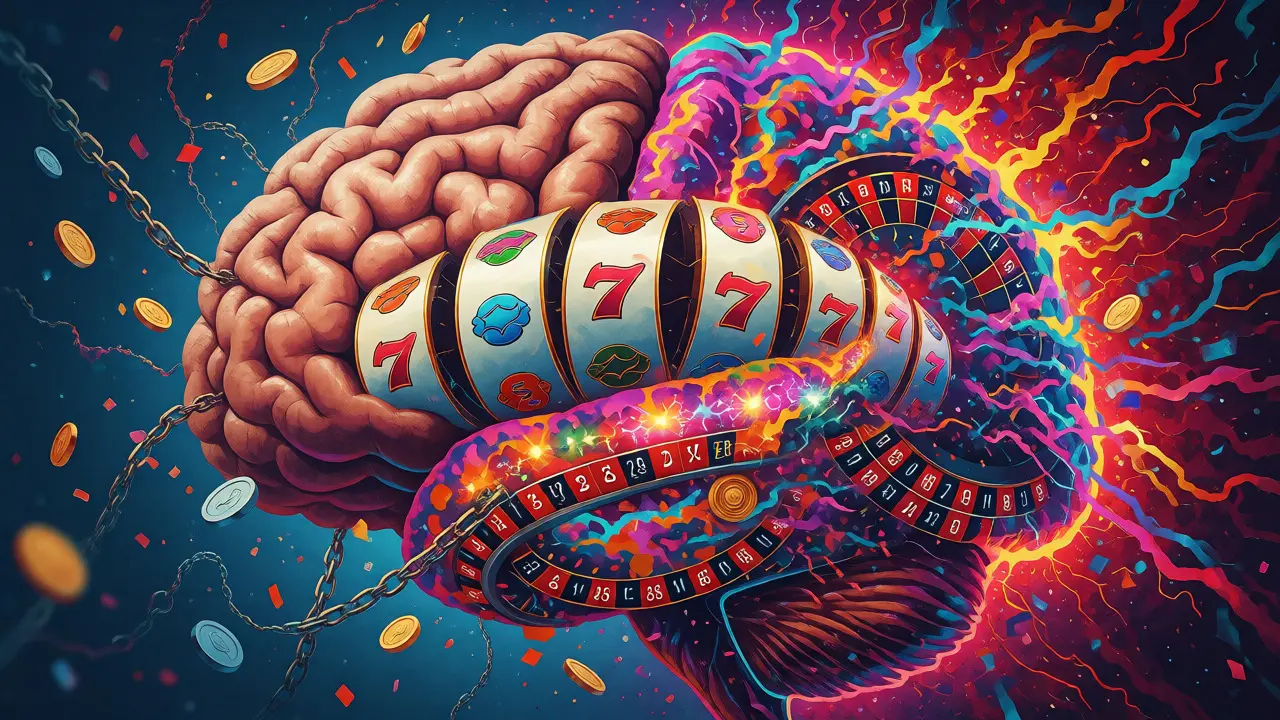
To fix the problem, you have to understand what’s happening in your brain. Game developers don’t just sell items; they sell dopamine. When you open a loot box, your brain releases a hit of anticipation similar to pulling the lever on a slot machine. This is known as variable ratio reinforcement. Sometimes you get nothing. Sometimes you get something rare. Because the reward is unpredictable, the behavior becomes harder to extinguish than if you always got the same prize.
In Portland, where tech culture runs deep, we see this everywhere. But for gamers, the barrier to entry is low. You don’t need to drive to a casino. You just need a thumbstick or a mouse. The friction is almost zero. A study published in the journal Addictive Behaviors found that loot box spending correlates strongly with problem gambling severity. Essentially, your brain treats a digital crate opening the same way it treats a roulette wheel. The only difference? No one asks for ID at the checkout counter.
Identifying the Red Flags
How do you know if you’ve crossed the line from hobbyist to spender? It’s not always about the total amount spent. It’s about the impact on your life. Here are the signs I ignored until my bank account looked like a crime scene:
- Chasing Losses: You spend more money hoping to recover previous losses. You think, "If I buy ten more packs, I’ll definitely get the legendary sword."
- Borrowing to Play: Using credit cards or payday loans specifically to fund in-game purchases.
- Hiding Spending: You keep receipts hidden from partners or family because you feel ashamed of the amounts.
- Neglecting Real Life: You skip meals or delay bill payments to save up for a limited-time event.
- Emotional Spending: Buying loot boxes when stressed, bored, or sad, rather than when you actually want an item.
If you checked two or more of these boxes, you’re likely in the danger zone. The transition from casual play to compulsive spending often happens silently. One month you spend $50. The next, it’s $150. Before you know it, you’re financing a virtual wardrobe while struggling to pay rent.
The Financial Reality Check
Let’s look at the numbers. Many free-to-play games use a model called "whaling," where a small percentage of players generate the majority of revenue. These whales might spend thousands per month. But you don’t need to be a whale to get hurt. Even moderate spenders can accumulate significant debt over time.
| Expense Type | Average Annual Cost | Psychological Trigger | Debt Risk Level |
|---|---|---|---|
| Standard Game Purchase | $60 - $70 | One-time decision | Low |
| Season Pass / Battle Pass | $10 - $30 | Progression commitment | Low |
| Casual Microtransactions | $100 - $300 | Convenience/Cosmetics | Moderate |
| Loot Box/Gacha Mechanics | $500 - $2,000+ | Dopamine/Variable Reward | High |
| Payday Loan Interest | 300% - 400% APR | Urgency/Desperation | Critical |
Notice the jump between Season Passes and Loot Boxes. A Season Pass is predictable. You know exactly what you’re getting. Loot boxes are opaque. You might spend $500 trying to get a specific character skin, only to realize the odds were 0.5%. When you combine high variance with easy access to credit, you create a perfect storm for debt.
Step-by-Step Guide to Breaking the Cycle
Stopping isn’t about willpower alone. Willpower fails when you’re tired or stressed. You need systems. Here is the exact framework I used to go from paycheck-to-paycheck gamer to debt-free player.
1. The Hard Stop Method
Delete all saved payment methods from your gaming accounts. Steam, PlayStation Network, Xbox Live, mobile app stores-wipe them clean. If you want to buy something, you have to manually enter your card details every single time. That extra ten seconds gives your prefrontal cortex time to ask, "Do I really need this?" In my case, 80% of impulse buys vanished during that pause.
2. Set a Strict Monthly Cap
Decide on a hard limit for discretionary gaming spending. For me, it was $20 a month. Not $20 per game. $20 total. Once it’s gone, it’s gone. Treat this like a subscription service. If you blow through it by Tuesday, you wait until next month. This forces you to prioritize which items actually matter to you.
3. Convert Time to Money
Calculate your hourly wage. If you make $20 an hour, and a loot box costs $2, that’s six minutes of work. Is that pixelated hat worth six minutes of your life? Multiply that by ten boxes, and you’re looking at an hour of labor. Suddenly, the value proposition changes. You start seeing the cost in hours, not just dollars.
4. Enable Parental Controls (Even for Adults)
Most platforms allow you to set spending limits or require a PIN for purchases. Set a PIN that you don’t know by heart. Have a trusted friend or partner hold the code. Or, use apps like Mint or YNAB to alert you when spending exceeds your threshold. External accountability works better than internal promises.

Rebuilding Your Relationship with Games
Once the debt is under control, you need to redefine fun. Many of us fell into the trap of thinking that owning every cosmetic made us better players or more respected peers. It didn’t. It just drained our wallets.
Try shifting your focus to skill-based progression. Games like Elden Ring or single-player RPGs offer deep satisfaction without microtransactions. You earn rewards through effort, not luck. This restores agency. You feel proud because you beat the boss, not because you rolled a lucky dice.
Also, consider trading. In some communities, you can trade duplicate items or skins. Instead of buying new ones, see if someone wants what you already have. This turns spending into earning. It’s a small shift, but it changes your mindset from consumer to participant.
What to Do With the Saved Money
You just freed up hundreds of dollars a year. Don’t let it slip away. Automate the savings. Take the average monthly loot box spend from your last three months and set up an automatic transfer to a high-yield savings account. Seeing that balance grow provides a different kind of dopamine-one that lasts longer and doesn’t come with regret.
I used my saved funds to pay off my remaining credit card debt. It took four months. Watching the interest charges drop felt better than any legendary drop I ever pulled. Now, when I see a flashy banner ad for a new battle pass, I don’t feel FOMO (Fear Of Missing Out). I feel calm. I know exactly what I’m willing to spend, and I stick to it.
Are loot boxes considered gambling?
Legally, definitions vary by country. Belgium and the Netherlands have classified loot boxes as gambling. In the US, it’s a gray area, but psychological studies show they trigger the same brain regions as traditional gambling. Regardless of legal status, the financial risk is real.
How much do people typically spend on loot boxes?
The median spender might spend $10-$20 a month. However, the top 10% of spenders account for over 50% of revenue in many games. Heavy users can easily exceed $100-$200 monthly without noticing, especially if using credit.
Should I delete my games to stop spending?
Not necessarily. Deletion is a temporary fix. If you love the gameplay, removing the monetization layer is better. Try playing offline modes or focusing on single-player campaigns where microtransactions are absent.
What if I already have debt from gaming?
Stop borrowing immediately. List all debts, starting with the highest interest rate (usually payday loans). Apply the avalanche method: pay minimums on everything else, throw all extra cash at the highest-interest debt. Cut non-essential subscriptions to accelerate payoff.
Do refunds help with loot box spending?
Rarely. Most terms of service state that virtual currency is non-refundable once purchased. Some platforms allow refunds within 14 days if unused, but once you open the box, the money is gone. Prevention is far more effective than cure.