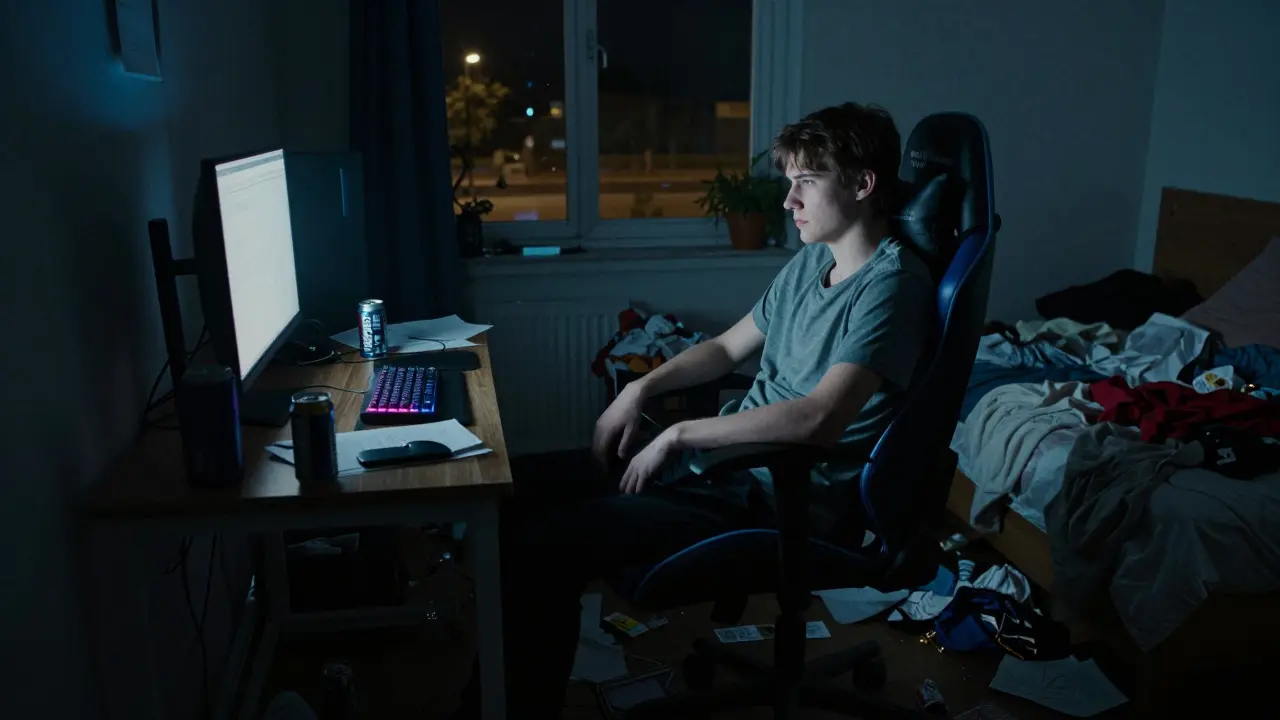
Imagine waking up and realizing you haven't spoken to a friend in three weeks, your work performance has dropped off a cliff, and the only time you feel 'normal' is when you're holding a controller. This isn't just about playing too much; it's about what stops working when the screen turns off. Functional Impairment is the measurable decline in daily functioning caused by excessive behavior, serving as a key diagnostic criterion for disorders like gaming addiction. In the context of Gaming Disorder, this means more than just losing sleep-it means missing deadlines, failing classes, or isolating from family until they stop calling.
The World Health Organization (WHO) officially recognized Gaming Disorder in the International Classification of Diseases, 11th Revision (ICD-11). Unlike older definitions that focused heavily on hours played, the modern clinical view hinges on impairment. You can play ten hours a day and still be fine if your life remains stable. Conversely, you might play four hours a day but struggle significantly because those four hours are eating into critical responsibilities. This article breaks down exactly what counts as functional impairment in real life, how to spot it in yourself or a loved one, and why it matters for getting help.
What Functional Impairment Actually Looks Like
Impairment isn't a vague feeling of guilt. It’s concrete evidence that your life has shifted out of alignment with your goals and responsibilities. Clinicians look for changes across several domains. If you notice two or more of these persisting for at least six months, you’re likely experiencing significant functional impairment.
- Occupational or Academic Decline: Missing meetings, failing grades, or being placed on a performance improvement plan specifically due to time spent gaming. For example, a student dropping from a 3.5 GPA to a 2.0 because they study during 'off-hours' that no longer exist.
- Social Withdrawal: Cancelling plans repeatedly, ignoring texts from close friends or family, or preferring online guildmates over face-to-face interactions. The relationship quality drops not because of conflict, but because of absence.
- Physical Neglect: Skipping meals, poor hygiene, lack of exercise, or chronic fatigue that isn't relieved by rest. This often manifests as weight gain or loss, or worsening of existing conditions like back pain or eye strain.
- Financial Strain: Overspending on in-game purchases, subscriptions, or hardware upgrades beyond budget, leading to debt or inability to pay for essentials like rent or utilities.
The key here is the disproportion. A gamer who works a demanding job and plays for an hour after dinner without missing work isn't impaired. A gamer who quits their job to stream full-time but fails to generate income is facing severe occupational impairment. The context of your life dictates whether the behavior is adaptive or destructive.
The Diagnostic Line: Hours vs. Consequences
A common misconception is that there is a specific number of hours per day that defines addiction. There isn’t. The DSM-5 (Diagnostic and Statistical Manual of Mental Disorders) and ICD-11 both emphasize that severity is determined by the degree of interference with personal, family, social, educational, occupational, or other important areas of functioning.
| Factor | Healthy Engagement | Functional Impairment |
|---|---|---|
| Time Management | Gaming fits within scheduled free time | Gaming displaces essential tasks (sleep, work, care) |
| Social Life | Balanced mix of online and offline friends | Offline relationships neglected or ended |
| Emotional State | Gaming is a reward or stress reliever | Gaming is the primary coping mechanism; mood crashes when stopped |
| Responsibilities | Deadlines met consistently | Frequent missed deadlines or failures |
This distinction is crucial for diagnosis. If you ask a clinician, "Is my son addicted?" and he plays 6 hours a day but gets straight A’s, maintains his part-time job, and has a strong support system, the answer is likely no. He may have a high engagement level, but not necessarily a disorder. However, if that same student plays 4 hours a day but skips classes, fails exams, and fights with parents every night, the impairment is clear regardless of the lower hour count.
Why It’s Hard to See in Yourself
Self-assessment is tricky because gamers often develop rationalizations. These cognitive distortions help maintain the habit despite growing problems. Recognizing them is the first step toward addressing impairment.
- The "Just One More" Trap: Believing that finishing the current quest or match will allow you to stop immediately. In reality, this leads to session extension, eating into sleep or morning routines.
- Minimizing Consequences: Telling yourself, "I’ll catch up on work later," or "My friends understand." Over time, the gap between intention and action widens, but the brain ignores the warning signs.
- Misattributing Cause: Blaming external factors for failure. "I failed the project because my boss was unreasonable," rather than acknowledging that you spent three nights grinding instead of reviewing materials.
- Equating Skill with Success: Focusing on in-game rank or achievements while ignoring real-world metrics like health, finances, or relationship stability.
These mental shortcuts protect your ego but hide the true extent of the impairment. To get an accurate picture, you need objective data. Try tracking your time for one week. Don’t judge it yet-just record it. Note what you did, when you started, when you stopped, and what you missed doing. Patterns emerge quickly. You might realize you’re sleeping 4 hours a night not because you’re tired, but because you’re staying up late to finish a raid.
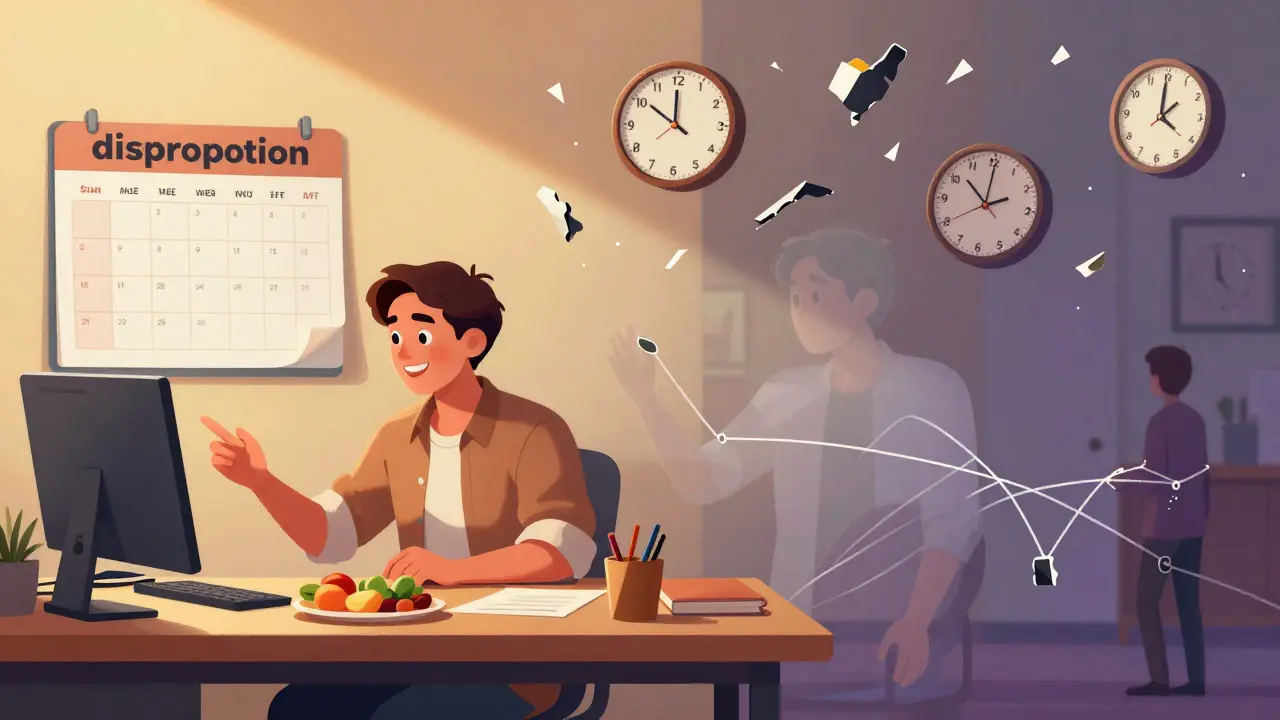
Impact on Relationships and Community
Functional impairment rarely stays isolated to the individual. It ripples out to partners, children, parents, and colleagues. In couples therapy, gaming-related conflict is one of the top reasons for separation. The partner often feels invisible, leading to resentment that has nothing to do with the game itself.
For parents, the dynamic shifts from supervision to negotiation. Children may become withdrawn, refusing to eat together or participate in family activities. The household routine collapses. Siblings might take on parental roles, leading to burnout in younger kids. The community aspect of gaming-guilds, clans, Discord servers-can also become a double-edged sword. While providing social connection, these groups can enforce norms that prioritize availability over real-life obligations. Being 'online' becomes a status symbol, making it harder to log off without feeling like you're letting the team down.
It’s important to note that this doesn’t mean all group gaming is bad. Many people thrive in these communities. The issue arises when the commitment to the virtual group outweighs the commitment to physical presence. If you find yourself apologizing to your family for being late to dinner because of a server event, that’s a sign of imbalance.
How to Assess Your Own Level of Impairment
You don’t need a doctor to start assessing your situation. Use a simple checklist based on the core domains of functioning. Be honest. No one else has to see this.
- Work/School: Have you been late, absent, or underperforming in the last month? Did you miss any major deadlines?
- Health: Are you sleeping less than 7 hours on average? Have you noticed changes in weight, appetite, or physical pain?
- Social: When was the last time you had a meaningful conversation with someone outside of gaming? How many close friends do you see regularly?
- Finances: Can you afford your basic needs without dipping into savings or borrowing money? Do you know exactly how much you spend on gaming monthly?
- Mood: Do you feel irritable, anxious, or depressed when trying to stop gaming? Does your mood improve significantly only when playing?
If you answered 'yes' to multiple questions in each category, you are likely experiencing moderate to severe functional impairment. This is the point where self-control often fails, and professional guidance becomes beneficial. It’s not about labeling yourself; it’s about gathering facts to make better decisions.

Steps Toward Rebalancing
Recovering from functional impairment doesn’t mean quitting games forever. It means regaining control. Here are practical steps to start shifting the balance.
- Set Hard Boundaries: Use technology against itself. Set phone alarms, use app timers, or physically separate your gaming setup from your living space. Make stopping easier than continuing.
- Rebuild Routines First: Before adding gaming time, secure your non-negotiables. Sleep, meals, exercise, and work blocks come first. Gaming fills the remaining time, not the other way around.
- Communicate Expectations: Talk to your partner, parents, or roommates. Let them know your new schedule. Ask for accountability. Transparency reduces conflict and builds trust.
- Find Alternative Rewards: Often, we game because real life feels unrewarding. Identify small, achievable goals in the real world. Finish a book, cook a new recipe, go for a hike. Create dopamine hits outside the screen.
- Seek Professional Help if Needed: If impairment persists despite effort, consult a therapist specializing in behavioral addictions. Cognitive Behavioral Therapy (CBT) has shown effectiveness in helping individuals restructure thought patterns related to gaming.
Remember, the goal is integration, not elimination. Gaming can be a healthy part of life when it serves you, rather than ruling you. By focusing on functional impairment, you shift the focus from moral judgment to practical problem-solving. You’re not a bad person for loving games; you’re just dealing with a system that needs recalibration.
Frequently Asked Questions
How many hours of gaming per day is considered functional impairment?
There is no fixed hour limit. Impairment is defined by negative consequences in work, school, relationships, or health. Someone can play 2 hours a day and be impaired if it causes them to miss critical responsibilities, while another might play 8 hours and remain fully functional if their life structure supports it.
Is gaming disorder the same as video game addiction?
In casual conversation, they are often used interchangeably. However, 'Gaming Disorder' is the official clinical term used in the ICD-11. It requires specific criteria including impaired control, increasing priority given to gaming, and continued use despite negative consequences. 'Addiction' is a broader lay term that may not meet strict diagnostic thresholds.
Can adults experience functional impairment from gaming?
Yes. While children and adolescents are often discussed in this context, adults frequently struggle with gaming-related impairment. Common issues include job loss, marital strain, financial debt, and social isolation. Adults may have more resources to hide the problem, which can delay seeking help.
What are the early warning signs of gaming-related impairment?
Early signs include lying about how long you’ve been playing, neglecting personal hygiene, skipping meals, and becoming irritable when interrupted. You might also start prioritizing online friends over in-person ones or feel anxious when away from your device. These are subtle shifts that indicate the behavior is starting to override normal priorities.
Does quitting gaming completely cure functional impairment?
Not always. Quitting removes the trigger, but if the underlying issues (such as anxiety, depression, or poor time management skills) aren't addressed, the impairment may manifest through another behavior. Sustainable recovery usually involves learning how to integrate leisure activities, including gaming, into a balanced lifestyle rather than relying on total abstinence unless necessary.