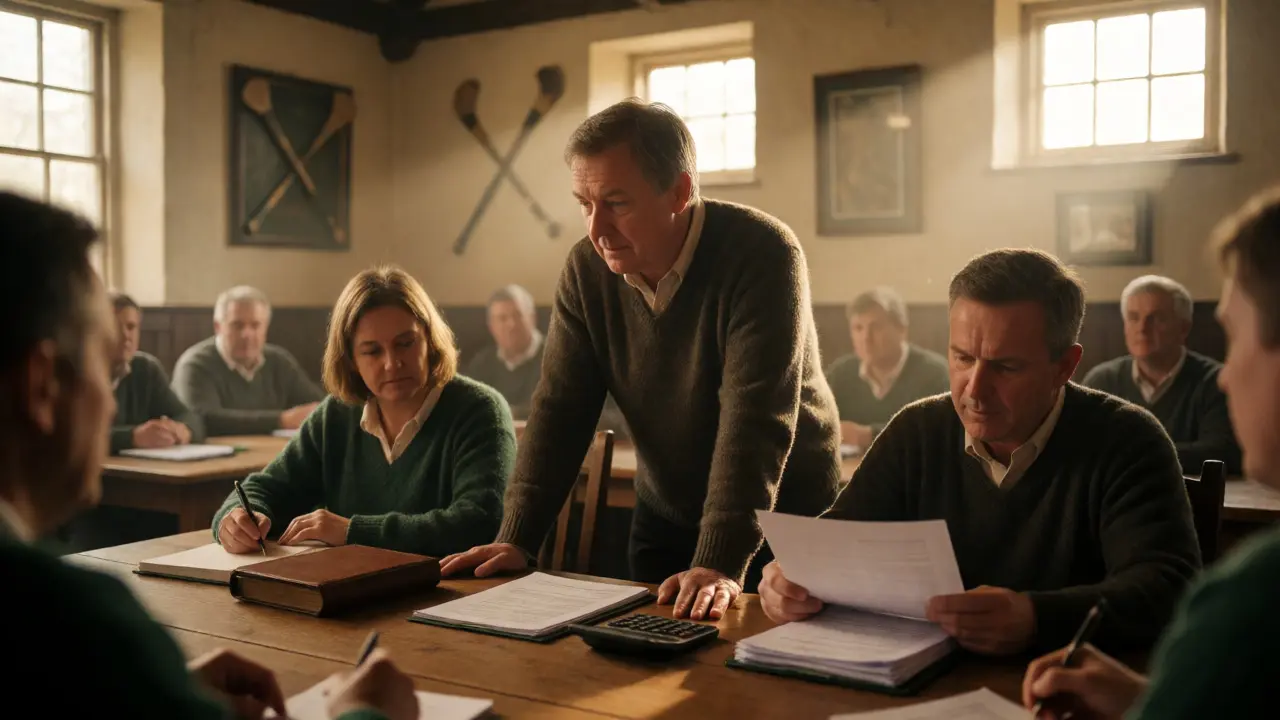
You’ve just been asked to take on a role in your local GAA club committee. It’s an honor, sure, but it also feels like you’re being handed the keys to a plane that’s already flying at 30,000 feet. Who actually does what? What happens if the minutes aren’t signed? Why is the Treasurer always stressed about bank reconciliation?
The three core service roles-Chairperson, Secretary, and Treasurer-are the backbone of any functioning organization. In the Gaelic Athletic Association (GAA), these positions are not just titles; they are legally defined responsibilities under the Official Guide. If one leg of this stool breaks, the whole thing wobbles. Let’s break down exactly what each person does, how they interact, and how you can survive (and thrive) in these roles without burning out by mid-season.
The Big Three: Defining the Core Responsibilities
Before we get into the nitty-gritty, let’s clear up the biggest misconception: these roles are not hierarchical in terms of power, but they are distinct in function. Think of them as a triad where balance is everything.
The Chairperson is the face and the conductor. Their job isn’t to do all the work, but to ensure the work gets done. They run meetings, represent the club externally, and manage internal conflict. If there’s a dispute between two players or a complaint from a visiting team, the Chair steps in.
The Secretary is the memory and the engine. Without the Secretary, nothing exists officially. No meeting happened unless the Secretary recorded it. No decision stands unless it’s minuted. They handle correspondence, maintain records, and ensure compliance with county board regulations.
The Treasurer is the gatekeeper and the accountant. They manage cash flow, sign cheques, prepare accounts for audit, and ensure the club doesn’t run out of money before the final whistle. In recent years, with rising insurance costs and facility maintenance fees, the Treasurer’s role has become arguably the most high-pressure position in the club.
Breaking Down the Chairperson’s Job
Many people think the Chair just sits at the head of the table and nods. Wrong. The Chair sets the tone for the entire year. A good Chair prepares an agenda beforehand, keeps discussions focused, and ensures that minority voices are heard without letting one person dominate the room.
Key tasks include:
- Agenda Setting: Working with the Secretary to draft agendas that prioritize urgent issues over trivial complaints.
- Conflict Resolution: Mediating disputes between teams, coaches, or parents. This requires emotional intelligence more than administrative skill.
- Representation: Attending County Board meetings or inter-club functions. You are the ambassador of your parish or town.
- Compliance Check: Ensuring the club adheres to the GAA’s Code of Conduct and child protection policies.
A common pitfall for new Chairs is trying to solve every problem personally. Your job is to delegate. If the pitch needs mowing, don’t grab the mower yourself-assign it to the Grounds Committee. Your value lies in leadership, not labor.
The Secretary: Keeper of the Records
If the Chair is the heart, the Secretary is the brain. The volume of paperwork involved in running a modern GAA club is staggering. From registering players on the Clubhouse online system to filing annual returns with the County Board, the Secretary handles the data flow.
One critical aspect often overlooked is the legal requirement for accurate minute-taking. Under the GAA Official Guide, minutes must be approved at the next meeting. If a decision is made in January but never minuted until March, its validity can be challenged. This is why many clubs now use digital tools like shared cloud documents rather than physical notebooks. It creates an audit trail that protects the committee.
Responsibilities include:
- Correspondence: Handling emails from the County Board, sponsors, and other clubs.
- Membership Management: Ensuring all players and members are registered and dues are tracked.
- Meeting Logistics: Sending out notices at least seven days in advance (check your specific county rules) and distributing papers.
- Record Keeping: Maintaining historical records of fixtures, results, and past decisions.

The Treasurer: Managing the Money
Money makes the world go round, and in the GAA, it keeps the lights on. The Treasurer is responsible for the financial health of the club. This goes beyond just counting cash after a match day. It involves budgeting for the season, managing debtors (clubs or individuals who owe money), and ensuring transparency.
In 2026, with inflation affecting everything from hurling balls to bus hire rates, the Treasurer must be proactive. Waiting until December to look at the books is a recipe for disaster. Monthly reviews are essential.
Core duties:
- Cash Collection: Overseeing gate receipts, subscription payments, and fundraising events.
- Bank Reconciliation: Matching bank statements with club records monthly.
- Budget Preparation: Drafting a realistic budget for the upcoming year based on previous trends.
- Audit Preparation: Compiling financial reports for the Annual General Meeting (AGM) and external auditors.
| Role | Primary Focus | Key Output | Common Stress Point |
|---|---|---|---|
| Chairperson | Leadership & Strategy | Effective Meetings | Internal Conflict |
| Secretary | Administration & Compliance | Accurate Minutes | Data Volume |
| Treasurer | Financial Control | Audited Accounts | Cash Flow Gaps |
How These Roles Interact
These three roles do not operate in silos. They form a tight feedback loop. For example, if the Chair approves a new initiative (like buying new jerseys), the Secretary records the motion, and the Treasurer checks if there’s enough money in the account to pay for it. If the Treasurer says no, the Chair must revisit the decision.
This interdependence means communication is non-negotiable. Weekly or bi-weekly check-ins between these three officers can prevent months of frustration. Many successful clubs have a "triad meeting" before the main committee meets to align on key issues.
Consider a scenario: A sponsor wants to put their logo on the pitch side. The Chair negotiates the deal. The Secretary drafts the contract. The Treasurer calculates the tax implications and VAT status. If one person drops the ball, the club could end up with an unenforceable agreement or a surprise tax bill.

Common Pitfalls and How to Avoid Them
Volunteer burnout is real. Most GAA officers hold these jobs alongside full-time careers and family lives. Here are the top mistakes new officers make:
- The Hero Complex: Trying to do everything yourself because "it’s quicker if I do it." Delegate to sub-committees.
- Poor Communication: Assuming everyone knows what’s happening. Send updates via email or WhatsApp groups regularly.
- Ignoring Deadlines: County Board deadlines for player registration or financial returns are strict. Miss them, and you face fines or bans.
- Lack of Succession Planning: Not training a deputy. When you step down, who takes over? Start grooming replacements early.
Another frequent issue is scope creep. The Chair starts organizing social events, the Secretary starts fixing the website, and the Treasurer starts coaching. While enthusiasm is great, stick to your core mandate first. Once those are running smoothly, then help others.
Tools of the Trade for Modern Officers
Gone are the days of shoeboxes full of receipts. Today’s GAA clubs rely on technology to streamline operations. Familiarize yourself with these standard tools:
- Clubhouse: The official online platform for membership and registration.
- Accounting Software: Simple platforms like Xero or QuickBooks, or even Excel templates specifically designed for non-profits.
- Communication Apps: WhatsApp for quick updates, Email for formal notices.
- Digital Signing: Using DocuSign or similar tools for contracts and leases.
Using these tools correctly saves hours every week. It also creates a transparent record that protects volunteers from accusations of mismanagement.
Final Thoughts on Serving Your Club
Serving in a GAA club is rewarding, but it demands professionalism. Treat your role with the same seriousness you’d give a paid job. Show up prepared, communicate clearly, and respect the boundaries of your position. The Chair leads, the Secretary records, and the Treasurer balances. When these three work in harmony, the club thrives, the players focus on the game, and the community stays strong.
Remember, you’re not alone. Reach out to neighboring clubs for advice, attend County Board workshops, and lean on your fellow committee members. Good governance isn’t about bureaucracy; it’s about creating a stable environment where Gaelic games can flourish.
Can one person hold multiple service roles in a GAA club?
Generally, no. The GAA Official Guide typically prohibits the same individual from holding both the Secretary and Treasurer positions simultaneously due to the need for financial checks and balances. The Chair should also remain independent to provide oversight. However, small clubs may sometimes combine roles with County Board approval, but separation is strongly recommended for transparency.
What happens if the Treasurer resigns mid-season?
The club must appoint a temporary replacement immediately to maintain banking authority and meet statutory obligations. The outgoing Treasurer should hand over all records, including bank statements, receipts, and outstanding debts. A full election or appointment usually occurs at the next AGM, but interim measures must be taken to ensure financial continuity.
Are GAA service roles voluntary?
Yes, the primary service roles (Chair, Secretary, Treasurer) are voluntary positions. Volunteers are not paid salaries, though they may claim legitimate expenses incurred while performing their duties, such as travel to County Board meetings. These claims must be approved by the committee and documented properly.
How long is the term for these roles?
Terms vary by county and club constitution, but typically, officers serve for one year, elected at the Annual General Meeting (AGM). Some counties allow re-election for consecutive terms, while others enforce rotation policies to bring fresh perspectives to the committee. Always check your specific club’s bye-laws.
Who is liable if the club incurs debt?
In most cases, the liability falls on the club itself as an unincorporated association, meaning current committee members may bear joint responsibility for debts incurred during their tenure. Proper insurance and clear contractual agreements are vital to mitigate personal risk. The Treasurer plays a key role in monitoring exposure to avoid unexpected liabilities.