
People often confuse these two conditions because they look similar on the surface. Both involve repetitive actions that feel out of control. You might see someone spending hours at a slot machine and another person glued to a video game screen. To the outside observer, the behavior looks identical. Yet, inside the clinic, the diagnosis tells a different story. The stakes differ fundamentally, even if the psychological hooks are surprisingly similar.
This confusion matters because the wrong label leads to the wrong support. If you treat a gaming struggle like a financial debt issue, you miss the emotional trauma. If you treat a gambling problem solely as a habit, you ignore the potential for severe financial ruin. In 2026, we have clearer data on how these disorders share space in the human brain. We also know better where to draw the line for diagnosis.
Understanding the Core Definitions
To separate the two, we must look at what drives the behavior. Gambling Disorder is defined by the wagering of money or material value on an event with an uncertain outcome. The goal is usually to win something tangible. A person with this condition chases losses. They bet to recover what they lost. The cycle involves high risk-taking behavior that creates actual monetary debt.
In contrast, Gaming Disorder focuses on prioritizing digital games over other life interests. The drive here isn't always about winning real cash. Sometimes, it's about status in a virtual world. Players lose hours to achieve levels or complete quests. The consequence is social isolation or neglect of work, rather than direct bankruptcy.
However, the monetization of gaming has blurred this line recently. Loot boxes and battle passes mimic slot machines. This creates a gray zone. When does playing stop being fun? When does it become a disorder? The key is impairment. Does the activity hurt your daily functioning? If the answer is yes, we move from hobby to pathology.
| Feature | Gambling Disorder | Gaming Disorder |
|---|---|---|
| Primary Activity | Betting on uncertain outcomes | Playing video games |
| Risk Factor | Financial ruin, legal issues | Social isolation, sleep disruption |
| Withdrawal | Irritability when not betting | Anxiety when unable to play |
| Diagnosis Code | DSM-5 Substance-related/Other | ICD-11 Mental and Behavioral |
The Brain Behind the Behavior
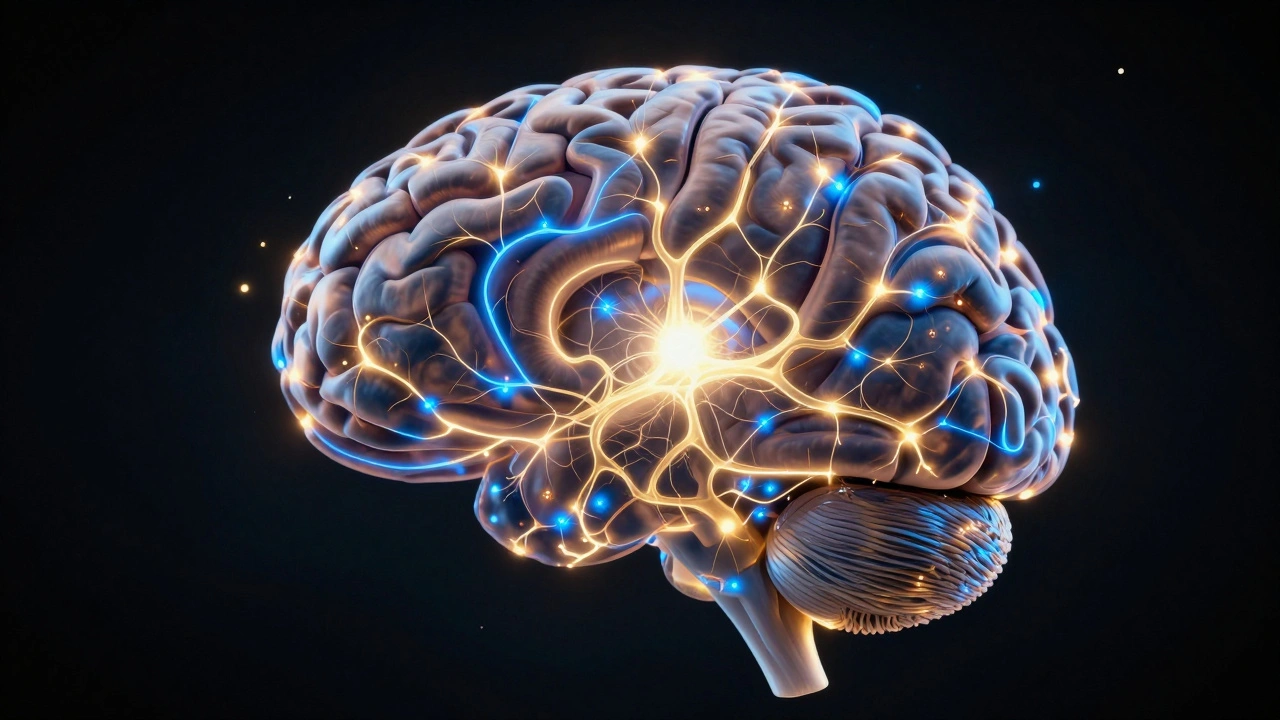
Why do both disorders exist under the same umbrella? Neuroscience gives us the answer. Both conditions hijack the same reward pathway. The brain releases dopamine when an unpredictable reward appears. A jackpot or a rare skin in a game triggers the same chemical spike.
Over time, the brain adapts to this flood. Normal pleasures like food or conversation stop feeling satisfying. The user needs more intensity to feel the same buzz. This tolerance builds quickly. The prefrontal cortex, which handles decision-making, weakens its grip on impulses. You keep going despite negative consequences.
Genetics play a role too. Research shows a heritable component for impulsivity. Some people inherit brains that seek novelty more aggressively. For them, boredom feels physically painful. They fill the void with constant stimulation. Whether it comes from cards or controllers, the biological engine is running the same way.
Diagnostic Criteria in Practice
Clinicians rely on specific checklists to confirm a case. For Gambling Disorder, the American Psychiatric Association lists nine criteria in the DSM-5-TR. You need four or more to qualify. These include needing to gamble larger amounts for excitement, chasing losses, or lying about participation.
Gaming Disorder uses slightly different metrics. The World Health Organization included it in the ICD-11 in 2022. By now, it is fully recognized globally. The criteria focus on lack of control, increased priority given to gaming, and continuation despite harm.
A major difference lies in timing. Gambling problems can develop after a single big win or loss. Gaming problems tend to show up gradually over months. The duration required for diagnosis is stricter for gaming. Clinicians often require symptoms to persist for 12 months before confirming the label. This protects gamers from being pathologized during normal passion phases.
When They Coexist
It is rare for a person to have only one of these issues. Comorbidity is the norm. Studies show high rates of depression and anxiety in both groups. A person might gamble away their savings, then turn to gaming to cope with the resulting stress. This dual burden complicates recovery.
Social factors matter too. Peer influence often shapes which behavior emerges. If your friends bet on sports, you lean toward gambling. If your community revolves around esports, gaming takes center stage. Cultural shifts since 2020 have normalized online betting apps. This increases the visibility of gambling triggers even among heavy gamers.
Financial pressure acts as a catalyst. When credit cards max out, some individuals switch from games to crypto betting. They hope to fix their losses quickly. This crossover is dangerous. It combines the addiction patterns of both worlds. Treatment must address both habits simultaneously.

Treatment Paths and Recovery
You cannot simply quit cold turkey. The brain expects the dopamine hit. Cognitive Behavioral Therapy remains the gold standard. It helps patients identify triggers. You learn to spot the thoughts that lead to action. Once you recognize the urge, you can pause.
Family involvement works well for younger patients. Parents control access to funds or devices. Support groups offer shared experiences. Hearing others describe their struggle reduces shame. Medications exist for impulse control, though they do not cure the root cause.
Harm reduction is practical. For gambling, self-exclusion tools help. You block your account from betting sites. For gaming, parents install parental controls or time limit software. Digital well-being features now track usage automatically. These tools act as external brakes when internal motivation fails.
Frequently Asked Questions
Is gaming considered an official disease?
Yes, the World Health Organization officially recognizes Gaming Disorder in the ICD-11. It requires significant impairment in personal, family, or educational areas. Casual play does not count as a disorder.
Can a teenager have a gambling problem?
Absolutely. Adolescents are vulnerable due to developing impulse control. Many start with video loot boxes before moving to illegal betting sites. Early intervention is crucial to prevent long-term dependency.
How do doctors distinguish stress relief from addiction?
Stress relief improves function, while addiction worsens it. If you neglect hygiene, work, or relationships to engage in the behavior, it crosses into addiction territory. Negative consequences are the key indicator.
Are medications effective for behavioral addictions?
Medications help manage symptoms like anxiety or depression. Some off-label drugs reduce craving. However, therapy remains the primary treatment. Pills alone rarely solve the underlying behavioral pattern.
What are the warning signs for loved ones?
Look for mood swings, secrecy about finances, borrowing money, or changes in sleep. For gaming, watch for loss of interest in non-digital hobbies. Isolation is a red flag common to both conditions.