You’re mid-raid, the boss health bar is at 10%, and your hands start to shake. Not from fear, but because your blood sugar crashed three hours ago when you skipped lunch. This is the silent killer of high-level gameplay. It’s not your aim; it’s your fuel. Most gamers treat nutrition as an afterthought, grabbing whatever is closest to the keyboard-usually something sugary or heavily processed. But what if the right snack could keep your reaction times sharp and your mood stable for a six-hour session?
Gaming nutrition isn’t about becoming a bodybuilder or eating like a professional athlete. It’s about managing cognitive load. Your brain consumes about 20% of your daily calories, and intense focus drains glucose quickly. When that tank runs empty, decision-making slows down, and micro-movements become erratic. The goal here is simple: maintain steady energy without the crash-burn cycle that leaves you foggy and irritable.
The Science of Cognitive Fuel
To pick the right foods, you need to understand how they interact with your nervous system. Glucose is the primary fuel source for neurons, but it’s not just about quantity; it’s about delivery speed. Simple sugars spike blood glucose rapidly, triggering an insulin response that pulls glucose out of the bloodstream too fast. This leads to the "sugar crash," where you feel exhausted and unfocused within an hour.
Complex carbohydrates, on the other hand, break down slowly. They provide a sustained release of energy over several hours. Pairing these carbs with protein and healthy fats stabilizes this process even further. Protein provides amino acids, which are precursors to neurotransmitters like dopamine and norepinephrine-chemicals critical for alertness and motivation. Healthy fats support cell membrane integrity in the brain, ensuring signals travel efficiently between neurons.
Hydration plays a surprisingly large role here. Even mild dehydration (losing just 1-2% of body weight in water) can impair short-term memory and attention span. For a gamer sitting in a climate-controlled room for hours, fluid loss through breathing and sweat is constant. Keeping a bottle of water within arm's reach is as important as any supplement.
Top Snack Categories for Sustained Focus
Not all snacks are created equal. Some are designed for quick bursts of energy, while others are built for endurance. Here are the categories that actually work for long gaming sessions, along with specific examples that are easy to prepare and consume without breaking immersion.
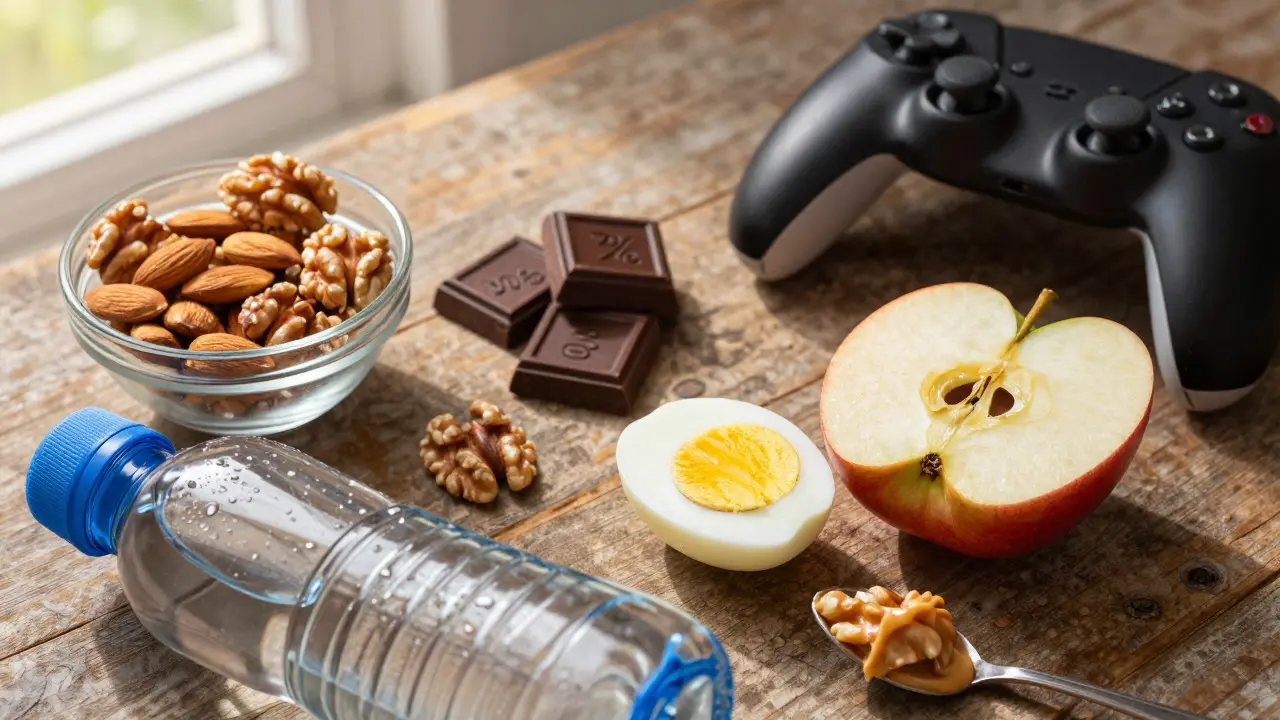
- Nuts and Seeds: Almonds, walnuts, and pumpkin seeds are dense sources of healthy fats, protein, and magnesium. Magnesium helps regulate muscle tension and supports nerve function. A small handful (about 1/4 cup) provides enough fat to slow digestion and keep energy levels flat. Walnuts, specifically, contain omega-3 fatty acids, which have been linked to improved cognitive performance in young adults.
- Dark Chocolate: Aim for varieties with 70% cocoa or higher. Dark chocolate contains flavonoids, caffeine, and theobromine. Caffeine boosts alertness, while theobromine has a milder, longer-lasting effect than caffeine alone. Flavonoids improve blood flow to the brain. One or two squares are enough to get the benefits without the sugar overload found in milk chocolate bars.
- Fresh Fruit with Protein: Apples, bananas, or berries paired with nut butter or Greek yogurt. The fruit provides quick glucose for immediate use, while the protein and fat prevent the subsequent drop. Bananas are particularly good for reducing fatigue due to their potassium content, which helps convert carbohydrates into energy.
- Whole Grain Crackers with Cheese: Choose crackers made from whole wheat or rye rather than white flour. Pair them with low-fat cheese or hummus. This combination offers complex carbs and protein. It’s less messy than nuts and easier to eat one-handed if you’re using a controller.
- Hard-Boiled Eggs: A portable source of high-quality protein and choline. Choline is essential for producing acetylcholine, a neurotransmitter involved in memory and learning. Eating one or two eggs before a long session can help maintain mental clarity without feeling overly full.
What to Avoid During Long Sessions
Just as important as what you eat is what you skip. Certain common gaming snacks actively work against your performance goals.
Sugary sodas and energy drinks are the most obvious culprits. While they provide a temporary jolt, the high sugar content leads to rapid spikes and crashes. If you must use caffeine, stick to black coffee or green tea, which offer antioxidants and smoother stimulation. Energy drinks often contain 200mg or more of caffeine per serving, which can lead to jitteriness, increased heart rate, and difficulty relaxing after the session ends.
Highly processed junk food, like chips and candy, is another trap. These items are typically high in sodium and unhealthy fats but low in nutrients. The high sodium content can lead to water retention and bloating, making you feel sluggish. Additionally, the lack of fiber means you won’t feel satisfied, leading to overeating later in the night.
Alcohol is also a major enemy of focus. Even small amounts reduce reaction time and impair working memory. If you plan to play competitively or need precise aiming, save the beer for after the match, not during it.
Timing Your Intake for Peak Performance
When you eat matters as much as what you eat. Your body needs time to digest food and absorb nutrients. Eating a heavy meal immediately before playing can divert blood flow to the digestive system, leaving you feeling drowsy.
Here is a practical timing strategy:
- Pre-Session Meal (1-2 hours before): Eat a balanced meal containing complex carbs, lean protein, and some vegetables. This ensures your glycogen stores are full. Avoid high-fiber foods right before playing if they tend to cause gas or discomfort.
- Mid-Session Snacks (Every 90-120 minutes): Take a short break to hydrate and eat a small snack. This prevents blood sugar from dipping below optimal levels. Keep portions small to avoid feeling too full.
- Post-Session Recovery: After a long session, rehydrate and eat a snack with protein and carbs to replenish glycogen stores. This helps your body recover and prepares you for the next day.
If you are playing late at night, be cautious with caffeine. Try to cut off caffeine intake at least 6 hours before bedtime to ensure it doesn’t interfere with sleep quality. Poor sleep negatively impacts reaction time and emotional regulation the next day, creating a vicious cycle.
Building a Gamer-Friendly Kitchen Setup
Willpower fails when you’re tired. Make the healthy choice the easy choice by setting up your gaming space strategically.
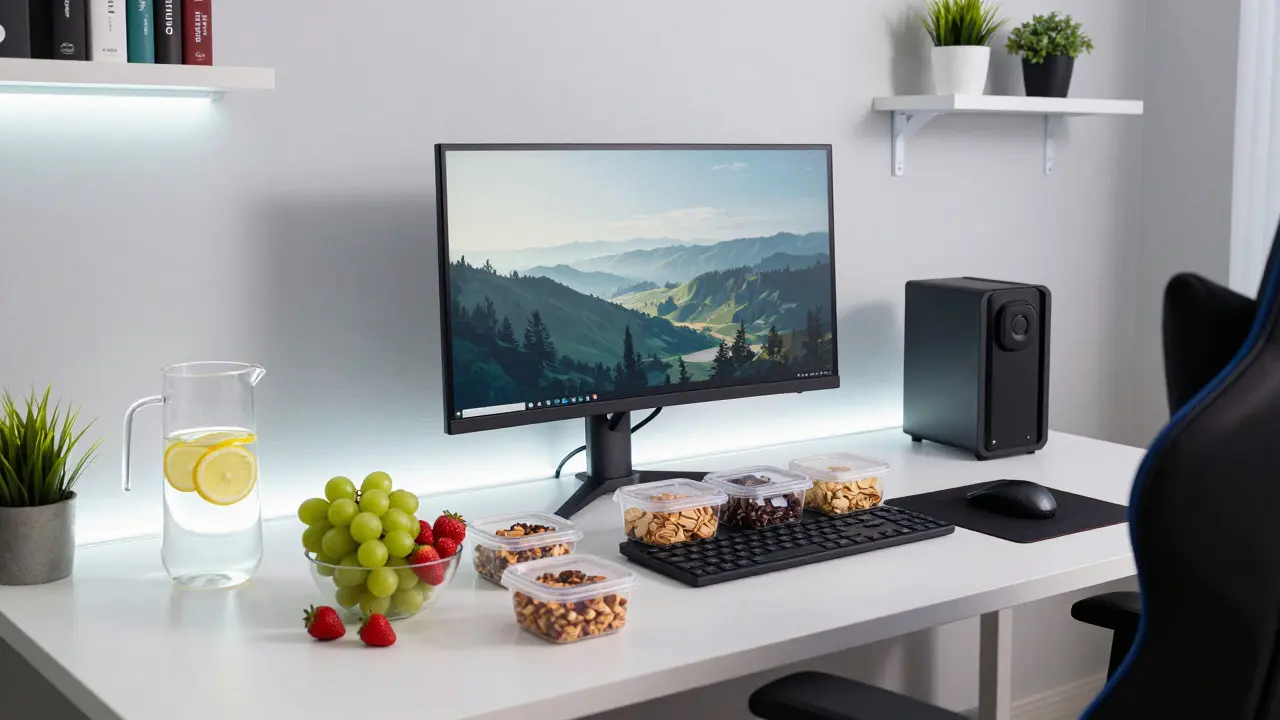
- Visible Hydration Station: Place a large water bottle or a glass pitcher directly on your desk. If you have to get up to refill it, you’ll drink less. Consider adding electrolytes if you sweat heavily or play in a warm environment.
- Pre-Portioned Snacks: Buy single-serving bags of nuts or pre-portioned trail mix. This prevents mindless grazing, where you end up eating half a bag without realizing it. Use clear containers so you can see what’s inside and make conscious choices.
- Accessible Fruit Bowl: Keep washed and ready-to-eat fruit like grapes, strawberries, or clementines in a bowl on your desk. Grapes are excellent because they require no peeling or cutting and provide a quick burst of natural sugar.
- Avoid Temptation: Remove visible bags of chips or candy from your immediate line of sight. Out of sight, out of mind. Store these treats in the pantry or fridge if you want to limit consumption.
Comparison of Common Gaming Snacks
To help you decide what to keep on hand, here is a breakdown of how popular snacks perform in terms of energy stability, cognitive support, and convenience.
| Snack Type | Energy Stability | Cognitive Benefit | Convenience | Best For |
|---|---|---|---|---|
| Almonds & Walnuts | High (Sustained) | Omega-3s, Magnesium | Medium (Messy) | Long sessions, brain health |
| Dark Chocolate | Medium (Moderate) | Caffeine, Flavonoids | High | Mild alertness boost |
| Apple & Nut Butter | High (Balanced) | Vitamins, Fiber | Medium (Prep needed) | Balanced energy, satiety |
| Energy Drinks | Low (Crash risk) | Caffeine (Short-term) | High | Emergency wake-up only |
| Hard-Boiled Eggs | High (Protein-rich) | Choline, B-Vitamins | Medium (Refrigerated) | Mental clarity, low sugar |
Special Considerations for Different Play Styles
Your nutrition needs might vary slightly depending on how you game. Competitive FPS players who rely on twitch reflexes may benefit from lower-glycemic index foods to keep heart rates steady. Strategy games that require deep concentration for hours might call for more frequent, smaller snacks to maintain glucose levels without causing drowsiness.
If you are prone to anxiety during matches, consider avoiding excessive caffeine and opting for chamomile tea or magnesium-rich foods instead. Anxiety can tighten muscles and affect fine motor skills, so calming the nervous system is just as important as stimulating it.
For those who game in the evening, watch out for histamine-rich foods like aged cheeses or fermented products if you notice headaches or restlessness. Individual reactions vary, so pay attention to how different foods make you feel during and after play.
FAQ
Do I need special supplements to improve gaming focus?
Most gamers do not need expensive supplements if they are eating a balanced diet. Whole foods like nuts, eggs, and dark chocolate provide the necessary nutrients naturally. Supplements like creatine or omega-3s can help if you have a deficiency, but food first is always the best approach. Consult a doctor before starting any new supplement regimen.
Is caffeine bad for gamers?
Caffeine is not inherently bad, but dosage and timing matter. Moderate caffeine intake (up to 400mg per day) can improve alertness and reaction time. However, too much can cause jitteriness, increased heart rate, and poor sleep. Stick to coffee or green tea rather than high-sugar energy drinks for a smoother effect.
How much water should I drink during a gaming session?
Aim to sip water consistently throughout the session. As a general rule, drink about 500ml (roughly two cups) every two hours. Monitor your urine color; pale yellow indicates good hydration, while dark yellow suggests you need to drink more. Dehydration impairs focus, so don't wait until you're thirsty.
Can eating too much before bed ruin my sleep?
Yes, heavy meals close to bedtime can disrupt sleep due to digestion and potential acid reflux. Try to finish your last significant meal at least 3 hours before sleeping. If you are hungry, opt for a light snack like a small portion of yogurt or a few almonds, which are less likely to disturb your sleep cycle.
What is the best snack for reducing hand tremors?
Hand tremors during gaming are often caused by low blood sugar or excess caffeine. To reduce tremors, stabilize your blood sugar with complex carbs and protein, such as an apple with peanut butter. Also, moderate your caffeine intake to avoid the jittery side effects that exacerbate shaking.