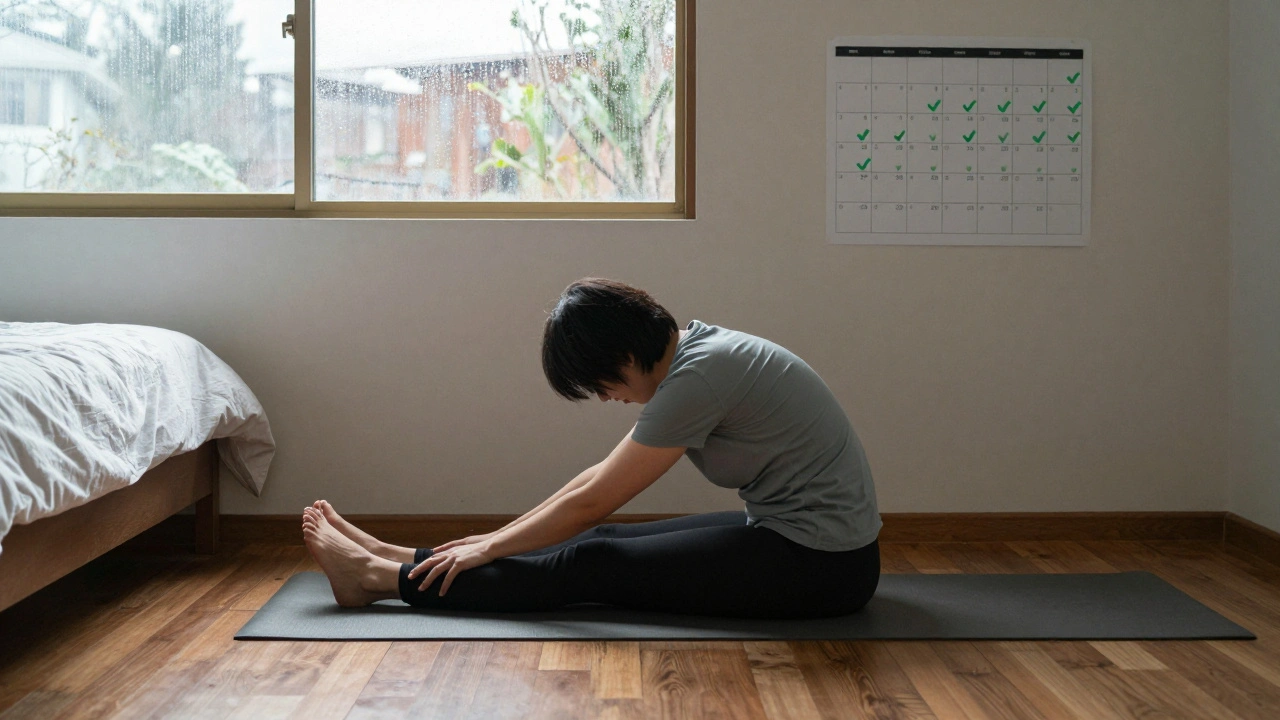
Ever notice how easy it is to skip a workout, forget to drink water, or skip your morning stretch? You’re not lazy. You’re just not wired to care about abstract goals like "be healthier." But put a number on it - a streak - and suddenly, your brain lights up. That’s the power of gamified recovery.
Streaks aren’t just for fitness apps. They’re a psychological hack rooted in behavioral science. When you see a 7-day streak, your brain doesn’t just think, "I did this." It thinks, "I don’t want to break this." That’s not motivation - that’s identity. And that’s how you turn recovery from a chore into something you refuse to quit.
Why Streaks Work Better Than Goals
Goals are fuzzy. "Get better sleep"? What does that even mean? Streaks are concrete. "Sleep 7 hours for 10 days in a row"? That’s measurable. That’s trackable. That’s something your brain can latch onto.
Research from the University of Pennsylvania found that people who tracked daily habits with a visual streak were 22% more likely to stick with them for over 60 days compared to those who only set goals. Why? Because streaks create a sense of ownership. You don’t just want to do the habit - you want to protect the streak.
Think of it like a video game. No one quits a game because they’re "not motivated." They quit when they feel stuck, bored, or like the reward isn’t worth it. Streaks fix that by giving you instant feedback: a number grows. A color changes. A little icon celebrates. Your brain gets a tiny hit of dopamine - not from the habit itself, but from the *continuity* of it.
How to Build a Recovery Streak That Lasts
Not all streaks are created equal. A 30-day water-drinking streak won’t mean much if you’re still skipping sleep or ignoring your breathwork. Here’s how to build one that actually supports recovery:
- Start with one habit - not five. Pick the one that matters most to your recovery. Is it sleep? Hydration? Morning mobility? Journaling? Choose one. Not "I’ll do everything." One.
- Make it stupidly easy - If your streak is "do 30 minutes of yoga," you’ll quit. Make it "lie on my mat for 5 minutes." That’s it. The action is so small, your brain can’t argue with it. You’ll often do more once you start - but the bar is low enough to never break the streak.
- Use a visual tracker - Paper calendars, apps like Streaks or Habitica, or even a whiteboard. Seeing the chain grow matters more than the habit itself. The visual cue becomes the trigger.
- Never miss two days - If you break the streak? Reset it. But don’t let it become a pattern. One missed day? Fine. Two? You’re sliding. That’s when you need to ask: "What’s really going on?" Are you stressed? Overworked? Sick? Adjust the habit, don’t abandon it.
- Pair it with a reward - Not candy. Not screen time. Something tied to recovery: a warm shower after your morning stretch. A cup of herbal tea after journaling. The reward reinforces the habit without undermining it.
Real Recovery Streaks That Actually Help
Here are three streaks people in Portland - yes, even during rainy January - have stuck with for months:
- Sleep Streak: "I go to bed by 11 PM and get at least 7 hours." No exceptions. Even on weekends. The reward? Waking up without an alarm. That’s freedom.
- Mobility Streak: "I do 5 minutes of hip and shoulder mobility every morning." No equipment. Just floor stretches. Some days, it’s 5 minutes. Other days, it’s 20. But the streak never breaks.
- Hydration Streak: "I drink 16 oz of water within 30 minutes of waking." Not 8 glasses. Not a goal. One action. One win. After 45 days, they stopped needing to track it - their body started craving water on its own.
These aren’t about performance. They’re about consistency. And consistency is the foundation of real recovery.
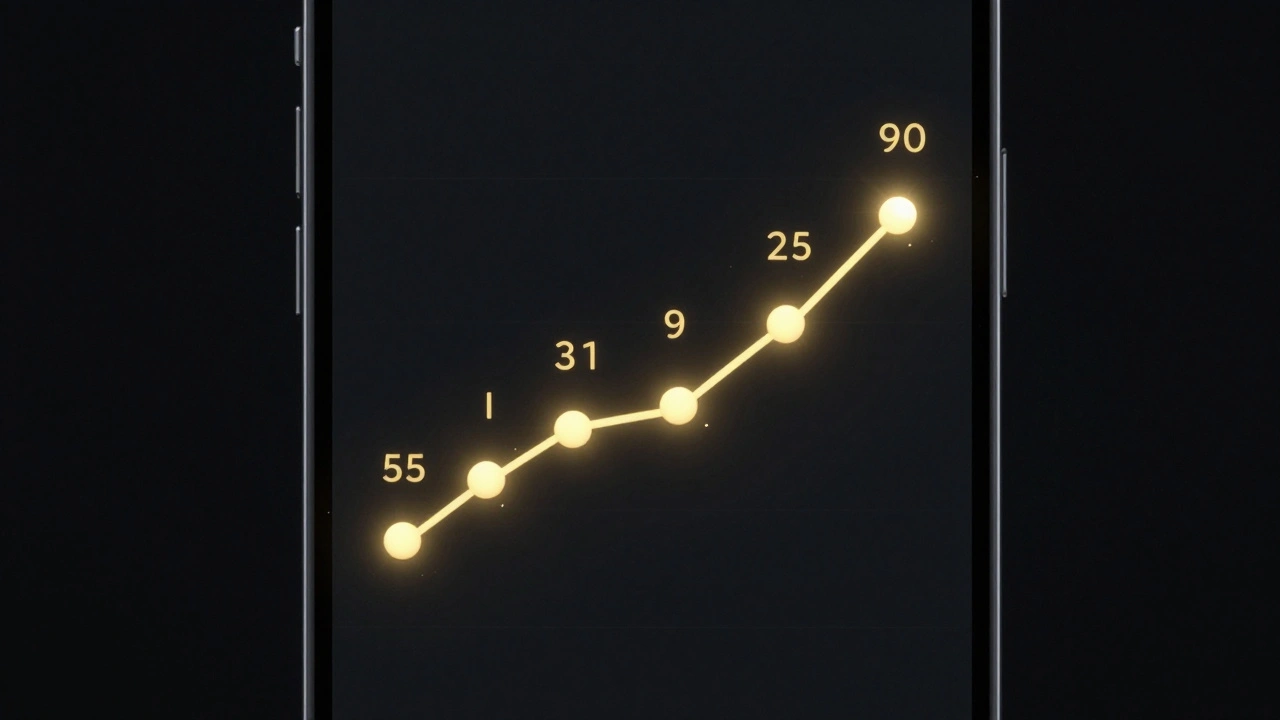
The Hidden Trap: Streaks That Backfire
Streaks aren’t magic. They can turn toxic if you treat them like a competition. I’ve seen people push through injury just to keep a 100-day workout streak. That’s not recovery - that’s self-punishment.
True gamified recovery means adapting the streak to your body, not the other way around. If you’re sick? Skip the streak. If you’re traveling? Change the habit. "Do 2 minutes of breathing" instead of "10 minutes of yoga." The streak stays intact because you’re honoring your recovery needs - not ignoring them.
The goal isn’t perfection. It’s persistence. A streak that bends but doesn’t break is far more powerful than one that’s flawless but fragile.
What Happens When Streaks Become Identity
After 30 days, the habit stops feeling like a task. It starts feeling like who you are. "I’m the person who sleeps early." "I’m the person who moves every morning." That’s when recovery stops being something you do - and becomes something you are.
That shift is everything. You don’t need willpower when you’re living your identity. You just show up. Because skipping it feels wrong.
One woman in Portland told me she kept her hydration streak going for 142 days. She didn’t talk about willpower. She said, "I just can’t imagine not doing it. It’s like brushing my teeth. I’d feel weird if I didn’t." That’s the sweet spot.

Tools That Actually Help (No Fluff)
You don’t need fancy apps. But if you want one, here are the ones that actually work:
- Streaks (iOS) - Clean, simple, no ads. Lets you track up to 12 habits. Perfect for recovery.
- Habitica - Turns your streak into an RPG. Lose a day? Your character gets hurt. Win? You level up. Fun for gamers.
- Google Calendar - Yes, really. Block out 5 minutes daily. Color-code it. Seeing that block filled in day after day is surprisingly motivating.
- Paper Calendar - Still the most effective for many. Red X for missed days. Green check for done. Visual, tactile, satisfying.
The best tool? The one you’ll use. Not the one with the most features. The one you don’t ignore.
Streaks Are the New Recovery Protocol
Recovery isn’t about massages, ice baths, or expensive supplements. It’s about showing up - day after day - for your body. Streaks turn that into something your brain can’t ignore.
Start with one. Keep it stupid simple. Protect it like your favorite game. And when you hit 30 days? You won’t believe how much better you feel. Not because you did more. But because you didn’t quit.
Can streaks help with mental health recovery?
Yes. Streaks build structure, and structure is a buffer against anxiety and depression. Daily habits like journaling, breathing exercises, or even just stepping outside for 5 minutes create rhythm. That rhythm gives your brain predictability - something it craves when it’s overwhelmed. It’s not a cure, but it’s a foundation.
What if I miss a day? Do I start over?
You don’t have to start over - but you should reset the streak. The number isn’t sacred. What matters is the pattern. Missing one day is normal. Missing two in a row? That’s a signal. Ask yourself: What changed? Were you stressed? Traveling? Sleep-deprived? Adjust the habit to fit your life, not the other way around.
How long does it take for a streak to become automatic?
It varies. Some habits click in 21 days. Others take 60 or more. Research from UCL found the average is 66 days. But you don’t need to wait for "automatic." You just need to keep the streak alive. Once you hit 30 days, the habit starts feeling less like effort and more like routine.
Can I track multiple streaks at once?
You can - but don’t. Starting more than one streak at a time is the #1 reason people quit. Focus on one. Master it. Then add another. Recovery isn’t a race. It’s a slow, steady build. One habit at a time.
Are there any downsides to using streaks?
Yes - if you treat them like a punishment system. If you feel guilty for missing a day, or push yourself into injury to keep the streak alive, you’ve lost the point. Gamified recovery should reduce stress, not add to it. If the streak feels like pressure, simplify it. Make it easier. Or pause it. Your health matters more than a number.