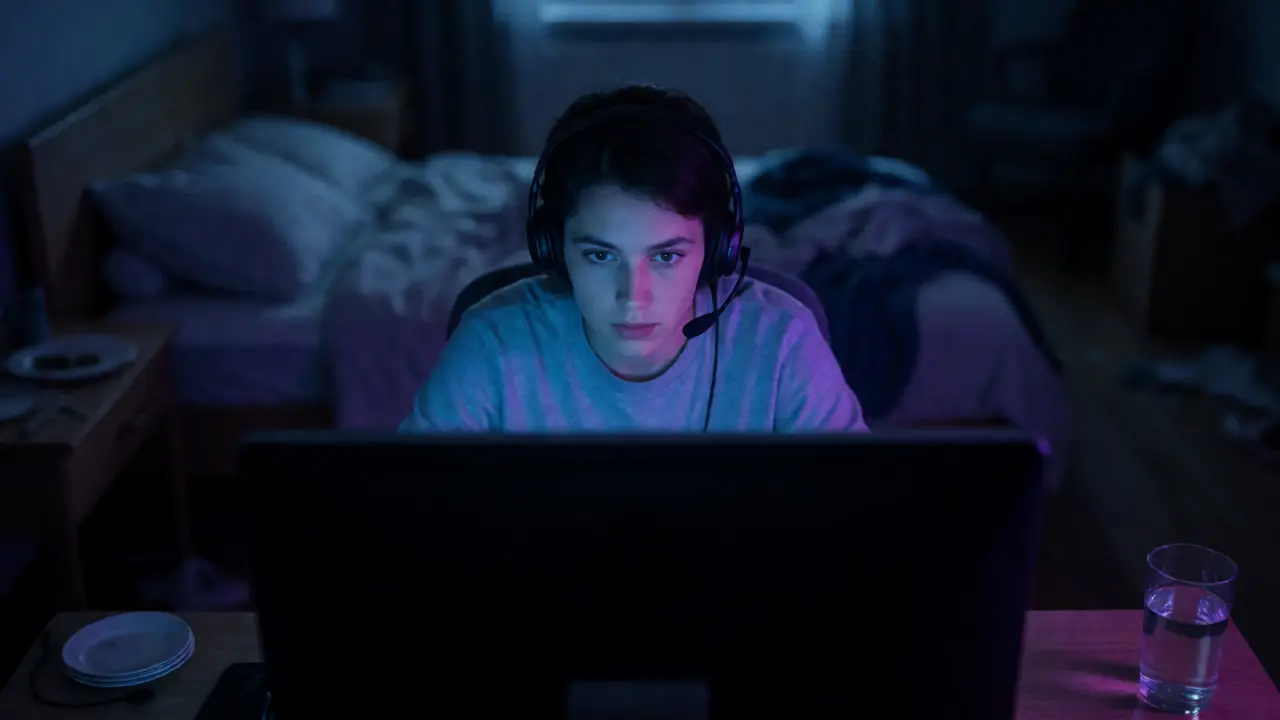
You log in. The lobby loads. For a moment, the heavy weight on your chest lifts. You are not the person who couldn't get out of bed this morning; you are a strategist, a shooter, a builder. But then the match ends, or the server crashes, or you realize it’s 3 AM and you haven’t eaten all day. The screen goes black, and the silence rushes back in louder than before. Is gaming saving you from mental health struggles, or is it just hiding them under a layer of digital noise?
This isn't a simple "games are bad" lecture. We know that narrative. It’s outdated and often wrong. For millions of people dealing with depression and anxiety, video games are a lifeline, a painkiller, and sometimes, a trap. The relationship between interactive entertainment and psychological well-being is messy, nuanced, and deeply personal. If you’re wondering whether your hobby is helping or hurting, you need to look at how you play, why you play, and what happens when you stop.
The Double-Edged Sword of Digital Escapism
Video games are defined as electronic games played on computers, consoles, or mobile devices, involving interaction with a user interface to generate visual feedback. Unlike passive media like TV, games require agency. This distinction matters for mental health. When you feel powerless in real life-a common symptom of depression, which is a mood disorder causing persistent feelings of sadness and loss of interest-games offer immediate control. You decide where to go, who to fight, and how to solve the puzzle. That sense of agency can be therapeutic.
However, escapism becomes dangerous when it turns into avoidance. Psychologists call this "experiential avoidance." Instead of processing difficult emotions, you numb them with dopamine hits from leveling up or winning a round. In Portland, where rain often keeps us indoors, I’ve seen friends use open-world RPGs to avoid facing job stress or social isolation. At first, it works. The anxiety quiets down. But over time, the real-life problems grow larger while the virtual achievements remain static. The gap between your virtual competence and real-life stagnation widens, potentially deepening feelings of inadequacy.
Social Connection vs. Online Toxicity
Anxiety often thrives on isolation. One of the biggest arguments for gaming is its ability to foster community. Multiplayer games allow people with social anxiety to interact without the pressure of face-to-face eye contact or immediate verbal response. You can communicate via text, take your time, and build relationships based on shared interests rather than social performance.
But let’s be honest about online environments. They aren’t always safe spaces. Toxicity in gaming refers to hostile behavior, harassment, and aggression among players. For someone already battling anxiety, a single rude comment in voice chat can trigger a spiral of self-doubt. Did I play badly? Are they right? Am I annoying? These questions can linger long after you log off.
| Dynamic Type | Potential Benefit | Potential Risk |
|---|---|---|
| Co-op Play (Friends) | Low-stress bonding; shared goals reduce isolation. | Conflict if expectations differ; guilt over letting team down. |
| Competitive Ranked | Sense of achievement; clear skill progression. | High pressure; fear of failure triggers anxiety spikes. |
| Anonymous Multiplayer | Freedom from social judgment; anonymity. | Exposure to toxicity; lack of accountability leads to hostility. |
| MMORPG Communities | Long-term social structure; guild support systems. | Obligation fatigue; difficulty logging off due to social duty. |
The key differentiator here is intentionality. Playing with a known group of friends usually lowers cortisol levels. Jumping into anonymous ranked matches often raises them. If you find yourself checking your phone for messages from teammates with dread rather than excitement, that’s a red flag. Your brain is associating the game with threat detection, not relaxation.
Dopamine Dysregulation and the Loop
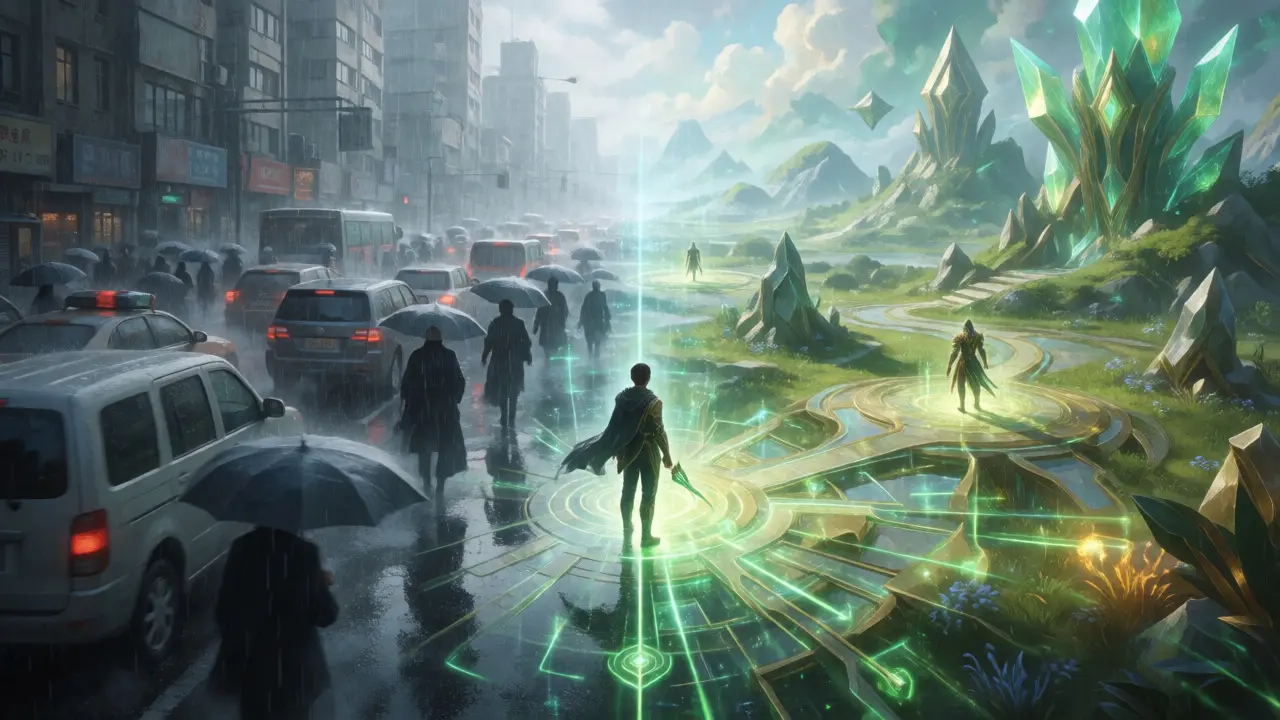
Gaming exploits our brain’s reward system. Every kill, every loot drop, every completed quest releases dopamine, a neurotransmitter associated with pleasure and motivation. Modern games are engineered to maximize this release through variable ratio reinforcement schedules-the same mechanism that makes slot machines addictive. You don’t know when the reward is coming, so you keep pulling the lever (or clicking) hoping for the next hit.
For individuals with depression, whose baseline dopamine levels may already be low, this external regulation can become problematic. Real-life rewards-finishing a chore, cooking a meal, having a conversation-are slow and subtle. Games provide instant, high-intensity feedback. Over time, real life feels dull by comparison. This is anhedonia in disguise: the inability to feel pleasure from normally enjoyable activities because your threshold for stimulation has been raised artificially.
I remember a period when I couldn’t enjoy reading anymore. Not because I didn’t want to, but because sitting still felt physically uncomfortable compared to the rapid input of a fast-paced shooter. My attention span had fragmented. Recognizing this was the first step toward resetting my baseline. It wasn’t about quitting games entirely; it was about understanding that my brain needed recalibration.
When Gaming Becomes Avoidance Coping
Coping strategies fall into two categories: problem-focused and emotion-focused. Problem-focused coping tackles the source of stress. Emotion-focused coping manages the emotional distress caused by stressors. Gaming is primarily emotion-focused. It soothes the symptom, not the cause.
Consider Sarah, a client I spoke with recently. She used a city-building simulation to manage her work anxiety. The game gave her order and predictability, things her chaotic office lacked. Initially, this helped her stay calm enough to perform her job. But eventually, she started staying late at work to finish tasks so she could rush home to play. Her sleep suffered. Her partner felt neglected. The game, once a tool, became a priority that disrupted her actual life. This is the tipping point where coping turns into compulsion.
How do you know if you’ve crossed that line? Ask yourself these three questions:
- Do I play to feel better, or do I play to avoid feeling worse?
- Am I sacrificing basic needs (sleep, hygiene, meals) to continue playing?
- Do I feel irritable or anxious when I’m unable to access my games?
If you answered yes to more than one, your gaming habits might be reinforcing your anxiety rather than alleviating it. Avoidance prevents exposure therapy principles from working. You never learn to tolerate discomfort because you constantly flee from it.
Strategies for Healthy Integration
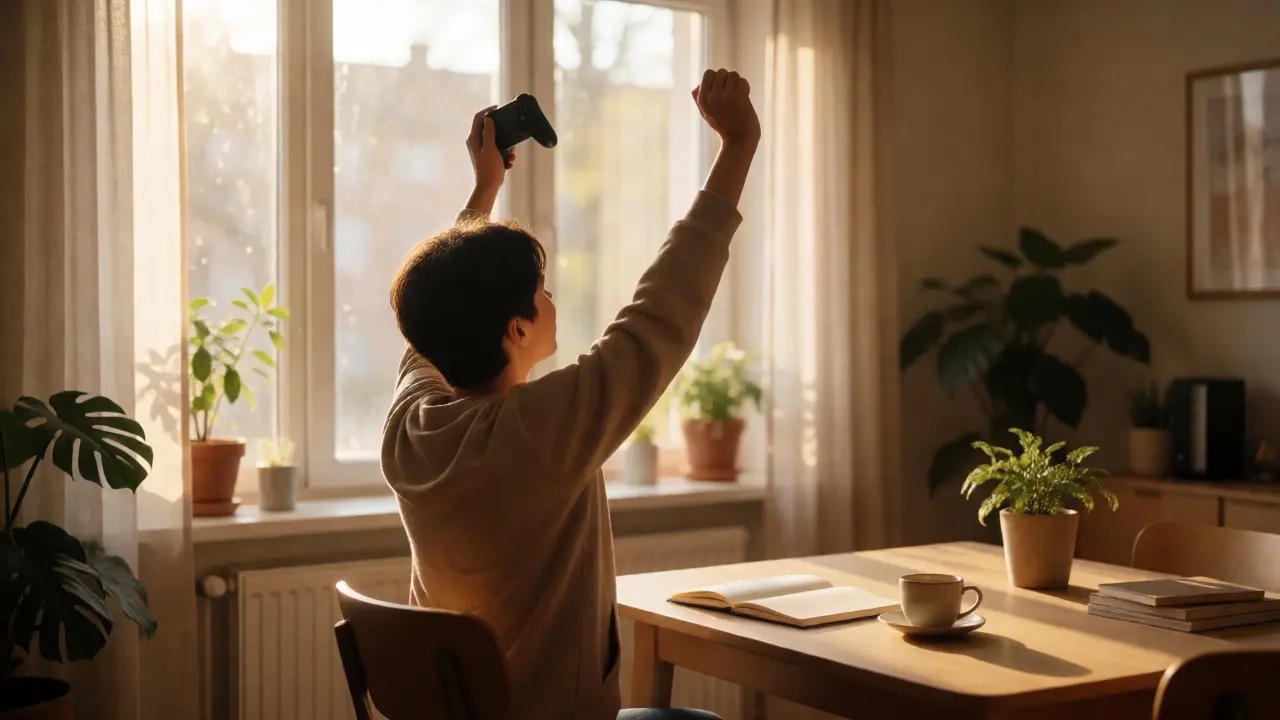
You don’t have to delete Steam to improve your mental health. Moderation and mindfulness are key. Here are practical steps to ensure gaming supports rather than sabotages your well-being.
- Set Hard Boundaries: Use timers. Decide beforehand how long you will play. When the timer goes off, stop. Even if you’re mid-match. Breaking the "just one more turn" cycle builds discipline and reduces post-gaming regret.
- Pair Gaming with Movement: Stand up during loading screens. Stretch during breaks. Physical movement counteracts the sedentary nature of gaming, which can worsen depressive symptoms due to lack of endorphins from exercise.
- Audit Your Content: Notice how specific genres make you feel. Do horror games spike your anxiety? Do competitive shooters leave you angry? Switch to calming genres like farming sims or exploration games if you’re in a fragile state.
- Maintain Real-Life Anchors: Schedule non-negotiable social interactions outside of gaming. Meet a friend for coffee. Go for a walk. Keep connections to the physical world strong so that when you log off, you have something to return to.
It’s also worth considering the content itself. Narrative-driven games can be surprisingly therapeutic. Titles that explore themes of grief, loss, and connection (like Stardew Valley or Hades) can help players process their own emotions in a safe, metaphorical space. This is bibliotherapy adapted for the digital age. Engaging with stories that mirror your struggles can validate your feelings and offer new perspectives.
Seeking Professional Help
If gaming is interfering with your daily functioning, or if you’re using it to mask severe depression or anxiety, consider talking to a therapist. Cognitive Behavioral Therapy (CBT) is particularly effective for addressing the thought patterns behind excessive gaming. A professional can help you distinguish between healthy leisure and compulsive behavior.
Remember, there is no shame in enjoying games. The goal isn’t to eliminate fun from your life but to ensure that your hobbies serve your well-being, not undermine it. Be honest with yourself about your usage. Check in with your body and mind regularly. Are you leaving the game feeling rested or drained? Your answer will guide your next move.
Can video games cause depression?
Video games themselves do not directly cause clinical depression, but excessive gaming can contribute to risk factors such as social isolation, poor sleep quality, and sedentary lifestyle, which are linked to higher rates of depression. Additionally, using gaming as a primary method of avoidance can prevent individuals from developing healthy coping mechanisms, potentially worsening underlying depressive symptoms over time.
Is gaming good for anxiety?
Gaming can help reduce anxiety for some people by providing a distraction and a sense of control. Cooperative games with friends can also alleviate social isolation. However, highly competitive or stressful games may increase anxiety levels. The impact depends on the individual, the type of game, and how much time is spent playing.
How much gaming is too much for mental health?
There is no universal number, but generally, if gaming interferes with daily responsibilities, sleep, hygiene, or real-life relationships, it may be excessive. The World Health Organization recognizes "Gaming Disorder" when gaming takes precedence over other life interests and daily activities, leading to negative consequences. A good rule of thumb is to ensure gaming does not consistently displace essential self-care activities.
What types of games are best for mental health?
Games that promote relaxation, creativity, and social connection are often beneficial. Examples include sandbox games like Minecraft, farming simulations like Stardew Valley, and narrative-driven adventures. These genres tend to have lower stress levels and encourage positive engagement. Conversely, highly competitive multiplayer games may induce stress in sensitive individuals.
Should I quit gaming if I have depression?
Not necessarily. Quitting completely might remove a valuable source of joy and social connection. Instead, try moderating your playtime and diversifying your activities. If gaming feels like an escape rather than a choice, consider taking a short break to reset your habits. Consulting a mental health professional can help determine the right approach for your specific situation.