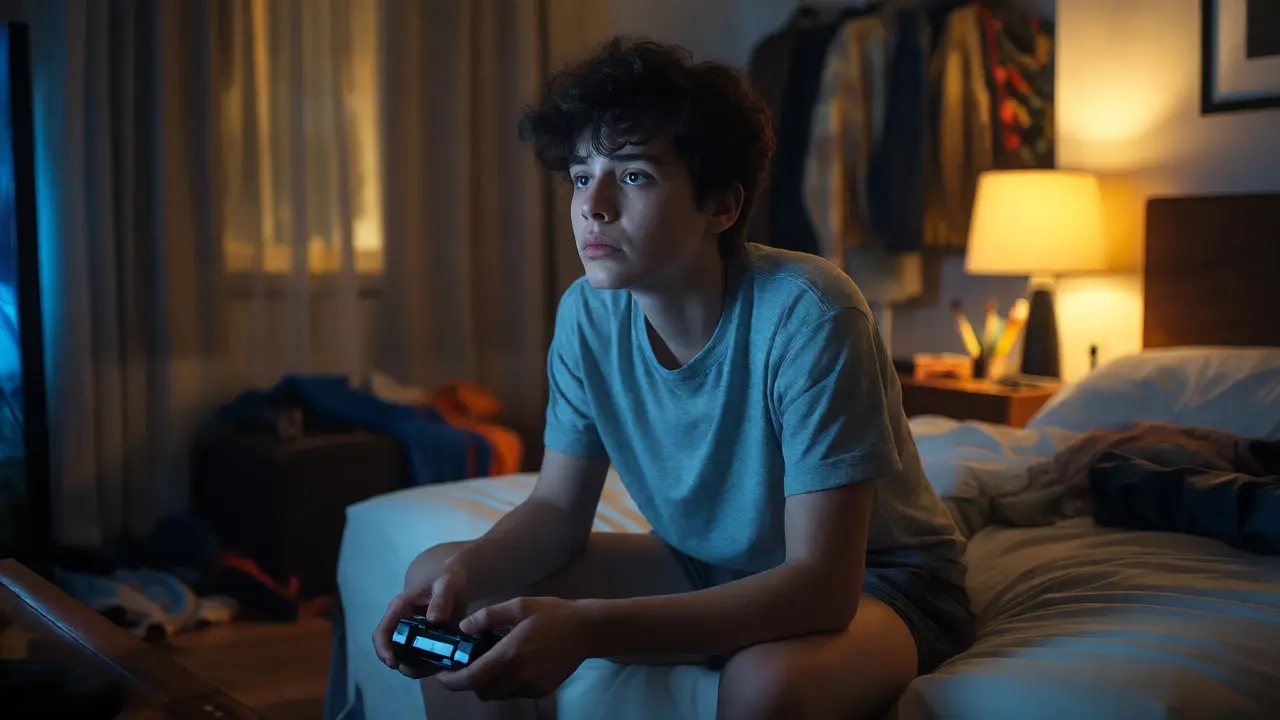
You come home after a brutal day at work. Your brain feels like static noise. You don't want to talk; you just want the noise to stop. So, you boot up League of Legends or dive into Stardew Valley. Two hours later, the anxiety is gone, but so is your evening. Did you heal, or did you hide?
This isn't just about "wasting time." For millions of people, video games are a legitimate tool for mood modification-a way to actively change how they feel. Psychologists call this emotion regulation strategy. But there is a fine line between using games as a coping mechanism and falling into gaming disorder. If you're reading this, you probably know that feeling of relief when the loading screen hits. The question isn't whether gaming helps you feel better-it usually does. The question is whether it's helping you build resilience or just building a wall.
The Psychology of Digital Escapism
Why do we reach for controllers when we're stressed? It’s not laziness. It’s biology. When you play a game, your brain enters a state often described as flow, a concept popularized by psychologist Mihaly Csikszentmihalyi. In flow, self-consciousness fades. Time distorts. You aren't thinking about your unpaid bills or your awkward conversation with your boss; you are focused entirely on the next jump, the next shot, the next puzzle.
This state triggers a release of dopamine. Unlike the spike you get from scrolling social media (which is often passive and anxious), gaming dopamine is tied to agency. You made a choice. You solved a problem. You won. This sense of control is potent medicine for people who feel powerless in their real lives. If your job dictates your every move, being the captain of your own spaceship in No Man's Sky gives your brain a break from decision fatigue.
However, not all games serve the same emotional purpose. Researchers categorize these motivations into distinct buckets:
- Achievement: Playing to feel competent and powerful (e.g., Call of Duty).
- Social Connection: Playing to combat loneliness (e.g., Final Fantasy XIV).
- Immersion: Playing to escape reality entirely (e.g., The Witcher 3).
If you use immersion to avoid processing grief, you might be delaying healing. If you use achievement to counteract feelings of inadequacy, you might be building genuine confidence. The intent matters more than the genre.
When Help Becomes Harm: Spotting the Slippery Slope
Escapism becomes problematic when it stops being a break and starts being the default setting. The World Health Organization recognized Gaming Disorder in 2018, defining it as a pattern of behavior characterized by impaired control over gaming. But you don't need a clinical diagnosis to notice if you've crossed the line.
Look for these specific symptoms in your daily routine:
- Neglect of Basic Needs: Are you skipping meals, ignoring hygiene, or sacrificing sleep specifically to finish "one more match"?
- Withdrawal Irritability: Do you feel disproportionately angry or anxious when you can't play? This suggests the game is regulating your emotions for you, rather than you managing them yourself.
- Deception: Are you lying to family or friends about how much time you spend playing?
- Loss of Interest: Have other hobbies-reading, sports, cooking-lost their appeal because they don't provide the same rapid dopamine hit?
There is a crucial distinction between coping and avoidance. Coping allows you to return to the problem with a clearer head. Avoidance ensures the problem grows while you distract yourself. If you play to calm down before tackling a difficult task, that’s healthy. If you play to pretend the task doesn't exist, that’s avoidance.

Choosing the Right Game for Your Mood
Not every game is good for mental health. Fast-paced competitive shooters can increase cortisol levels, raising stress rather than lowering it. If you’re already anxious, adding high-stakes competition might backfire. Instead, match the game mechanics to your emotional need.
| Emotional State | Recommended Genre | Example Titles | Psychological Benefit |
|---|---|---|---|
| High Anxiety / Overwhelmed | Cozy / Simulation | Animal Crossing, Unpacking | Restores sense of order and low-stakes control. |
| Low Energy / Depressed | Rhythm / Music | Beat Saber, Crypt of the NecroDancer | Uses auditory stimulation to boost arousal and movement. |
| Frustrated / Angry | Action / Hack-and-Slash | Hades, Devil May Cry | Provides physical outlet and immediate feedback loops. |
| Lonely / Isolated | MMO / Social Sandbox | Deep Rock Galactic, Sky: Children of the Light | Fosters non-verbal cooperation and community belonging. |
Notice the pattern? The goal is regulation, not just distraction. If you are depressed and lethargic, sitting still in a slow RPG might make you feel worse. You need something that forces physical engagement or provides bright, rhythmic feedback. Conversely, if you are hyper-aroused and angry, a chaotic multiplayer lobby might trigger rage-quitting. Choose wisely.
Practical Strategies for Healthy Gaming
You don't have to quit gaming to protect your mental health. You just need boundaries. Here are three rules I’ve seen work effectively for clients struggling with excessive play.
1. The "Input-Output" Rule
Before you start playing, ask yourself: What am I trying to achieve? Am I looking to relax, connect, or compete? Set a timer for 45 minutes. When the timer goes off, pause. Ask: "Do I feel better than I did 45 minutes ago?" If yes, continue. If no, stop. This breaks the autopilot loop where you play simply because you started.
2. Pair Gaming with Physical Movement
Sedentary gaming exacerbates depression. Try pairing a session of VR fitness games or motion-controlled titles like Nintendo Switch Sports with traditional play. Even standing up during cutscenes helps. The body-mind connection is real; moving your body changes your neurochemistry faster than staring at a screen.
3. The Post-Game Journaling Prompt
After a long session, take two minutes to write down one thing you accomplished in the game and one thing you avoided in real life. This creates awareness. It turns passive consumption into active reflection. Often, the realization that you spent three hours farming virtual crops instead of calling a friend is enough to shift behavior without guilt-tripping yourself.
Beyond Escapism: Can Games Actually Heal?
It’s tempting to dismiss gaming as pure entertainment, but research suggests otherwise. A study published in Computers in Human Behavior found that moderate gaming (less than an hour a day) was associated with higher levels of well-being compared to non-gamers. Why? Because games provide psychological needs satisfaction: autonomy, competence, and relatedness.
Therapeutic games are now being used clinically. SPARX, a fantasy role-playing game developed in New Zealand, was shown to be as effective as face-to-face cognitive behavioral therapy for adolescents with mild to moderate depression. It teaches skills like challenging negative thoughts through gameplay. Similarly, mindfulness apps gamify meditation, making the practice accessible to those who find sitting still unbearable.
The key takeaway here is intentionality. Games are tools. A hammer can build a house or smash a window. It depends on how you hold it. If you use gaming to recharge so you can engage more fully with your real life, it’s a superpower. If you use it to numb out until you forget you have a life, it’s a crutch.
So, tonight, when you pick up the controller, pause. Notice what you’re feeling. Choose the game that serves that feeling. And remember to log off before the sun comes up.
Is gaming always bad for mental health?
No. Research indicates that moderate gaming can improve mood, reduce stress, and enhance cognitive flexibility. Problems arise primarily when gaming displaces essential activities like sleep, exercise, and social interaction, or when it becomes the sole method of emotional regulation.
How many hours of gaming per day is considered healthy?
There is no universal number, but studies suggest that up to one hour per day is often associated with positive psychological outcomes. Excessive use typically begins when gaming interferes with daily functioning, such as missing work deadlines or neglecting personal hygiene, regardless of the exact hour count.
What is the difference between escapism and avoidance?
Escapism is temporary relief that allows you to reset and return to problems with renewed energy. Avoidance is using gaming to permanently ignore unresolved issues, leading to a buildup of stressors and potential worsening of anxiety or depression over time.
Can video games help with depression?
Yes, specifically therapeutic games designed with cognitive behavioral therapy principles. These games teach skills like emotion identification and reframing negative thoughts. However, standard commercial games should be used cautiously, as they may reinforce isolation if not balanced with social interaction.
Why do I feel guilty after gaming?
Guilt often stems from a mismatch between your values and your actions. If you value productivity but spend hours gaming, cognitive dissonance occurs. To mitigate this, schedule gaming as a deliberate reward rather than a procrastination tactic, ensuring it fits within your broader life goals.