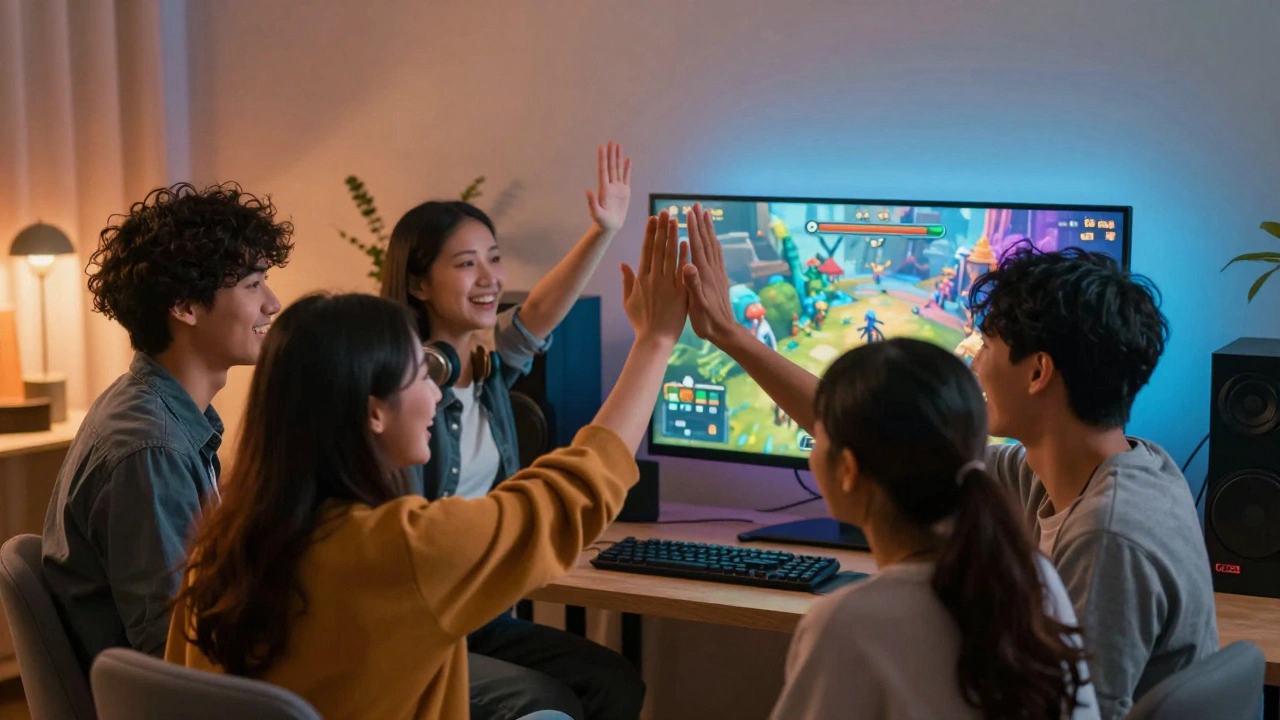
For years, the stereotype of a gamer was someone sitting alone in a dark room, isolated from the real world. That image is outdated and largely inaccurate. Today, Gaming communities are vibrant social ecosystems where millions of people connect, collaborate, and support each other daily. When managed correctly, these digital spaces function as powerful positive social networks. They offer a sense of belonging that many people struggle to find in their immediate physical environments.
The shift toward healthy gaming isn't just about limiting screen time or standing up every hour. It’s about recognizing that who you play with matters just as much as what you play. A toxic lobby can ruin your day, while a supportive guild can improve your mental health. The difference lies in how these communities are structured and the norms they enforce.
Redefining Connection in Digital Spaces
We often think of social media as the primary driver of online interaction, but gaming platforms have evolved into sophisticated social hubs. Platforms like Discord is a communication platform originally designed for gamers that now serves as a central hub for community building through voice, video, and text channels. allow for persistent connections that go beyond a single match. Unlike fleeting interactions on public forums, these communities build long-term relationships based on shared interests and repeated cooperation.
Research in psychology has shown that virtual worlds provide a unique environment for socialization. In a study published by the Pew Research Center, nearly half of U.S. teens reported feeling less stressed when playing games with friends. This isn't accidental. The collaborative nature of most modern games requires trust and communication. When you rely on a teammate to cover your flank in a shooter or manage resources in a strategy game, you are engaging in a form of social bonding that mirrors real-world teamwork.
The key to making these interactions positive is intentionality. Passive participation often leads to exposure to negative behavior. Active participation in curated groups creates a buffer against toxicity. You choose your server; you don't get assigned one at random. This agency allows players to curate their social experience, filtering out harmful dynamics and amplifying supportive ones.
The Psychology of Belonging
Human beings have a fundamental need to belong. For many, especially those who feel marginalized in their offline lives, gaming communities provide a safe harbor. This concept is known as "social compensation." If you struggle with social anxiety in person, a text-based chat or a voice channel with noise cancellation can lower the barrier to entry for conversation.
In these spaces, identity is often decoupled from physical appearance, race, or socioeconomic status. What matters is your contribution to the group. Did you heal the team? Did you organize the raid? Did you make everyone laugh during the loading screen? These contributions foster a sense of self-worth and competence. This is particularly vital for adolescents and young adults who are still forming their identities.
However, this sense of belonging can be fragile. It relies heavily on community moderation. Without clear rules and active enforcement, even the friendliest communities can devolve into echo chambers or hostile environments. The most successful positive social networks have established codes of conduct that prioritize respect over competition. They understand that winning a game is temporary, but maintaining a healthy community is permanent.
Moderation: The Backbone of Healthy Interaction
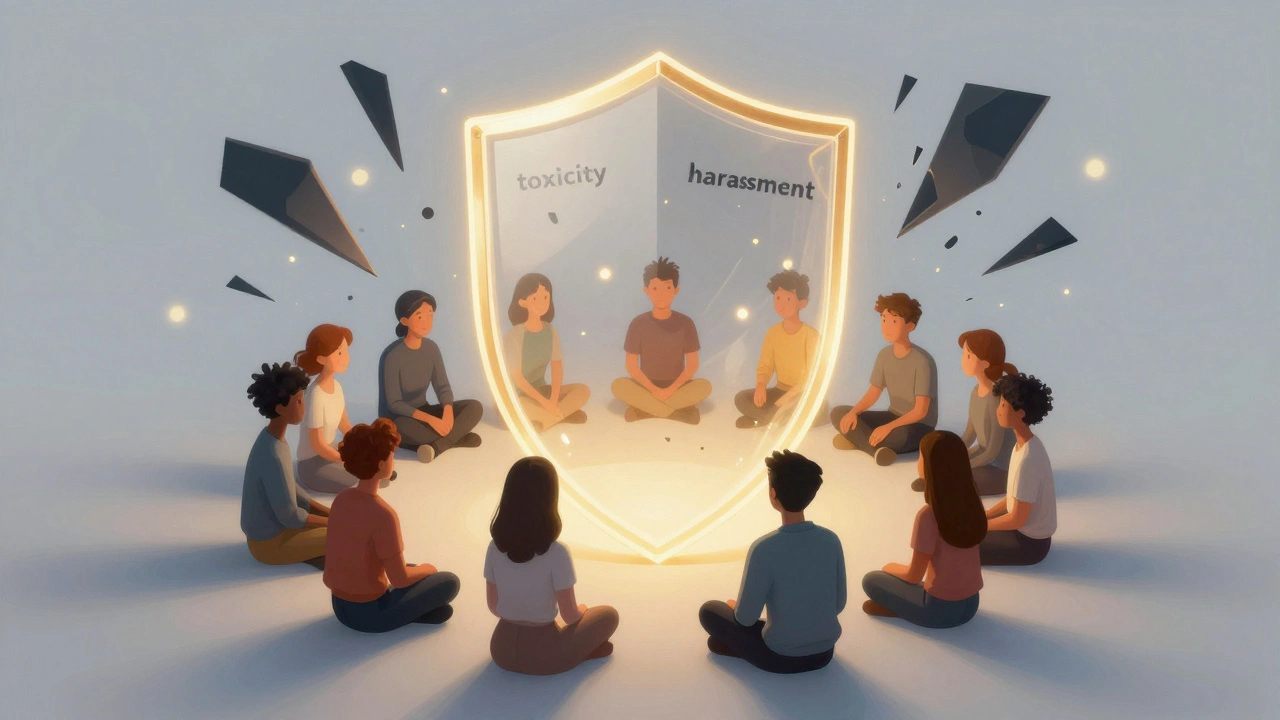
You cannot build a positive network without addressing negativity. Toxicity in gaming often stems from anonymity and lack of consequences. Effective moderation bridges this gap. It doesn't mean banning anyone who loses a match; it means setting boundaries around acceptable behavior.
- Clear Guidelines: Every community should have visible rules. These shouldn't be buried in a wiki page. They should be pinned in the main chat or displayed upon joining. Rules should cover harassment, hate speech, and excessive aggression.
- Active Leadership: Community managers and moderators must be present. Their role isn't just to punish bad actors but to model good behavior. When a new member joins, does someone welcome them? When a conflict arises, is it mediated fairly?
- Reporting Mechanisms: Users need easy ways to report abuse. Whether it's a mute button, a block feature, or a direct line to admins, the path to safety must be frictionless.
- Positive Reinforcement: Reward good behavior. Highlight helpful members, celebrate milestones, and create spaces for non-gaming activities like art sharing or music listening. This shifts the focus from pure competition to holistic community engagement.
Tools like Discord's auto-moderation bots can help filter out slurs and spam automatically, but human judgment is irreplaceable. Context matters. A joke among close friends might sound harsh to an outsider. Moderators need to understand the culture of their specific group to enforce rules effectively.
Building Your Own Positive Circle
If you are tired of toxic lobbies, you have the power to change your experience. You don't have to wait for the industry to fix itself. Here is how you can cultivate a healthier gaming life right now.
First, seek out smaller, niche communities rather than massive, anonymous servers. A server with 50 active members will always be more cohesive than one with 50,000. Look for groups dedicated to specific games, hobbies, or demographics. For example, if you love retro RPGs, join a Discord focused on that genre. Shared passion is the strongest glue for positive relationships.
Second, be proactive in your interactions. Say hello. Ask questions. Offer help. Most people want to be friendly but are afraid of being ignored. By initiating positive contact, you set the tone. If you encounter negativity, disengage. Mute the offender and move on. Don't feed the trolls. Protecting your peace is more important than winning an argument.
Third, diversify your social input. Don't rely on a single gaming community for all your social needs. Join multiple groups with different focuses. Have a competitive clan for high-stakes matches, a casual hangout for chatting, and perhaps a hobby group unrelated to gaming. This prevents burnout and ensures that if one community becomes toxic, you still have other supportive networks.
Balancing Online and Offline Life
A common misconception is that healthy gaming means quitting games entirely. That is not true. Healthy gaming means integrating gaming into a balanced lifestyle. Your online friends should complement your offline relationships, not replace them.
Set boundaries. Decide on specific times for gaming and stick to them. Use features like "Do Not Disturb" modes to signal when you are unavailable. Communicate these boundaries to your community. Good friends will respect your need for sleep, work, or family time.
Furthermore, try to bridge the gap between digital and physical worlds. Many gaming communities organize local meetups, charity streams, or in-person tournaments. These events deepen bonds and remind you that the people behind the avatars are real humans with real lives. Sharing a meal or attending a convention together transforms a pixelated acquaintance into a genuine friend.
It is also crucial to monitor your emotional state. If you find yourself feeling anxious, angry, or depressed after gaming sessions, take a step back. Analyze why. Is it the game mechanics? The difficulty? Or the people you are playing with? Often, the issue is the latter. Changing your social circle can have a dramatic impact on your mood.

The Role of Game Designers
While individual players have control over their choices, game developers hold significant responsibility. The design of a game directly influences player behavior. Competitive shooters that reward aggressive play may inadvertently encourage toxicity. Cooperative games that require communication naturally foster better social skills.
Developers can implement features that promote positivity. For instance, systems that reward sportsmanship, such as post-match commendations, have been shown to reduce negative behavior. Games like Overwatch is a team-based multiplayer first-person shooter developed by Blizzard Entertainment that emphasizes cooperative gameplay and character synergy. introduced a "be nice" button that allowed players to praise teammates, shifting the focus from blame to appreciation.
Additionally, robust reporting tools and transparent ban policies are essential. Players need to know that their reports matter. When developers ignore abuse, they send a message that it is acceptable. Conversely, when they act swiftly and fairly, they reinforce the value of respectful interaction.
| Aspect | Toxic Environment | Positive Environment |
|---|---|---|
| Communication Style | Aggressive, blaming, sarcastic | Constructive, encouraging, clear |
| Conflict Resolution | Ignored or escalated via arguments | Mediated by mods or discussed privately |
| New Member Experience | Intimidating, unwelcoming | Oriented, guided, supported |
| Focus | Winning at all costs | Enjoyment and collaboration |
| Mental Health Impact | Increased stress, anxiety, isolation | Reduced stress, sense of belonging |
Signs of a Healthy Community
How do you know if you've found the right group? Look for these indicators. A healthy community feels safe. You can express your opinions without fear of ridicule. Mistakes are treated as learning opportunities, not reasons for punishment. There is diversity in membership, including different ages, genders, and backgrounds, and everyone is treated with equal respect.
Leadership is accessible. You can reach out to admins if you have concerns, and they respond promptly. The community has its own inside jokes and traditions, which create a sense of shared history. Importantly, there is space for silence. You don't have to perform or entertain constantly to be accepted.
Finally, a positive community encourages growth. Members challenge each other to improve, both in-game and in life. They share resources, offer advice, and celebrate each other's successes outside of gaming. This holistic support system is what transforms a simple gaming group into a truly positive social network.
Can gaming actually improve my social skills?
Yes, absolutely. Cooperative games require communication, negotiation, and empathy. Working towards a common goal with strangers or friends helps you learn how to articulate ideas clearly and resolve conflicts. Many people report that their confidence in speaking up and leading teams improved significantly through online gaming experiences.
What should I do if I encounter harassment in a gaming community?
First, use the available tools to mute, block, or report the user immediately. Do not engage with them, as this often escalates the situation. If the harassment continues, leave the server or lobby. Inform community leaders if you are part of a larger group. Your safety and comfort are more important than staying in a toxic environment.
Is it normal to feel lonely even when I'm online?
It can be, especially if your interactions are superficial or transactional. Being in a crowded server doesn't guarantee meaningful connection. If you feel lonely, try joining smaller, interest-based groups where deeper conversations are more likely. Also, ensure you are balancing online time with face-to-face interactions to maintain a well-rounded social life.
How can I start my own positive gaming community?
Start by defining your values and creating clear rules. Invite a small group of trusted friends to seed the community. Focus on creating welcoming channels for introductions and off-topic chats. Be consistent in your moderation and lead by example. Growth will come naturally if the environment is safe and enjoyable for early members.
Does healthy gaming mean I have to stop playing competitive games?
Not at all. Healthy gaming is about mindset and context. You can play highly competitive games while maintaining a positive attitude by focusing on self-improvement rather than blaming others. Surround yourself with teammates who share this perspective. The key is ensuring that competition enhances your enjoyment rather than causing undue stress or hostility.