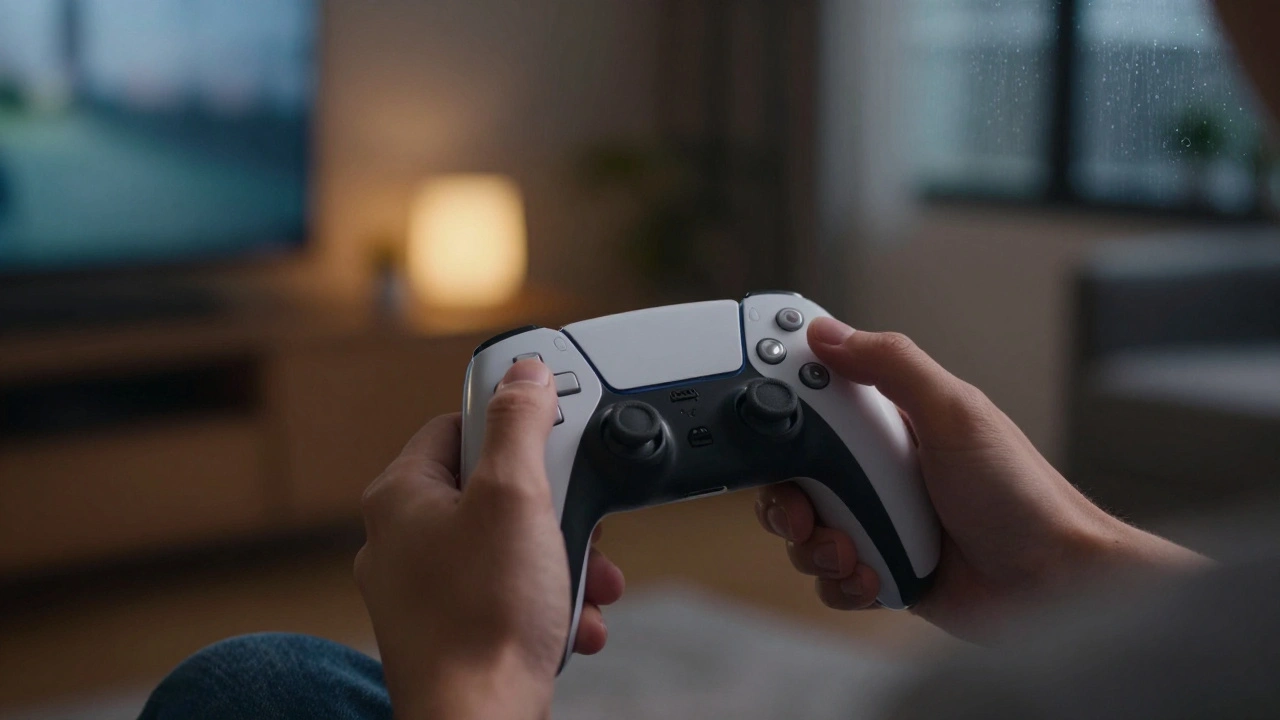
Most people see gaming as a distraction, but when used intentionally, it acts as a sandbox for the brain. It allows you to experience failure, frustration, and victory in a safe environment where the stakes are low, but the emotional responses are real. The goal isn't just to 'play a game,' but to engage in a process where the game's mechanics help you manage your internal state.
Кey Takeaways for Digital Wellness
- Intentionality: Switching from passive escapism to active emotional processing.
- Genre Matching: Choosing games that align with your current emotional need (e.g., calming vs. cathartic).
- The Flow State: Using deep immersion to lower cortisol levels and reduce anxiety.
- Boundary Setting: Preventing the tool for wellness from becoming a source of stress.
The Science of the Digital Reset
To understand how this works, we have to look at The Prefrontal Cortex is the part of the brain responsible for complex cognitive behavior, decision making, and moderating social behavior. When you're overwhelmed, this area often goes offline, and the Amygdala, which handles your "fight or flight" response, takes over. This is why you can't "just calm down" when you're spiraling.
Gaming interrupts this cycle through a process called cognitive redirection. By requiring your brain to focus on a specific task-like navigating a puzzle or managing a resource-you force the prefrontal cortex to re-engage. This effectively "quiets" the amygdala. A study from the University of California suggests that interactive media can reduce symptoms of depression and anxiety more effectively than passive media because the active agency gives the user a sense of control they lack in their real-life stressors.
Matching Your Mood to the Mechanic
Not all games serve the same emotional purpose. If you try to play a high-stress competitive shooter when you're already on the verge of a breakdown, you're likely to experience "gamer rage," which only spikes your cortisol levels further. The secret is matching the game mechanic to your emotional state.
For those dealing with high anxiety, Cosy Games (like Animal Crossing or Stardew Valley) provide a sense of predictability and safety. These games use low-stakes loops-planting a seed, decorating a room-that trigger a release of dopamine without the accompanying stress of a timer or a lethal enemy. They create a digital sanctuary where you have total agency.
Conversely, if you're feeling suppressed anger or a sense of powerlessness, "cathartic gaming" is more effective. This involves games with high impact and immediate feedback, such as Action RPGs or "boomer shooters." The act of clearing a room of enemies or dismantling a structure provides a physical and mental release of tension. It's a controlled environment to express aggression without causing real-world harm.
| Emotional State | Recommended Genre | Desired Outcome | Example Mechanic |
|---|---|---|---|
| Overwhelmed / Anxious | Simulation / Cosy | Calm & Safety | Gardening, Decorating |
| Angry / Frustrated | Action / Roguelike | Catharsis / Release | Combat, Destructible Environments |
| Numb / Bored | Puzzle / Strategy | Cognitive Engagement | Complex Problem Solving |
| Lonely / Sad | Narrative / Social | Connection / Empathy | Dialogue Choices, Co-op Play |
Entering the Flow State for Stress Reduction
Have you ever played a game and realized four hours had passed in what felt like twenty minutes? That's Flow State, a concept developed by psychologist Mihaly Csikszentmihalyi. It is a state of complete absorption in an activity. In terms of wellness, flow is a powerful tool because it shuts out the "noise" of the external world.
To achieve flow, the challenge of the game must perfectly balance your skill level. If the game is too easy, you get bored; too hard, and you get anxious. When you hit that sweet spot, your brain enters a meditative-like state. This reduces the production of Cortisol (the stress hormone) and increases the production of endorphins. This is why many people find that a session of Tetris or a complex strategy game helps them sleep better after a high-stress day-it essentially "cleanses" the mental palate.
The Trap of Escapism vs. Regulation
Here is where things get tricky. There is a thin line between using gaming for wellness and using it as a maladaptive coping mechanism. Escapism is when you use a game to hide from your problems, effectively pausing your life to avoid dealing with an emotion. Regulation is when you use a game to stabilize your mood so that you *can* deal with the problem.
Ask yourself: "Am I playing this to feel better so I can tackle my to-do list, or am I playing this so I can forget the to-do list exists?" If it's the latter, you're not regulating; you're avoiding. To avoid the escapism trap, set a "return anchor." This is a pre-determined time or event that signals the end of the session. For example, "I will play Hades for 45 minutes, and then I will write down three things I need to address tomorrow." This keeps the gaming session as a tool for wellness rather than a destination for hiding.
Building a Healthy Gaming Routine
Integrating gaming into a wellness plan requires a few ground rules to ensure it doesn't become another source of stress. The most successful approach is the "Interval Method." Instead of marathon sessions that lead to mental fatigue and "brain fog," break your gaming into intentional blocks.
- The Pre-Check: Before starting, identify your current emotion. Are you angry? Anxious? Sad? This determines your game choice.
- The Physical Anchor: Keep your environment comfortable. Use a supportive chair and ensure you have water. Physical discomfort can trigger the same stress responses the game is trying to soothe.
- The Digital Detox Bridge: Don't jump straight from a high-intensity game back into work or sleep. Spend five minutes stretching or practicing deep breathing. This bridges the gap between the digital world and reality, preventing the "crash" that often follows intense gaming.
Furthermore, be mindful of the social dynamics. While Multiplayer Gaming can provide vital social support, it can also be a source of toxicity. If your goal is emotional regulation, a toxic lobby in a competitive match will do more harm than good. Prioritize co-op experiences or a curated group of friends who support your mental health goals.
Can gaming actually replace traditional therapy?
No. Gaming is a powerful tool for emotional regulation and a great supplement to wellness, but it isn't a replacement for professional mental health care. While it can help manage symptoms of stress or anxiety, it doesn't address the root causes of clinical disorders. Think of it as a "first aid kit" for your mood, whereas therapy is the long-term treatment.
What are the best games for anxiety?
Generally, games with low stakes, calming soundtracks, and a focus on growth or organization are best. Titles like Animal Crossing: New Horizons, Unpacking, PowerWash Simulator, and Stardew Valley are highly recommended because they offer a sense of control and accomplishment without the pressure of failure.
How do I know if I'm gaming too much?
The red flag is when the game stops regulating your emotions and starts causing them. If you find yourself feeling more irritable, neglecting basic hygiene, or avoiding essential responsibilities, the tool has become the problem. If you feel "guilty" while playing rather than "relaxed," it's time to set stricter boundaries.
Does the type of hardware matter for wellness?
It matters in terms of accessibility. Handheld consoles like the Nintendo Switch or Steam Deck are often better for wellness because they allow you to change your environment-you can move from a desk to a couch or a garden, which helps prevent the feeling of being "trapped" in a gaming setup.
Can competitive gaming be good for mental health?
Yes, if the focus is on mastery and growth rather than winning at all costs. The process of improving a skill (like aiming or strategic thinking) can build resilience and a "growth mindset." However, this only works if the player has the emotional maturity to handle loss without spiraling.
Next Steps for Your Wellness Journey
If you're new to using gaming as a tool for emotional health, start small. Don't try to overhaul your entire routine overnight. Instead, try the "Mood-Match" experiment for one week. Every time you feel a strong negative emotion, pick a game based on the table provided above and play for exactly 30 minutes. Notice how your body feels before and after the session.
For those who find that gaming still leads to over-stimulation, try pairing your session with a physical grounding technique. Hold a cold object or do a quick five-minute stretch before you turn on the console. By combining digital regulation with physical presence, you create a robust system for maintaining your mental balance in an increasingly stressful world.