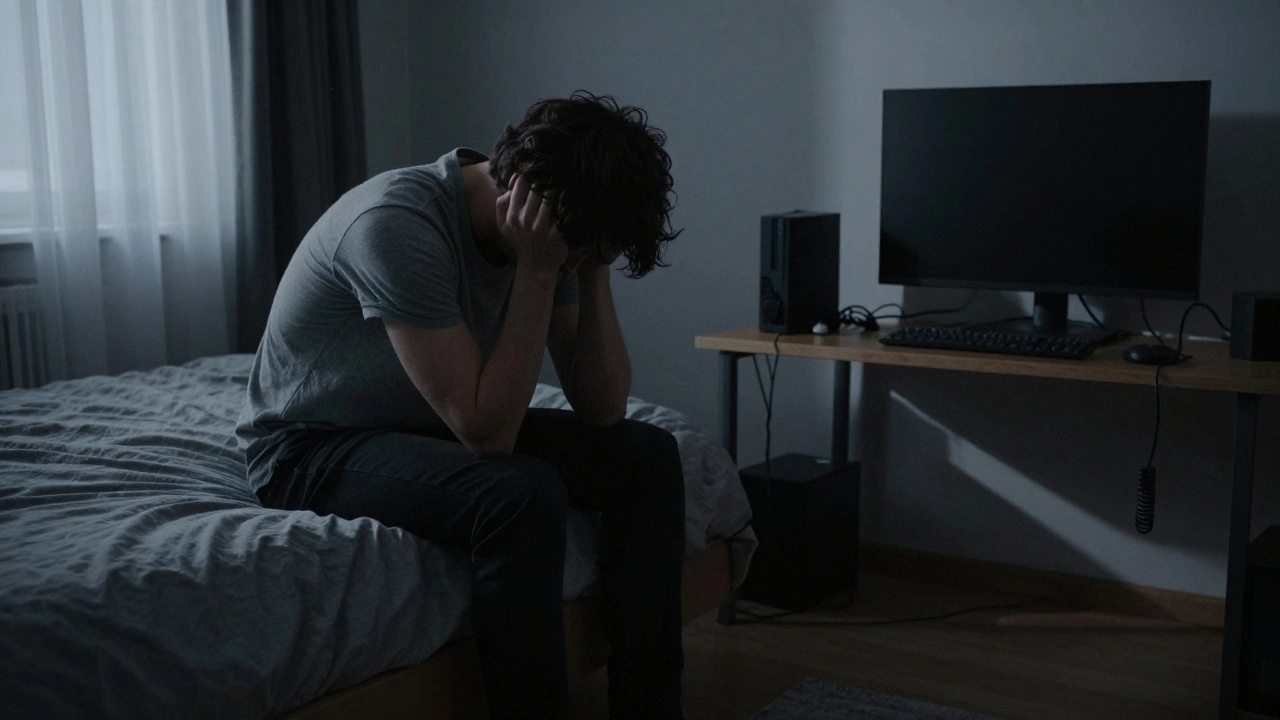
Understanding gaming withdrawal symptoms is the first step to actually getting through them without relapsing on day three. Most people expect a bit of boredom, but the reality is a complex chemical shift in your head. You aren't weak for struggling; you're just dealing with a brain that has been conditioned to receive massive hits of dopamine every few seconds. Here is what that process actually looks like and how to handle it.
Quick Takeaways: Surviving the First 30 Days
- The Crash: Expect a sharp drop in mood and energy during the first 72 hours.
- The Mental Fog: Difficulty focusing and "brain fog" are common as your brain recalibrates.
- The Emotional Spike: Irritability and anxiety often peak in the second week.
- The Solution: Replace the high-stimulation activity with low-stimulation, rewarding habits.
- The Timeline: Most acute physical symptoms fade after 2-3 weeks, though psychological cravings last longer.
The Science of the Gaming Brain
To understand why you feel miserable, you have to understand Dopamine is a neurotransmitter that plays a major role in how we feel pleasure and motivation. In a typical game, every level-up, loot drop, or victory triggers a burst of this chemical. Your brain loves it so much that it starts creating more receptors to handle the load. However, when you stop gaming, those receptors are suddenly starved. This is called "downregulation."
Your brain is essentially a high-performance engine that has been running on nitro for years. When you switch back to "normal" life-like doing laundry or reading a book-the fuel feels too weak. This is why the real world feels gray, slow, and incredibly frustrating. You aren't depressed in the clinical sense (though you might be); you are experiencing a chemical deficit. This state is often linked to Gaming Disorder, which is a pattern of gaming behavior characterized by impaired control over gaming and increasing priority given to gaming over other interests, recognized by the World Health Organization (WHO).

What to Expect: The Physical and Emotional Toll
Withdrawal doesn't hit everyone the same way, but there are a few common patterns. It's helpful to view these not as "symptoms" but as your brain trying to find its balance again.
The Emotional Rollercoaster
First comes the irritability. You might find yourself snapping at your partner or getting angry at a slow computer. This happens because your patience threshold has vanished. Then comes the "anhedonia"-a fancy word for the inability to feel pleasure. You might try to watch a movie you used to love, only to find it boring and pointless. This is the most dangerous phase because it convinces you that life without gaming is empty, which pushes you back toward the console.
The Physical Slump
Many people report a genuine feeling of lethargy. Your sleep might get messy; some people suffer from insomnia, while others sleep 12 hours a day because they have no motivation to wake up. You might also experience "phantom inputs," where you instinctively reach for a controller or imagine the sound of a notification when you're bored.
| Timeframe | Primary Symptom | What's Happening? | Coping Strategy |
|---|---|---|---|
| Days 1-3 | Intense Cravings | Acute dopamine drop | Hydration & short walks |
| Days 4-14 | Irritability & Boredom | Neural recalibration | Low-stimulus hobbies |
| Weeks 2-4 | Depressive dips | Identity crisis/Void | Social connection |
| Month 1+ | Mental clarity returns | Receptor normalization | Consistent routine |
The "Void" and How to Fill It
The biggest mistake people make is quitting gaming and expecting to just "be productive." If you spent 40 hours a week gaming, you now have a 40-hour hole in your life. If you leave that hole empty, the cravings will pull you back in. You need to implement a strategy of Dopamine Detox, which is the practice of abstaining from highly stimulating activities to reset the brain's reward system.
Don't jump straight into something incredibly hard, like learning a new language or starting a business. Your brain doesn't have the chemicals for that yet. Start with "low-dopamine" activities. Things that provide a slow, steady sense of accomplishment rather than an instant hit. Think about gardening, walking without headphones, or cleaning your room. These activities help your Prefrontal Cortex-the part of the brain responsible for decision-making and impulse control-to regain power over the reward-seeking parts of your mind.
If you're feeling an intense urge to play, try the "15-minute rule." Tell yourself you can play, but only after you wait 15 minutes and do one boring task. Often, the peak of the craving passes within that window. If you just fight the urge with willpower, you'll usually lose. If you distract the brain with a physical task, you win.

When is it More Than Just a Habit?
There is a difference between a dedicated gamer and someone dealing with a clinical addiction. If you find that your withdrawal symptoms include severe depression, thoughts of self-harm, or a complete inability to function at work or school, you might be dealing with a more complex issue. Often, gaming addiction is a "masking" behavior for other things like ADHD (Attention Deficit Hyperactivity Disorder) or Social Anxiety. The game isn't the problem; it's the medicine you've been using to treat an underlying wound.
In these cases, Cognitive Behavioral Therapy (CBT) is incredibly effective. CBT helps you identify the triggers that make you want to escape into a virtual world and gives you the tools to face those triggers in the real world. Whether it's a therapist or a support group, having a human mirror to reflect your progress is far more effective than trying to white-knuckle it alone.
Practical Steps for Your First Week
- Physical Barrier: Delete the games. Unplug the console. Give your GPU to a friend for a month. The more "friction" you add between you and the game, the easier it is to resist.
- Change Your Environment: If you always game at the same desk, move the desk or change the lighting. Your brain associates that specific spot with a dopamine hit.
- Prioritize Protein and Sleep: Your brain needs amino acids to rebuild neurotransmitters. Eat more eggs, meat, or legumes and stick to a strict sleep schedule to regulate your mood.
- Socialize in Low-Stress Settings: Don't go to a loud party. Go for a walk with a friend or visit a library. Low-stimulation social interaction is the best way to transition.
How long do gaming withdrawal symptoms last?
For most people, the most intense physical and emotional symptoms-like extreme irritability and insomnia-last about 2 to 3 weeks. However, the psychological feeling of boredom or the "gray world" effect can take a month or more to fully lift as your brain's dopamine receptors return to normal levels.
Is it possible to "taper off" gaming instead of quitting cold turkey?
Tapering can work for some, but for those with a true addiction, it often leads to "relapse cycles" where you promise one hour and end up playing for ten. Cold turkey is generally more effective for resetting the brain's reward system, provided you have a support system and a plan to fill your time.
Why do I feel so depressed when I stop playing?
This is often a result of anhedonia, where your brain is temporarily unable to experience pleasure from normal activities. Because the game provided such a massive, artificial amount of dopamine, normal things like a good meal or a conversation feel insignificant. This is a biological phase, not a permanent state of being.
Can I replace gaming with another screen-based hobby?
Replacing gaming with endless scrolling on TikTok or YouTube is usually a mistake. These platforms use the same intermittent reward systems as games, meaning you are just swapping one dopamine loop for another. To truly recover, you need to engage in activities that aren't based on rapid-fire digital rewards.
What should I do if I relapse after a few weeks?
Don't view it as a total failure. A relapse is often a signal that you're facing a trigger you aren't equipped to handle yet. Identify what happened-were you stressed? Lonely? Bored?-and adjust your plan. The goal is progress, not a perfect streak. Just get the console out of the house again and start Day 1 immediately.