
You might think Gaming Disorder is a problem that mostly affects teenage boys locked in their bedrooms. That stereotype is outdated. While men still make up the majority of diagnosed cases, the gap is closing faster than most people realize. Recent data from early 2025 shows a significant shift in who gets addicted to video games and why.
If you are a parent, a partner, or just someone interested in digital health, understanding this split matters. It changes how we treat addiction, how we design games, and how we spot warning signs. The numbers tell a story that is more nuanced than "boys play too much." Let's look at what the latest stats actually say.
The Current State of Gaming Disorder Prevalence
First, let's define what we are talking about. Gaming Disorder is a clinical condition recognized by the World Health Organization (WHO) in the ICD-11. It involves impaired control over gaming, increasing priority given to gaming over other activities, and continuation despite negative consequences. It is not just playing a lot; it is losing your life to the screen.
According to meta-analyses published in late 2024 and updated in 2025, the global prevalence of gaming disorder sits between 3% and 7%. But here is the kicker: when you break this down by gender, the disparity is stark but shrinking. Historically, studies showed a ratio of 10:1 favoring males. In 2025, credible health surveys suggest this has narrowed to roughly 4:1 or even 3:1 in younger demographics under age 25.
Why the change? Mobile gaming. When gaming moved from consoles and PCs to smartphones, the barrier to entry dropped. Women and girls began engaging with mobile strategy games, social simulations, and puzzle apps at rates previously unseen. This influx brought new patterns of dependency into the mix.
Why Men Still Lead the Diagnosis Charts
Men are still diagnosed with gaming disorder at higher rates. Why? It comes down to game mechanics and psychological drivers. Multiplayer Online Battle Arenas (MOBAs) like League of Legends and First-Person Shooters (FPS) like Call of Duty dominate the high-addiction categories. These games rely on competitive ranking systems, loot boxes, and intense social pressure within teams.
Research indicates that men often seek status and mastery through these platforms. The dopamine hit comes from winning, leveling up, and dominating opponents. For many young men, the virtual world offers a sense of competence they may lack in school or work. This "achievement loop" is highly addictive. If you struggle with self-esteem, a game where effort directly equals reward can be dangerously comforting.
Furthermore, the structure of these games encourages long, uninterrupted sessions. A ranked match in an FPS cannot be paused. You have to finish the round. This creates a natural trap for binge-playing, which is a key diagnostic criterion for disorder.
The Rising Tide of Female Gaming Addiction
Do not let the lower diagnosis rate fool you. Women are catching up, and their path to addiction looks different. Female gamers are less likely to play competitive shooters and more likely to engage with Massively Multiplayer Online Role-Playing Games (MMORPGs), social simulation games like The Sims, and mobile casual titles.
For women, the hook is often social connection and emotional immersion rather than pure competition. Studies show that female players report higher levels of emotional attachment to avatars and in-game communities. If your online friends are your primary support system, logging off feels like abandoning them. This social obligation drives compulsive play.
Another factor is escapism. Many women use gaming as a coping mechanism for stress related to caregiving roles, workplace discrimination, or domestic pressures. The game becomes a safe harbor. Over time, the line between healthy relaxation and unhealthy avoidance blurs. By 2025, clinicians are reporting more female patients seeking help for gaming-related anxiety and depression, suggesting the disorder is being underdiagnosed in women because their symptoms present differently.

Key Differences in Symptom Presentation
Spotting gaming disorder depends on knowing what to look for. Because men and women interact with games differently, their symptoms diverge. Misidentifying these signs leads to missed diagnoses.
| Attribute | Male Patterns | Female Patterns |
|---|---|---|
| Primary Driver | Competition, Status, Mastery | Social Connection, Escapism, Creativity |
| Common Genres | FPS, MOBA, Sports Simulators | MMORPG, Social Sims, Puzzle/Mobile Strategy |
| Social Impact | Isolation from offline peers; aggression in voice chat | Neglect of household duties; withdrawal from family events |
| Emotional Response | Irritability after losses; euphoria after wins | Anxiety when unable to log in; guilt over neglect |
| Diagnosis Rate | Higher (approx. 6-8% of heavy players) | Lower but rising (approx. 2-4% of heavy players) |
Notice the difference in emotional response. Men often externalize their distress through anger or agitation. Women tend to internalize it through guilt and anxiety. This makes female gaming disorder harder to spot because the person might not be shouting at a screen-they might just be quietly ignoring dinner while staring at a phone.
The Role of Microtransactions and Design
Game design plays a huge role in fueling addiction, and developers know it. Both genders fall prey to specific monetization tactics, but the triggers vary.
For men, "loot boxes" and randomized rewards mimic gambling. The uncertainty of what you get releases dopamine similar to a slot machine. If you spend $50 on skins hoping for a rare drop, you are chasing a variable reward schedule. This mechanic is heavily targeted at male audiences in competitive games.
For women, the trap is often "energy systems" and cosmetic customization. Many mobile games limit how many actions you can take before waiting hours for energy to refill. Paying to skip the wait keeps you engaged. Additionally, the desire to customize characters and homes in games like Crossy Road or Animal Crossing taps into creative fulfillment. Spending money to unlock aesthetic options feels like investing in a hobby, making it easier to justify excessive spending and time.
Impact on Mental Health and Daily Life
Gaming disorder does not exist in a vacuum. It ripples out into every part of life. The 2025 data highlights distinct impacts based on gender.
For men, the primary fallout is academic and professional stagnation. Missing deadlines, failing classes, and job loss due to sleep deprivation are common reports. The physical toll includes carpal tunnel syndrome, eye strain, and poor posture. Sleep disruption is severe because many male gamers play late into the night to avoid daytime responsibilities.
For women, the impact is often relational and domestic. Partners report feeling neglected. Children suffer from inconsistent parenting attention. Financial stress arises not just from game purchases, but from lost productivity at home or work. Interestingly, female gamers report higher rates of co-occurring depression and anxiety disorders compared to male gamers, who more frequently report ADHD and impulse control issues.
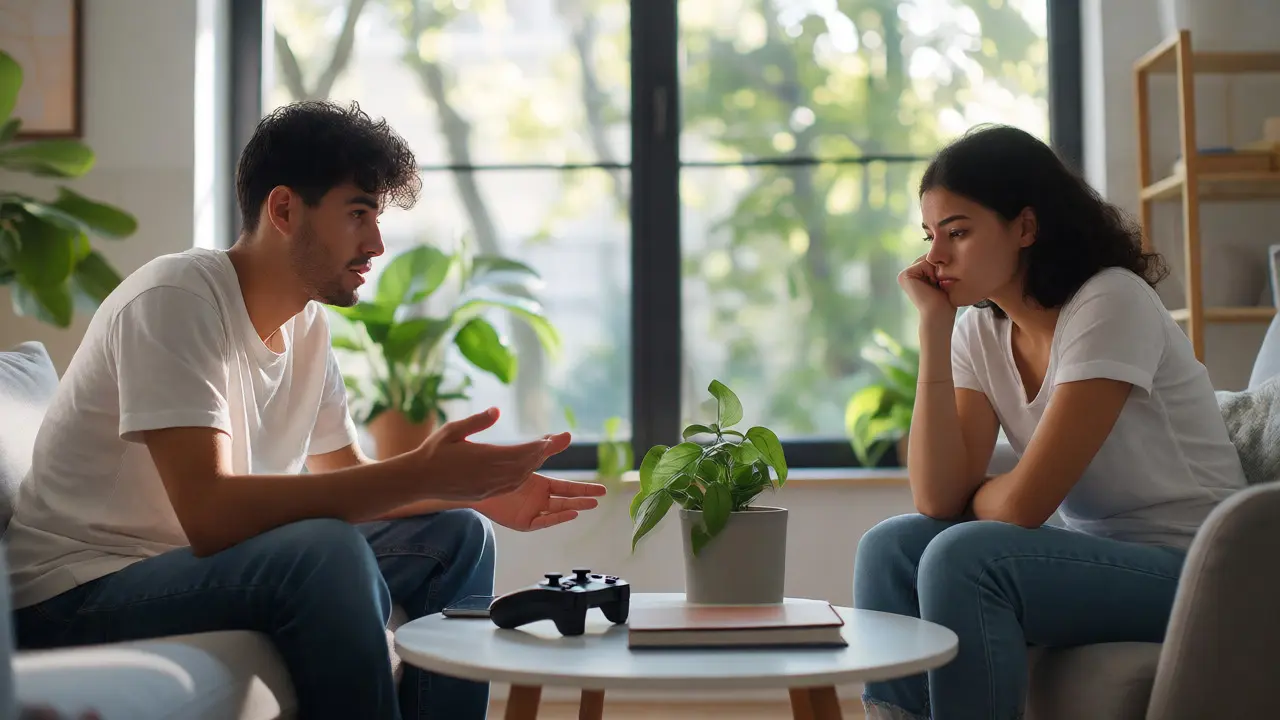
Treatment Approaches Tailored to Gender
One-size-fits-all treatment fails. Therapists are now adapting Cognitive Behavioral Therapy (CBT) to address gender-specific triggers.
For men, therapy often focuses on building real-world achievement pathways. If gaming provides status, therapists help clients find equivalent sources of pride in sports, career goals, or hobbies. Addressing underlying ADHD is also critical, as stimulant medication can sometimes reduce the urge to escape into hyper-focused gaming states.
For women, treatment emphasizes rebuilding offline social networks and addressing perfectionism. Since social connection is a key driver, isolating the gamer completely can backfire. Instead, therapists encourage joining local clubs or groups that satisfy the need for community without the screen. Mindfulness techniques help manage the anxiety of "missing out" on in-game events.
How to Spot the Early Warning Signs
Whether you are worried about yourself or someone else, keep an eye out for these red flags. They apply across genders, but context matters.
- Loss of Interest: Hobbies you once loved now feel boring compared to gaming.
- Lying About Time: You say you played for an hour, but it was five.
- Mood Swings: Irritability or sadness when you cannot play.
- Neglected Hygiene: Skipping showers or meals to stay logged in.
- Financial Strain: Credit card bills spike due to microtransactions.
- Social Withdrawal: Declining invitations to hang out in person.
If you notice three or more of these persisting for over 12 months, consider seeking professional help. Early intervention prevents the disorder from cementing itself.
The Future of Gaming and Gender
As we move further into 2026, the landscape will continue to shift. Virtual Reality (VR) and Augmented Reality (AR) are becoming mainstream. These technologies offer deeper immersion, which could increase addiction risks for both genders. VR games, in particular, blur the line between reality and fantasy more intensely than flat screens.
Developers are also starting to recognize the economic power of female gamers. More games are being designed with social and narrative depth, appealing to a broader audience. This diversification means addiction patterns will become even more complex. We cannot rely on old stereotypes to predict who needs help.
Ultimately, gaming disorder is a human issue, not just a male one. The data shows us that anyone can get hooked. Understanding the gender nuances helps us respond with empathy rather than judgment. Whether you are fighting the urge to play one more match or helping a loved one step away, knowledge is your best tool.
Is gaming disorder officially recognized as a disease?
Yes. The World Health Organization included Gaming Disorder in the International Classification of Diseases (ICD-11) in 2019. It is classified as a behavioral addiction, similar to gambling disorder. However, some countries and medical associations debate its inclusion, so acceptance varies by region.
Why do more men have gaming disorder than women?
Historically, men have dominated genres with high addiction potential, such as competitive shooters and MOBAs. These games use mechanics like ranking systems and loot boxes that trigger strong dopamine responses linked to status and reward. Women are increasingly affected, particularly through mobile and social games, but the overall diagnosis rate remains higher for men.
Can mobile gaming cause addiction?
Absolutely. Mobile games are designed for short, frequent sessions that add up to hours daily. Features like daily login bonuses, energy limits, and push notifications create habitual checking behaviors. For many users, especially women, mobile gaming serves as a constant companion, leading to compulsive usage patterns.
What are the physical health effects of gaming disorder?
Common physical issues include repetitive strain injuries (like carpal tunnel), chronic back and neck pain, eye strain, and sleep disturbances. Poor hygiene and irregular eating habits are also frequent. Long-term sedentary behavior increases the risk of obesity and cardiovascular problems.
How is gaming disorder treated?
Treatment typically involves Cognitive Behavioral Therapy (CBT) to identify triggers and change behaviors. Family therapy can help repair relationships strained by addiction. In some cases, medication for underlying conditions like ADHD or depression is prescribed. Support groups and digital detox programs are also effective tools.
Does playing video games always lead to addiction?
No. Most gamers play recreationally without developing a disorder. Addiction is defined by negative consequences and loss of control. If gaming interferes with work, school, relationships, or health, it may be a disorder. Healthy gaming balances play with other life responsibilities.