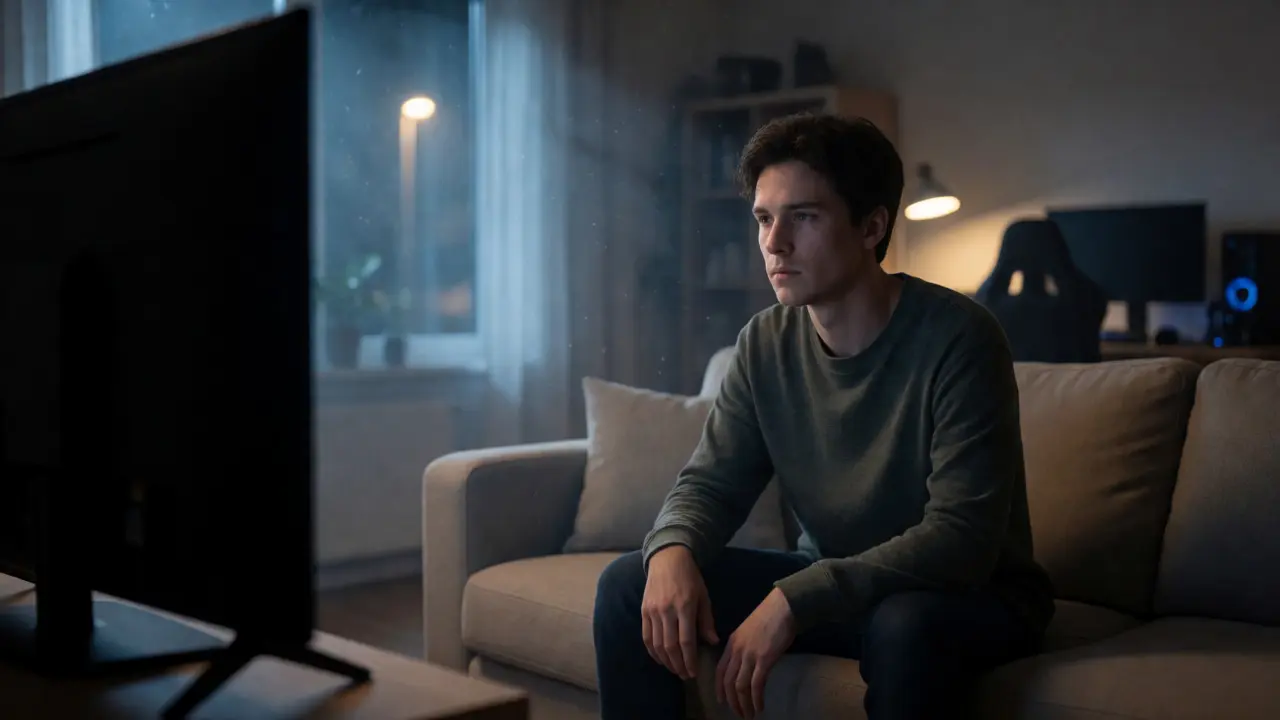
You quit. Maybe you deleted League of Legends or uninstalled Steam. You told yourself you’d finally read that book, learn guitar, or just enjoy silence. But three days later, you’re sitting on your couch, staring at the wall, feeling a hollow ache in your chest. It’s not sadness exactly; it’s something heavier. It’s the crushing weight of unstructured time.
This is the most common trap for people recovering from heavy gaming habits. We think boredom is the enemy. We think if we feel bored, we’ve failed. But here’s the truth: boredom is actually the withdrawal symptom of a high-stimulation lifestyle. Your brain spent years getting hit with constant dopamine spikes from loot boxes, level-ups, and competitive wins. Now, real life feels gray by comparison. Handling this isn’t about forcing yourself to be productive immediately. It’s about learning to sit in the discomfort until your baseline resets.
The Dopamine Crash Explained
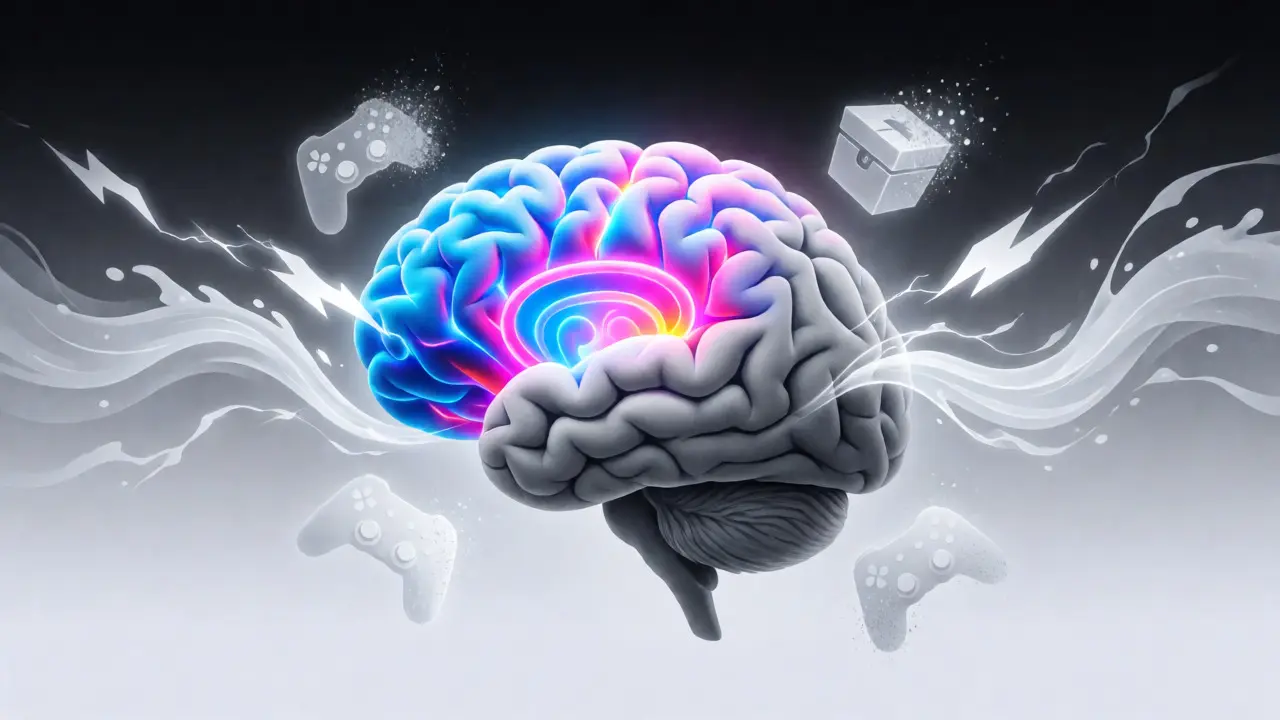
To understand why you feel so empty, you have to look at what happens in your brain when you stop gaming. Video games are engineered to provide variable rewards-sometimes you win, sometimes you lose, but you always get feedback. This keeps your dopamine system firing constantly. When you quit cold turkey, those spikes disappear overnight.
Think of it like turning off a loud radio in a quiet room. Suddenly, the silence is deafening. In psychological terms, this is called anhedonia, a temporary inability to feel pleasure from normal activities. Reading a book feels slow. Walking outside feels pointless. Cleaning your apartment feels tedious. These aren’t signs that you’re broken; they’re signs that your sensitivity levels are recalibrating. The first two weeks are usually the hardest because your brain is screaming for its old fix.
You might find yourself reaching for your phone every five minutes, scrolling through social media just to fill the void. This is a danger zone. If you replace gaming with doom-scrolling, you haven’t solved the boredom problem; you’ve just swapped one high-stimulation habit for another. The goal isn’t to stay busy every second. The goal is to lower your stimulation threshold so that ordinary life becomes interesting again.
Distinguishing Boredom from Loneliness
A lot of gamers use games as a social crutch. Multiplayer titles like Fortnite or World of Warcraft aren’t just about gameplay; they’re digital hangouts. When you quit, you don’t just lose the game-you lose your community. Many people mistake this loss of connection for boredom.
Ask yourself this: Are you bored, or are you lonely? If you crave the chatter of Discord servers or the banter of a squad, pure solitude will feel punishing. In these cases, isolation makes boredom worse. You need low-pressure social interaction that doesn’t involve screens. Join a local board game group, sign up for a recreational sports league, or even just work out at a gym where you see the same faces regularly. Replacing digital camaraderie with physical presence helps bridge the gap faster than trying to white-knuckle it alone.
The "Do Nothing" Protocol
Most advice tells you to pick up a new hobby immediately. Don’t. That’s setting yourself up for failure. If you try to learn piano on day one while your brain is craving quick hits of satisfaction, you’ll quit piano too. Instead, try the "Do Nothing" protocol for the first week.
This means allowing yourself to be genuinely bored without acting on it. Sit on your porch. Stare out the window. Take a walk without headphones. Let your mind wander. At first, this will feel agonizing. Your brain will itch for input. But eventually, something shifts. You start noticing the way light hits the trees. You hear birds you never noticed before. This process, often called dopamine fasting, resets your baseline. It teaches your brain that low-stimulation environments are safe and can actually be pleasant.
- Rule 1: No phones during "do nothing" time.
- Rule 2: Set a timer for 15 minutes. Just survive the first 15.
- Rule 3: Do not judge the experience. It’s okay if it feels weird.
Rebuilding Routine Through Micro-Habits
Gaming provided structure. You knew exactly when to log on, how long to play, and what to do next. Real life is ambiguous. Without that clear loop, decision fatigue sets in quickly. You don’t need a massive life overhaul; you need micro-habits that require zero willpower.
Start with physical movement. Exercise is the most effective natural antidote to the lethargy that follows quitting games. It releases endorphins and regulates mood. You don’t need to run a marathon. Commit to ten push-ups every morning. Or take a ten-minute walk after dinner. These small actions create momentum. They prove to your brain that you can complete tasks and feel good afterward, albeit slower than a video game reward.
Another powerful tool is journaling. Not poetic writing, just bullet points. Write down three things you did today. Write down how you felt. This externalizes the chaos in your head. When you see that you actually did make your bed, cooked a meal, and went for a walk, the feeling of wasted time diminishes. You realize you weren’t idle; you were just living at human speed instead of gamer speed.
Finding Analog Hobbies That Stick
Once the initial shock wears off (usually around the 30-day mark), you’ll be ready for engagement. But choose carefully. Avoid hobbies that mimic the high-frequency feedback loops of gaming. For example, if you quit fast-paced shooters, playing mobile puzzle games might trigger the same addictive pathways. Instead, look for hobbies with delayed gratification and tangible results.
Cooking is excellent because it engages multiple senses and has a clear start and finish. Gardening works well because it forces patience-you can’t rush a tomato plant. Woodworking or knitting provides tactile satisfaction and a physical object to show for your effort. These activities rebuild your attention span. They teach you to focus on one thing for a longer period without needing constant validation.
| Activity Type | Dopamine Profile | Best For | Risk Factor |
|---|---|---|---|
| Social Media Scrolling | High Frequency / Low Value | Maintaining connections | Relapse into screen addiction |
| Video Games (New Genre) | Very High / Immediate | Transition phase only | Replacing one game with another |
| Physical Exercise | Medium / Delayed | Mood regulation & energy | Burnout if overdone |
| Creative Hobbies (Art/Writing) | Low / Long-term | Self-expression & flow state | Frustration with skill gap |
| Nature Walks | Low / Calming | Resetting attention span | Feels "boring" initially |

Dealing with Triggers and Cravings
Cravings don’t happen randomly. They are triggered by cues. Maybe it’s coming home from work and seeing your controller on the desk. Maybe it’s Friday night when you used to raid with friends. Identify your specific triggers and change the environment.
If your PC is the source of temptation, uninstall the launcher. Make the barrier to entry higher. If you play console, put the controllers in a drawer in another room. Out of sight really does help out of mind. Also, anticipate the emotional states that lead to gaming. Were you using games to avoid stress? To numb anxiety? If so, you need alternative coping mechanisms. Deep breathing exercises, meditation apps, or simply talking to a friend can serve as substitutes for the escapism games provided.
Remember, relapse isn’t failure. If you play one session of a game and enjoy it, you haven’t ruined your progress. The danger is the spiral back into daily play. Treat gaming like alcohol: some people can handle moderation, but for many, total abstinence is safer while the brain heals. Be honest with yourself about which category you fall into.
The Long-Term Payoff
It takes about 90 days for your dopamine receptors to fully reset. By month three, things change. Food tastes better. Conversations feel deeper. You start enjoying music more intensely. This is the payoff. You regain the ability to derive joy from simple, everyday experiences that gamers often overlook.
Handling boredom after quitting video games isn’t about filling every second with activity. It’s about reclaiming your capacity to be present. The boredom you fear is actually the space where your real life begins. Embrace the silence. It’s louder than you think, but it’s also clearer.
How long does the boredom last after quitting video games?
Typically, the acute phase of boredom and irritability lasts 2 to 4 weeks. However, full neurochemical rebalancing can take up to 90 days. During the first month, boredom feels intense and painful. By the third month, most people report finding interest in non-digital activities again.
Is it bad to feel bored after stopping gaming?
No, it is a normal physiological response. Gaming provides high levels of artificial stimulation. When removed, the brain perceives normal life as under-stimulated. Feeling bored is a sign that your brain is adjusting to natural reward levels, not a sign of depression or failure.
What should I do instead of gaming when I'm bored?
In the beginning, do less rather than more. Try "active rest" like walking, stretching, or sitting quietly. Avoid replacing gaming with other high-dopamine activities like TikTok or binge-watching TV. Once the initial withdrawal passes, engage in analog hobbies like reading, cooking, or exercise that offer delayed gratification.
Can I still play games occasionally after quitting?
This depends on your relationship with gaming. For those with addictive tendencies, strict abstinence is often recommended for at least 6-12 months to allow full brain healing. Others may transition to casual gaming with strict time limits. Monitor if one session leads to a desire for another; if so, stick to abstinence.
Why do I feel depressed when I stop playing games?
Gaming often serves as a coping mechanism for stress, loneliness, or lack of purpose. Removing it leaves those underlying issues exposed. Additionally, the drop in dopamine can cause temporary symptoms resembling depression, such as low energy and lack of motivation. These usually lift as your baseline resets.