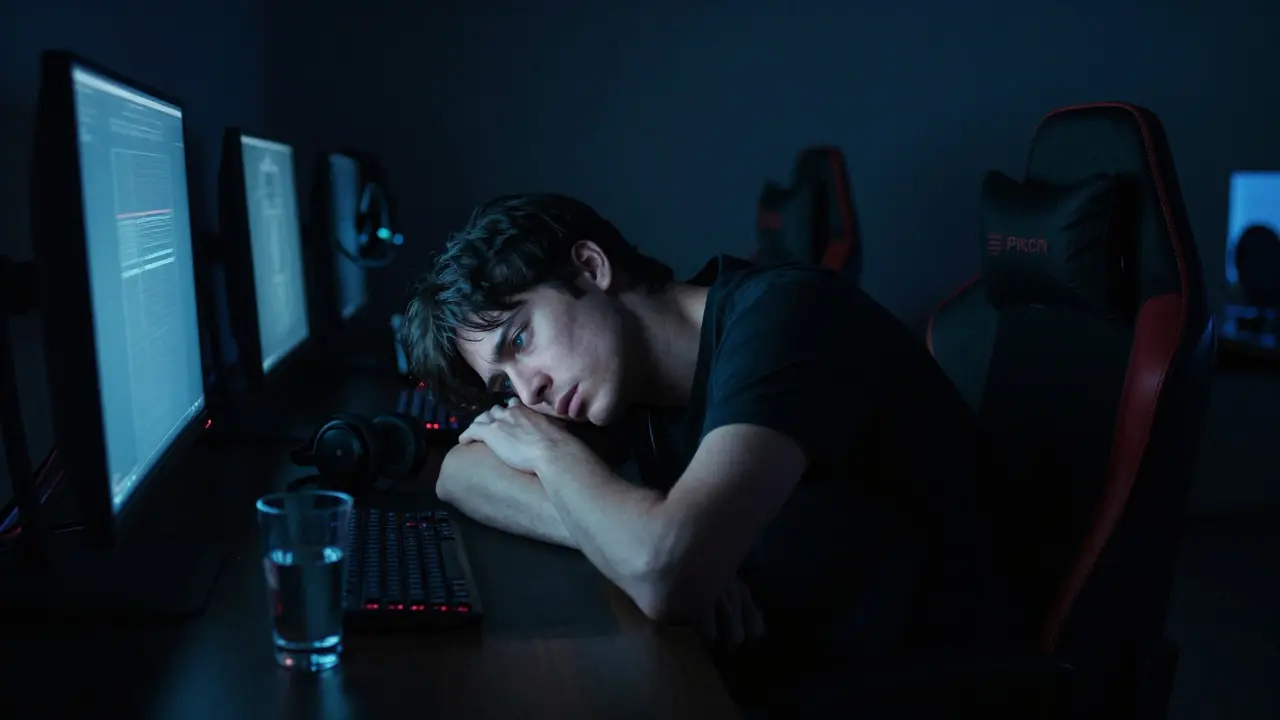
You’re staring at a screen at 3 AM. Your eyes burn, your back aches, and you feel a low-grade panic that you’ve missed too much of the real world. This isn’t just bad sleep hygiene; it’s a signal that your relationship with gaming has shifted from leisure to risk. Harm reduction services offer a practical middle ground between doing nothing and full clinical intervention. They don’t require you to quit cold turkey or admit defeat. Instead, they provide immediate tools to lower the damage while keeping the fun alive.
Most people think about gaming problems in black-and-white terms: either you’re a casual player or you have an addiction. Reality is messier. You might play for eight hours on weekends but function fine on weekdays. Or you might play four hours daily but miss important family events. Harm reduction focuses on minimizing negative outcomes-physical pain, social isolation, financial strain, and mental fatigue-without demanding total abstinence. It’s about making the behavior less harmful, right now.
What Are Harm Reduction Services in Gaming?
Harm reduction services are a set of strategies and professional supports designed to minimize the adverse effects of risky behaviors without requiring complete cessation. In the context of gaming, this includes digital wellness coaching, cognitive-behavioral techniques tailored for screen time, and peer support groups. Unlike traditional therapy that might aim to eliminate the behavior, harm reduction accepts that gaming is part of your life and works to make it safer.
These services typically fall into three categories:
- Self-guided tools: Apps and trackers that monitor playtime, posture, and break frequency.
- Professional coaching: One-on-one sessions with behavioral health specialists who understand gaming culture.
- Community support: Groups where players share strategies for balancing play with other life responsibilities.
The key difference from standard treatment is the goal. You aren’t trying to stop playing. You’re trying to stop the game from stopping *you* from living well.
Identifying the Immediate Risks
Before you can reduce harm, you need to know what kind of harm you’re dealing with. Gaming impacts different parts of your life in distinct ways. Here’s how to spot the specific damage occurring in your current routine:
| Category | Specific Harm | Immediate Indicator |
|---|---|---|
| Physical | Musculoskeletal pain | Wrist, neck, or lower back pain lasting more than 24 hours after play |
| Visual | Digital eye strain | Blurred vision or headaches within 2 hours of continuous play |
| Social | Isolation | Cancelling plans with friends/family twice in one week due to gaming |
| Financial | Overspending | Buying in-game items you didn’t plan on, leading to budget stress |
| Psychological | Irritability | Feeling angry or anxious when forced to pause a game session |
If you checked off two or more indicators, you don’t need a diagnosis. You need a strategy. The goal is to address these specific leaks before they become structural failures in your daily life.
Practical Steps for Immediate Relief
You don’t need a therapist’s appointment to start reducing harm today. These steps are based on principles from occupational therapy and behavioral psychology, adapted for gamers.
- Implement the 20-20-20 Rule: Every 20 minutes, look at something 20 feet away for 20 seconds. This reduces eye strain significantly. Set a timer if you have to. Your brain will resist, but your eyes will thank you.
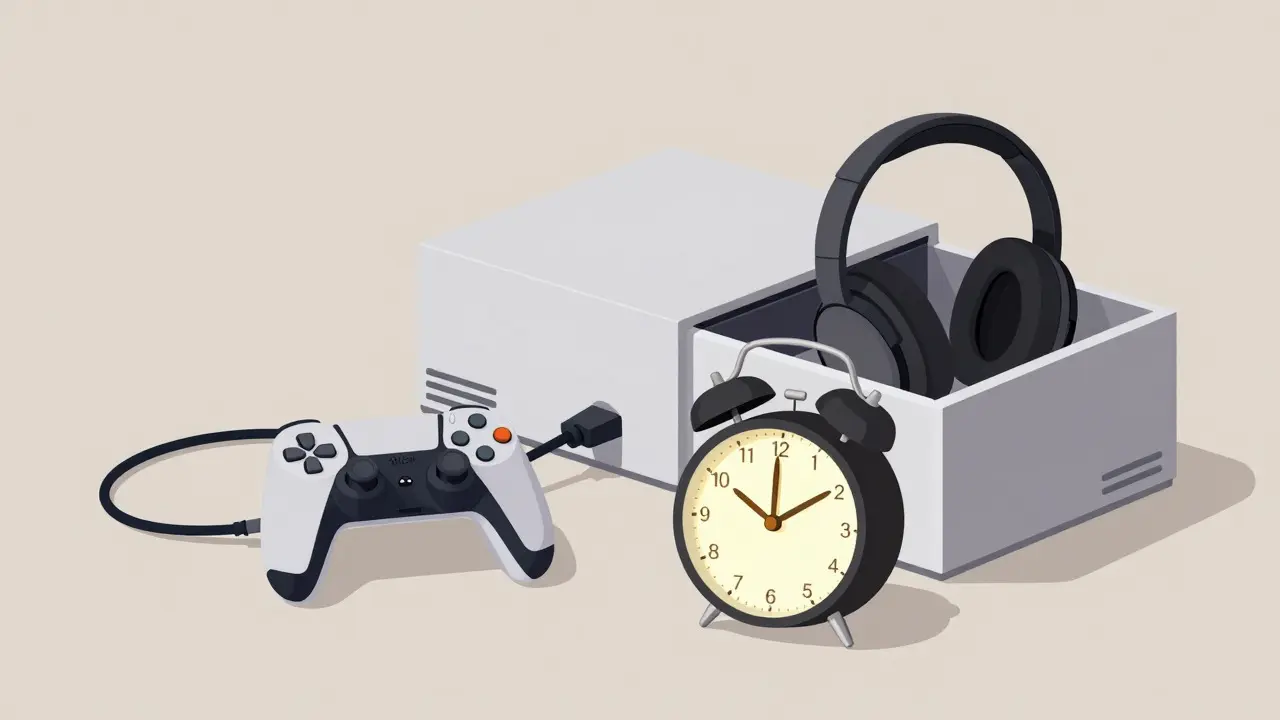
- Set Hard Stop Times, Not Soft Goals: “I’ll play until I finish this match” is a trap. “I will stop at 10 PM” is a rule. Use a physical alarm clock, not your phone, so you don’t get distracted by notifications. When it rings, save and close the app. No exceptions for the first week.
- Create a Friction Barrier: Make it slightly harder to start playing. Unplug your controller. Put your headset in a drawer. Log out of your accounts. These small hurdles give your prefrontal cortex time to ask, “Do I really want to do this right now?”
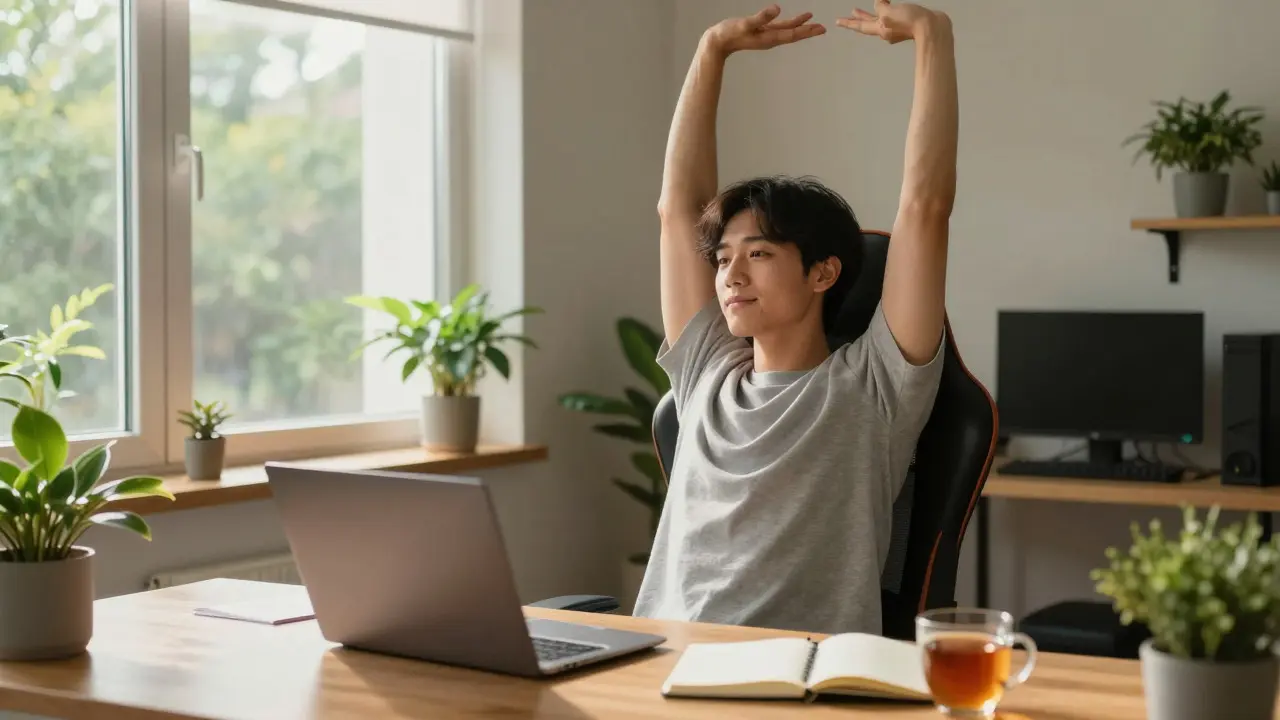
- Pair Gaming with Physical Movement: Stand up every hour. Stretch your wrists. Walk around the room. If you sit for long periods, your circulation slows down, which contributes to both physical pain and brain fog.
These aren’t perfect solutions, but they create space. And space is where change happens.
When to Seek Professional Support
Sometimes, self-discipline isn’t enough. That’s okay. It doesn’t mean you’re weak; it means the system is complex. Consider reaching out to a professional if:
- You’ve tried setting limits for more than two weeks and failed consistently.
- Gaming is interfering with work performance, school grades, or major relationships.
- You feel depressed or anxious most days, and gaming is your primary coping mechanism.
- You experience withdrawal symptoms (irritability, restlessness) when not playing.
Look for providers who specialize in Digital Wellness Coaching or behavioral health professionals trained in adolescent and adult gaming disorders. Avoid clinicians who dismiss gaming as “just a hobby.” You need someone who understands the mechanics of engagement and reward loops.
Building a Sustainable Routine
Harm reduction isn’t a one-time fix. It’s a maintenance task. Think of it like brushing your teeth. You don’t brush once and never again. You integrate it into your day.
Start small. Pick one habit from the list above. Do it for seven days. Then add another. Over time, these small adjustments compound. You’ll find that you’re still enjoying games, but the cost is lower. Your back hurts less. You see more of your friends. You sleep better. The game is still there, but it no longer owns your calendar.
This approach respects your autonomy. It doesn’t label you as broken. It acknowledges that technology is powerful and that managing it requires skill. And skills can be learned.
Frequently Asked Questions
Is harm reduction only for people with severe addiction?
No. Harm reduction is for anyone experiencing negative consequences from their behavior. Whether you play 2 hours or 12 hours, if it’s causing pain, stress, or conflict, harm reduction strategies can help. It’s a spectrum, not a binary.
Do I need to quit gaming to benefit from harm reduction?
No. The core principle of harm reduction is that you don’t have to stop the behavior to reduce its impact. You can continue playing while implementing limits, breaks, and healthier habits. The goal is balance, not elimination.
How quickly can I see results from these strategies?
Physical improvements like reduced eye strain or back pain often occur within 3-7 days of consistent practice. Behavioral changes like better time management may take 2-4 weeks to become automatic. Patience is key, but early wins are common.
Where can I find a gaming-specific counselor?
Look for licensed therapists or coaches who list “gaming disorder,” “digital wellness,” or “screen time management” as specialties. Online directories for behavioral health professionals often allow you to filter by specialty. Peer support groups online can also be a starting point.
What if my family thinks I should just quit?
Communication helps. Explain that you’re not trying to hide the problem, but you’re looking for a sustainable solution rather than a drastic one. Show them the concrete steps you’re taking (like setting timers or taking breaks). Often, seeing proactive effort reduces family tension.