
Most people think of addiction as a personal failure or a genetic lottery ticket. But if you look at the data from the last decade, a different picture emerges. Peer relationships are often the single strongest predictor of whether someone stays sober or relapses. It’s not just about having friends; it’s about the quality of those connections. When your social circle supports your goals, your brain literally processes stress differently. This article breaks down how to build that protective network and why it matters more than willpower.
The Science of Social Buffering
Your brain doesn’t operate in a vacuum. When you face a trigger-say, a stressful day at work or a boring weekend-the amygdala fires up. If you’re isolated, that signal travels straight to the prefrontal cortex, which might say, "Grab a drink." But when you have a supportive peer group, the hippocampus gets involved. It contextualizes the stress. Research from the National Institute on Drug Abuse suggests that strong social bonds reduce the reactivity of the reward system, making the "high" less appealing compared to the comfort of connection.
This is known as social buffering. It’s the physiological effect where the presence of a trusted friend lowers cortisol levels. In practical terms, this means your body is less likely to seek external chemicals to regulate its mood. You become self-regulating through interaction rather than substance.
Identifying Your Protective Network
Not all friends are equal in their protective power. You need to audit your current circle. Who lifts you up? Who drains you? A protective network usually has three key components:
- Accountability Partners: People who know your goals and check in without judgment. They don’t police you; they remind you of your "why."
- Shared Interest Groups: Communities based on hobbies like hiking, coding, or art. These provide structure and purpose outside of work.
- Recovery-Specific Peers: Individuals with lived experience in recovery. Their understanding removes the shame spiral that often precedes relapse.
If your circle consists mostly of people who use substances casually, your risk profile spikes. It’s not about judging them, but about recognizing that their normalcy becomes your exception. Diversify your inputs.

Building Resilience Through Connection
How do you actually build these bonds? It starts with vulnerability. Many people fear that opening up about their struggles will make them weak. The opposite is true. Shared vulnerability creates rapid trust. Try joining a local meetup group in Portland focused on mindfulness or outdoor activities. These low-stakes environments allow for natural bonding without the pressure of immediate deep disclosure.
Active listening is another critical skill. When a friend shares a problem, resist the urge to fix it immediately. Often, they just need to feel heard. This practice strengthens the neural pathways associated with empathy, making your relationship more resilient during crises.
Navigating Conflict Without Relapse
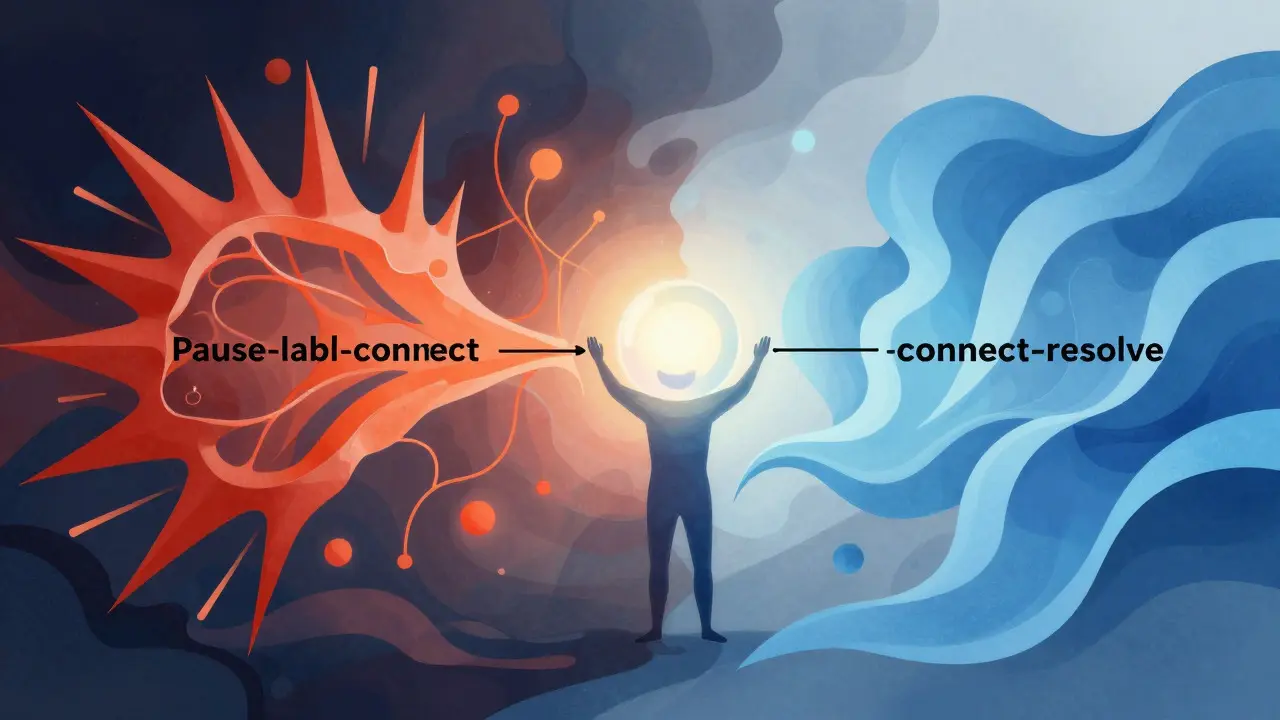
Even the best friendships have friction. Conflict is a major trigger for relapse because it feels like abandonment. Here is a simple framework to handle disputes within your support circle:
- Pause: Take 24 hours before responding to a hurtful comment.
- Label: Identify the specific emotion (anger, fear, sadness) rather than the behavior.
- Connect: Reach out to a different member of your network to get perspective.
- Resolve: Approach the conflict with curiosity, not accusation.
This process prevents one bad conversation from unraveling your entire support system. It treats the relationship as an asset to be maintained, not a liability to be avoided.
Comparison: Isolation vs. Integration
| Factor | Isolated Individual | Integrated Peer Group |
|---|---|---|
| Cortisol Response | Elevated and sustained | Rapid reduction via oxytocin |
| Trigger Management | Internal rumination | External validation and distraction |
| Relapse Risk | High (3x higher per studies) | Moderate to Low |
| Long-term Maintenance | Dependent on willpower | Supported by community norms |
Practical Steps for Today
You don’t need to overhaul your life overnight. Start small. Send one text to a friend who makes you feel safe. Join one online forum related to your interests. Set a boundary with one person who consistently drags you back into old habits. Each action reinforces the neural pathway that says, "I am supported." Over time, this shifts your identity from "someone fighting addiction" to "someone living a connected life." That shift is where lasting change happens.
How many friends do I need for effective protection?
Quality over quantity. Having two to three deeply trusting friends is more effective than ten superficial acquaintances. Depth allows for real emotional regulation.
What if my only friends are also in recovery?
That’s great, but try to diversify. Having non-recovery friends provides a bridge to normal social activities and prevents your entire world from revolving around sobriety alone.
Does online friendship count as social support?
Yes, especially for introverts or those in rural areas. Online communities can provide accountability and shared experience, though in-person interaction remains stronger for physical stress reduction.
How do I handle a friend who triggers me?
Assess if the trigger is the person or the situation. If it’s the person, set boundaries or distance yourself temporarily. If it’s the situation, use the pause-label-connect-resolve framework to manage the reaction.
Can family relationships replace peer support?
Family is crucial, but peers offer a unique dynamic: chosen connection. Unlike family, you selected your friends based on compatibility, which often leads to less historical baggage and more aligned values.