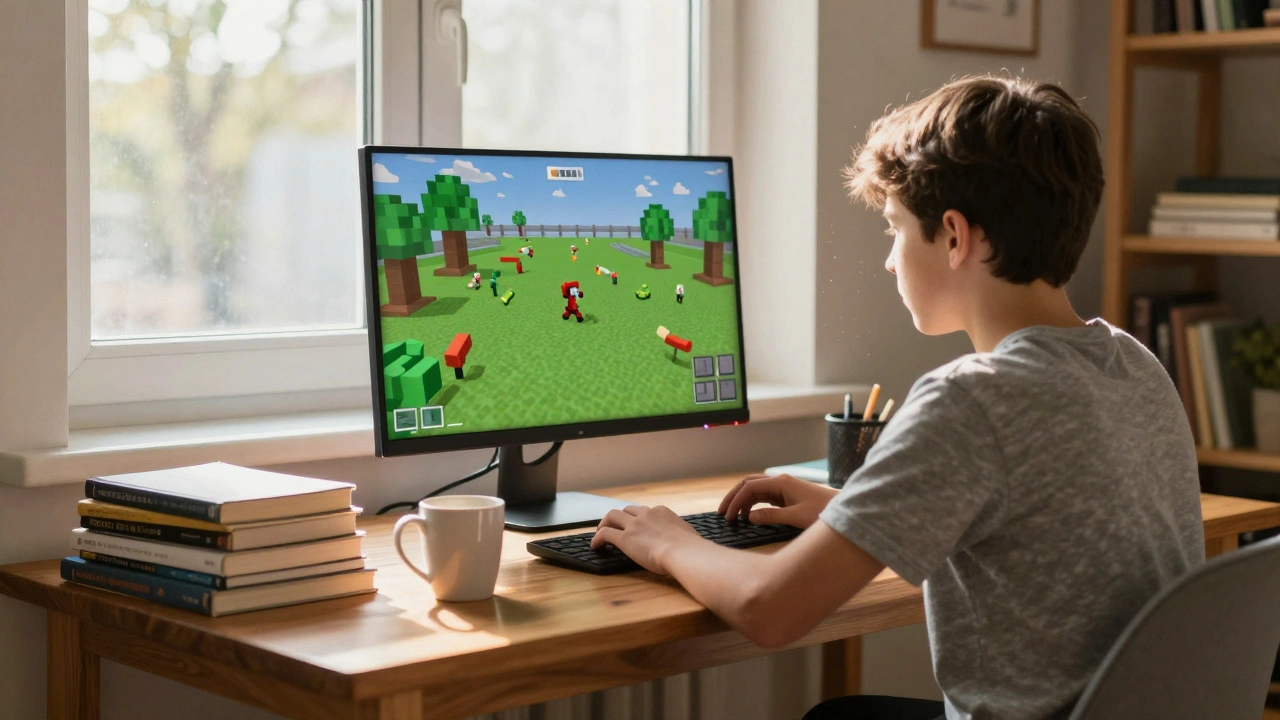
You wake up at 9 AM. Your child is already logged into a multiplayer shooter or a complex strategy game. In a traditional school setting, this would be a major red flag-a sign of distraction and wasted time. But in your homeschool environment, the rules are different. You have the freedom to design the day, but that freedom comes with a heavy responsibility: how do you distinguish between productive engagement and harmful addiction?
This is the central tension for modern homeschoolers. Video games are no longer just toys; they are social hubs, creative sandboxes, and sometimes, even learning tools. Yet, without the rigid structure of a school bell, it’s easy for gaming to consume the entire day. The goal isn’t to ban games-that’s unrealistic and often counterproductive-but to build a framework where gaming complements education rather than cannibalizing it.
Is gaming compatible with homeschooling?
Yes, when managed intentionally. Many homeschoolers use games to teach logic, history, and collaboration. The key is treating gaming as an activity with boundaries, not a default state of being.
Understanding the Appeal: Why Kids Game
To set limits, you first need to understand why your child is drawn to the screen. It’s rarely just about "killing time." For many teenagers and pre-teens, online gaming is their primary social outlet. When their friends are playing Minecraft, which is a sandbox video game that allows players to explore, build, and survive in a blocky world or Fortnite, which is a popular battle royale game known for its building mechanics and cultural relevance among youth, opting out means social isolation.
Consider the psychological rewards. Games provide immediate feedback loops. You press a button, something happens. You solve a puzzle, you get a reward. Traditional schooling, especially math or essay writing, offers delayed gratification. A grade might come back weeks later. This contrast makes gaming incredibly sticky. If you simply take the controller away without addressing this need for agency and achievement, you’ll face resistance.
Furthermore, some games actually support cognitive development. Strategy games like Civilization VI, which is a turn-based strategy game that teaches historical context, resource management, and long-term planning, require critical thinking. Creative modes in various titles foster spatial reasoning. Acknowledging these benefits helps you approach gaming not as the enemy, but as a tool that needs calibration.
The Danger of Unstructured Freedom
Homeschooling promises flexibility, but flexibility can quickly turn into chaos if there are no guardrails. The biggest risk is the "blurred line" effect. In a traditional school day, the transition from "work" to "play" is clear. The bus ride home signals the end of academic obligations. At home, the kitchen table is both the math desk and the lunch spot. The computer is used for research and then immediately for gaming.
Without physical separation of spaces and times, children struggle to switch contexts. They may spend four hours on a single quest because they lost track of time, leaving only thirty minutes for reading comprehension before dinner. This isn’t laziness; it’s poor executive function, which is still developing in young brains.
Another hidden cost is the displacement of other essential activities. Physical movement, face-to-face social interaction, and unstructured creative play (like drawing or building with Legos) suffer when screens dominate. If your child’s only exercise is walking to the fridge and their only conversation is with teammates in another time zone, the homeschool advantage is being eroded.

Building a Framework: Practical Strategies for Balance
So, how do you create structure without becoming the "bad guy"? The answer lies in co-creation and clear contracts. Instead of imposing arbitrary limits, involve your child in designing the schedule. This builds buy-in and teaches negotiation skills.
- Define "Work Blocks": Establish specific hours for core academics. During these blocks, devices used for learning should have gaming apps disabled or inaccessible. Use browser extensions or parental controls to enforce this.
- Create Transition Rituals: Since there’s no school bell, create your own. A short walk outside, a snack break, or a five-minute stretch session can signal the shift from academic mode to leisure mode.
- Use Gaming as a Reward, Not a Right: Make gaming contingent on completing non-negotiable tasks. This isn’t about punishment; it’s about teaching prioritization. "First math, then Minecraft" is a simple, effective heuristic.
- Schedule Social Gaming: If your child games primarily for friends, schedule those sessions. "You can join your squad from 4 PM to 6 PM on Tuesdays and Thursdays." This respects their social needs while containing the activity within specific windows.
Consistency is crucial. If you allow gaming during work hours one day because you’re busy, you undermine the boundary the next day. Your child will learn that the rules are flexible based on your mood, not based on a stable system.
Educational Integration: Turning Play into Learning
Why fight the medium when you can harness it? One of the greatest strengths of homeschooling is the ability to integrate interests into curriculum. If your child loves gaming, lean into it.
For example, if they are obsessed with Rocket League, which is a vehicular soccer video game that involves physics and teamwork, use it to teach physics concepts. Discuss velocity, momentum, and angles. If they love Stardew Valley, which is a farming simulation game that involves economics, resource management, and seasonal cycles, use it to discuss agriculture, supply and demand, and budgeting.
You can also encourage content creation. Ask your child to write a review of a game, create a guide for new players, or stream their gameplay. These activities require writing, editing, public speaking, and technical setup. Suddenly, gaming becomes a project that exercises multiple academic muscles.
| Gaming Type | Educational Value | Risk Factor | Recommended Approach |
|---|---|---|---|
| Sandbox/Creative (e.g., Minecraft) | High (Spatial reasoning, creativity) | Medium (Time loss) | Set time limits; assign building projects |
| Competitive/Multiplayer (e.g., Fortnite) | Low (Social skills, reflexes) | High (Addiction, toxicity) | Strict time windows; monitor chat interactions |
| Strategy/Simulation (e.g., Civilization) | High (History, logic, planning) | Low (Engagement depth) | Integrate with history lessons; discuss decisions |
| Narrative/RPG (e.g., Zelda) | Medium (Story analysis, problem-solving) | Low (Pacing control) | Discuss plot themes; use for reading comprehension |
Monitoring Mental Health and Screen Time
Beyond academics, you must watch for signs of unhealthy attachment. Is your child irritable when asked to stop? Do they neglect personal hygiene or sleep? Are they withdrawing from offline hobbies?
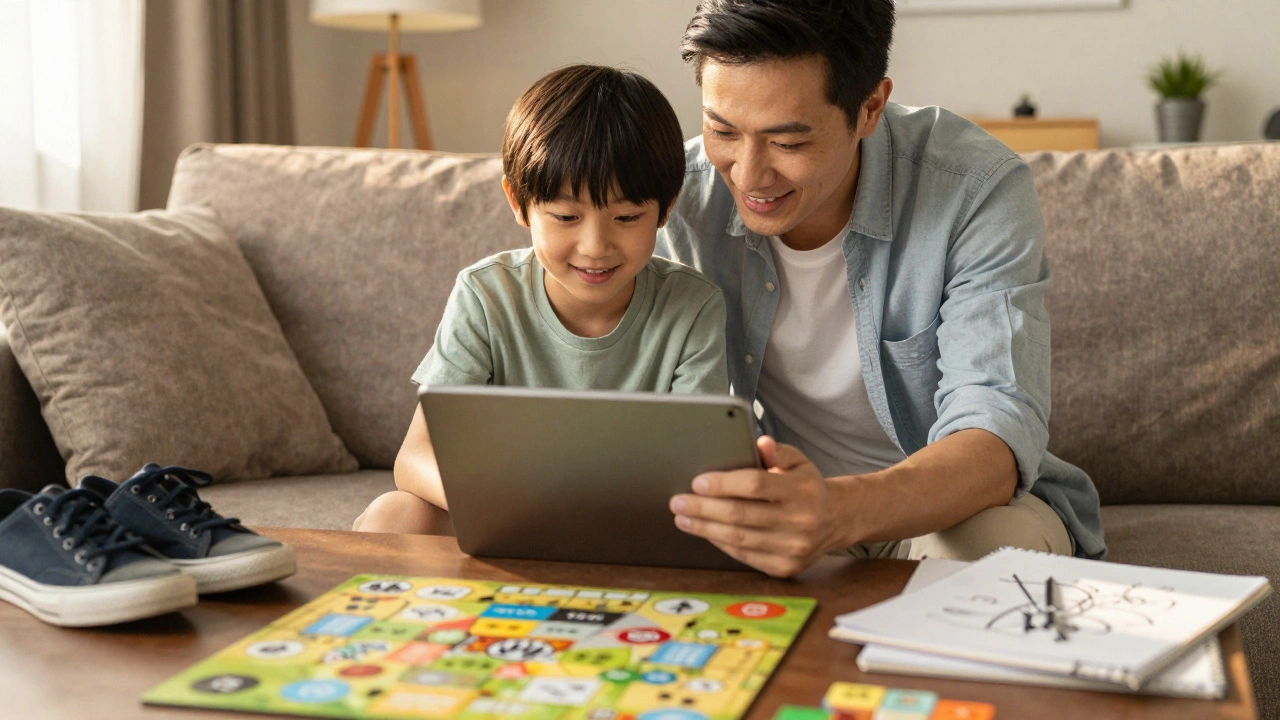
These are warning signs. In these cases, gentle intervention is needed. Consider a "digital detox" weekend where all screens are off. Replace gaming time with outdoor activities, board games, or family projects. The goal is to rediscover joy in non-digital experiences.
Also, be mindful of the content. Violent or highly competitive games can increase aggression or anxiety in sensitive children. Know what your child is playing. Join them occasionally. Playing together breaks down the barrier between parent and child and gives you firsthand insight into the game’s culture and mechanics.
Adapting as They Grow
The rules that work for a 10-year-old won’t work for a 15-year-old. As your child matures, shift from external control to internal regulation. Teach them to self-monitor. Ask them to estimate how long they’ve been playing and compare it to reality. Discuss the impact of gaming on their mood and productivity.
By high school, the focus should be on balancing gaming with college prep, part-time jobs, or extracurriculars. The ultimate goal is to raise a young adult who can enjoy technology responsibly without letting it dictate their life. This balance is a skill they will carry into their careers and relationships.
How much screen time is too much for a homeschooled child?
There is no universal number, but a good rule of thumb is that recreational screen time should not exceed the time spent on active learning and physical activity combined. For younger children, aim for under 2 hours; for teens, focus on quality and balance rather than strict minutes.
Can video games help with social skills in homeschooling?
Yes, cooperative games require communication, teamwork, and conflict resolution. However, online interactions lack non-verbal cues. Supplement online gaming with in-person social activities to ensure well-rounded social development.
What if my child refuses to stop gaming?
Stay calm and firm. Remind them of the agreed-upon schedule. If tantrums occur, avoid negotiating in the moment. Address the behavior later by reinforcing the importance of keeping commitments and managing transitions.
Are there educational games worth using?
Absolutely. Games like Kerbal Space Program teach physics, while Duolingo gamifies language learning. Look for games that align with your curriculum goals and offer progressive difficulty levels.
How do I prevent gaming from replacing homework?
Establish a "no gaming until homework is done" policy. Use visual schedules to make expectations clear. Consider using apps that block gaming sites during designated study hours.