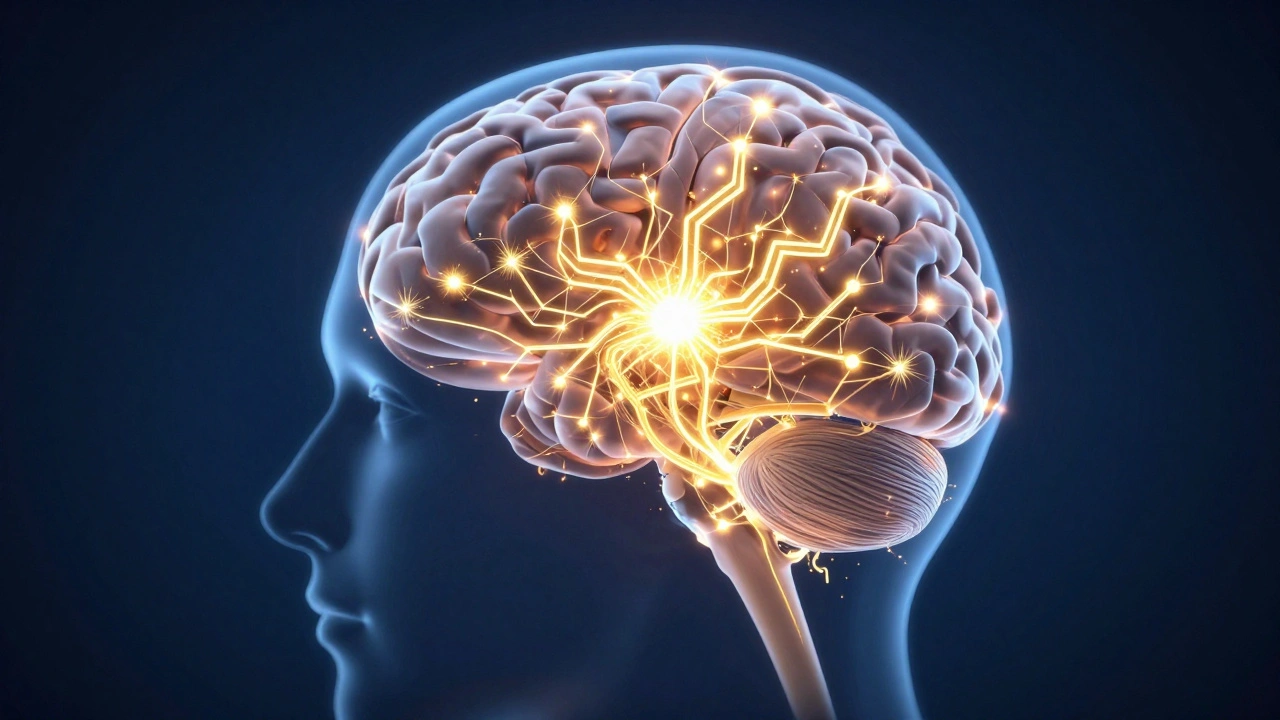
Before we get into the 'how,' let's look at what's actually happening. Dopamine is a neurotransmitter that acts as a chemical messenger in the brain, primarily associated with pleasure, motivation, and the reward system. When you exercise, your brain doesn't just dump dopamine; it actually improves how your brain uses it. It's like upgrading the wiring in your house so the lights flicker less and burn brighter.
Key Takeaways for Quick Recovery
- Moderate-intensity movement is the sweet spot for steady dopamine production.
- Consistency matters more than intensity for long-term brain health.
- Combining social activity with exercise doubles the mood-boosting effect.
- Avoiding overtraining prevents the 'crash' and keeps dopamine receptors sensitive.
The Science of the 'Runner's High'
You've probably heard of the runner's high, but it's more complex than just one chemical. While Endorphins are the famous ones-acting as natural painkillers-they work in tandem with Endocannabinoids. These are lipids that cross the blood-brain barrier easily, creating that feeling of euphoria and reduced anxiety after a long jog or a heavy lifting session.
When you push your muscles, your body signals the brain to release dopamine to reward the effort. This is an ancient survival mechanism. In the past, moving meant hunting or gathering, which led to food (a reward). Today, your brain still uses that same loop. If you spend ten hours a day sitting in a chair, your dopamine levels flatline. Moving your body tells your brain, 'We are achieving something,' which triggers the release of those feel-good chemicals.
Matching the Movement to Your Mental State
Not all exercise affects the brain the same way. Depending on whether you're feeling burnt out, anxious, or just lethargic, you should pick your activity based on the desired chemical outcome. For instance, high-intensity interval training (HIIT) provides a massive spike, but a long walk in nature provides a sustainable glow.
| Activity Type | Primary Chemical Driver | Best For... | Intensity Level |
|---|---|---|---|
| Weightlifting | Dopamine & Testosterone | Confidence & Drive | High |
| Brisk Walking | Serotonin & Low-level Dopamine | Stress Reduction | Low |
| Yoga/Tai Chi | GABA & Endorphins | Anxiety Relief | Low to Moderate |
| Sprinting/HIIT | Endorphins & Adrenaline | Breaking Mental Stagnation | Very High |
The Role of Dopamine Receptors in Recovery
Here is a bit of a paradox: it's not just about how much dopamine you have, but how well your brain can actually 'catch' it. This involves Dopamine Receptors, specifically the D2 receptors. When we overstimulate our brains with cheap dopamine-like scrolling through TikTok for four hours-our receptors downregulate. They essentially hide, making us feel numb and bored.
Physical activity acts as a natural regulator. Regular exercise increases the density of these receptors. This means that over time, you don't need a massive 'hit' of excitement to feel good; you become more sensitive to the small joys of life again. This is why people who exercise regularly often report feeling more 'present' and less dependent on digital distractions for happiness.

Building a Sustainable Dopamine Routine
If you're in a state of deep burnout, trying to run a marathon is a bad idea. You'll likely crash and feel worse. The goal is to build a 'dopamine baseline'-a steady level of mood stability that prevents the deep lows.
- The 10-Minute Rule: Tell yourself you'll only walk for ten minutes. Usually, once the blood starts pumping and the first wave of dopamine hits, you'll want to keep going.
- Sunlight Integration: Exercise outdoors. Exposure to UV Light triggers the production of serotonin, which is the precursor to melatonin and works alongside dopamine to regulate your sleep-wake cycle.
- Social Layering: Play a sport or join a class. Human interaction releases oxytocin, which multiplies the pleasure response of the dopamine released during the workout.
- Progressive Loading: Don't do the same workout every day. Your brain gets bored. By changing the stimulus-switching from cycling to swimming, for example-you keep the novelty high, which keeps the dopamine flowing.
Common Pitfalls: When Exercise Becomes a Stressor
There is such a thing as too much of a good thing. If you push your body into extreme exhaustion without proper recovery, you trigger a massive release of Cortisol, the primary stress hormone. High levels of cortisol can actually inhibit dopamine production and lead to 'overtraining syndrome.'
You'll know you've crossed the line if you feel irritable, can't sleep despite being exhausted, or lose your appetite. The key to recovery is balance. Think of it as a wave: a period of high intensity (the peak) followed by a period of active recovery, like light stretching or a slow walk (the trough). This oscillation is what actually strengthens the nervous system.
Integrating Movement into a Busy Workday
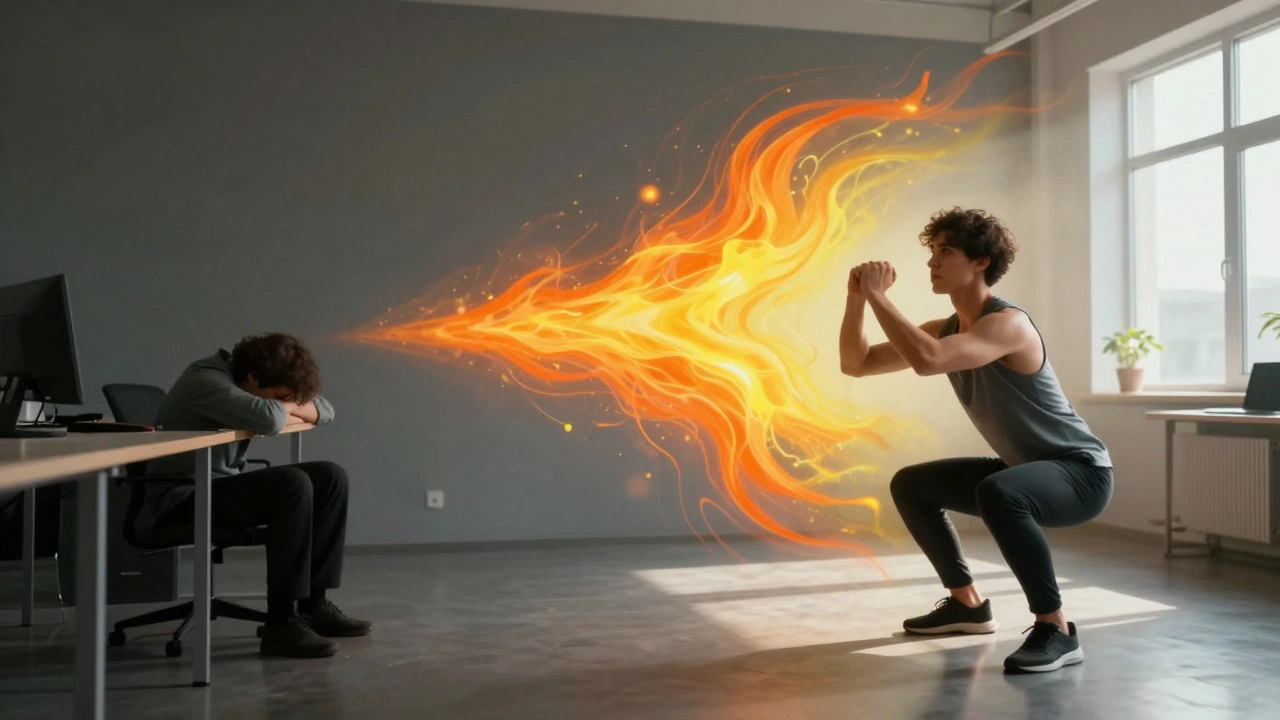
You don't need a gym membership to hack your brain chemistry. If you work a desk job, your brain is likely starved for movement. Implementing 'exercise snacks'-short bursts of activity every few hours-can prevent the mid-afternoon slump.
Try doing twenty air squats or a one-minute plank between meetings. These small spikes in heart rate signal the brain to release a small amount of dopamine, which clears the mental fog and improves cognitive function. It's far more effective than a third cup of coffee, which often just gives you jitters without the actual focus.
How long does it take for exercise to boost my mood?
You'll usually feel a shift within 20 to 30 minutes of moderate activity. This is when the endorphins and dopamine begin to accumulate in the bloodstream. However, for long-term changes in receptor sensitivity, it typically takes 3 to 4 weeks of consistent exercise.
Can I overdose on dopamine through exercise?
Not in the way you might think. You can't 'overdose' on natural dopamine, but you can experience a 'crash' if you overtrain. This happens when your body's resources are depleted, and the cortisol spike outweighs the dopamine benefit, leading to fatigue and mood drops.
Which is better for dopamine: cardio or weights?
Both have different benefits. Cardio (like running or swimming) is excellent for the immediate 'rush' and anxiety relief through endocannabinoids. Weightlifting is often better for long-term confidence and a steady sense of achievement, which supports stable dopamine levels over time. A hybrid approach is usually the best strategy.
Do I need to hit a certain heart rate to get the dopamine hit?
No, there isn't a magic number. Even low-intensity walking can increase dopamine. However, reaching 60-80% of your maximum heart rate generally triggers a more significant release of endorphins and dopamine, which is why moderate to vigorous activity feels more 'rewarding.'
Does the type of music I listen to during a workout affect dopamine?
Absolutely. Listening to music you enjoy triggers its own dopamine release in the nucleus accumbens. When you pair favorite music with physical exercise, you are essentially 'stacking' rewards, which can make the workout feel easier and the mood boost more intense.
Next Steps for Different Goals
If you are struggling with clinical depression, start with the 'Low-Bar Method.' Don't aim for a workout; aim for a 5-minute stretch. The goal is to prove to your brain that movement is possible. Once that small win is registered, the dopamine from the achievement will fuel the next, slightly harder step.
For those dealing with high-stress corporate environments, prioritize 'decompressing' movement. Avoid the high-intensity gym sessions immediately after a 10-hour shift; instead, try a weighted walk or slow yoga. This lowers cortisol first, allowing the dopamine and serotonin to actually do their jobs without being blocked by stress hormones.
If you're an athlete looking to optimize recovery, focus on 'active recovery' days. Instead of complete stillness, engage in low-impact movement like swimming or cycling at a conversational pace. This keeps blood flowing to the muscles and maintains a steady level of dopamine, preventing the post-competition 'blues' that often follow a major event.