We often picture addiction through the lens of substance abuse. When someone mentions "addict," most minds jump to opioids, alcohol, or nicotine. But the human brain doesn't just crave chemicals. It craves experiences. This fundamental misunderstanding creates a massive gap in how we support those struggling with gaming obsession versus drug dependency.
The reality is far more complex than simply labeling one behavior "bad" and another "worse." Both conditions hijack the same neural pathways, yet they manifest differently in daily life, require different intervention strategies, and face different legal and social hurdles. Understanding these distinctions isn't just academic; it determines whether a person receives the right help or gets shunted away due to misplaced judgment.
The Shared Neurological Machinery
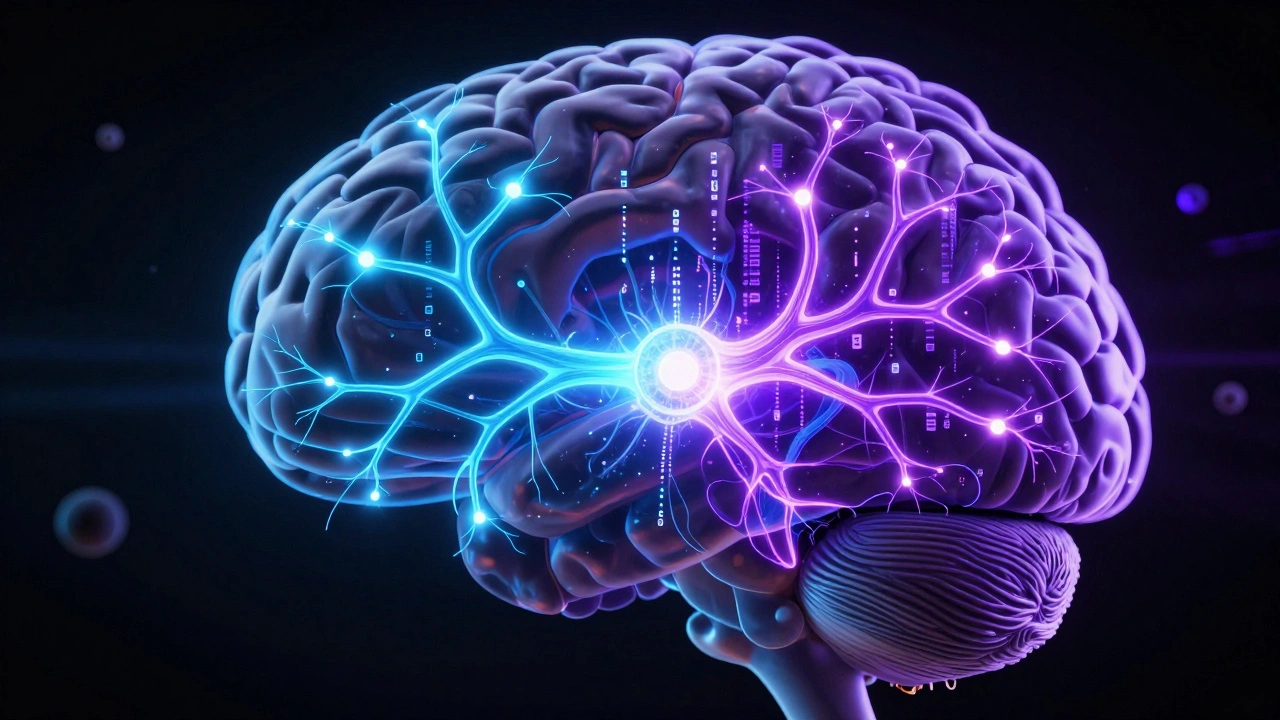
To grasp why games can feel just as enslaving as heroin, you have to look inside the skull. At the center of both addictions lies dopamine, the neurotransmitter responsible for motivation and reward. Whether you inject a substance or complete a high-level raid in an MMORPG, your brain registers a surge of pleasure.
This chemical spike tells the prefrontal cortex-the decision-making center of the brain-to prioritize that activity above all else. In Gaming Addictiona condition characterized by impaired control over gaming leading to significant impairment in personal, family, and social domains, the trigger is external stimuli like pixelated achievements and loot drops. In Substance Use Disordera chronic disorder characterized by substance-seeking behavior resulting in significant impairment or distress, the trigger is the pharmacological introduction of foreign chemicals.
The critical similarity is tolerance. Over time, the brain adapts. A gamer might need more intense game mechanics to feel the same satisfaction, while a drug user needs higher doses to achieve the same high. However, the physical toll differs significantly. Chemical substances introduce toxins that degrade organs, whereas excessive gaming primarily depletes sleep, nutrition, and social interaction without introducing poisonous compounds directly into the bloodstream.
| Feature | Gaming Addiction | Substance Use Disorder |
|---|---|---|
| Trigger Source | External Activity / Behavior | Ingested Chemical Compound |
| Neurotransmitter Focus | Dopamine & Oxytocin (Social) | Dopamine, GABA, Serotonin |
| Physical Toxicity | Negligible (Sedentary risks) | High (Organ damage potential) |
| Primary Mechanism | Psychological Compulsion | Physiological Dependency |
Diagnosis: The Gap Between Manual Systems
If biology looks similar on paper, why do doctors treat them so differently? It comes down to where we place official recognition. For decades, medical professionals debated if playing video games could truly be classified as a pathology. That changed recently with the World Health Organization’s ICD-11 update, which explicitly included Internet Gaming DisorderGaming DisorderA pattern of gaming behavior that leads to significant impairment in functioning as a distinct condition.
In the United States, the situation is nuanced. The American Psychiatric Association’s DSM-5-TR lists Internet Gaming Disorder as a "condition for further study." This technical distinction matters immensely for insurance coverage. A doctor diagnosing a patient with cocaine dependence has a clear coding path that triggers insurance reimbursement for rehabilitation. Diagnosing severe gaming dependency often hits administrative roadblocks because payors view it as a habit rather than a disease.
Clinicians look for specific symptom clusters regardless of the addiction type. They evaluate:
- Absorption: Preoccupation with the activity to the exclusion of other interests.
- Tolerance: Need for increased duration to get the same feeling.
- Social Functioning: Failure to meet school, work, or family obligations.
- Continued Use: Persisting despite knowing the harm caused.
Where the two split is in the severity assessment. Substance abuse can be fatal in a single instance due to overdose. Gaming addiction rarely causes immediate physical death, but its chronic effects-sleep deprivation, malnutrition, and extreme isolation-are often underestimated by society until a crisis point is reached.

Withdrawal and Detoxification Realities
One of the most cited misconceptions is that gaming addicts don't experience withdrawal. This is incorrect. However, the withdrawal looks entirely different. When you stop using alcohol, your nervous system goes into physical revolt: tremors, seizures, sweating, nausea. The body physically rejects the absence of the drug.
When a heavy gamer stops, the withdrawal manifests emotionally and cognitively. You see irritability, anxiety, depression, and intense cravings for digital stimulation. Because there is no toxic residue leaving the blood, medical "detox" units generally don't exist for gamers. You cannot medically flush out a memory or a behavior.
This lack of physical danger changes the urgency of care. Families often hesitate to intervene until the consequences become catastrophic because there are no visible bruises or slurred speech. Yet, the psychological pain of withdrawal is identical. The brain screams for the variable reinforcement schedule that the game provides. Without that loop, individuals feel ungrounded and unable to focus on mundane tasks, mimicking the cognitive fog seen in sobering from depressants.
Treatment Approaches and Recovery Paths
Because the mechanisms differ, the cure must differ too. Residential rehab works well for chemical addictions by providing a controlled environment free from access to substances. Removing a person from access to drugs is a safety necessity. Removing a gamer from access to screens is possible but less critical for immediate survival.
Cognitive-Behavioral Therapy (CBT)A psychotherapy approach focused on changing negative thought patterns and behaviors remains the gold standard for both, but the application shifts. For substance users, therapy focuses on identifying environmental triggers to avoid relapse in public spaces. For gamers, therapy focuses on emotional regulation and replacing the void left by gaming with new hobbies that provide genuine dopamine rewards.
Motivational Interviewing also plays a larger role in gaming cases. Since many gamers rationalize their addiction as "productivity" or "practice," the therapist helps reframe the narrative. Unlike a recovering alcoholic who admits powerlessness over a bottle, a gamer may fiercely believe they are in control of the machine until they aren't. Challenging this cognitive distortion requires a specific psychological toolkit that generalists might miss.

Societal Stigma and Legal Consequences
Beyond the clinic, the world treats these conditions unequally. Driving under the influence of marijuana carries criminal penalties. Streaming for six hours straight while ignoring a screaming infant carries social shame but few legal repercussions. This disparity impacts funding for research and support groups.
Society tends to moralize behavioral addictions. People often tell families of gamers, "Just take away the console." It ignores the underlying neurobiology. We wouldn't tell a parent of an alcoholic, "Just put him in jail," because the root cause isn't choice. However, the complexity of gaming environments makes restrictions harder. Smartphones and laptops are tools for education and livelihood, making total abstinence impossible for modern recovery without disrupting employment.
Furthermore, the visibility of substance abuse is usually undeniable. Odor, appearance, and erratic behavior signal trouble to employers and neighbors. Gaming addiction is silent. A teenager can sit in a quiet room and spiral into ruin without a single alarm bell ringing outside the house. By the time the problem surfaces to parents, grades have plummeted, hygiene is neglected, and the child has socially atrophied.
Navigating Support Systems in 2026
As we move further into the digital age, the lines between virtual and real-world value blur. Esports legitimacy and streaming income make gaming a viable career, creating confusion around where "hobby" ends and "compulsion" begins. Parents and educators must learn to recognize the functional impairment markers.
If you are supporting someone, assess the hierarchy of problems. Is the gaming masking untreated ADHD or Depression? Often, gaming addiction is secondary to other mental health struggles. Substance issues frequently co-occur with trauma. Identifying the primary driver ensures the treatment plan addresses the root cause rather than just the symptom.
Community involvement is vital. Local support groups are increasingly available for families of addicted gamers, bridging the resource gap left by insurance companies. These peer networks provide the empathy and strategy sharing necessary for long-term management. Just as AA meetings normalize the struggle of sobriety, online and local forums normalize the struggle of reclaiming a non-digital life.
Is gaming addiction recognized by insurance providers?
Recognition varies by region and provider. While the WHO's ICD-11 classifies it clearly, US insurers often still rely on DSM-5 guidelines where it remains a "condition for further study," potentially complicating direct reimbursement claims for specialized behavioral therapy.
Can gaming addiction lead to physical health issues?
While not toxic like drugs, prolonged sedentary behavior causes obesity, carpal tunnel syndrome, vision strain, and severe sleep disruption, which cumulatively degrade overall physical health and immune function.
Does treatment for gaming addiction require medication?
Currently, there are no FDA-approved medications specifically for Internet Gaming Disorder. Treatment focuses on behavioral therapy, though medications may be prescribed for co-occurring conditions like depression or anxiety.
What are the signs that gaming has become problematic?
Warning signs include lying about playtime, dropping off from social activities, neglect of personal hygiene, inability to quit when asked, and continued gaming despite negative consequences at school or work.
How does the craving mechanism differ from drugs?
Drug cravings stem from physiological withdrawal and homeostatic imbalance. Gaming cravings stem from psychological conditioning and the anticipation of variable rewards (like loot boxes or leveling up), engaging the same brain circuits but triggered by visual cues.