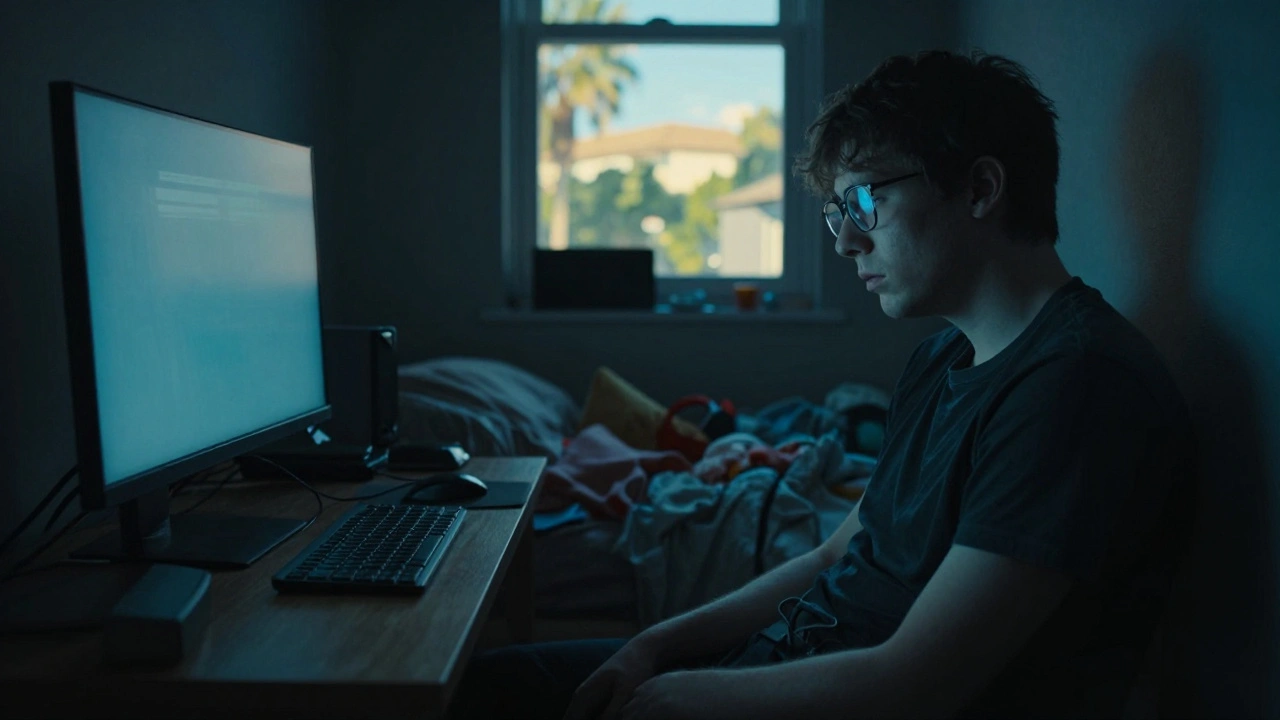
It starts with a quest. You log in to escape the stress of a bad day at work or the awkwardness of a social gathering. For a few hours, you are powerful. Your avatar is skilled, respected, and successful. But when the screen goes black, the silence rushes back in. Suddenly, you feel inadequate, anxious, and hollow. If this sounds familiar, you might be experiencing the silent erosion of self-esteem caused by gaming addiction.
We often think of video games as harmless fun. And for most people, they are. But for a significant subset of players, the line between hobby and dependency blurs. This isn't just about wasting time; it’s about how virtual success replaces real-world confidence, creating a psychological trap that leaves individuals feeling worse about themselves the more they play.
The Dopamine Trap: Why Games Feel Better Than Reality
To understand why gaming damages self-worth, we first need to look at the brain chemistry involved. Video games are engineered to trigger the release of dopamine, a neurotransmitter associated with pleasure and reward. When you level up, defeat a boss, or receive loot, your brain gets a quick, intense hit of satisfaction.
In the real world, achieving goals-like getting a promotion, learning a language, or building a relationship-takes months or years. The feedback loop is slow and often ambiguous. In a game, the feedback is immediate and guaranteed if you put in the effort. Over time, your brain begins to prefer the easy, predictable rewards of the game over the hard, uncertain rewards of life.
This creates a dependency. As tolerance builds, you need more gameplay to get the same feeling. When you step away from the game, you experience a dopamine crash. This chemical withdrawal manifests as irritability, sadness, and a profound sense of emptiness. You don't just miss the game; you miss the feeling of being "good enough" that the game provided. This contrast makes normal life feel dull and unfulfilling, directly attacking your baseline self-esteem.
The Illusion of Competence vs. Real-World Inadequacy
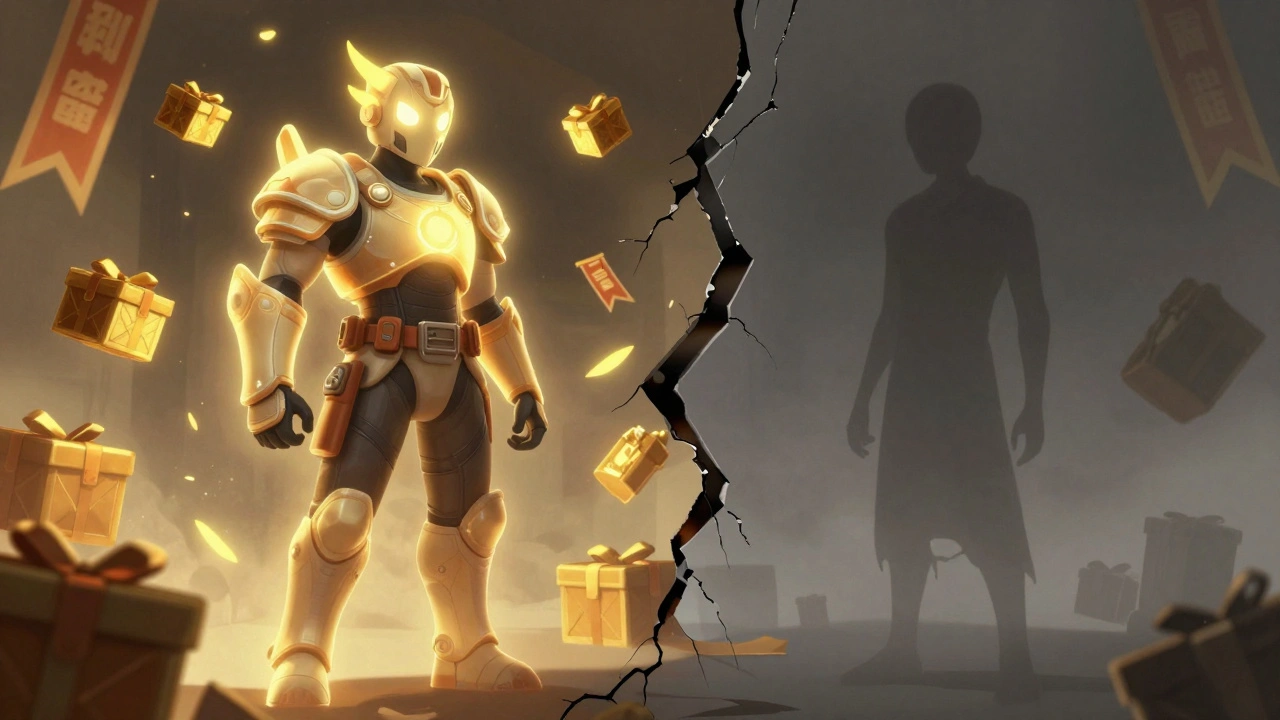
Gaming offers a curated reality where skill equals status. In many multiplayer online battle arenas (MOBAs) or role-playing games (RPGs), your rank or gear visibly demonstrates your worth. You are judged on metrics: kill-death ratio, damage per second, or completion percentage. These are clear, objective measures of success.
Real life lacks these clear metrics. Social interactions are messy. Career progress can stall despite hard work. Personal relationships require emotional intelligence that cannot be leveled up with practice modes. When a gamer spends thousands of hours mastering complex mechanics in a virtual world, they may neglect the development of soft skills like communication, empathy, and resilience.
The result is a stark disparity. Inside the game, you are a leader, a hero, or an expert. Outside, you may struggle to hold a conversation, maintain eye contact, or handle criticism. This dissonance creates cognitive dissonance. You know, deep down, that your virtual achievements don't translate to real-world value. This awareness breeds shame. You begin to view yourself as a fraud-someone who is only valuable when hidden behind a screen.
Social Isolation and the Loss of Authentic Connection
Human beings are social creatures. Our self-esteem is largely derived from our connections with others. We feel valued when we are seen, heard, and accepted by our peers. Gaming addiction often leads to physical and emotional isolation. Hours spent grinding for resources are hours not spent with friends, family, or potential partners.
While online communities exist, they often lack the depth and accountability of face-to-face relationships. Interactions are transactional and temporary. You can mute someone who annoys you or leave a group chat instantly. Real-life relationships require compromise, patience, and vulnerability. Avoiding these challenges reinforces the belief that you are incapable of handling them.
As isolation grows, so does anxiety. Social situations become terrifying because you have lost practice. You start avoiding parties, dinners, or even casual encounters. This avoidance protects you from short-term discomfort but confirms your long-term fears: that you are socially inept or unlikable. Each avoided interaction chips away at your self-image, reinforcing the idea that you belong only in the digital realm.
The Cycle of Shame and Escapism
Perhaps the most damaging aspect of gaming addiction is the cycle of shame. It rarely happens all at once. It starts small. You tell yourself you’ll play for one hour, then two. Before you know it, days have passed. You missed a deadline. You ignored a friend’s birthday. You neglected your hygiene.
When you finally confront the consequences, guilt sets in. To cope with this negative emotion, what do you do? You go back to the game. The game is the place where you were successful. It is the refuge from the mess you created. So, you play more to numb the guilt, which leads to more neglect, which creates more guilt. This vicious circle traps you in a state of perpetual self-loathing.
This pattern erodes agency-the belief that you can control your own life. If you cannot control your gaming habits, how can you trust yourself to make other important decisions? This loss of self-trust is fundamental to low self-esteem. You begin to see yourself as weak, lacking willpower, and fundamentally broken.

Physical Decline and Its Impact on Mental State
Self-esteem is not just psychological; it is also physical. How you look and feel affects how you perceive yourself. Gaming addiction often correlates with poor lifestyle choices. Long sessions mean irregular sleep patterns, poor diet, and a sedentary lifestyle.
Sleep deprivation affects mood regulation and cognitive function. Without restorative sleep, you are more prone to anxiety and depression. Poor nutrition leads to low energy and brain fog. Lack of exercise results in weight gain and reduced stamina. When you look in the mirror and see a tired, unhealthy version of yourself, it reinforces the narrative that you are failing at life.
This physical decline creates a feedback loop. You feel physically terrible, so you withdraw further into the game to escape the discomfort. The more you withdraw, the worse your physical health becomes. Eventually, the gap between your ideal self and your actual self becomes unbridgeable, leading to deep-seated resentment toward yourself.
| Aspect | Virtual World (Gaming) | Real World |
|---|---|---|
| Feedback Speed | Immediate (seconds/minutes) | Delayed (weeks/years) |
| Success Metrics | Clear, quantitative (levels, stats) | Vague, qualitative (respect, happiness) |
| Failure Consequence | Low stakes (respawn/retry) | High stakes (financial/social loss) |
| Social Interaction | Curated, anonymous, optional | Complex, visible, mandatory |
| Impact on Self-Worth | Temporary boost, dependent on performance | Sustainable growth through resilience |
Breaking the Cycle: Rebuilding Self-Esteem
Recognizing the problem is the first step. Admitting that gaming has negatively impacted your self-view requires courage. The good news is that neuroplasticity allows your brain to rewire itself. You can rebuild your self-esteem, but it requires intentional effort and a shift in perspective.
Start by setting boundaries. Use app blockers or timers to limit daily gaming time. Replace gaming hours with activities that provide natural dopamine releases, such as exercise, cooking, or creative hobbies. These activities take longer to yield results, but they build genuine competence and pride.
Reconnect with reality. Force yourself into low-stakes social situations. Join a club, volunteer, or simply strike up a conversation with a neighbor. Expect awkwardness; it is part of the process. Each small social victory rebuilds your confidence in your ability to interact with others.
Finally, consider professional help. Cognitive Behavioral Therapy (CBT) is highly effective for treating behavioral addictions and low self-esteem. A therapist can help you identify the underlying triggers for your gaming habit and develop healthier coping mechanisms. Remember, seeking help is not a sign of weakness; it is a strategic move toward reclaiming your life.
Is playing video games inherently bad for self-esteem?
No. Moderate gaming can be a healthy hobby that provides relaxation and social connection. The issue arises when gaming becomes compulsive, replacing real-world responsibilities and interactions, leading to a dependency on virtual validation.
How can I tell if I have a gaming addiction?
Signs include losing track of time while playing, neglecting personal hygiene or work, feeling irritable when unable to play, lying about the amount of time spent gaming, and using games as the primary way to cope with negative emotions.
Can self-esteem recover after quitting gaming?
Yes. While the initial withdrawal phase may feel difficult due to boredom or anxiety, self-esteem typically improves as you regain control over your time, improve physical health, and rebuild real-world relationships and skills.
Why do games feel more rewarding than real-life achievements?
Games are designed with immediate, consistent feedback loops and clear progression systems. Real-life achievements often involve delayed gratification, ambiguity, and setbacks, making them less chemically stimulating in the short term but more meaningful in the long run.
What are some healthy alternatives to gaming for stress relief?
Effective alternatives include physical exercise (which releases endorphins), mindfulness meditation, engaging in creative arts, reading, or spending quality time with friends and family. These activities promote holistic well-being rather than temporary escapism.