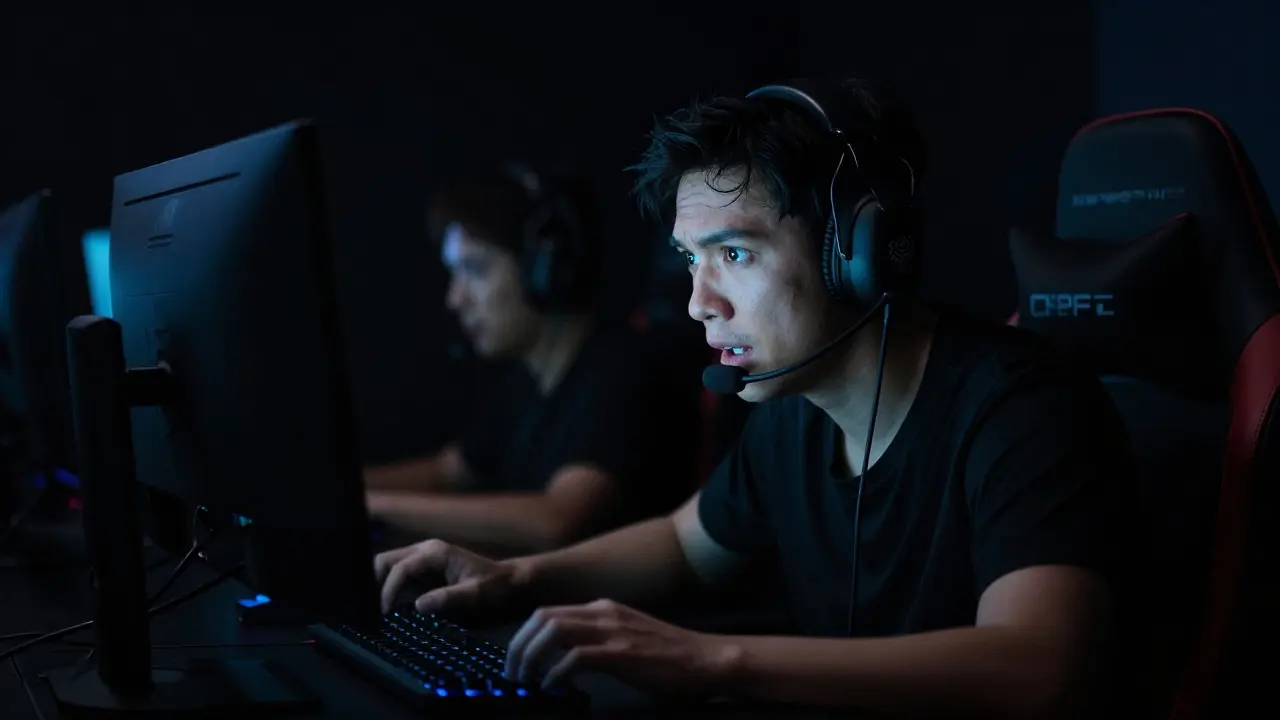
It’s 2:00 AM. You’re deep in a raid or ranked match. The adrenaline is high, the chat is loud, and you tell yourself one more round won’t hurt. But when you finally close the laptop, your brain doesn’t switch off. It starts racing. What if you missed a crucial detail? What if tomorrow goes wrong? This isn’t just tiredness; it’s sleep anxiety. For many gamers, the line between exciting gameplay and physiological stress blurs, creating a cycle where the very act of trying to sleep becomes a source of fear.
This phenomenon, often referred to as an insomnia spiral, happens when cognitive arousal from gaming persists long after the screen goes dark. Instead of winding down, your nervous system remains in a state of high alert. You lie awake, monitoring your heart rate, worrying about how little rest you’ll get, which only increases cortisol levels and makes falling asleep even harder. Breaking this loop requires understanding the biological mechanics at play and implementing targeted strategies that respect both your gaming passion and your need for recovery.
The Biological Mechanism Behind the Spiral
To fix the problem, you have to understand why it happens. When you play intense games, especially competitive ones, your body releases a cocktail of neurochemicals. Dopamine drives the reward anticipation, while adrenaline (epinephrine) prepares your body for action. These chemicals are designed to keep you focused and reactive. In a healthy context, they fade once the activity stops. However, late-night timing disrupts this natural decay process.
Your circadian rhythm, the internal clock that regulates sleep-wake cycles, expects melatonin production to rise in the evening. Blue light from monitors suppresses melatonin, but the bigger issue is cognitive load. If you end a session with unresolved tension-a lost match, a pending objective, or social interaction-your prefrontal cortex stays active. This prevents the transition into the parasympathetic state required for sleep. Essentially, your brain thinks the game is still happening because the emotional residue hasn’t cleared.
- Dopamine Crash: High stimulation followed by sudden silence can cause a rebound effect, making quiet environments feel unsettling.
- Cortisol Elevation: Stress from competition raises cortisol, which peaks naturally in the morning. Adding gaming stress at night keeps cortisol elevated when it should be low.
- Blue Light Exposure: While often cited as the main culprit, blue light is actually less impactful than the mental engagement it accompanies, though it does delay sleep onset by shifting circadian phase.
Identifying Your Personal Triggers
Not all gaming sessions lead to insomnia. The difference usually lies in the type of game and the player's mindset. Competitive multiplayer titles like League of Legends or Valorant tend to trigger higher anxiety levels due to social pressure and performance stakes. Single-player narrative games might induce different types of rumination, such as processing complex plot points or emotional character arcs.
Ask yourself these questions to identify your specific triggers:
- Do I play until I’m exhausted or until I’m emotionally charged?
- Is my last game always a win or a loss, or do I stop mid-session?
- Do I engage in voice chat during my final hour of play?
- Does my bedroom environment remain lit or noisy after gaming?
Strategic Wind-Down Protocols
You don’t need to quit gaming to save your sleep. You need a structured wind-down protocol that signals your brain the session is over. This involves a gradual reduction in stimulus intensity over the last 30-60 minutes of play.
- The 30-Minute Rule: Stop high-stakes competitive play at least 90 minutes before your target bedtime. Use the last 30 minutes for low-intensity activities, such as exploring open-world maps without objectives or playing casual puzzle games.
- Sensory Dimming: Reduce screen brightness to 50% and enable warm color temperature settings (night shift mode). Lower your room lighting to amber tones. This mimics sunset conditions and supports melatonin production.
- Social Detachment: Mute voice chat 15 minutes before ending the session. Social interactions maintain high arousal. A brief, polite exit message is sufficient; you don’t need to discuss the match outcomes.
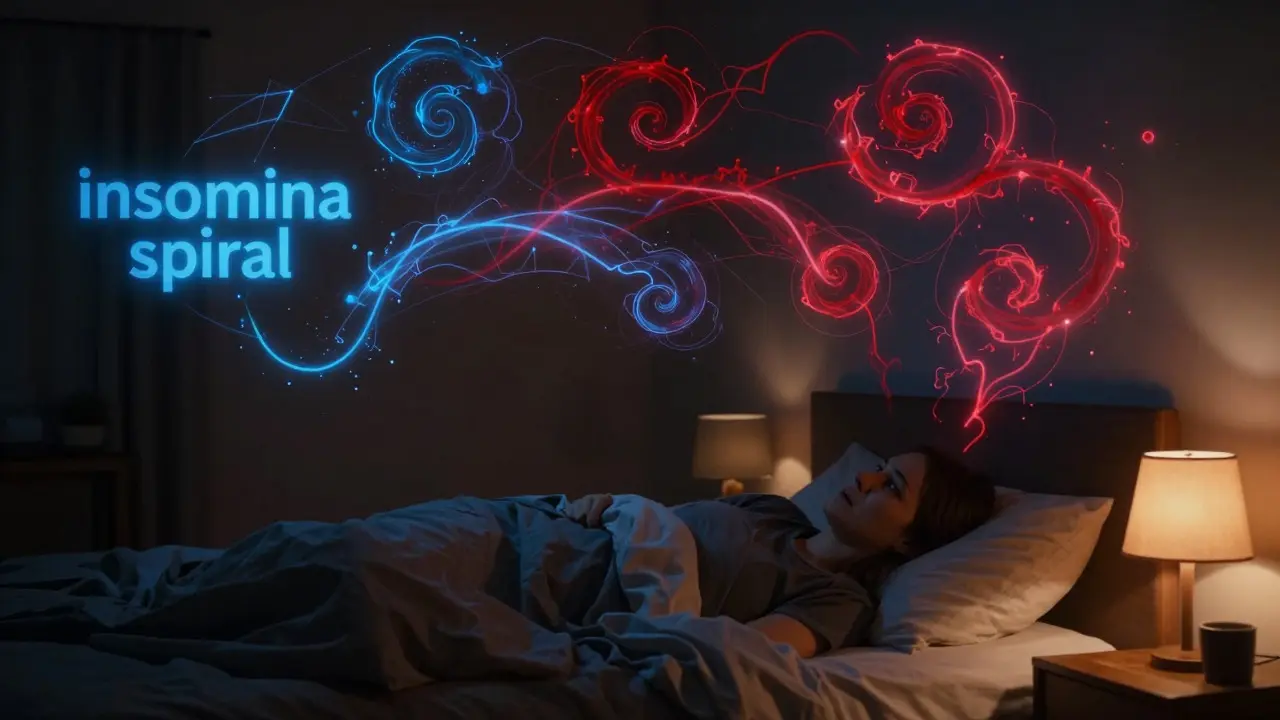
Managing Cognitive Rumination
Even with a good wind-down, some players experience intrusive thoughts. "Did I make the right call?" or "What will happen tomorrow?" These thoughts are normal but become problematic when they prevent sleep onset. Cognitive Behavioral Therapy for Insomnia (CBT-I) techniques can help here.
One effective method is the worry journal. Keep a notebook by your bed. If you find yourself ruminating on game outcomes or daily stresses, write them down briefly. The act of writing externalizes the worry, telling your brain it has been recorded and can be addressed later. Do not analyze the problems; just list them. Then, close the book. This ritual separates the gaming identity from the sleeping self.
Another technique is box breathing. Inhale for four seconds, hold for four, exhale for four, and hold for four. Repeat this cycle five times. This activates the vagus nerve, directly counteracting the sympathetic nervous system response triggered by gaming. It’s a physical brake pedal for your mind.
Optimizing Your Gaming Environment
Your physical setup plays a surprisingly large role in post-game anxiety. If you game in your bed, your brain associates the mattress with high stimulation rather than rest. Try to keep your gaming station separate from your sleeping area. If space is limited, use distinct visual cues. Change your wallpaper, turn off RGB lighting, and perhaps wear different socks or a hoodie specifically for sleep. These small sensory shifts help recondition the association between your environment and sleep.
Also, consider your hydration. Caffeine is common in energy drinks used during marathon sessions. Caffeine has a half-life of about 5-6 hours. If you drink an energy drink at 10 PM, half of that caffeine is still active at 4 AM, blocking adenosine receptors that promote sleepiness. Limit caffeine intake to before noon, or switch to decaf options for evening sessions.
| Habit | Impact on Sleep Onset | Recommended Adjustment |
|---|---|---|
| Competitive Play Until Bedtime | High (Increased Cortisol) | Stop 90 mins before bed; switch to casual modes |
| Bright Screen & White Light | Medium (Suppressed Melatonin) | Use night shift mode; dim ambient lights |
| Voice Chat During Final Hour | Medium-High (Social Arousal) | Mute chat 15 mins before ending session |
| Gaming in Bed | High (Poor Stimulus Control) | Game at desk; reserve bed for sleep only |
When to Seek Professional Help
Most gamers can manage sleep issues with lifestyle adjustments. However, if you’ve tried wind-down protocols for two weeks and still struggle to fall asleep within 30 minutes three or more nights a week, you may be experiencing chronic insomnia. This is a medical condition, not just a bad habit. Chronic insomnia is linked to increased risks of cardiovascular disease, depression, and metabolic disorders.
A healthcare provider can evaluate whether underlying anxiety disorders are contributing to your sleep difficulties. They might recommend CBT-I, which has a success rate of over 80% for chronic cases, or short-term medication if necessary. Don’t suffer in silence; your long-term health depends on consistent rest.
Frequently Asked Questions
Does blue light really cause insomnia?
Blue light suppresses melatonin, which can delay sleep onset. However, for gamers, cognitive arousal from gameplay is often a stronger factor than light exposure alone. Combining reduced screen brightness with a calm mental state yields better results than either change in isolation.
How long should I wait after gaming before sleeping?
Ideally, wait at least 60 to 90 minutes. This window allows your heart rate to normalize and your brain to transition from a high-focus state to a relaxed state. Using this time for non-screen activities like reading or stretching enhances the effect.
Can single-player games cause sleep anxiety?
Yes, but differently. Single-player games may cause rumination about plot twists or emotional storylines. If you find yourself replaying scenes in your head, try finishing chapters earlier in the evening or pausing before major emotional beats.
Is it okay to nap after a sleepless gaming night?
Short naps (20 minutes) can help restore alertness without disrupting nighttime sleep drive. Avoid napping after 3 PM, as this can reduce sleep pressure and make it harder to fall asleep at night again.
Do headphones affect sleep quality after gaming?
Prolonged headphone use can leave ears sensitive or create a sense of auditory isolation. Removing headphones immediately after gaming helps reset your auditory perception. Some people find background white noise helpful for transitioning back to reality, but ensure it’s at a low volume.