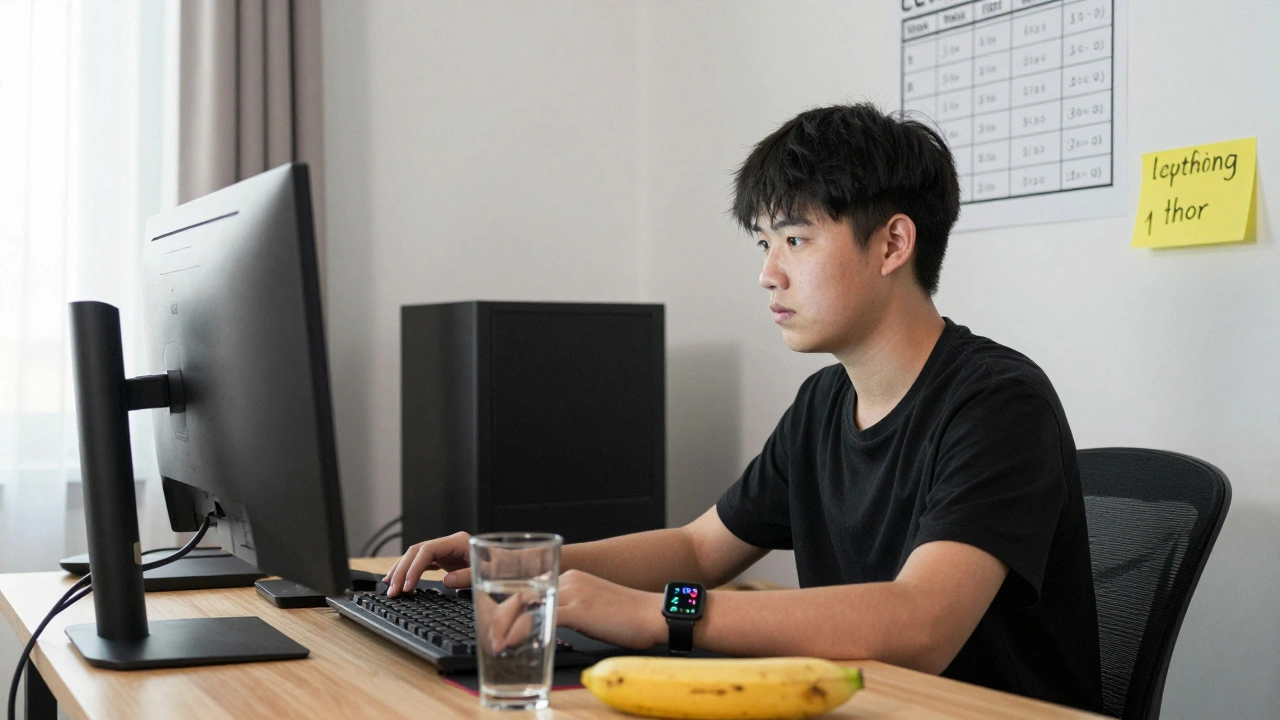
Being a top esports player doesn’t mean you have to drop out of school or wreck your health. Thousands of teens and young adults are proving you can compete at a high level-while still showing up to class, sleeping enough, and staying physically healthy. It’s not about grinding 12 hours a day. It’s about working smarter, not harder.
Why Most Student Gamers Burn Out
Most kids who take esports seriously fall into the same trap: they treat practice like a full-time job and school like an afterthought. They skip meals to finish a match. They pull all-nighters before a tournament. They sit for hours without stretching. By the time they hit 17, their back hurts, their eyes ache, and their grades are slipping. It’s not because they’re lazy. It’s because they never learned how to structure their time.A 2024 study from the University of California found that student gamers who trained more than 5 hours a day were 3.2 times more likely to report chronic fatigue and anxiety than those who capped practice at 3 hours. The difference wasn’t skill-it was routine.
Set a Realistic Practice Schedule
You don’t need to play 8 hours a day to get better. Top pro teams like Team Liquid and T1 train 4-6 hours daily, and they have coaches, nutritionists, and psychologists on staff. You don’t have that luxury-but you do have something they don’t: a school schedule.Here’s how to build a sustainable plan:
- 5 days a week, max-Use weekends for rest or light gameplay. No tournaments on Sunday unless it’s a major event.
- 1-2 hours after school-Use this time for focused drills, not just playing random matches. Work on aim, positioning, or communication.
- 1-2 hours on weekends-Save longer sessions for team scrimmages or reviewing game footage.
- Never skip class for practice-If you miss school, you’re not gaining an edge-you’re falling behind.
One 16-year-old Valorant player from Texas went from 15th to 3rd in his state ranking over six months by cutting his daily playtime from 6 hours to 3-and adding 30 minutes of physical movement. His GPA went up 0.7 points.
Protect Your Body Like a Pro Athlete
Esports is a sport. Your body is your equipment. If you treat it like a machine that never breaks, it will.Here’s what actually works:
- 20-20-20 rule-Every 20 minutes, look at something 20 feet away for 20 seconds. It cuts eye strain by over 60% according to the American Optometric Association.
- Stretch every hour-Stand up, roll your shoulders, stretch your wrists. Even 90 seconds helps. A 2025 study found that gamers who did this daily had 45% fewer reports of wrist pain.
- Hydrate-Don’t drink energy drinks. Water, herbal tea, or electrolyte solutions are better. Dehydration cuts reaction time by up to 12%.
- Sleep 7-8 hours-Your brain consolidates learning during sleep. If you’re playing at 1 a.m., you’re not improving-you’re sabotaging yourself.
One high school League of Legends player in Sweden started using a smartwatch to track his sleep and heart rate. He noticed his performance dropped sharply after 6 hours of sleep. He started setting a 10:30 p.m. bedtime. Within two weeks, his KDA improved by 22%.
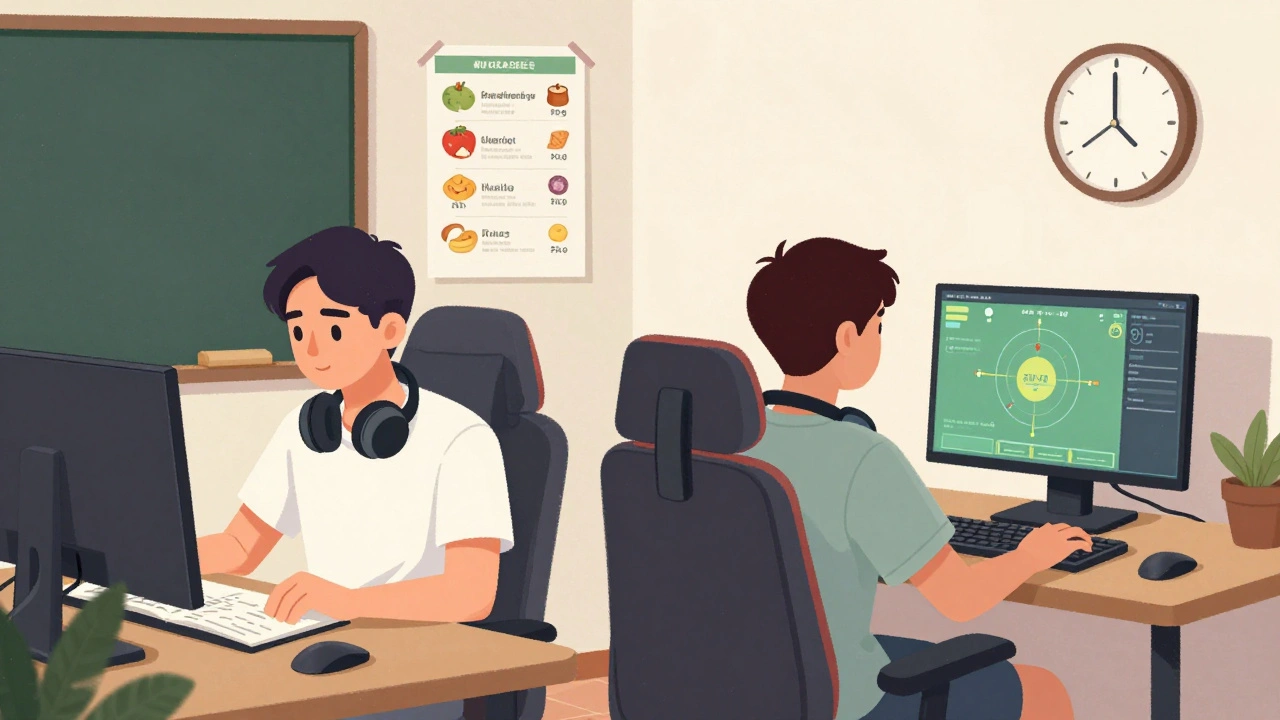
Make School Work for You
You don’t have to choose between esports and academics. You just need to connect them.Use your gaming discipline to boost your study habits:
- Study like you’re in a match-Set a timer for 25 minutes. Focus hard. Then take a 5-minute break. It’s called the Pomodoro Technique-and pro gamers use it to stay sharp during tournaments.
- Use game stats to track progress-If you track your KDA, track your quiz scores. Seeing improvement in both keeps you motivated.
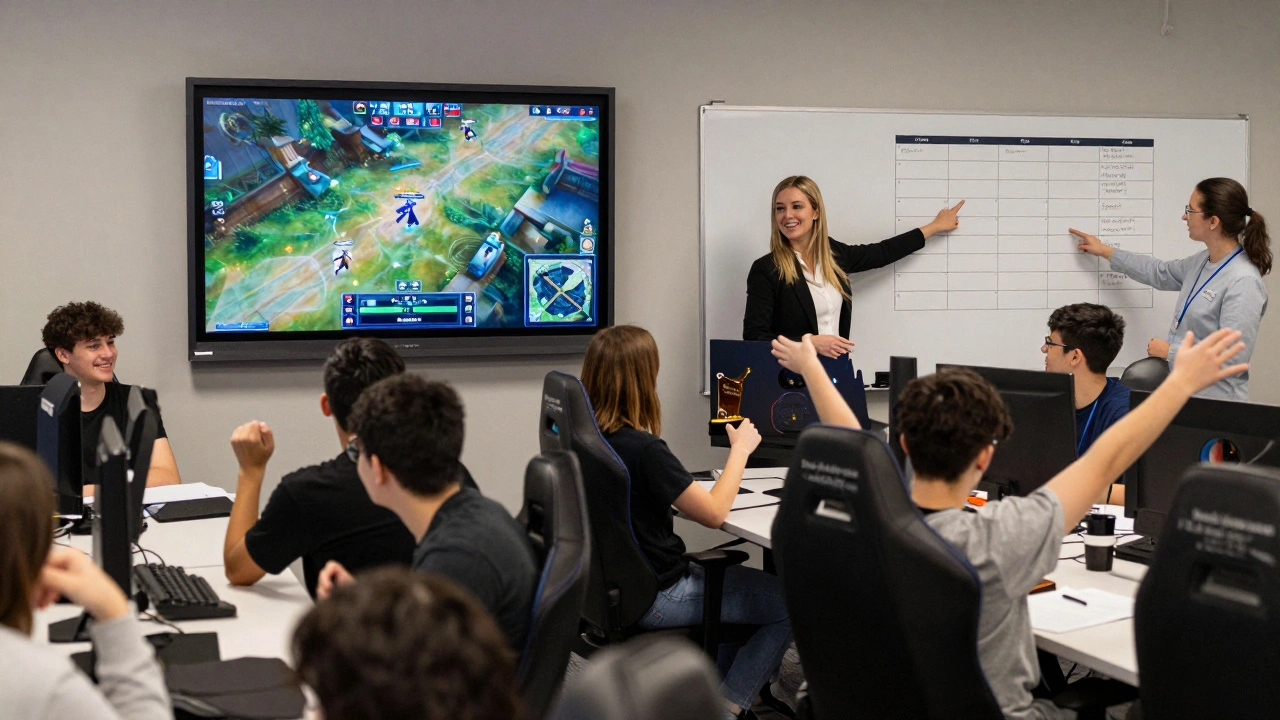
- Ask teachers for flexibility-Many schools now have esports clubs. Talk to your counselor. You might get extra time on assignments if you show a training schedule and grades.
A 15-year-old from Ontario turned her CS2 practice logs into a science project. She analyzed how sleep and hydration affected her aim accuracy. She won first place at her regional science fair-and got a scholarship to a university with an esports program.
Build a Support System
No one wins alone. If your parents think gaming is a waste of time, they’re not wrong-if you’re not showing results. But if you can show them a schedule, a grade report, and a doctor’s note saying you’re physically healthy, they’ll change their minds.Find your people:
- A coach or mentor-Not necessarily a pro player. Could be a teacher, older student, or even a parent who helps you stick to your schedule.
- A health check-in buddy-Someone who reminds you to drink water, stretch, or go to bed. It doesn’t have to be a gamer.
- A school counselor-They can help you manage deadlines and negotiate extensions if you’re traveling for tournaments.
One family in Colorado started weekly family meetings: 10 minutes to check in on school, 10 minutes on training, 10 minutes on health. Within three months, their son’s grades improved, his anxiety dropped, and he qualified for nationals.
What to Avoid
Here are the top 3 mistakes student gamers make-and how to dodge them:- Skipping meals for practice-Your brain needs fuel. Eat protein, complex carbs, and veggies. A banana and peanut butter before practice beats energy drinks every time.
- Comparing yourself to streamers-Most streamers are paid to play 8+ hours a day. You’re not. You’re a student. Your goal isn’t to be like them-it’s to be better than you were yesterday.
- Ignoring pain-Wrist pain? Neck stiffness? Trouble sleeping? Don’t wait until it’s chronic. See a doctor. Physical therapy for gamers exists-and it works.
It’s a Marathon, Not a Sprint
The best esports careers last decades. The ones that burn out fast? They’re the ones who started with no plan. You don’t need to be the best at 16. You need to be healthy, focused, and consistent at 20.One pro player from Germany didn’t qualify for his first major until he was 19. He spent his teens balancing school, part-time work, and 3 hours of daily practice. He now earns a six-figure salary-and he’s still in college.
You can do this. Not by sacrificing everything. But by building a life where gaming, learning, and health all fit together-without one crushing the others.
Can I still be competitive if I only practice 2 hours a day?
Yes. Quality beats quantity. A 2025 study of 1,200 high school esports players found that those who practiced 2-3 focused hours daily with structured drills improved faster than those who played 6+ hours of unstructured matches. Focus on deliberate practice: aim trainers, replay analysis, and teamwork drills. Sleep and nutrition matter just as much as time spent playing.
What should I eat before and after training?
Before training: eat a mix of complex carbs and protein-like oatmeal with eggs, or whole grain toast with peanut butter. Avoid sugar crashes. After training: focus on recovery. A protein shake, Greek yogurt, or chicken with sweet potatoes helps repair muscles and stabilize energy. Hydration is critical-drink at least 16 oz of water within 30 minutes after practice.
How do I convince my parents I’m not wasting my time?
Show them data. Keep a log: your weekly training hours, your grades, your sleep stats, and your physical activity. If your grades stay steady or improve, and you’re sleeping 7+ hours, they’ll see this isn’t a distraction-it’s a discipline. Bring them to a practice session. Let them see how focused and structured it is. Many parents change their minds once they understand it’s like chess or gymnastics: mental, physical, and demanding.
Is esports a viable path to college or a career?
Absolutely. Over 200 U.S. colleges now offer esports scholarships, and many more have varsity teams. Beyond playing, there are careers in coaching, analytics, broadcasting, event management, and game design. Esports is a growing industry-valued at over $2 billion in 2025. If you’re serious, treat it like a career path, not a hobby. Combine it with real academic skills, and you open doors most gamers never see.
What if I get injured or burn out?
Rest isn’t failure-it’s strategy. If you feel constant fatigue, wrist pain, or anxiety, take a full week off. No games, no screens. Walk, read, sleep. Most top players take 1-2 recovery weeks per year. Ignoring symptoms leads to long-term injury. A 2024 study showed that gamers who took regular breaks had 50% fewer injuries and 30% higher long-term performance. Your body will thank you-and so will your future self.