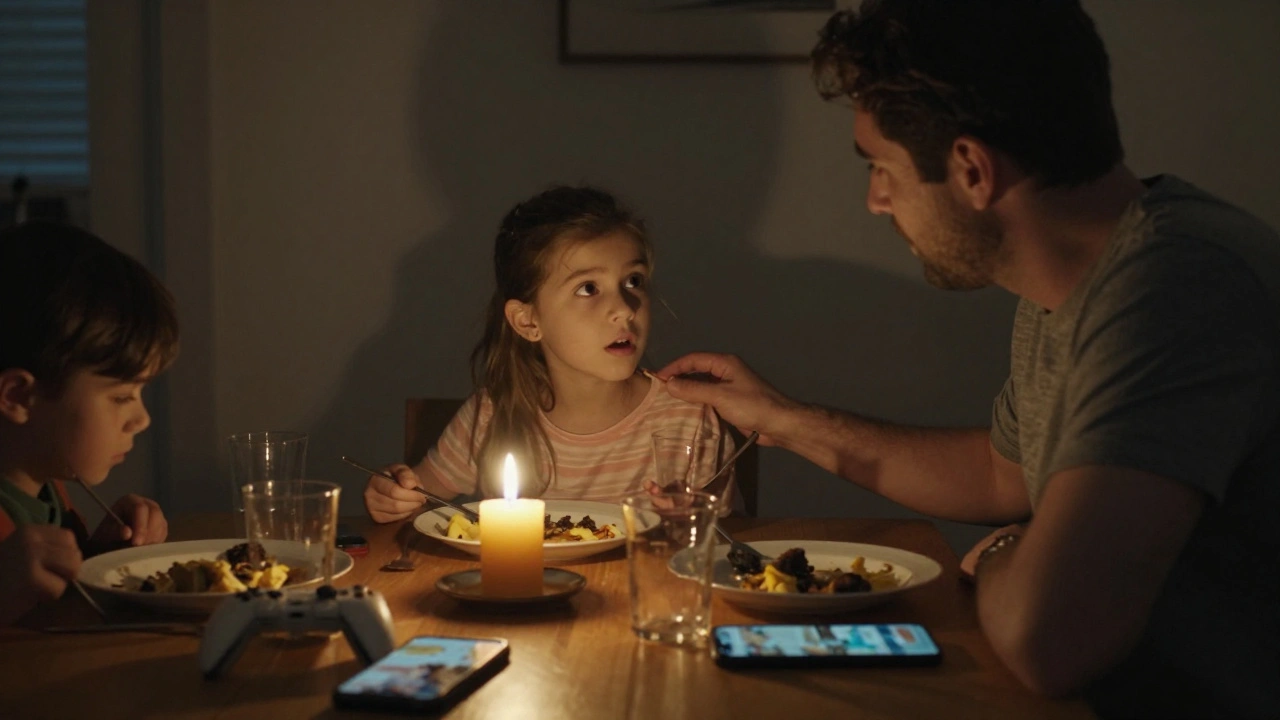
Every parent knows the scene: dinner table silence, eyes glued to screens, controllers clicking like a metronome. Your kid’s been playing the same game for six straight hours. Your teenager barely looks up when you ask how school went. You catch yourself wondering if this is normal-or if something’s broken.
It’s not just about time. It’s about what’s missing. The laughter that used to fill the living room. The board games piled in the closet. The way your child used to tell you about their day without needing a prompt. This isn’t about banning games. It’s about bringing balance back.
Why a Gaming Detox Isn’t Just About Cutting Screen Time
A gaming detox isn’t a punishment. It’s not about guilt or shame. It’s a reset. Think of it like a digital spring cleaning. Your home doesn’t need to be screen-free. It needs to be human-focused again.
Studies from the American Academy of Pediatrics show that kids who spend more than two hours a day on screens are more likely to have trouble sleeping, lower attention spans, and reduced social skills. But here’s the twist: it’s not the games themselves. It’s the lack of boundaries. The endless scroll. The no-wait, no-notice, no-look-up-when-I-call-you culture.
Real change doesn’t come from yelling. It comes from structure. From shared rules. From adults modeling behavior, not just enforcing it.
Start With a Family Conversation-Not a Rule Book
Don’t walk in and announce, “No games for two weeks.” That’s a recipe for rebellion. Instead, sit down. Maybe over coffee. Maybe after a walk. Ask: “What do you like most about gaming?” “What do you miss about not being on your device all the time?”
Listen. Really listen. You might hear: “I like beating levels with my friends.” Or, “I don’t have anyone to talk to after school.” Those aren’t complaints. They’re clues.
Then say: “We’re going to try something new. Not to take games away. But to bring back other things.”
Let them help design the plan. Kids stick to rules they helped make. Give them choices: “Would you rather have no games on weekdays, or no games after 8 p.m.?”
Set Clear, Simple Rules-And Stick to Them
Here’s what works in real homes, not just theory:
- No screens during meals. Not even for parents.
- Gaming only after homework, chores, and outdoor time are done.
- One hour of gaming per day on school nights. Two hours on weekends.
- All devices charge overnight in the kitchen-not bedrooms.
- One screen-free day a week. Sunday works for most families.
These aren’t punishments. They’re anchors. They create rhythm. They tell your kids: “Your time matters. Your presence matters. We’re not just a household with screens-we’re a family.”
Replace, Don’t Remove
Don’t just take away games. Fill the space with something better.
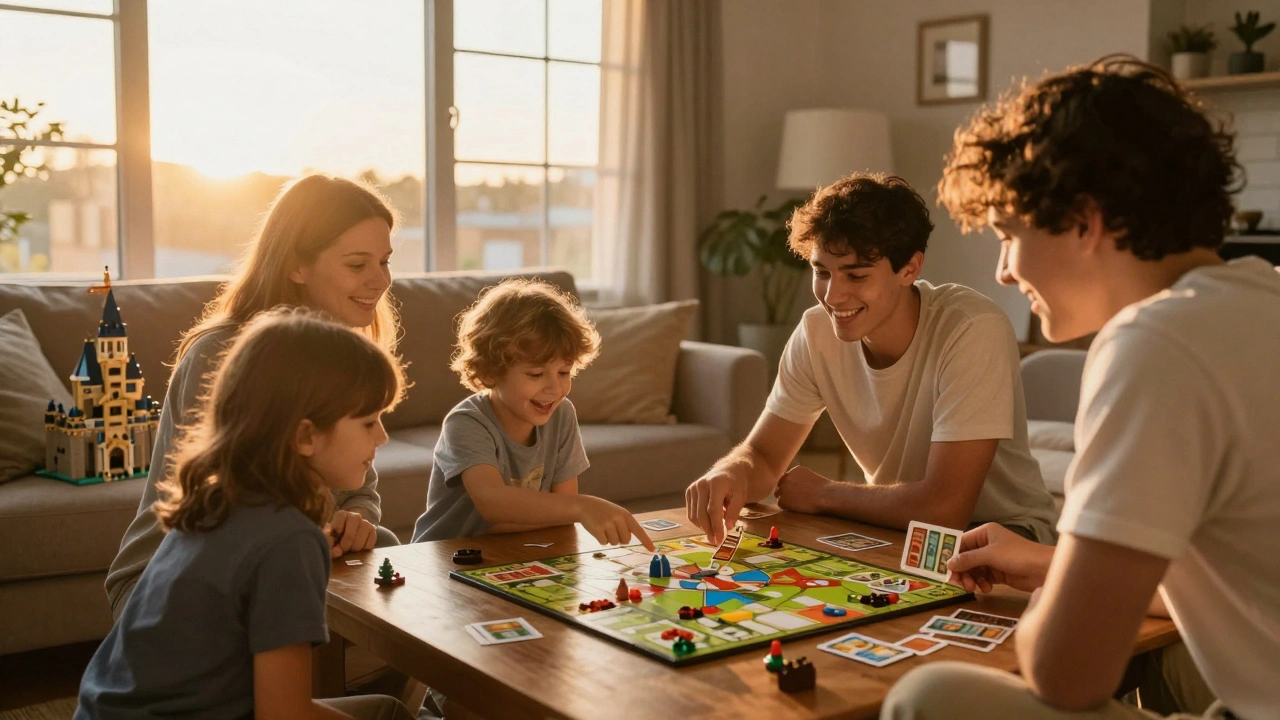
Try this: Every Sunday night, let each family member pick one activity for the next week. It could be board games, bike rides, baking cookies, building a LEGO set, or even a walk to the park with no phones. Rotate who picks.
My neighbor’s family started “Saturday Mystery Box.” Every Saturday, they pull a random activity from a jar: “Build a blanket fort,” “Write a letter to a grandparent,” “Cook a meal together.” No screens. No explanations. Just doing something real.
Within three weeks, their 13-year-old started asking to join the family hike. Not because he was forced. Because he remembered how good it felt to be outside, laughing, not thinking about his next respawn.
Model the Behavior You Want to See
If you’re scrolling TikTok while your kid’s on PlayStation, don’t expect them to stop. Kids don’t follow rules. They follow patterns.
Try this: Every evening after dinner, the whole family sits in the living room for 30 minutes. No phones. No TVs. Just talking. Or reading. Or playing cards. Or staring at the ceiling and talking about nothing.
At first, it’ll feel awkward. You’ll check your pocket. You’ll want to grab your phone. That’s normal. Keep going. After a week, the silence stops being empty. It becomes calm.
One dad in Portland told me his 15-year-old said, “I didn’t realize how much I missed just talking to you.” That’s the moment you realize the detox isn’t about games. It’s about connection.

Track Progress-But Not With Numbers
Don’t make a chart. Don’t count hours. Don’t punish missed limits.
Instead, ask weekly: “What was the best part of your week?” “What did you miss the most?” “What surprised you?”
Write down answers. Keep them in a journal. Or just remember them. You’ll start noticing shifts: more eye contact. More jokes. More “Hey, want to try this new game with me?”-not “Can I play now?”
Progress isn’t measured in minutes saved. It’s measured in moments regained.
What to Do When It Gets Hard
There will be blowups. There will be tears. There will be “You’re ruining my life!”
Stay calm. Say: “I’m not taking your games away. I’m trying to help us be together again.”
If your child shuts down, give them space. Then try again in a day or two. Don’t negotiate. Don’t give in. Just hold the boundary gently.
And if you slip? Admit it. “I checked my phone during dinner. That wasn’t fair. I’m sorry. I’ll do better.” Kids learn more from your honesty than your perfection.
You Don’t Need to Be Perfect. Just Consistent.
This isn’t about turning your house into a monastery. It’s about making room for life outside the screen.
Some days, the rules will be broken. That’s okay. What matters is that you keep showing up. That you keep saying: “We’re trying. We’re learning. We’re here.”
One family I know started their detox in November. By January, their 11-year-old was leading game nights with cousins. Their 16-year-old started a podcast about game design-not to escape, but to create. Their 8-year-old asked to learn chess.
They didn’t fix everything. But they found something better: presence.
Games aren’t the enemy. Isolation is.
You don’t need to eliminate gaming. You just need to make sure it doesn’t eliminate your family.
How long should a gaming detox last?
There’s no set timeline. Most families see noticeable changes in 2-4 weeks. But the goal isn’t to finish a detox-it’s to build lasting habits. Think of it as a reset, not a cure. After the first month, keep the rules you like and adjust the rest. The rhythm matters more than the duration.
What if my child refuses to participate?
Start small. Pick one rule-like no screens at dinner-and stick to it for a week. Don’t argue. Don’t threaten. Just calmly enforce it. Often, resistance fades when they realize you’re not going to back down. Also, let them help choose the replacement activities. Ownership reduces rebellion.
Can we still use gaming as a reward?
Yes-but not as a bribe. Instead of “If you clean your room, you can play,” try “After you finish your chores, we can play together.” Shift it from control to connection. Play with them. Make it a shared experience, not a transaction.
What if my kid says they have no friends without gaming?
That’s a red flag. Online friendships are real, but they can’t replace face-to-face connection. Encourage them to invite one friend over for a non-screen activity: mini-golf, baking, or even a walk. Help them build offline bonds. If social anxiety is deep, consider talking to a counselor. Gaming often fills a void-not the cause of it.
Are there tools to help enforce screen limits?
Yes. Built-in tools like Apple Screen Time or Google Family Link can help set daily limits. But tools alone won’t change behavior. Use them as backup, not the main plan. The real change happens when your family talks, agrees, and chooses to be together-not when a device locks up.